

Kanmyoji Temple: A Complete Guide to History, Access, and Highlights
Kanmyo-ji is a well-known name for Nichiren Buddhist temples located throughout Japan. Temples with the same name exist in multiple prefectures, each possessing its own unique history and characteristics. This article provides a detailed explanation of the major Kanmyoji temples, including their historical background, architectural style, cultural assets, access methods, and annual events.
What is Kanmyoji Temple?: An Overview of Nichiren Buddhist Temples
The name Kanmyoji signifies the contemplation (observation and understanding) of the teachings of the Lotus Sutra in Nichiren Buddhism. Nichiren Buddhism is a Buddhist sect founded by Nichiren Shonin during the Kamakura period, and its fundamental scripture is the Lotus Sutra.
The “Kan” in Kanmyoji represents observation and contemplation, while “Myo” represents the “Myo” of the Lotus Sutra, embodying the profound teachings of the Lotus Sutra in its name. Kanmyoji temples throughout Japan have played a vital role as centers of local faith and as centers for spreading the teachings of the Nichiren sect.
Locations and Characteristics of Major Kanmyoji Temples
Kanmyoji Temples in Tokyo
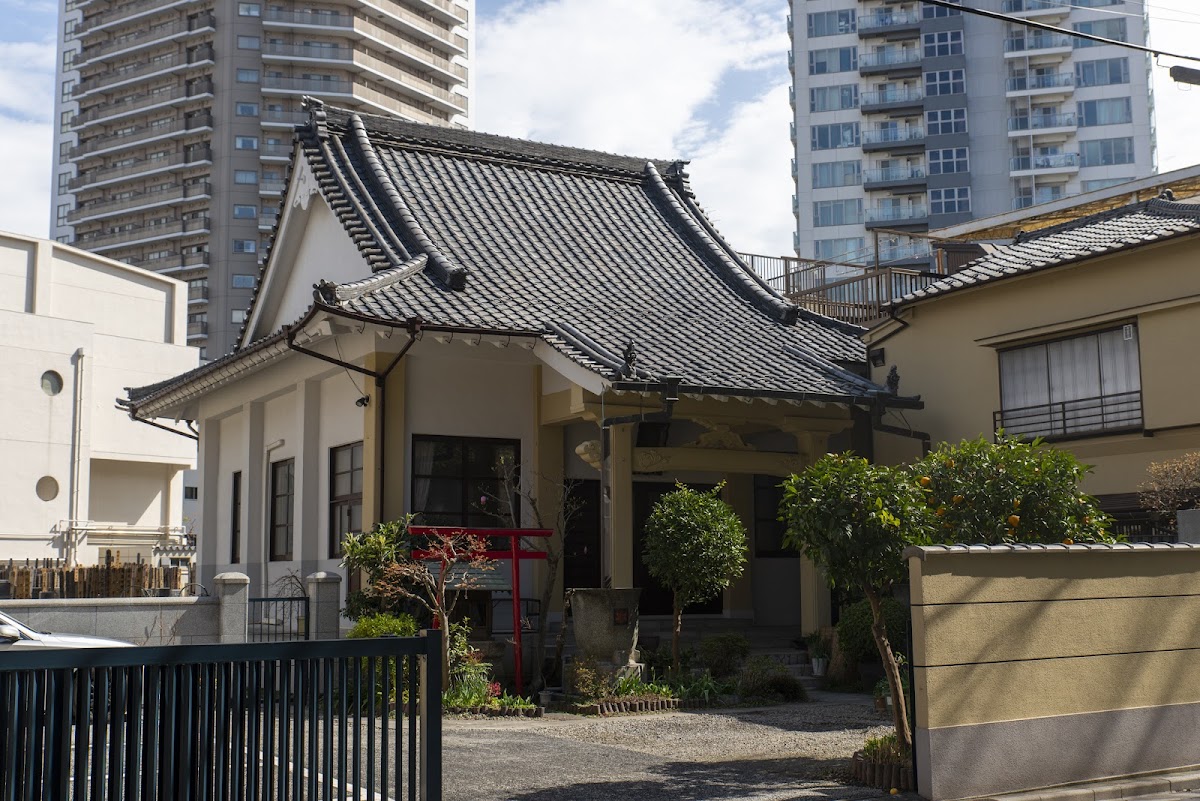
Kanmyoji temples also exist within Tokyo, serving as centers of Nichiren sect faith in urban areas. With a history dating back to the Edo period, they have been cherished as family temples for local residents. The temple grounds are well-maintained, including the main hall, living quarters, and bell tower, ensuring a peaceful environment for worship.
Despite being in the heart of the city, the temple grounds are lush with greenery, offering visitors the beauty of cherry blossoms in spring and autumn leaves in fall. Regular memorial services and annual events are held, making it a central hub for the local community.
Kanmyoji Temples in Kanagawa Prefecture
Kanmyoji temples in Kanagawa Prefecture are ancient temples believed to have been founded between the Kamakura and Muromachi periods. The Kamakura region was a place where Nichiren Shonin was active, and many Nichiren sect temples were established there. Kanmyoji Temple is one such example, boasting a long history and tradition.
The temple grounds house historically valuable Buddhist statues and ancient documents, making it an important cultural asset of the region. Furthermore, the architectural style of the temple gate and main hall exhibits characteristics of temple architecture from the medieval to early modern periods, making it a historically interesting temple.
Other Kanmyoji Temples
Several Kanmyoji temples exist, mainly in the Kanto region, including Chiba, Saitama, and Shizuoka prefectures. Each temple has developed uniquely in its respective region, building deep ties with local residents.
Historical Background of Kanmyoji Temple
Founding History
Many Kanmyoji temples were founded between the Kamakura and Muromachi periods. Many were established by disciples of Nichiren Shonin, or by samurai and powerful families who were impressed by his teachings.
The Nichiren sect emphasizes the teachings of the Lotus Sutra and preaches the doctrine that one can attain Buddhahood in this lifetime by chanting the title “Namu Myoho Renge Kyo.” This clear teaching was embraced by a wide range of people, from the samurai class to commoners, and became a catalyst for the construction of many temples throughout Japan.
Development during the Edo Period
During the Edo period, under the shogunate’s temple registration system, Kanmyoji Temple played an important role as a local parishioner temple. The parishioner system stabilized temple management, allowing for the improvement of temple buildings and the collection of cultural artifacts.
Furthermore, during the Edo period, it also functioned as a place of terakoya (temple schools), becoming a center of local education and culture. Many of the head priests excelled in academics, contributing to the improvement of local culture by teaching Chinese classics and calligraphy.
Changes in the Modern Era
Kanmyoji Temple was also tossed about by the tides of the times, such as the anti-Buddhist movement after the Meiji Restoration and damage during World War II. However, with the support of parishioners and local residents, it was rebuilt and continues to uphold its Buddhist traditions to this day.
After the war, while the temple grounds were reduced in some cases due to urbanization, its role as a spiritual pillar of the community remained unchanged, and many worshippers still visit today.
Architecture and Grounds of Kanmyoji Temple
Features of the Main Hall
The main hall of Kanmyoji Temple exhibits a typical style of Nichiren Buddhist temples. The inner sanctuary typically houses a statue of Shakyamuni Buddha or Nichiren Shonin as the principal image, flanked by statues of Many Treasures Buddha and the Four Bodhisattvas.
While architectural styles vary by era, the main hall built during the Edo period showcases the excellent architectural techniques of the time, including hip-and-gable roofs, carved transoms and pillars.
Temple Gate and Bell Tower
The temple gate is an important structure, serving as the face of the temple. Kanmyoji Temple’s temple gate sometimes houses Nio statues or Four Heavenly Kings statues, playing a protective role for the temple.
The bell tower houses a temple bell, which is rung during morning and evening services and on New Year’s Eve. The sound of the bell resonates throughout the region, serving as a way to mark the time.
Gardens and Temple Grounds
Many Kanmyoji temples feature dry landscape gardens or pond gardens. These spaces offer tranquility to visitors, allowing them to enjoy the beauty of nature throughout the seasons.
The temple grounds are planted with trees such as cherry blossoms, plum blossoms, and maple trees, displaying different appearances with each season. Many worshippers and tourists visit, especially during the cherry blossom season in spring and the autumn foliage season.
Cultural Assets and Treasures of Kanmyoji Temple
Buddhist Statues and Sculptures
Kanmyoji Temple houses valuable Buddhist statues created from the Kamakura period to the Edo period. These include the principal image of Shakyamuni Buddha, as well as statues of Nichiren Shonin, Kishimojin, and the Ten Rakshasa Women—all objects of worship unique to Nichiren Buddhist temples.
Some of these statues are designated cultural properties by the city or town, possessing high value from an art historical perspective. The exquisite carving techniques and gold leaf decorations attest to the high skill of the Buddhist sculptors of the time.
Ancient Documents and Calligraphy
Temples preserve ancient documents dating back to their founding, as well as calligraphy by successive head priests. These documents offer insights not only into the temple’s history but also into the changes in the local community and its cultural background.
In particular, the parishioner registers and temple certificates from the Edo period are invaluable historical sources for studying the social systems of the time. Furthermore, mandala images, copied from the handwriting of Nichiren Shonin and other high-ranking priests, are important cultural assets from both a religious and artistic perspective.
Temple Bells and Crafts
Among the temple bells hanging in the bell towers on the temple grounds are some of high historical value, cast during the Edo and Meiji periods. These bells bear inscriptions indicating the casting date, the name of the donor, and other details, conveying the state of faith at the time.
Other Buddhist implements such as incense burners, candlesticks, and sutra desks are also valuable items showcasing exquisite craftsmanship.
Annual Events at Kanmyoji Temple
Major Buddhist Services
At Kanmyoji Temple, various Buddhist services are held throughout the year, following the traditions of the Nichiren sect.
Oeshiki is the most important Buddhist service, held around October 13th, the anniversary of Nichiren Shonin’s death. A splendid ceremony, including a lantern procession and drum performances, is held, attracting many believers.
Setsubun-e is a bean-throwing and prayer ceremony, where people pray for good health throughout the year. Many local residents participate, making it a lively event.
Spring and Autumn Equinox Services are held to honor ancestors. Temple parishioners visit graves to remember their loved ones.
Seasonal Events
Hatsumode is a popular New Year’s visit, bustling with worshippers praying for happiness in the new year. Special prayers are held from New Year’s Day through the third day of the year.
Hanamatsuri (Buddha’s Birthday Festival) is an event held on April 8th to celebrate the birth of Buddha. A flower-decorated shrine is erected, and a ceremony of pouring sweet tea is performed.
Urabon-e is a memorial service held during the Obon period to welcome the spirits of ancestors. A Segaki memorial service is often held concurrently, and many parishioners attend.
Special Events
Some temples hold regular events such as sutra copying sessions, Dharma talks, and Zen meditation sessions. These are open to the public and provide a good opportunity to experience Buddhism.
Furthermore, special exhibitions of cultural properties, concerts on the temple grounds, and tea ceremonies are also held, serving as a hub for disseminating local culture.
How to Access Kanmyoji Temple
Access by Public Transportation
Access to Kanmyoji Temple varies depending on its location. Generally, it is accessed on foot or by bus from the nearest station.
In the case of Kanmyoji Temple in urban areas, train and bus connections are generally good, and it is often accessible within a 10-20 minute walk from the station. It is recommended to check the latest transportation information on the temple’s official website or a map app beforehand.
Access by Car
When accessing by car, enter the temple name or address into your car’s navigation system. However, some temples have limited parking, or no parking at all, so it is necessary to check in advance.
During large religious services or events, surrounding roads may be congested, so it is recommended to allow ample time for your visit.
Precautions During Visit
When visiting a temple, please maintain quiet and be considerate of other visitors. Photography may be restricted inside the main hall or regarding cultural properties, so it is necessary to check in advance.
There are no specific dress code regulations, but it is desirable to dress appropriately, keeping in mind that it is a religious site.
How to Visit Kanmyoji Temple
Basic Visiting Etiquette
Visiting a Nichiren Buddhist temple follows the following procedure:
- Bow at the Temple Gate: Before passing through the temple gate, bow before entering the temple grounds.
- Purification at the Water Basin: Purify your hands and mouth at the water basin. It is customary to purify your left hand, then your right hand, and then your mouth.
- Worship at the Main Hall: Join your hands in prayer in front of the main hall and chant “Namu Myoho Renge Kyo.”
- Offering a Coin: Place your offering in the offering box.
- Bowing and Bowing: Bow deeply and pray with gratitude.
About Goshuin (Temple Seals)
Many Kanmyoji temples offer Goshuin as a memento of your visit. Bring your Goshuincho (stamp book) and request one at the temple office or reception area. The Goshuin will have the temple name, principal deity name, and date written in ink, and a red seal will be stamped on it.
The offering fee (donation) for a Goshuin (temple stamp) is usually around 300 to 500 yen. A Goshuin is not merely a commemorative stamp; it should be treated with care as proof of a connection with Buddha.
Amulets and Items Offered
Kanmyoji Temple offers various amulets for traffic safety, academic success, family safety, etc. You can also purchase talismans, prayer beads, and sutra books.
These items are important as proof of faith and as reminders of Buddhist teachings in daily life.
Kanmyoji Temple and the Local Community
The Danka System and Temple Management
Kanmyoji Temple is supported by the Danka system. A Danka is a family that belongs to a specific temple and provides economic and spiritual support to that temple. Danka request funerals and memorial services from the temple, and the temple performs ancestral rites and religious guidance for the Danka.
In modern times, temple management faces various challenges, such as a decline in the number of parishioners and a lack of successors. However, many Kanmyoji temples continue to preserve their traditions while maintaining cooperative relationships with parishioners and local residents.
Preservation of Local Culture
Kanmyoji temples play an important role in conveying the history and culture of the region. The ancient documents and cultural artifacts stored at the temples are valuable resources for local history research.
Furthermore, they serve as places to strengthen community bonds through annual events and festivals. In particular, events such as the Oeshiki festival and Setsubun festival provide opportunities for intergenerational exchange.
Social Contribution Activities
Some modern Kanmyoji temples engage in various social contribution activities in addition to their traditional religious activities. These include establishing children’s cafeterias, running salons for the elderly, and providing shelters during disasters, contributing to the improvement of community welfare.
They also offer services that meet the needs of modern society, such as providing mental health counseling services based on Buddhist principles and holding end-of-life planning seminars.
Nichiren Buddhism and Kanmyoji Temple
Belief in the Lotus Sutra
The fundamental scripture of Nichiren Buddhism is the “Lotus Sutra (Myoho Renge Kyo).” Nichiren Shonin taught that the Lotus Sutra is the true teaching of Shakyamuni Buddha, and that by believing in this scripture and chanting the title “Namu Myoho Renge Kyo,” anyone can attain Buddhahood.
The temple name, Kanmyoji, also includes the character “Myo” from the Lotus Sutra, signifying that it is a temple aiming to contemplate and understand the Myoho (wonderful law).
The Life of Nichiren Shonin
Nichiren Shonin was born in 1222 in Awa Province (present-day Chiba Prefecture). He entered the Buddhist priesthood at a young age, and after training at Mount Hiei and other places, he became convinced that the Lotus Sutra is the highest teaching.
In 1253, he first chanted the title “Namu Myoho Renge Kyo” at Seichoji Temple, founding the Nichiren sect. Afterward, he conducted missionary work in Kamakura, but was persecuted by the shogunate for criticizing other sects and was exiled to Izu and Sado.
After his pardon, he built a hermitage on Mount Minobu and devoted himself to training disciples and writing. He continued to spread the teachings of the Lotus Sutra until his death at the age of 61 in 1282.
Nichiren Buddhism in Modern Times
Modern Nichiren Buddhism is a large sect with approximately 5,000 temples throughout Japan. Kanmyoji Temple is a member of this sect, playing a role in transmitting the teachings of the Lotus Sutra to the present day.
Nichiren Buddhism actively engages in peace movements and social welfare activities based on the spirit of “Rissho Ankoku” (establishing correct teachings to bring peace to the nation).
Best Season to Visit Kanmyoji Temple
Spring at Kanmyoji Temple
Spring is cherry blossom season. Many Kanmyoji temples have cherry trees planted on their grounds, and they bloom beautifully from late March to early April. Visiting the temple under the cherry blossoms is a special experience that allows you to feel the charm of spring in Japan.
Also, the Hanamatsuri (Buddha’s Birthday) on April 8th is an important spring event. A flower-decorated shrine is erected, and a ceremony is held where sweet tea is poured over the statue of the newborn Buddha.
Kanmyoji Temple in Summer
In summer, the greenery becomes lush, and the temple grounds are enveloped in deep green. Visiting the temple amidst the sound of cicadas is an experience that allows you to feel both tranquility and vitality at the same time.
During the Obon period in August, the Urabon-e ceremony is held, and many parishioners visit to pay respects to their ancestors. The Segaki memorial service is also held, making it an important religious event in summer.
Kanmyoji Temple in Autumn
Autumn is the season of autumn leaves. The maple and ginkgo trees on the temple grounds change color, creating a beautiful landscape. The best time to see the autumn leaves is often from mid to late November.
In October, the Oeshiki ceremony, the most important event in the Nichiren sect, is held. A splendid ceremony, including a lantern procession and drum performances, is held, attracting many worshippers.
Kanmyoji Temple in Winter
Kanmyoji Temple in winter is characterized by its solemn atmosphere enveloped in silence. When it snows, the snow-covered grounds present a beauty reminiscent of an ink painting.
From New Year’s Day to the third day, it is bustling with worshippers for the first shrine visit of the year. Also, during the Setsubun festival in February, bean-throwing ceremonies are held to pray for good health and protection from illness throughout the year.
Attractions Around Kanmyoji Temple
When visiting Kanmyoji Temple, you can have a more fulfilling experience by also visiting the surrounding tourist spots.
Other Temples and Shrines
Around Kanmyoji Temple, there are often other Nichiren Buddhist temples, temples of different sects, and shrines. Visiting these temples and shrines can deepen your understanding of Japanese religious culture.
Historical Streetscapes
Some areas around temples retain old streetscapes and historical buildings. While strolling around, you can experience the local history and culture.
Natural Scenery
Some temples are located in naturally rich areas, such as on mountainsides or near the sea. You can enjoy nature walks in conjunction with your visit to the temple.
Experiential Programs at Kanmyoji Temple
Sutra Copying Experience
Some Kanmyoji temples offer sutra copying experiences. This is an experience where you carefully copy a passage from the Lotus Sutra or the title “Namu Myoho Renge Kyo” with a brush. By calming your mind and concentrating, you can also gain a meditative effect.
Sutra copying experiences are often by reservation only, so it is recommended to inquire with the temple in advance.
Participation in Dharma Talks
At regularly held Dharma talks, you can hear the head priest talk about Buddhist teachings and wisdom for life. This is a valuable opportunity to receive advice from a Buddhist perspective on worries and questions in daily life.
Zen Meditation
While the Nichiren sect emphasizes chanting (reciting the title of the Lotus Sutra) more than Zen meditation, some temples offer instruction in Zen meditation and other forms of meditation. The time spent calming one’s mind in the tranquil main hall is a precious opportunity for refreshment in today’s busy life.
Preservation and Future of Kanmyoji Temple
Cultural Property Protection Efforts
At Kanmyoji Temple, appropriate preservation and management are carried out to pass on valuable cultural properties to future generations. We are working on cultural property protection with the cooperation of experts, including the restoration of Buddhist statues and ancient documents, and the maintenance of buildings.
We are also striving to preserve historical heritage by utilizing the cultural property protection systems of the national and local governments.
Training Successors
Training successors who will bear the future of the temple is also an important issue. Nichiren Buddhist monk training institutions have curricula that teach not only Buddhist doctrine but also temple management and community activities.
Younger generations of monks are exploring new ways of temples that meet the needs of modern society while preserving tradition.
Adapting to Digitalization
In modern times, temples are also adapting to the wave of digitalization. Activities incorporating new technologies are expanding, such as disseminating information through websites and social media, conducting online memorial services, and digitizing cultural properties.
These initiatives make it possible to convey the charm of the temple and the teachings of Buddhism to a wider audience.
Summary: The Charm of Kanmyoji Temple
Kanmyoji Temple, as a temple that conveys the teachings of the Nichiren sect, has a long history and rich culture. Kanmyoji temples in various locations have developed uniquely in their respective regions, while remaining deeply connected to their local communities.
Kanmyoji Temple offers many attractions, including historical buildings and cultural properties, beautiful gardens, and nature that changes with the seasons. Furthermore, the memorial services and events held throughout the year provide a valuable opportunity to experience traditional Japanese culture.
Even in modern society, Kanmyoji Temple continues to play an important role as a spiritual haven and a center of the local community. The time spent praying and calming your mind in the quiet temple grounds will be a precious moment away from the hustle and bustle of everyday life.
When visiting Kanmyoji Temple, take your time to reflect on its history and culture as you pray. It will surely be a memorable experience.
.png)