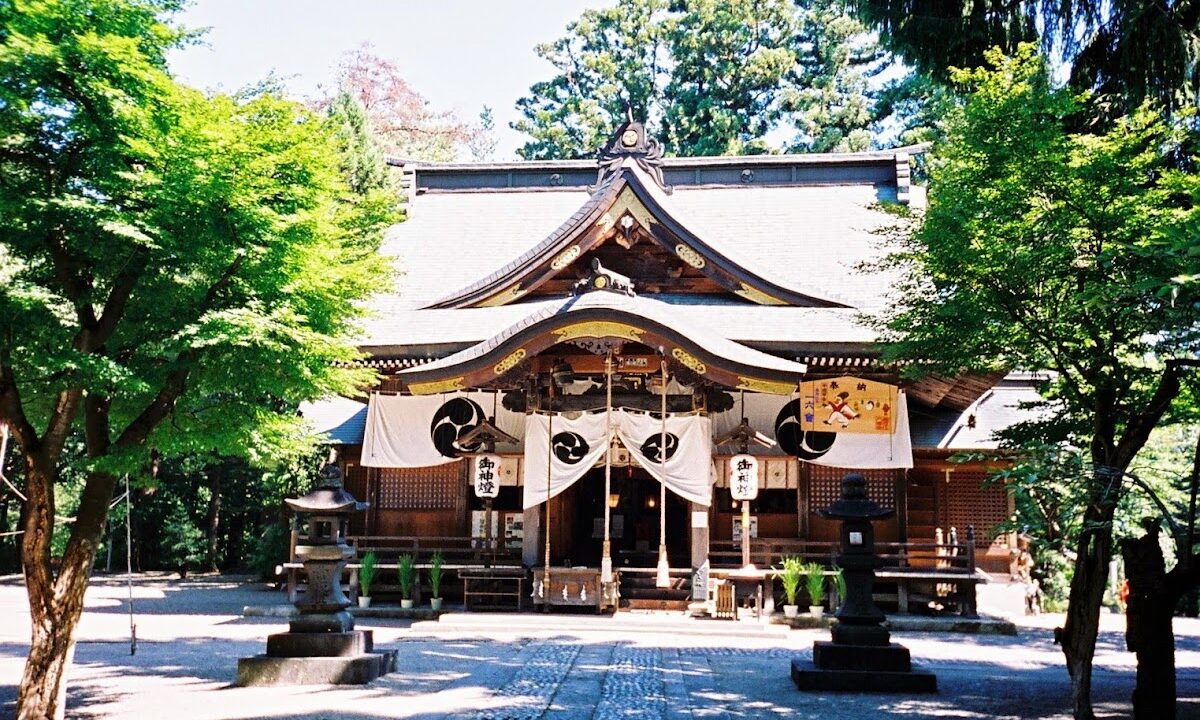
Kannonji Temple (Sagae City, Yamagata Prefecture) Complete Guide | History, Goshuin (Temple Seal), and Access Information
Located in Sagae City, Yamagata Prefecture, Kannonji Temple is a historic temple that attracts the faith of the local community. This article comprehensively introduces information useful for those considering a visit, including the historical background, highlights, visiting information, and access methods.
Overview and Basic Information of Kannonji Temple
Kannonji Temple is a Buddhist temple located in Sagae City, Yamagata Prefecture, and has long been cherished by local residents. Sagae City is located almost in the center of Yamagata Prefecture and is known nationwide as a cherry-producing area, but it is also a historical area with many ancient temples and shrines remaining.
Basic Data
- Location: Sagae City, Yamagata Prefecture
- Sect: Believed to have a tradition of the Tendai sect
- Principal Image: Kannon Bodhisattva (estimated)
- Founder: Details based on local records
The temple name Kannonji is widely used for temples that enshrine Kannon Bodhisattva as their principal image, and there are temples with the same name throughout Japan. Kannonji in Sagae City is one such temple, and has served as a center of Kannon worship.
History and Origins of Kannonji
Buddhist Culture in the Sagae Region
The Murayama region of Yamagata Prefecture, including Sagae City, has long been a region where Buddhist culture flourished. In particular, the nearby Jionji Temple is one of the oldest temples in Tohoku, believed to have been founded during the Nara period, and at its peak, it was a large temple with over 300 halls.
Kannonji Temple is considered highly likely to have supported local faith as one of the temples under the influence of Jionji Temple. It is presumed that a network of temples centered around Jionji Temple was formed from the medieval to the early modern period, and Kannonji Temple played a part in it.
From the Edo Period to the Present
During the Edo period, the Sagae region was governed by the Mogami clan, and later by the shogunate’s direct control and the territories of hereditary daimyo. During this time, temples throughout the region were deeply rooted in local communities under the danka system (parishioner system), functioning not only as religious centers but also as centers of education and culture.
While many temples were affected by the anti-Buddhist movement after the Meiji Restoration, temples supported by local faith survived and have continued to uphold their traditions to this day. Kannonji Temple, too, has been maintained by the faith of the local people and continues to exist today.
Highlights and Cultural Assets of Kannonji Temple
Main Hall and Temple Grounds
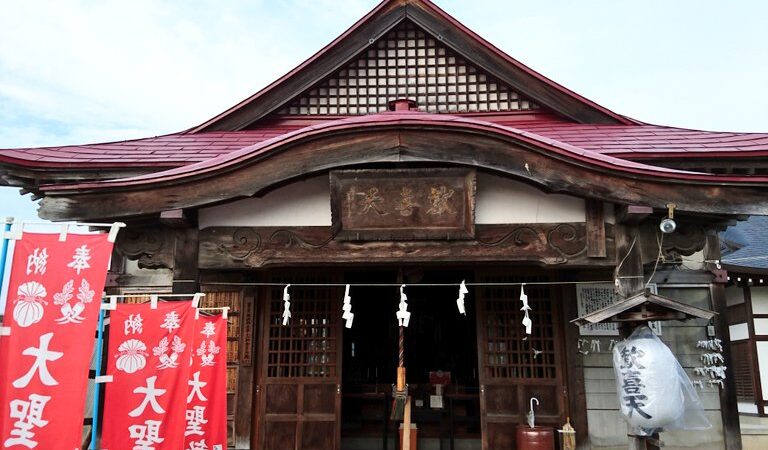
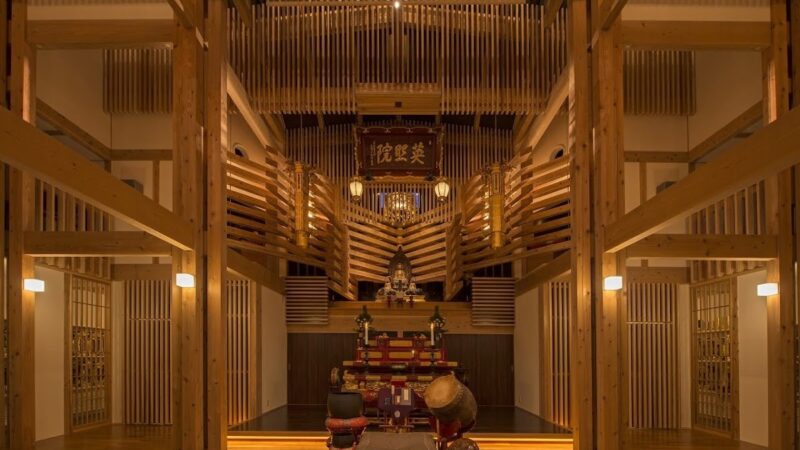
The main hall of Kannonji Temple preserves the traditional style of temple architecture. The warm and inviting atmosphere of the wooden architecture evokes a sense of tranquility in visitors.
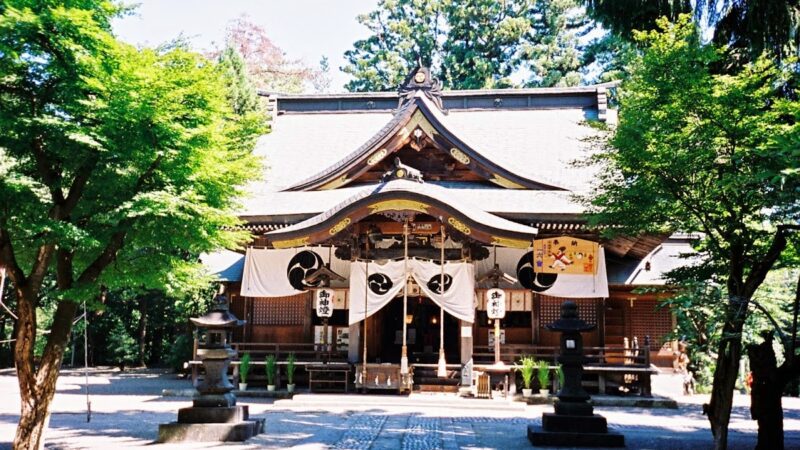
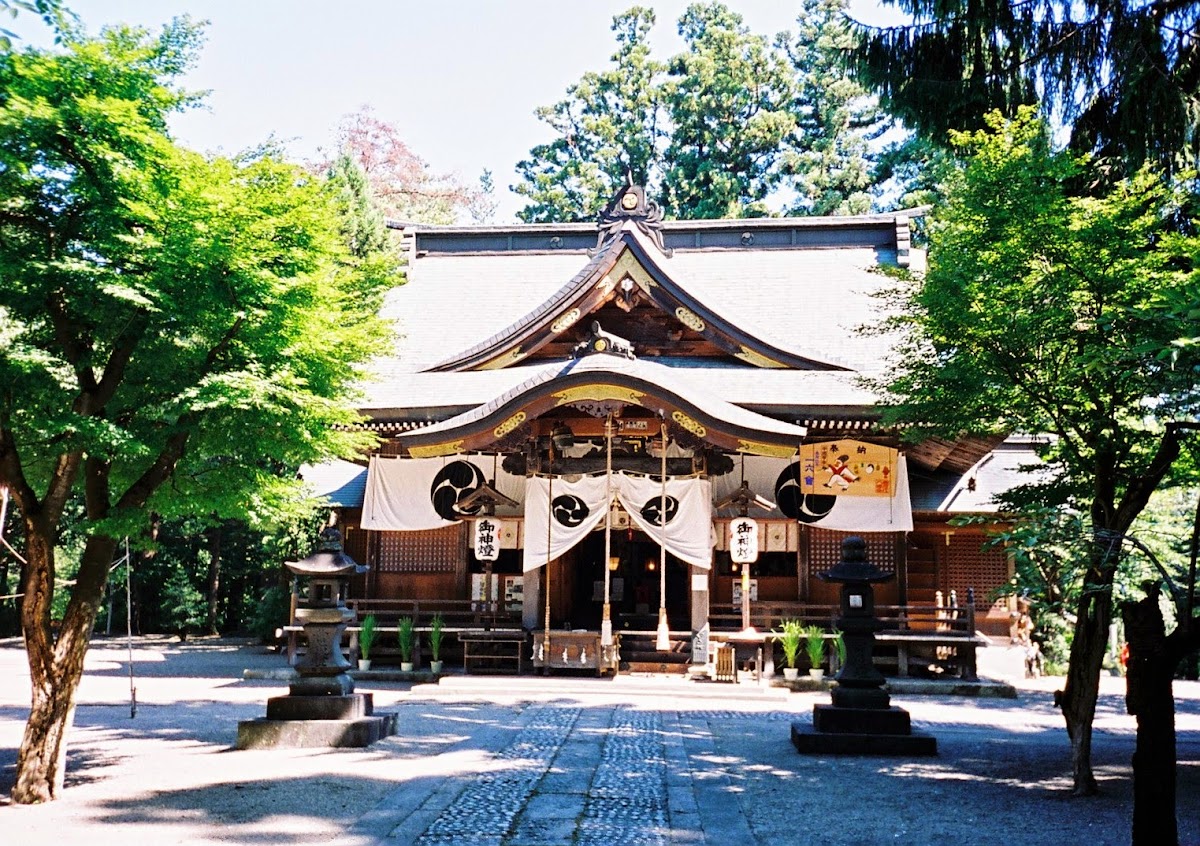
Within the temple grounds, in addition to the main hall, there are pathways, stone monuments, and lanterns, maintaining a well-ordered space. Especially from spring to early summer, visitors can enjoy a beautiful landscape harmonizing with the surrounding nature.
Kannon Bodhisattva Worship
As the name Kannon-ji (Kannon Temple) suggests, the principal deity is likely Kannon Bodhisattva, and Kannon worship is central to the temple. Kannon Bodhisattva, a compassionate Buddha who relieves the suffering of all sentient beings, has been widely worshipped throughout Japan.
In particular, pilgrimages to Kannon Bodhisattva sites, such as the “Thirty-Three Kannon Pilgrimage” and the “Saigoku Thirty-Three Kannon Pilgrimage,” became popular from the medieval period onward, and Kannon pilgrimage sites were formed throughout the country. Kannon-ji is also thought to have served as a center of Kannon worship in the region, receiving the prayers of many people.
Seasonal Scenery
Sagae City is a region with distinct seasonal changes, and the grounds of Kannonji Temple also display different appearances with each season.
- Spring: Cherry blossoms and plum blossoms adorn the temple grounds, and the fresh greenery is beautiful.
- Summer: Surrounded by deep green, the temple becomes a tranquil space filled with the sound of cicadas.
- Autumn: Autumn leaves color the temple grounds, creating a calm atmosphere.
- Winter: Covered in snow, the temple grounds present a solemn and mystical landscape.
Goshuin (Temple Seal) and Visiting Information
About Goshuin
In recent years, “Goshuin collecting” (collecting temple seals) has become popular, but it is recommended to check in advance regarding the issuance of Goshuin at Kannonji Temple. Smaller temples may not have resident monks, or may only offer Goshuin on specific dates and times.
When receiving a Goshuin (temple stamp), please note the following:
- Prior Contact: If possible, confirm by phone or other means beforehand.
- After Visiting: Always complete your visit before receiving the Goshuin.
- Goshuincho (Stamp Book): Prepare a dedicated Goshuincho.
- Offering: Generally, prepare around 300 to 500 yen.
- Manners: Be quiet and respectful.
Visiting Hours and Admission Fees
Generally, temple visiting hours are from sunrise to sunset. This is likely the case for Kannonji Temple as well, but it is recommended to check the specific hours on-site or inquire in advance.
Regarding admission fees, regular visits are often free, but separate fees may be required for special viewings or viewing of treasures.
Annual Events and Memorial Services
Temples hold various events and memorial services throughout the year. Kannonji Temple may also hold the following events:
- New Year’s Day: Shusho-e (New Year’s Buddhist service)
- Spring and Autumn Equinox: Higan-e (Equinox service)
- Obon: Urabon-e (Buddhist festival)
- Kannon Ennichi: 18th of every month (Kannon Bodhisattva’s festival day)
If you wish to participate in a specific event, it is recommended that you check with the temple in advance.
Access and Surrounding Information
Access by Public Transportation
By Train and Bus:
- Get off at Sagae Station on the JR Aterazawa Line
- Approximately 30 minutes from Yamagata Station on the Aterazawa Line
- Take a taxi or walk from the station (depending on distance)
- Local Bus
- Use local buses operating within Sagae City
- Walk from the nearest bus stop
Please note that public transportation is limited in some areas of Sagae City, so it is recommended that you check timetables and routes in advance.
Access by Car
Access from Major Roads:
- From Sagae IC on the Yamagata Expressway
- Towards the city center
- Travel time varies depending on traffic conditions
- National Route 112 and National Route 287
- Accessible from major arterial roads within the city
Parking: Availability of dedicated parking varies depending on the size of the temple. It is recommended to check before visiting.
Nearby Tourist Attractions
Sagae City and the surrounding area have many other attractions besides Kannonji Temple:
Jionji Temple (Jionji area, Sagae City)
A representative ancient temple of the Tohoku region, it houses numerous nationally important cultural properties. Magnificent buildings such as the main hall and the three-story pagoda remain, and there is a wealth of cultural assets such as Buddhist statues and paintings. Visiting it together with Kannonji Temple will allow you to gain a deeper understanding of the Buddhist culture of this region.
Cherry Picking (Mid-June to Early July)
Sagae City is known as the “Village of Cherries,” and you can enjoy cherry picking in early summer. There are many tourist farms where you can savor fresh cherries.
Sagae Hachimangu Shrine
This shrine is revered as the guardian shrine of Sagae, and traditional events such as Yabusame (mounted archery) are held here.
Mogami River
The Mogami River, one of Japan’s three major rapid rivers, flows near Sagae City. You can enjoy boat trips and the scenery along the river.
History and Culture of Sagae City
Regional Development
Sagae City is located at the confluence of the Mogami River and its tributary, the Sagae River, and has flourished as a transportation hub since ancient times. In the Middle Ages, it developed as a castle town ruled by the Sagae clan, and during the Edo period, it was a thriving commercial center due to its importance as a river and land transportation hub.
Culture and Industry
Modern Sagae City is known as a “Fruit Village,” with a thriving fruit cultivation industry, particularly for cherries. During the cherry season from June to July, many tourists from all over Japan visit.
Traditional festivals and events are also preserved; local events such as the “Sagae Festival” feature portable shrines and floats parading through the town, creating a lively atmosphere.
Manners and Etiquette for Visiting Temples
Basic Manners for Visiting Temples
When visiting Kannonji Temple, please observe the following basic manners:
- Attire: Dress modestly and cleanly.
- Quietness: Be quiet on the temple grounds and refrain from loud conversations.
- Photography: Do not take photographs in areas where photography is prohibited. Even if permitted, remember to be considerate of other worshippers.
- Offering Money: Offer a sincere and reasonable amount.
- Praying with Clasped Hands: Bow once in front of the main hall, then clasp your hands together and pray quietly.
Etiquette for Worship
The general etiquette for worshipping at a temple is as follows:
- Bow at the Temple Gate: Bow before entering the temple grounds.
- Purify at the Water Basin: Purify your hands and mouth (if there is a water basin).
- Worship in Front of the Main Hall:
- Bow slightly.
- Quietly offer your money.
- Clasp your hands together and pray silently.
- Bow and leave.
- Walk Quietly Around the Temple Grounds: Be considerate and avoid disturbing other worshippers.
- Bow Upon Exit: Bow towards the temple grounds when leaving the temple gate.
Points to Note When Visiting Kannonji Temple
Season and Weather
Yamagata Prefecture is a region with heavy snowfall in winter. Especially from December to March, roads may be frozen or covered in snow, making access difficult. If visiting in winter, please note the following:
- Winter Tires: Studded tires are essential if visiting by car.
- Cold Weather Protection: Prepare sufficient warm clothing.
- Allow Extra Time: Consider that traffic conditions may cause delays.
Contact Information Confirmation
Small temples may not have resident monks or may only be open on specific dates and times. If visiting from afar, it is strongly recommended to contact and confirm in advance.
Accommodation near Kannonji Temple
There are various types of accommodations in Sagae City and the surrounding area:
Hotels and Business Hotels
Business hotels and city hotels are scattered throughout Sagae City and the neighboring cities of Yamagata and Tendo. They are convenient as a base for sightseeing, and many offer reasonable prices.
Hot Spring Inns
Yamagata Prefecture is known as a treasure trove of hot springs, and there are hot spring resorts around Sagae City. Tendō Onsen, Kaminoyama Onsen, and Zaō Onsen are relatively close, allowing you to enjoy both sightseeing and hot springs.
Guesthouses and Pensions
There are also guesthouses and pensions with a homey atmosphere where you can enjoy dishes made with local ingredients. During cherry season, some accommodations offer packages that include fruit picking.
Summary: Enriching Your Visit to Kannonji Temple
Kannonji Temple in Sagae City, Yamagata Prefecture, is a valuable temple that conveys the history and faith of the region to the present day. While not large in scale, it is a place worth visiting as you can calm your mind in its tranquil grounds and offer prayers to Kannon Bodhisattva.
When planning your visit, keep the following points in mind:
- Prior Confirmation: Check in advance the visiting hours, whether or not Goshuin (temple stamps) are available, etc.
- Season Selection: Spring to autumn is recommended as it is easier to visit. Be careful of snow in winter.
- Nearby Sightseeing: Visit nearby tourist spots such as Jionji Temple and cherry picking.
- Access: Public transportation is limited, so using a car is convenient.
- Manners: Visit quietly and respectfully.
We hope that your visit to Kannonji Temple will be a time of peace and a valuable opportunity to experience Yamagata’s history and culture. Please come and experience the rich nature and historical heritage of Sagae City for yourself.