About Karasumori Shrine
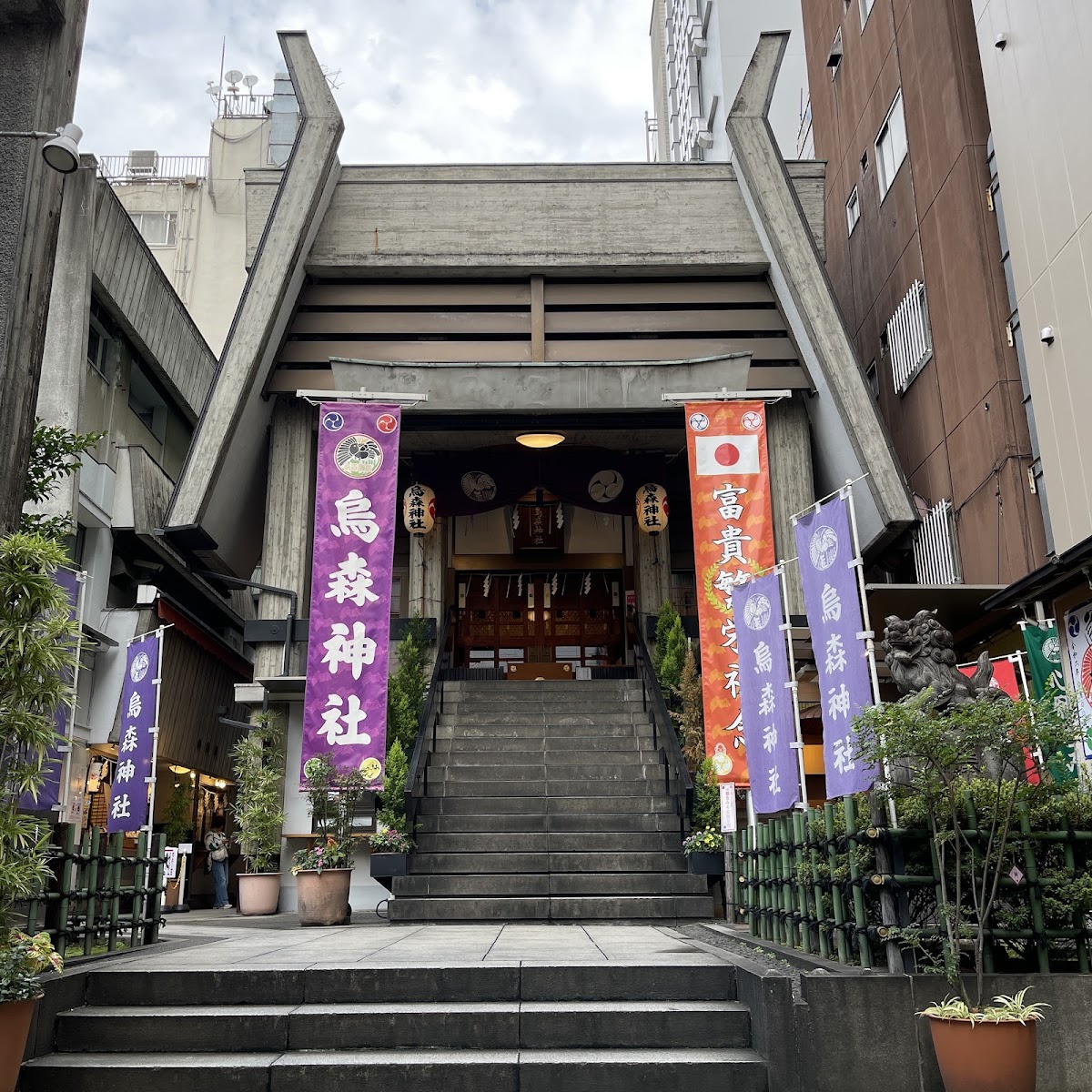
Karasumori Shrine is a shrine with a history of approximately 1000 years, located in Shimbashi, Minato-ku, Tokyo. Said to have been founded in the 10th century (mid-Heian period), it is a beloved oasis in the heart of the city, maintaining a tranquil atmosphere amidst the hustle and bustle of Shimbashi’s business district.
Its excellent accessibility, just a 2-minute walk from JR Shimbashi Station, makes it a popular destination for business people stopping by during their workdays and worshippers seeking colorful goshuin (shrine stamps).
History and Origins of Karasumori Shrine
Origin of Founding
According to shrine tradition, the shrine’s origins date back to 940 (Tenkei 3), when Fujiwara no Hidesato, who suppressed the rebellion of Taira no Masakado, prayed for victory. He founded the shrine at the spot where crows gathered around a pine tree. At that time, the area was called “Karasu no Mori” (Crow Forest), which became the origin of the shrine’s name.
From the Edo Period to the Present
During the Edo period, it was counted as one of the “Three Mori Shrines of Edo” along with “Sugimori Shrine” and “Yanagimori Shrine,” and attracted the faith of ordinary people. Although the shrine grounds have shrunk due to urban development since the Meiji era, it is still carefully preserved as the local guardian shrine.
Points to Note When Visiting
Colorful Goshuin (Shrine Seals)
The most distinctive feature of Karasumori Shrine is its vividly colored goshuin (shrine seals). In addition to the usual ink writing:
- Multi-colored goshuin available only during the annual festival (during the annual festival in May)
- Seasonal colored goshuin (New Year’s, Setsubun, etc.)
- Even during normal times, the goshuin feature a gorgeous design using multiple colors
These goshuin are particularly popular with female visitors for their “Instagrammable” appearance and have become a topic of discussion on social media. Multiple designs of goshuin notebooks are also available.
Wish-Fulfilling Fortune Slips
Another specialty of Karasumori Shrine is the “Wish-Fulfilling Fortune Slips.” The fortune slips are divided into multiple colors such as red, blue, yellow, and green, each with its own meaning:
- Red: Love and good relationships
- Blue: Work and academic success
- Yellow: Financial luck and business prosperity
- Green: Health and family safety
This unique system allows you to choose a color according to your wish, and the fortune slips themselves are adorned with vibrant designs.
The Grand Festival Held Every Two Years
The Grand Festival, held in May, is a grand festival held every two years (odd-numbered years) in which the main shrine’s portable shrine is carried in procession. The sight of the magnificent portable shrine, weighing approximately 1 ton, parading through the streets of Shinbashi is breathtaking, attracting many spectators. The shrine bearers are mainly local parishioners and company employees, creating a festival scene unique to the heart of the city.
Benefits and Deities
Deities
- Ukanomitama-no-Mikoto: Inari god, god of abundant harvests and business prosperity
- Ame-no-Uzume-no-Mikoto: Goddess of artistic and technical improvement
- Ninigi-no-Mikoto: Goddess of national security and industrial development
Main Benefits
- Business Prosperity and Success: Located in a business district, attracting many worshippers seeking improved career prospects.
- Prayers for Victory: Due to its founding history, it is believed to bring good luck in competitions and success.
- Artistic Improvement: As it enshrines Ame-no-Uzume-no-Mikoto, it is also visited by people in the performing arts.
- Love and Good Matchmaking: Popular among young women seeking the red fortune slips.
- Exorcism and Good Fortune: A comprehensive power spot in the heart of Tokyo for praying for good fortune.
Highlights of the Shrine Grounds
Main Hall
The main hall, though compact, maintains the traditional style of shrine architecture. Its beautiful presence harmonizes with the limited space in the heart of the city.
Shrine Office
The shrine office, where goshuin (shrine stamps) and amulets are given out, is bustling with worshippers. Especially during special times such as the annual festival and New Year’s, long lines can form.
Access and Visiting Information
Location
2-15-5 Shinbashi, Minato-ku, Tokyo 105-0004
Access Method
Train
- 2-minute walk from JR Shinbashi Station (Karasumori Exit)
- 3-minute walk from Tokyo Metro Ginza Line Shinbashi Station
- 3-minute walk from Toei Mita Line Uchisaiwaicho Station
- 3-minute walk from Yurikamome Shinbashi Station
Multiple train lines are available, boasting one of the best access points in Tokyo. ### Visiting Hours
- Open 24 hours
- Shrine Office: Weekdays 9:00 AM – 4:00 PM, Weekends & Holidays 9:00 AM – 5:00 PM (Hours may vary depending on the season)
- Goshuin (Shrine Stamp) Reception: During shrine office opening hours
Estimated Visiting Time
A regular visit takes about 10-15 minutes. If you plan to receive a Goshuin, it’s best to allow 30 minutes to an hour depending on the crowd.
Surrounding Area Information
The area around Shimbashi Station has plenty of restaurants, so you can eat or rest after your visit. Also, green spaces in the city center, such as Hamarikyu Gardens (10-minute walk) and Hibiya Park (8-minute walk), are nearby and can be incorporated into your walking route.
Summary
Karasumori Shrine is a unique shrine in the heart of the city, possessing both a 1000-year history and modern charm. With its unique offerings such as colorful goshuin (temple/shrine stamps) and fortune-telling slips in the color of your wishes, it has become popular with younger generations and also serves as a haven for business people. When you visit Shimbashi, be sure to stop by.