Complete Guide to Kasama Inari Shrine | Information on Goshuin (Shrine Seals), Benefits, and Access to One of Japan’s Three Great Inari Shrines in Kasama City, Ibaraki Prefecture
Kasama Inari Shrine, located in Kasama City, Ibaraki Prefecture, is a historic shrine that has long attracted worshippers as one of Japan’s three great Inari shrines. Approximately 3.5 million people visit annually, bustling with those praying for business prosperity and abundant harvests. This article provides a detailed explanation of everything you need to know before visiting Kasama Inari Shrine, including its history, benefits, worship methods, goshuin (shrine seals), access methods, and nearby tourist spots.
What is Kasama Inari Shrine? | History and Origins of One of Japan’s Three Great Inari Shrines
Over 1360 Years of History Since Founding
Kasama Inari Shrine is an ancient shrine boasting a history of over 1360 years, said to have been founded in 651 AD (Hakuchi 2). The enshrined deity is Ukanomitama-no-kami, and the shrine is believed to bring blessings such as abundant harvests, business prosperity, and family safety.
Originally called “Kurumigashita Inari,” it was revered as a place of prayer for successive lords of Kasama Castle. During the Edo period, its popularity spread among common people, and it became known as “Monzaburo Inari.”
Status as one of Japan’s Three Great Inari Shrines
Kasama Inari Shrine is counted as one of Japan’s Three Great Inari Shrines, alongside Fushimi Inari Taisha (Kyoto Prefecture) and Toyokawa Inari (Aichi Prefecture). However, there are various theories regarding Japan’s Three Great Inari Shrines, and different shrines are sometimes listed depending on the region. Nevertheless, Kasama Inari Shrine has established a firm position as a representative Inari shrine of the Kanto region.
It attracts particularly fervent devotion in the Kanto region, and many worshippers visit throughout the year, especially for New Year’s prayers. The shrine enjoys particularly strong devotion from businesspeople and managers, and corporate prayer ceremonies are frequently held there.
Benefits and Deities of Kasama Inari Shrine
About the Deity, Ukanomitama-no-Kami
Ukanomitama-no-Kami, the deity enshrined at Kasama Inari Shrine, is the god of food in Japanese mythology. “Uka” means grain or food, and this deity has been worshipped since ancient times by people involved in agriculture as the god of abundant harvests.
In Inari worship, this deity also came to be revered as the god of business prosperity, and in modern times, many worshippers visit the shrine to pray for business success.
Main Benefits
The main benefits that can be received at Kasama Inari Shrine are as follows:
Business Prosperity and Success
This is the most famous benefit, and many managers and businesspeople visit to pray for it. There is a constant stream of worshippers praying before opening a business or wishing for the development of their business. Abundant Harvest and Industrial Development Prayers can be offered for the development of agriculture and all other industries. Prayers for a bountiful harvest and thanksgiving for the harvest are also performed.
Family Safety and Protection from Misfortune Prayers can be offered for the health and safety of family members and protection from disaster. Many prayers for protection from misfortune during unlucky years are also performed.
Traffic Safety Car blessings and prayers for traffic safety are also accepted, and many visitors come when purchasing a new car.
Improvement in Performing Arts As one of the various blessings of Inari-sama, it is also possible to pray for improvement in performing arts.
Highlights and Praying Spots within the Shrine Grounds
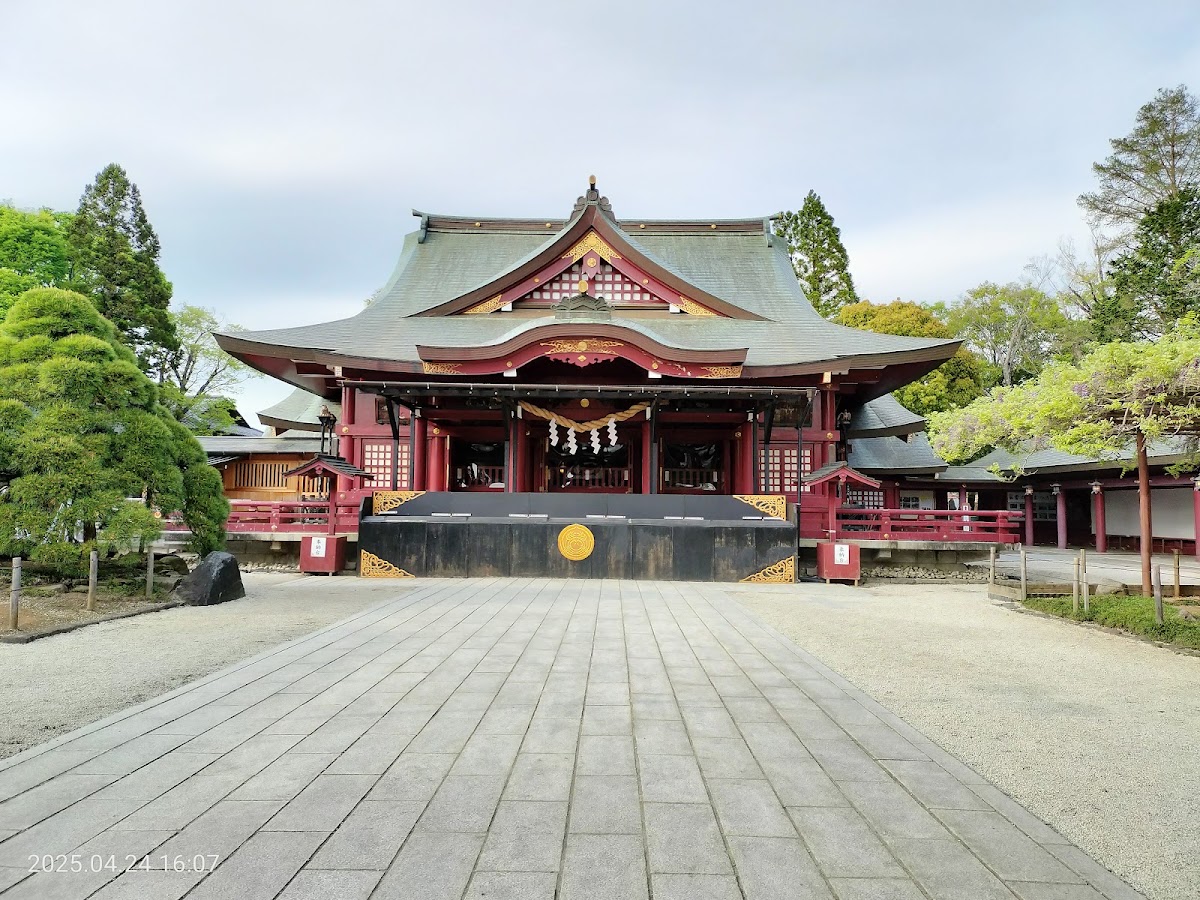
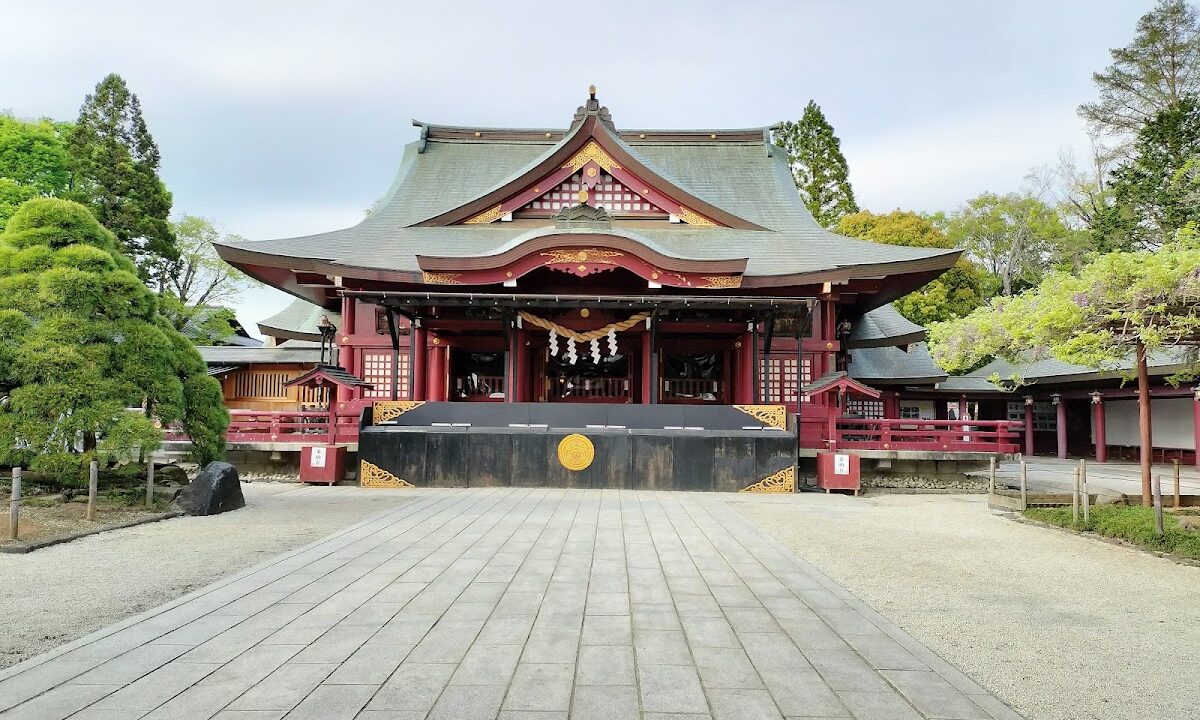
Main Hall and Worship Hall
The current main hall was rebuilt during the Ansei and Man’en periods (1854-1861) at the end of the Edo period, and adopts the Gongen-zukuri architectural style. This magnificent building, constructed entirely of zelkova wood and adorned with intricate carvings, is designated as an important cultural property of Ibaraki Prefecture.
The ceiling of the main hall features a dragon carving known as the “Eight-Directional Dragon,” a mysterious design that makes it appear as if the dragon’s eyes are meeting yours no matter which direction you view it from.
Tower Gate (Romon)
The vermilion tower gate, standing at the entrance to the shrine grounds, is a symbolic presence of Kasama Inari Shrine. This imposing gate, approximately 12 meters tall, bears the inscription “Kasama Inari” on its plaque. Passing through this gate leads you into the sacred grounds.
Nakamise Street
The path leading from the tower gate to the main shrine is lined with shops known as Nakamise Street. Shops selling Kasama’s famous inari sushi, soba noodles, and souvenirs line the street, adding to the enjoyment of your visit.
In particular, Kasama’s specialty, “Inari Sushi,” is a popular choice, with each shop competing to offer its own unique flavor, making taste comparisons a fun experience. Characterized by its sweet seasoning, it’s a popular souvenir for visitors.
Wisteria Trellis
Within the shrine grounds stands a wisteria tree said to be over 400 years old, where beautiful wisteria blossoms bloom from late April to early May. Known as “Yae-no-Fuji” (double-flowered wisteria), the sight of purple flower clusters hanging down over a meter is breathtaking.
During the wisteria blooming season, the “Wisteria Festival” is held, attracting many tourists. The wisteria is also illuminated at night, allowing visitors to enjoy a magical evening.
Chrysanthemum Festival
Held annually from mid-October to late November, the “Kasama Chrysanthemum Festival” is an autumn tradition at Kasama Inari Shrine. Approximately 10,000 chrysanthemum pots are displayed on the grounds, with large-flowered chrysanthemums, cascading chrysanthemums, and chrysanthemum dolls delighting visitors.
This is one of Japan’s largest chrysanthemum exhibitions, a traditional event that has continued since 1908 (Meiji 41), boasting a history of over 100 years.
Fox Mound
Numerous fox statues, symbols of Inari worship, are dedicated within the shrine grounds. In particular, the area known as “Fox Mound” features hundreds of stone fox statues, dedicated as thanks for wishes granted, creating a unique atmosphere.
Goshuin (Shrine Seals), Amulets, and Other Items
Goshuin Information
Kasama Inari Shrine offers not only regular goshuin but also seasonal limited-edition goshuin.
Regular Goshuin
Offering: 300 yen
This goshuin features the calligraphy and red seal of “Kasama Inari Shrine.” It is characterized by its powerful brushstrokes.
Limited-Edition Goshuin
During the Wisteria Festival, New Year’s, and Chrysanthemum Festival, special limited-edition goshuin with unique designs may be available. The offering fee is approximately 500 yen.
Goshuin (temple/shrine stamps) are available at the shrine office, usually from 9:00 AM to 5:00 PM. Waiting times may occur during busy periods such as New Year’s.
Popular Amulets and Items
Business Prosperity Amulet
This is the most popular amulet at Kasama Inari Shrine. Designed primarily in gold, it is used to pray for business success and prosperity.
Good Fortune Amulet
This amulet is for general good fortune and is made in auspicious colors such as red and gold.
Traffic Safety Amulet
There are also amulets that can be attached to cars and motorcycles, making them popular with drivers.
Matchmaking Amulet
This amulet is for those wishing for a good match and is especially popular with young women.
Sacred Talismans (Ofuda)
Sacred talismans for enshrining in homes and businesses are also available. They come in large, medium, and small sizes.
Ema (votive tablets)
You can write your wish on an ema with a fox illustration and dedicate it.
How to Worship and Manners
Correct Worship Etiquette
Worship at Kasama Inari Shrine follows the general etiquette for visiting shrines.
- Bow Before the Torii Gate
Before entering the shrine grounds, bow before the torii gate to signal your entry into the sacred area.
- Purify at the Water Basin
Purify your left hand, then your right hand at the water basin, then take water in your left hand and rinse your mouth. Finally, purify the handle of the ladle.
- Walking Along the Path
The center of the path is considered the path of the gods, so it is polite to walk along the sides.
- Offering a Coin
Quietly place your offering into the offering box. Throwing it in is considered disrespectful.
- Two Bows, Two Claps, One Bow
Bow deeply twice, clap your hands twice, silently recite your wish, and then bow deeply once more.
Attire for Visiting
For regular visits, no special attire is required, but clean and presentable clothing is preferred. If receiving a prayer service, please dress appropriately, not too casually.
About Prayers and Exorcisms
Types and Fees of Prayers
Kasama Inari Shrine offers various types of prayer services.
Main Types of Prayers
- Prayers for Business Prosperity
- Prayers for Family Safety
- Prayers for Protection from Evil
- Prayers for Traffic Safety
- Prayers for Success in Exams
- Prayers for Safe Childbirth
- First Shrine Visit for a Newborn
- Shichi-Go-San Ceremony
- Groundbreaking Ceremony
- New Car Blessing
Offering Fee
5,000 yen and up (varies depending on the type of prayer)
How to Request a Prayer
Reservations are not required for prayers; same-day registration is possible. Fill out the prayer application form at the shrine office and pay the offering fee.
Registration hours are usually 9:00 AM to 4:30 PM, but times may change during the New Year period and on special days, so it is recommended to check in advance.
The prayer takes approximately 20-30 minutes.
Annual Events and Festivals Calendar
Kasama Inari Shrine holds various festivals throughout the year. ### Main Annual Events
January
- January 1st-3rd: First Shrine Visit of the Year (Especially crowded during the first three days of the New Year)
- January 3rd: Genshisai Festival
February
- February 3rd: Setsubun Festival (Bean-throwing ceremony)
- February’s First Horse Day: Hatsuumasai Festival (Inari Shrine’s most important festival)
April-May
- Late April-Early May: Wisteria Festival
June
- June 30th: Great Purification Ceremony (Summer Purification Ceremony)
September
- Mid-September: Grand Festival (Most grand annual festival)
October-November
- Mid-October-Late November: Chrysanthemum Festival
November
- Around November 15th: Shichi-Go-San Festival (Crowded period)
- November 23rd: Niiname-sai (Harvest Festival)
December
- December 31st: Oharae-shiki (New Year’s Eve Purification Ceremony), Joya-sai (New Year’s Eve Festival)
Crowding during New Year’s Visit
Kasama Inari Shrine is one of Ibaraki Prefecture’s leading New Year’s visit spots, attracting approximately 800,000 visitors during the first three days of the year.
Busiest Times
- January 1st, 0:00~3:00 (New Year’s Eve visit)
- January 1st~3rd, 10:00~15:00
To avoid crowds, visiting early in the morning (6:00~8:00) or in the evening (after 16:00) is recommended. Alternatively, visiting after January 4th, avoiding the first three days of the year, is also an option.
Access Information | Train, Car, and Parking Information
Basic Information
Address
1 Kasama, Kasama City, Ibaraki Prefecture 309-1611
Phone Number
0296-73-0001
Visiting Hours
Grounds are freely accessible (Shrine office is open from 9:00 to 17:00)
Access by Train
Using the JR Mito Line
- Get off at JR Mito Line “Kasama Station,” approximately 20 minutes on foot
- Or, take the Kasama Community Bus from Kasama Station for approximately 5 minutes, get off at the “Inari Shrine” bus stop.
From Tokyo
- Approximately 90 minutes from Tokyo Station to Tomobe Station via the Ueno-Tokyo Line
- Transfer to the JR Mito Line at Tomobe Station, approximately 5 minutes to Kasama Station
From Ibaraki Airport
- Approximately 30 minutes from Ibaraki Airport to Ishioka Station by local bus
- From Ishioka Station, take the JR Joban Line to Tomobe Station (approximately 15 minutes).
- From Tomobe Station, take the JR Mito Line to Kasama Station (approximately 5 minutes).
Access by Car
Using the Joban Expressway
- Approximately 10 minutes (approx. 5 km) from Tomobe Interchange
- Approximately 15 minutes (approx. 7 km) from Iwama Interchange
- Same from the Kita-Kanto Expressway “Tomobe Interchange”
From Tokyo
Travel time: Approximately 90-120 minutes (may vary depending on traffic conditions)
Car Navigation Settings
Phone Number: 0296-73-0001
Address: 1 Kasama, Kasama City, Ibaraki Prefecture
Parking Information
Kasama Inari Shrine has multiple parking lots for visitors.
Shrine-Specific Parking
- Capacity: Approximately 300 cars
- Fee: Free
- Location: Several locations scattered around the shrine
Important Notes
- It gets extremely crowded during the first three days of the New Year, the Wisteria Festival, and the Chrysanthemum Festival.
- Temporary parking lots may be opened during peak times.
- Consider using nearby paid parking lots during peak seasons.
- There are also municipal parking lots in Kasama City (paid).
Parking Strategies During Peak Seasons
- Aim for early morning visits.
- Consider using public transportation.
- Use parking lots around Kasama Station and travel on foot or by bus.
Nearby Tourist Attractions
Kasama City has many attractive tourist spots besides Kasama Inari Shrine.
Kasama Art Forest Park
This vast park is located about 5 minutes by car from Kasama Inari Shrine. It is home to a concentration of art and cultural facilities, including the Ibaraki Prefectural Ceramic Art Museum and Kasama Craft Hill.
Highlights
- Ibaraki Prefectural Ceramic Art Museum: Exhibits ceramic works from Japan and abroad
- Kasama Craft Hill: A facility where you can experience pottery making
- Vast lawn area: Perfect for picnics
Kasama Pottery Kiln Tour
Kasama City is a town known for its ceramics, specifically “Kasama ware.” There are approximately 300 kilns and galleries in the city where you can purchase works and experience pottery making.
Recommended Experiences
- Electric pottery wheel experience
- Hand-building pottery experience
- Painting experience
Kasama Nichido Museum of Art
This museum houses modern and contemporary art works from Japan and abroad. Its palette collection, in particular, is rare worldwide, displaying palettes used by famous painters.
Access
Approximately 10 minutes on foot from Kasama Inari Shrine
Notoishi Rock on Mt. Sabashiro
Mt. Sabashiro, where the ruins of Kasama Castle are located, has a giant, strangely shaped rock called “Notoishi Rock.” From the summit, you can enjoy a panoramic view of Kasama city, and it’s a popular hiking course. Estimated Time Required Approximately 30 minutes on foot from the trailhead to the summit.
Kitayama Park
This park, covering approximately 3 hectares, boasts about 2,000 irises in full bloom. It’s bustling with tourists during the “Iris Festival” from mid-to-late June.
Access Approximately 15 minutes by car from Kasama Inari Shrine.
Gourmet & Souvenir Information
Kasama Specialty Gourmet
Inari Sushi A specialty of the area in front of Kasama Inari Shrine. Each shop offers its own unique inari sushi, making it fun to compare different varieties. Characterized by its sweet flavor, it’s a popular souvenir for visitors.
Kasama Soba Kasama City is one of Ibaraki Prefecture’s leading soba-producing areas. At the soba shops in front of the shrine, you can enjoy “three-fresh soba”—freshly ground, freshly made, and freshly boiled.
Chestnut Dishes
Kasama City is known as a chestnut producing area. In autumn, the number of restaurants offering chestnut dishes such as chestnut rice, chestnut sticky rice, and chestnut paste increases.
Kasama Local Sake
There are sake breweries in the city, and you can purchase locally produced sake. It’s a popular souvenir.
Recommended Souvenirs
Kasama Pottery
You can purchase a variety of Kasama pottery, from tableware to vases and sculptures. Perfect for yourself or as a gift.
Inari Sushi (Takeaway)
Vacuum-packed Inari sushi is a popular souvenir.
Kasama Chestnut Sweets
Many Japanese and Western sweets made with chestnuts are sold. Chestnut dorayaki and chestnut yokan are classic choices.
Sacred Sake
The sacred sake from Kasama Inari Shrine is a popular souvenir as a lucky charm.
Accommodation Information
There are various types of accommodations in and around Kasama City.
Accommodation in Kasama City
Ryokan/Hotel
There are several ryokan (traditional Japanese inns) and business hotels in Kasama City, offering convenient access to Kasama Inari Shrine.
Hot Spring Ryokan
“Kasama Onsen,” located about 20 minutes away by car, has ryokan where you can enjoy hot springs.
Accommodation in Surrounding Areas
Mito City
Mito City, about 30 minutes away by car, has numerous hotels and business hotels. The area around Mito Station also has plenty of restaurants.
Tsukuba City
Tsukuba City, about 40 minutes away by car, is another accommodation option. It offers convenient access to Tokyo via the Tsukuba Express.
Frequently Asked Questions (FAQ)
How long does a visit take?
A typical visit takes about 30 minutes to 1 hour. If you plan to stroll around the grounds or purchase souvenirs on Nakamise Street, allow 1.5 to 2 hours. If you wish to receive a prayer service, an additional 30 minutes to 1 hour will be required.
When is the best time to visit to avoid the crowds during the New Year’s visit?
To avoid the crowds during the first three days of the New Year, it is recommended to visit early in the morning (6:00-8:00) or in the evening (after 16:00). It is also relatively less crowded after January 4th. Visiting during the “Matsunouchi” period (until January 7th) still has the significance of a New Year’s visit.
Are pets allowed?
Small dogs and other pets are allowed to stroll around the temple grounds, but consideration for other visitors is required, such as carrying them or keeping them in a carrier bag. Pets are prohibited inside the main hall. It is also recommended to refrain from visiting with pets during crowded times.
Is it possible to visit in a wheelchair?
The temple grounds are generally barrier-free, and wheelchair access is possible. There is a ramp from the parking lot to the main hall. However, there are some areas with steps, so it is recommended to visit with an assistant. You can contact the shrine office in advance to discuss support options.
Do you sell Goshuincho (stamp books)?
Yes, we sell original Goshuincho at the shrine office. Prices range from approximately 1,500 to 2,000 yen. Several designs are available, and seasonal designs are sometimes offered.
When is the best time for Shichi-Go-San (7-5-3) visits?
The busiest time for Shichi-Go-San visits is around November 15th, but we accept visitors anytime from mid-October to early December. To avoid crowds, weekdays in November (excluding weekends and holidays) are recommended. October and early December are also relatively less busy.
Is photography allowed?
General commemorative photos are permitted within the shrine grounds. However, photography inside the main hall and during prayers is prohibited. Please be considerate of other visitors. Commercial photography and professional photography using tripods require prior permission.
Is photography allowed?
Are there any places to eat nearby?
There are several restaurants, including soba noodle shops, diners, and cafes, along Nakamise Street and in the temple town. Many of them serve Kasama’s specialty inari sushi and soba noodles, making them convenient for a meal after visiting the shrine. However, it gets crowded during the New Year period and festivals, so it is recommended to visit with plenty of time to spare.
Summary | Points to remember when visiting Kasama Inari Shrine
Kasama Inari Shrine is one of Japan’s three major Inari shrines, with a history of over 1360 years, and is a representative shrine of Ibaraki Prefecture, known for its blessings of business prosperity and abundant harvests.
Points to Note When Visiting
- A must-visit shrine if you wish to pray for business prosperity and success.
- The Wisteria Festival (late April to early May) and Chrysanthemum Festival (mid-October to late November) are particularly worth seeing.
- Enjoy local cuisine such as inari sushi and soba noodles on Nakamise Street.
- There are plenty of other sightseeing options in the surrounding area, including tours of Kasama ware pottery kilns and art facilities.
- Access by car is convenient, but be aware of congestion during New Year’s and festival periods.
When visiting Kasama City, Ibaraki Prefecture, be sure to include a visit to Kasama Inari Shrine in your itinerary. You’ll have a fulfilling day enjoying a visit to a historic shrine and experiencing Kasama’s culture, art, and cuisine.