Kifune Shrine (Hirakawa, Satsuma-cho, Satsuma-gun, Kagoshima Prefecture) | Complete Guide to Detailed Information, Access, and Deities
Kifune Shrine, located in Hirakawa, Satsuma-cho, Satsuma-gun, Kagoshima Prefecture, is a shrine that has been cherished as a center of local faith for centuries. As one of approximately 392 “Kifune Shrines” nationwide, it continues the tradition of water deity worship. This article provides a detailed explanation of Kifune Shrine, from its basic information and history to access methods and surrounding area information.
Basic Information on Kifune Shrine
This section provides basic information about Kifune Shrine, located in Satsuma-cho, Satsuma-gun, Kagoshima Prefecture. Please use this information when visiting or researching the shrine.
Location and Contact Information
Address: 1785-1 Hirakawa, Satsuma-cho, Satsuma-gun, Kagoshima Prefecture 895-1807
Corporate Number: 4340005003811
Kifune Shrine is located in the Hirakawa district of Satsuma-cho, Satsuma-gun, and functions as a shrine that attracts the faith of local residents. The corporate number can be confirmed on the National Tax Agency’s corporate number publication site, and it is a formally registered religious corporation.
About the Deity
The name Kifune Shrine generally derives from the fact that it enshrines Takaokami-no-kami or Kuraokami-no-kami, who are generally considered water deities. Many Kifune Shrines throughout Japan were established by inviting the deity from the Kifune Grand Shrine in Kyoto Prefecture, and have been revered as gods who govern the blessings of water.
Water is essential to life, especially agriculture, and in Kagoshima Prefecture, where rice cultivation is thriving, the worship of water deities is deeply intertwined with the prosperity of the region. Kifune Shrine is believed to offer divine blessings for rain, abundant harvests, and protection from water-related disasters.
Characteristics of the Shrine
Kifune Shrine in Satsuma Town, Satsuma District, Kagoshima Prefecture, is a small but historically significant shrine deeply rooted in the community. In the nationwide ranking of shrines with the same name, there are 392 Kifune Shrines, making it one of the relatively common shrine names.
Satsuma Town is located in the northern part of Kagoshima Prefecture and is blessed with abundant water resources from the Sendai River system. Given these geographical characteristics, it is natural that Kifune Shrine, which enshrines the water deity, became an object of local worship.
History and Origins of Kifune Shrine
National Background of Kifune Worship
The worship of Kifune Shrine is a water deity worship with the Kifune Grand Shrine, located in Sakyo Ward, Kyoto Prefecture, as its head shrine. The founding date of the main shrine is unknown, but it is believed to have existed before the relocation of the capital to Heian-kyo (Kyoto), and has been revered by the imperial court since ancient times.
Many Kifune Shrines throughout Japan were founded by inviting a divided spirit from this main shrine, and have functioned as places to pray for the blessings of water in their respective regions. Several Kifune Shrines exist within Kagoshima Prefecture, demonstrating the spread of water deity worship in different regions.
Water Deity Worship in Satsuma Town
The Satsuma region, including Satsuma Town, has long been a thriving agricultural area, and abundant water resources were essential, especially for rice cultivation. In this region, through which the Sendai River and its tributaries flow, the worship of a water deity naturally arose and developed.
The fact that Kifune Shrine is located in the Hirakawa district suggests a connection to water use and agriculture in this region. It is believed that local residents have visited Kifune Shrine for generations to pray for bountiful harvests and protection from water-related disasters.
How to Access Kifune Shrine
Access by Public Transportation
The following routes are common when using public transportation to Satsuma Town, Satsuma District, Kagoshima Prefecture:
Train: Take the JR Kyushu Hisatsu Orange Railway or Kyushu Shinkansen, then transfer to a local bus or taxi from the nearest station.
Bus: You can take a local bus from Kagoshima City, such as those operated by Nangoku Kotsu, towards Satsuma Town. However, since the Hirakawa area is located in a mountainous area within the town, you may need to walk or take a taxi from the bus stop.
Access by Car
Access by private car is the most convenient.
From Kagoshima City: Approximately 1 to 1.5 hours via National Route 328 or National Route 267.
Kyushu Expressway: The nearest interchanges are “Kagoshima Kita IC” or “Satsumasendai Miyako IC,” from which it’s approximately 30-40 minutes via local roads.
When using a car navigation system, entering the address “1785-1 Hirakawa, Satsuma-cho, Satsuma-gun, Kagoshima Prefecture” will display the accurate location.
Parking Information
As this is a small shrine, there may not be a large, dedicated parking lot. When visiting, please check the situation around the shrine and be considerate of the neighbors.
Aerial Photograph and Map Information of Kifune Shrine (1785-1 Hirakawa, Satsuma-cho, Satsuma-gun, Kagoshima Prefecture)
Understanding the Location
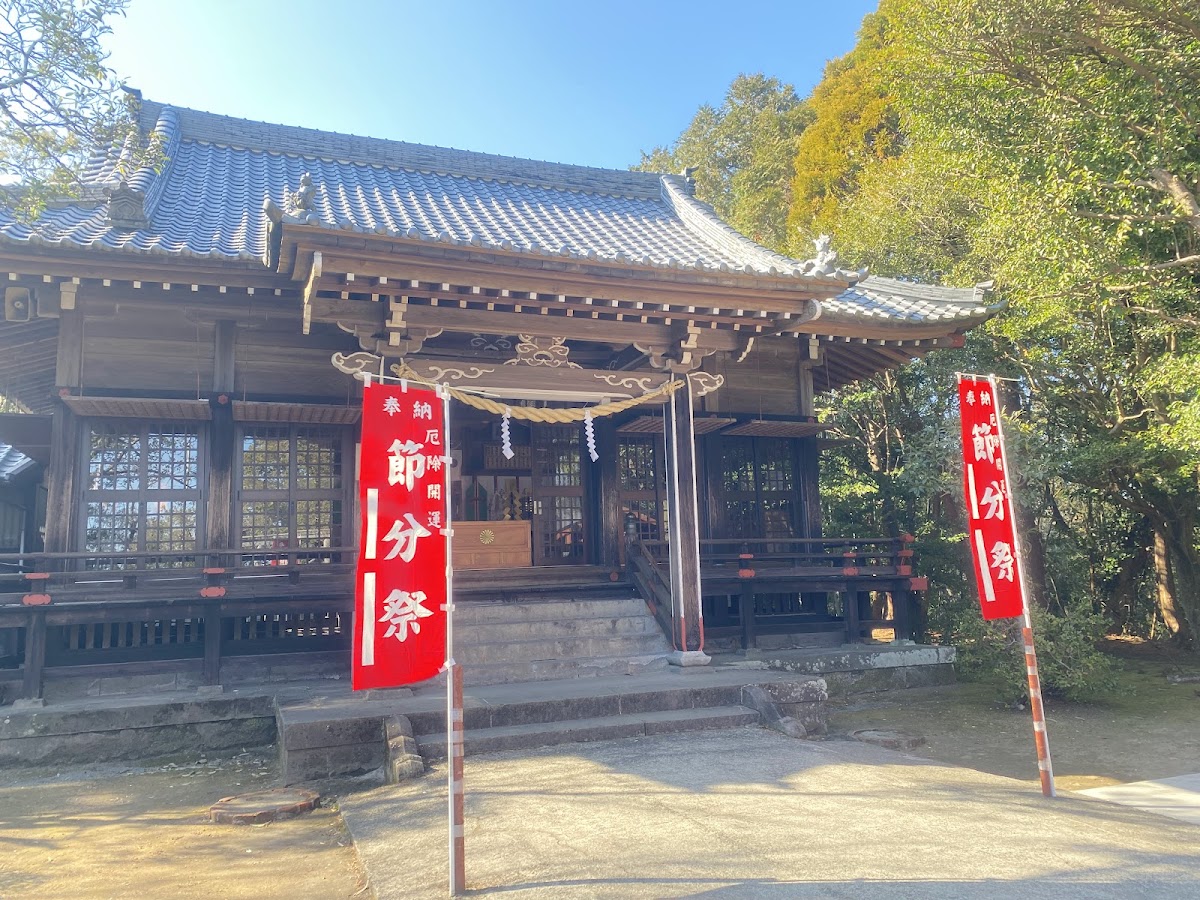
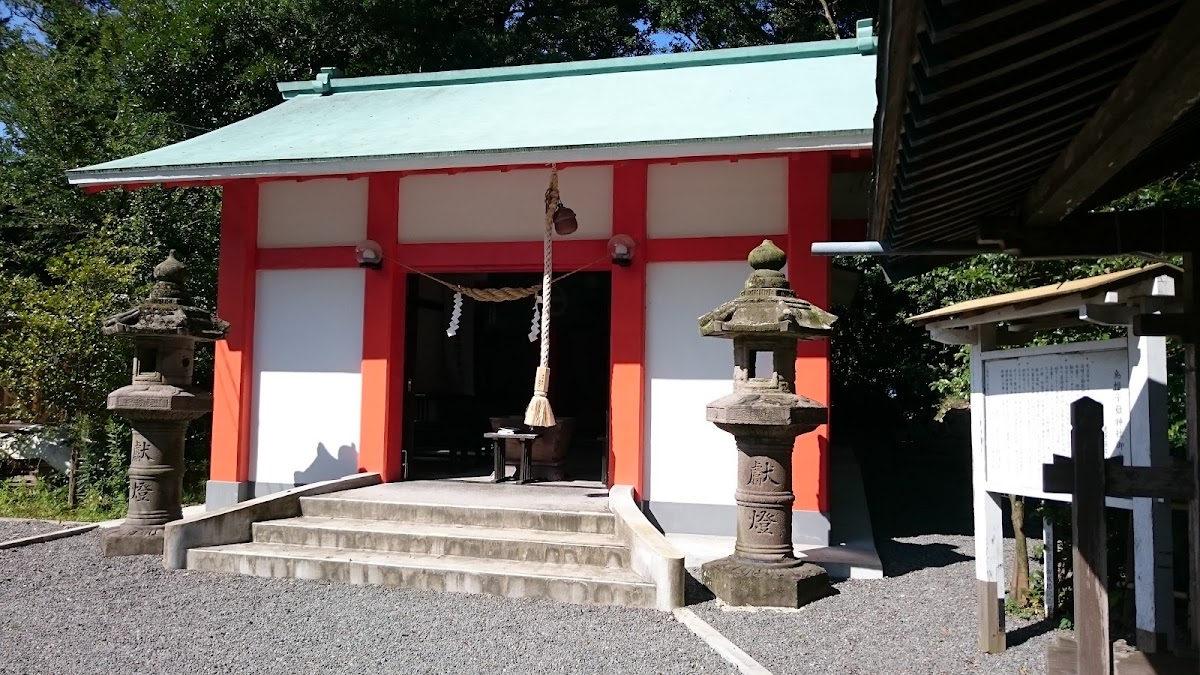
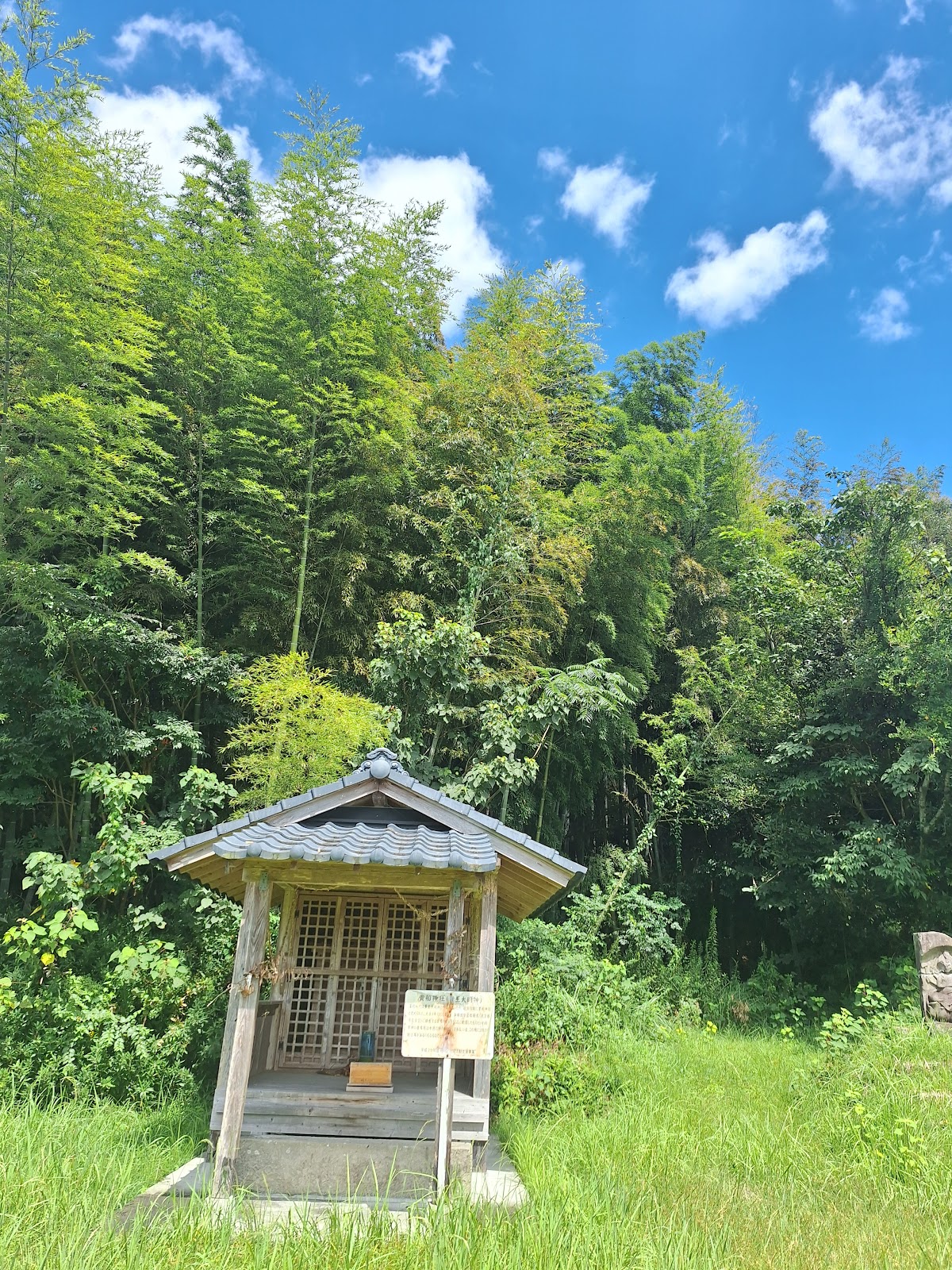
Kifune Shrine is located in the Hirakawa area of Satsuma-cho, Satsuma-gun, somewhat away from the town center. The surrounding area is rich in nature, a quiet location surrounded by forests and farmland.
You can find the exact location and surrounding geographical information by searching for “1785-1 Hirakawa, Satsuma-cho, Satsuma-gun, Kagoshima Prefecture” on online map services such as Google Maps or Yahoo! Maps. Switching to satellite imagery mode allows you to view the shrine grounds and surrounding environment from above.
Geographical Features
The Hirakawa area of Satsuma-cho is located in a mountainous region where a tributary of the Sendai River system flows. This topographical feature is thought to be one of the reasons why Kifune Shrine, dedicated to the water god, is located here. The clear water flow and lush natural environment further enhance the sacred atmosphere of the shrine.
Map and Tourist Information Around Kifune Shrine
Sightseeing Spots in Satsuma-cho
When visiting Kifune Shrine, we recommend also visiting other tourist spots in Satsuma-cho.
Miyanojo Onsen: A hot spring resort located in the heart of Satsuma Town, offering high-quality spring water. Perfect for relaxing after a pilgrimage.
Shio Shrine: One of Satsuma Town’s representative ancient shrines, situated at the foot of Mt. Shio.
Tsuruta Dam: A large-scale dam built on the Sendai River, surrounded by a rich natural landscape.
Surrounding Natural Environment
The Hirakawa area offers beautiful natural scenery throughout the seasons. Fresh greenery in spring, deep green in summer, vibrant autumn leaves, and tranquil mountain scenery in winter await visitors.
List of Nearby Shrines
Many shrines besides Kifune Shrine are located in Satsuma Town, Satsuma District, Kagoshima Prefecture, and the surrounding areas.
Major Shrines in Satsuma Town
Shio Shrine: A historic shrine known as the guardian shrine of Satsuma Town. Mt. Shio is considered its sacred object, and it has long been a center of local faith. Takeda Shrine: One of the historical shrines in Satsuma Town, cherished as a guardian deity of the region.
Suwa Shrine: Like all Suwa Shrines nationwide, this shrine enshrines Takeminakata-no-kami.
Shrines around Satsuma County
Satsuma County currently consists only of Satsuma Town, but many shrines also exist in the neighboring cities of Satsumasendai and Isa.
Nitta Shrine (Satsumasendai City): A prestigious shrine known as the Ichinomiya (first-ranked shrine) of Satsuma Province.
Kagoshima Jingu Shrine (Kirishima City): The Ichinomiya of Osumi Province, and one of the representative ancient shrines of Kagoshima Prefecture.
Comparison with Kifune Shrines Nationwide
Statistics of Kifune Shrines in All Prefectures
It is estimated that there are approximately 392 Kifune Shrines nationwide. Looking at the ranking of shrines by prefecture, Kifune Shrines are not concentrated in any particular region, but are widely distributed throughout the country.
This demonstrates the widespread need for water deity worship throughout Japan, deeply intertwined with Japanese culture rooted in agriculture.
Kifune Shrines in Kagoshima Prefecture
Besides the Kifune Shrine in Satsuma Town, there are several other Kifune Shrines in Kagoshima Prefecture. Each shrine has a form of worship tailored to the characteristics of its region and serves as a spiritual pillar for the local community.
Referring to a list of shrines by prefecture, Kagoshima Prefecture has one of the highest numbers of shrines in Japan, and its number of shrines per capita and per area is also relatively high.
Manners and Etiquette for Visiting Shrines
Basic Etiquette for Visiting Shrines
When visiting a shrine, please observe the following basic etiquette:
- Bow before passing through the torii gate: This is a sign of respect when entering the sacred area.
- Walk along the edge of the approach to the shrine: The center is considered the path for the gods.
- Purifying at the Water Basin: Purify your left hand, then your right hand, and then your mouth.
- Worship at the Main Hall: The basic procedure is two bows, two claps, and one bow.
Considerations at Small Shrines
At small local shrines like Kifune Shrine, there may not be a resident priest. If you wish to receive a Goshuin (shrine stamp) or amulet, you should check in advance. Also, it is important to respect that these are places of worship for local residents and to worship quietly.
History and Culture of Satsuma Town
Formation of Satsuma Town
Satsuma Town is a relatively new municipality, formed in 2005 through the merger of Miyanojo Town, Tsuruta Town, and Satsuma Town. However, the history of this region is long, having developed as part of the ancient Satsuma Province.
Regional Traditions and Culture
The Satsuma region is an area where the history and culture of the Satsuma Domain remain strong. The spirit of the samurai and rural culture have merged to form a unique regional culture. Shrine worship, as part of this, is an important element supporting regional identity.
Significance of Water Deity Worship
Water Deity Worship in Japan
Water is the source of life and one of the most important resources in agricultural societies. Water deity worship is a form of faith that expresses gratitude for this precious water resource and prays for a stable water supply.
The deities Takaokami and Kuraokami, enshrined at Kifune Shrine, have been revered since ancient times as gods who bring rain and control river flows. Historically, prayers for rain were offered during droughts, and prayers for stopping heavy rains were offered.
Significance in Modern Times
Even in modern times, the importance of water resources remains unchanged. Amidst the increasing extreme weather events caused by climate change, water deity worship, which expresses gratitude for the blessings of water and prays for harmony with nature, is taking on new significance.
Corporate Number and Official Information of Shrines
About the Corporate Number System
Kifune Shrine’s corporate number, “4340005003811,” can be found on the corporate number disclosure website managed by the National Tax Agency. This system was introduced in 2015 with the aim of increasing corporate transparency.
Religious corporations are also subject to corporate number assignments, making it an important identification number for verifying official information about shrines.
Shrines as Religious Corporations
Most shrines are registered as religious corporations, and Kifune Shrine is a formal religious corporation. Basic information such as location and corporate name is officially managed through the corporate number.
Points to Note When Visiting
Seasonal Considerations
Spring/Summer: Insect repellent and sun protection are necessary. Be aware of weather changes due to the mountainous location.
Autumn/Winter: Sunset is early, so allow ample time for your visit. Don’t forget warm clothing in winter.
Consideration for the Community
The Hirakawa area is a quiet residential area. When visiting, please refrain from making noise and be considerate of parking. Let’s be mindful of respecting the lives of local residents.
Using Information on Smartphones
Sharing Location Information via QR Codes
Nowadays, it’s possible to share the location information of shrines using QR codes. By converting Google Maps location information into a QR code, you can easily check the shrine’s location on your smartphone.
When using QR codes on a smartphone, use a dedicated QR code reader app or your smartphone’s camera function. Scanning the code will directly launch a map app and start navigation.
Utilizing Online Maps
Before visiting, we recommend checking the shrine’s location and surrounding environment using online map services such as Google Maps or Yahoo! Maps. Using Street View allows you to understand the actual road conditions beforehand.
Linkage with National Shrine Databases
Temple/Shrine Search Systems
Several online databases exist that allow you to search for temples and shrines nationwide. These systems provide comprehensive lists of all Buddhist temples and all Shinto shrines, allowing users to search for specific shrines using full-text search functions.
Utilization of Statistical Information
Statistical information such as nationwide rankings of identical shrine names, rankings of shrines by prefecture, and rankings of shrines by city/ward/town/village are valuable data for understanding Japanese shrine culture. Knowing how widely a specific shrine name, like Kifune Shrine, is distributed throughout the country allows one to appreciate the breadth of its faith.
Shrine Culture in Kagoshima Prefecture
Characteristics of Shrines in Kagoshima Prefecture
Kagoshima Prefecture spans the ancient Osumi and Satsuma provinces, each with its own Ichinomiya (first-ranked shrine). A diverse range of shrines are located within the prefecture, each exhibiting unique forms of worship.
Due to the environment where natural forces such as volcanoes and hot springs are readily accessible, faith in nature deities remains strong.
Faith Culture in the Satsuma Region
In the Satsuma region, a unique form of faith developed, a fusion of samurai culture and rural culture. Shrines have historically served as centers of local communities, hosting festivals and annual events.
Recommendation for Visiting Kifune Shrine
A Tranquil Worship Experience
Kifune Shrine in Hirakawa, Satsuma-cho, Satsuma-gun, Kagoshima Prefecture, is a simple shrine that hasn’t been commercialized for tourism. Therefore, it offers a quiet and peaceful worship experience. Away from the hustle and bustle of the city, the time spent calming the mind in a natural environment will be a valuable experience for modern people.
Experiencing Local History
Visiting a small, local shrine is an excellent opportunity to connect with the history and culture of the area. Through Kifune Shrine, you can reflect on the water deity worship in Satsuma-cho and the lives of the local people.
Summary
Kifune Shrine, located in Hirakawa, Satsuma-cho, Satsuma-gun, Kagoshima Prefecture, is one of approximately 392 Kifune Shrines nationwide and is an important shrine that preserves the local water deity worship to this day.
The address is “1785-1 Hirakawa, Satsuma-cho, Satsuma-gun, Kagoshima Prefecture 895-1807,” and the corporate number is “4340005003811.” It is a publicly registered religious corporation. It enshrines the god who controls water and is believed to offer blessings for abundant harvests and protection from water-related disasters.
Access is most convenient by private car, approximately 1 to 1.5 hours from Kagoshima City. Nearby are other tourist attractions in Satsuma-cho, such as Miyanojo Onsen and Shio Shrine.
When visiting, please observe basic shrine etiquette and respect that this is a place of worship for local residents. It is a valuable place where you can experience traditional Japanese water deity worship in a peaceful environment.
Visiting this shrine along with other Kifune Shrines throughout Japan and other shrines in Kagoshima Prefecture will deepen your understanding of Japanese shrine culture. Why not visit and pray in peace while feeling the rich nature and history of Satsuma-cho?