Kifune Shrine (Tsuno, Soeda-machi, Fukuoka Prefecture) Complete Guide | History, Deities, Access, and Highlights Explained in Detail
Kifune Shrine, located in Tsuno, Soeda-machi, Tagawa-gun, Fukuoka Prefecture, is a historic shrine that has long been cherished by the local people. As one of the many Kifune Shrines throughout Japan, it enshrines the god of water and has attracted the faith of the local community. This article provides a detailed explanation of Kifune Shrine in Tsuno, Soeda-machi, including its history, enshrined deities, highlights within the grounds, access methods, and annual events—all useful information for visitors.
Basic Information on Kifune Shrine (Tsuno, Soeda-machi)
Location and Overview
Kifune Shrine is located in Tsuno, Soeda-machi, Tagawa-gun, Fukuoka Prefecture, and has long been revered as the local guardian deity. Soeda-machi is a naturally rich area located at the foot of Mt. Hiko in eastern Fukuoka Prefecture, and the Tsuno district is known as a historical settlement within it.
Basic Information
- Location: Tsuno, Soeda-machi, Tagawa-gun, Fukuoka Prefecture
- Deity: Takaokami-no-kami
- Shrine Rank: Village Shrine
- Founding: Details unknown (estimated to be before the Edo period)
About the Name of Kifune Shrine
It is said that there are approximately 500 shrines named “Kifune Shrine” throughout Japan. There are also multiple variations in spelling, such as “貴船,” “貴舩,” “貴布禰,” and “貴布祢,” with different spellings used in each region. The shrine in Tsuno, Soeda-machi, uses the spelling “貴船神社,” and is a descendant of the water deity worship tradition with the Kifune Shrine in Kyoto as its head shrine.
History and Origins of Kifune Shrine
History of Founding
The exact founding date of the Kifune Shrine in Tsuno, Soeda-machi, is unknown, but from local elders’ traditions and records, it has been confirmed that it already existed as a center of local faith in the mid-Edo period. The Tsuno district has long been a settlement centered on agriculture, and it is believed that the people’s faith in securing water sources and praying for abundant harvests led to their reverence for Kifune Shrine, which enshrines the water god.
Spread of Kifune Faith
Kifune faith spread throughout Japan, with Kifune Shrine in Kyoto as its head shrine. Since the Heian period, it has been historically considered an important deity of water, with the imperial court performing rain-making rituals. This faith spread to the Kyushu region, and Kifune Shrines were established in various locations.
It is presumed that the Kifune Shrine in Tsuno, Soeda Town, was also founded within this flow of Kifune faith, as a place to protect the local water sources and pray for agricultural prosperity. In Soeda Town, where the worship of Mount Hiko is prevalent, a unique form of faith has developed, fusing mountain worship and water deity worship.
Connections with the Community
The Kifune Shrine in the Tsuno district has played a role not merely as a religious facility, but also as a center of the local community. Annual events such as the autumn festival are important opportunities for local residents to gather together, serving as a place for intergenerational exchange.
Even during the Meiji era’s policy of consolidating shrines, the shrine survived as an independent shrine due to strong demands from local residents, and continues to be deeply revered as the guardian deity of the Tsuno district to this day.
Deity and Divine Virtues
Takaokami-no-kami
The deity enshrined at Kifune Shrine is Takaokami-no-kami. The character “龗” means dragon, and this deity has been worshipped since ancient times as a dragon god who controls water. In Japanese mythology, Takaokami-no-kami is said to be one of the gods born from the blood of Izanagi-no-Mikoto when he slew Kagutsuchi, the god of fire.
Takaokami-no-kami is revered as the god who controls the water sources of the mountains and as the god who brings rain, and has attracted particularly fervent devotion from people involved in agriculture and fishing.
Divine Virtues (Benefits)
The main divine virtues you can pray for at Kifune Shrine are as follows:
Divine Virtues Related to Water
- Abundant Harvest: Praying for a bountiful harvest of crops
- Rainmaking/Rain Stopping: Praying for appropriate rainfall
- Protection from Water-Related Disasters: Protection from water-related disasters
Other Divine Virtues
- Family Safety: Praying for the peace and well-being of family members
- Business Prosperity: Praying for the development of business
- Protection from Misfortune: Purifying oneself from misfortune
- Matchmaking: Finding a good partner (inheriting the faith of the head shrine, Kifune Shrine)
Especially for agricultural workers, water is a lifeline, and the right amount of rain at the right time was a matter of life and death. Therefore, Kifune Shrine has functioned as an important place of worship supporting local agriculture.
Highlights of the Shrine Grounds
Shrine Buildings
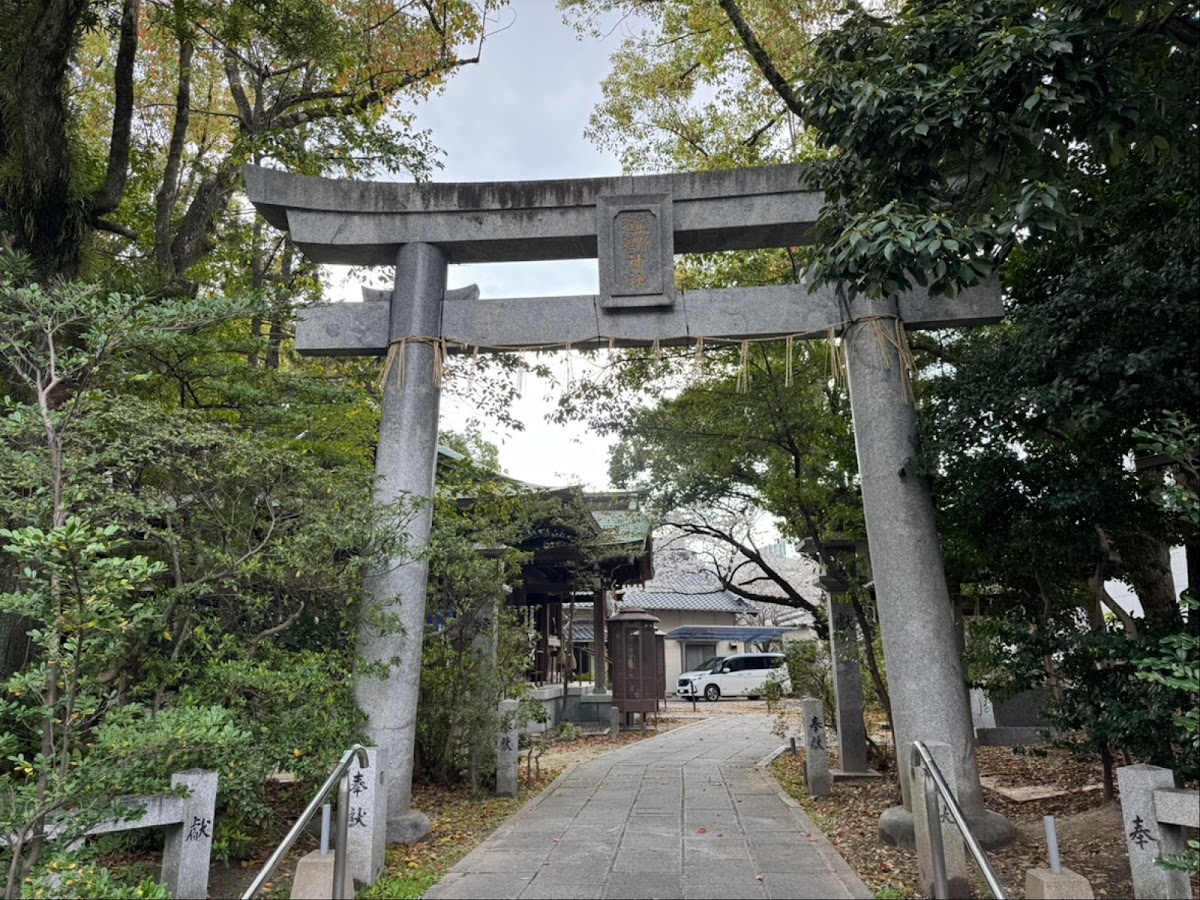
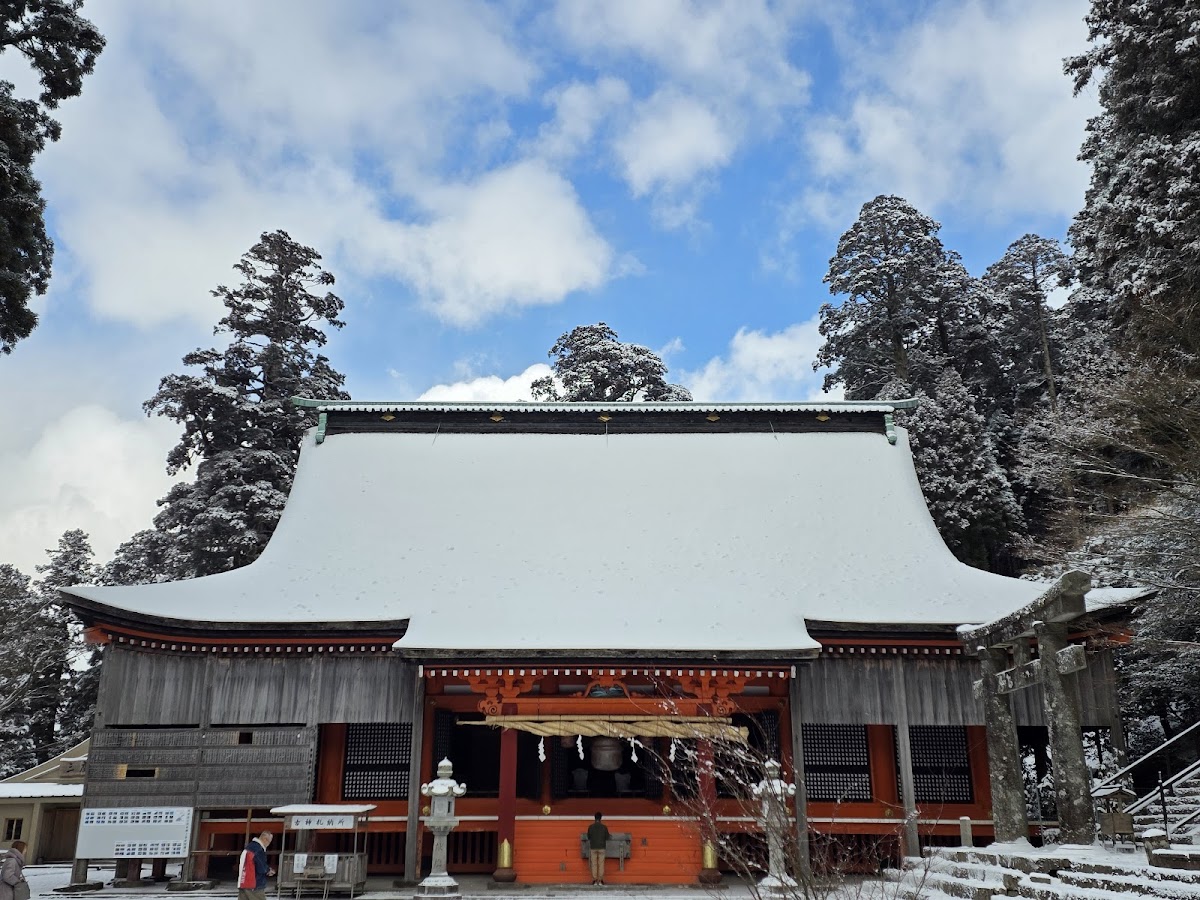
The shrine buildings of Kifune Shrine maintain the style of traditional shrine architecture. Although not large in scale, it is meticulously maintained by the local community, exuding a clean and solemn atmosphere.
The main shrine is protected by a protective structure, and worship is conducted from the worship hall. The wooden shrine building has a dignified appearance that reflects its age, quietly telling the story of the region’s history.
Nature within the Shrine Grounds
The shrine grounds are lush with ancient trees, allowing visitors to appreciate the beauty of nature throughout the seasons. Especially during the fresh greenery of spring and the vibrant autumn foliage, the grounds are enveloped in beautiful colors.
A clear stream flows around the shrine, maintaining an environment befitting a shrine dedicated to the water god. Worshippers appreciate the purifying effect of worshipping while listening to the sound of the water.
Stone Steps and Torii Gate
Stone steps lead to the shrine, and visitors pass through a torii gate before reaching the main shrine. Climbing the steps allows one to escape the hustle and bustle of everyday life and calm their minds in this sacred space.
The torii gate, though simple, possesses a dignified presence, reflecting the shrine’s history and the deep faith of the local community.
Water Basin
The water basin, where worshippers purify themselves before entering the shrine, is a particularly important facility for a shrine dedicated to the water deity. Pure water springs forth, and worshippers cleanse their minds and bodies before proceeding to the main shrine building.
Access Methods
Access by Car
The most convenient way to access Kifune Shrine in Tsuno, Soeda Town, is by car.
From Fukuoka City
- Approximately 1 hour 30 minutes via the Fukuoka Urban Expressway → Kyushu Expressway → Oita Expressway “Haki IC” → National Route 500
- Or approximately 1 hour 30 minutes via the Kyushu Expressway “Yahata IC” → National Route 201 and National Route 322
From Kitakyushu City
- Approximately 1 hour via the Kitakyushu Urban Expressway → Kyushu Expressway “Yahata IC” → National Route 201 and National Route 322
From Tagawa City
- Approximately 30 minutes via National Route 322
There are a few parking spaces around the temple grounds, but it may be crowded during festivals.
Access by Public Transportation
Using Trains and Buses
- Get off at Soeda Station on the JR Hitahikosan Line.
- From Soeda Station, take the Soeda Town Community Bus or a taxi towards Tsuno (approximately 15-20 minutes).
*Since the number of buses is limited, we recommend checking the timetable in advance.
Nearby Tourist Attractions
Soeda Town also has other attractive tourist attractions:
- Hikosan Shrine: One of Japan’s three major sacred sites of Shugendo (mountain asceticism)
- Iwaishi Castle Ruins: Ruins of a mountain castle from the Sengoku period
- Soeda Town Furusato Museum: A facility where you can learn about the history and culture of the region
By visiting these spots in conjunction with a visit to Kifune Shrine, you can gain a deeper understanding of the history and culture of Soeda Town.
Annual Events and Festivals
Spring Grand Festival
In spring, the Spring Grand Festival is held to pray for a bountiful harvest. This is an important Shinto ritual held before the start of full-scale farming work, praying for a bountiful harvest that year. Many worshippers, mainly local farmers, visit the shrine.
Autumn Grand Festival (Autumn Festival)
The Autumn Grand Festival, a celebration of gratitude for the autumn harvest, is the most grand of Kifune Shrine’s annual events. Traditional festival events, such as the procession of portable shrines and the performance of devotional arts, are held, and the entire community is enveloped in a festive atmosphere.
Children also participate, making it a place for intergenerational exchange. Through this festival, the region’s traditional culture is passed down to the next generation.
Monthly Festival
At the monthly festival, parishioners and devotees gather to pray for daily peace and the well-being of the community. Although small in scale, it is an important event demonstrating the continuity of faith in the community.
New Year’s Visit
At the start of the new year, many local residents visit the shrine for their first visit of the year. The shrine is bustling with worshippers praying for safety throughout the year, family security, and a bountiful harvest.
Etiquette and Manners for Visiting a Shrine
Basic Etiquette for Visiting a Shrine
When visiting Kifune Shrine, please observe the following basic etiquette:
- Bow before passing through the torii gate: This shows respect for entering the sacred area.
- Walk along the edge of the approach to the shrine: The center is considered the path for the gods.
- Purify yourself at the water basin:
- Hold the ladle in your right hand and purify your left hand.
- Switch the ladle to your left hand and purify your right hand.
- Hold the ladle in your right hand again, receive water in your left hand, and rinse your mouth.
- Purify your left hand.
- Hold the ladle upright and purify the handle.
- Worship at the main hall: Two bows, two claps, one bow
- Bow deeply twice.
- Clap your hands twice.
- Pray with sincerity.
- Bow deeply once.
Precautions During Your Visit
- Please be quiet within the shrine grounds and refrain from loud conversations.
- Please take your trash with you.
- Please only take photographs in designated areas.
- Please do not enter restricted areas such as the main shrine.
- Please check in advance whether pets are allowed.
About Goshuin (Shrine Seals) and Souvenirs
Goshuin (Shrine Seals)
Kifune Shrine may offer Goshuin. However, since there may not always be a resident priest, it is recommended that those wishing to receive a Goshuin check in advance.
Goshuin are proof of worship, not like a stamp rally. They are given as a memento after a heartfelt visit.
Souvenirs
Souvenirs such as amulets and talismans may be available at the shrine office. Amulets for protection against water-related disasters, family safety, and abundant harvests may be offered.
Kifune Shrine and Local Culture
History of the Tsuno District
The Tsuno district is one of the historically significant settlements in Soeda Town. For centuries, the area has been centered around agriculture, fostering a unique culture influenced by the Hikosan faith.
Kifune Shrine has served as a central hub of this regional culture, a spiritual anchor for the residents. Through festivals and annual events, a sense of community is cultivated, and traditional culture is passed down.
The Relationship Between Water and Agriculture
Soeda Town is located in a mountainous area, blessed with abundant forests and clear streams. This water resource supports agriculture and enriches the lives of the community.
The faith in the water deity enshrined at Kifune Shrine is not merely religious; it also reflects the community’s wisdom in recognizing the importance of water resources and wishing for coexistence with nature. Even today, this faith serves as a spiritual foundation for environmental conservation and sustainable community development.
Maintaining Local Communities
In rural areas facing depopulation, shrines play a crucial role in maintaining local communities. Kifune Shrine’s festivals provide an opportunity for people living far away to return to their hometown, fostering intergenerational exchange.
Local young people participate in the preparation and operation of the festival, fostering the continuation of tradition and a sense of attachment to the community.
Relationship with Kifune Shrines Nationwide
Head Shrine: Kifune Shrine (Kyoto)
The head shrine of all Kifune Shrines nationwide is Kifune Shrine, located in Sakyo-ku, Kyoto City. While its founding date is unknown, records of shrine reconstruction date back approximately 1300 years, making it one of Japan’s oldest shrines.
Revered by the imperial court as the god of water, rain-making and rain-stopping rituals were performed there during the Heian period. Furthermore, it is famous as a god of matchmaking, due to the anecdote that Izumi Shikibu visited the shrine to pray for marital harmony.
Kifune Shrines Nationwide
It is said that there are approximately 500 Kifune Shrines throughout Japan. The main variations in spelling are as follows:
- Kifune Shrine, Kifune Shrine, Kifune Palace: The most common spelling
- Kifune Shrine: A spelling using the character “舟” (fune)
- Kifune Shrine, Kifune Shrine: One of the older spellings
- Kifune Shrine: A spelling using the character “布祢” (fune)
- Kifune Shrine, Kifune Shrine: The official spelling of the main shrine
- Kifumi Shrine, Kifune Shrine: A spelling using the character “弥” (mi)
These differences in spelling are due to regional and historical variations in kanji usage, but all share a common religious foundation as shrines dedicated to the water god.
Kifune Shrines in Fukuoka Prefecture
There are several Kifune Shrines in Fukuoka Prefecture:
- Kifune Shrine (Meinohama, Nishi-ku, Fukuoka City): The tutelary shrine of the Meinohama area
- Kifune Shrine (Tsuno, Soeda-machi): The shrine introduced in this article
- In addition, there are small Kifune shrines scattered throughout the area.
Each shrine has its own form of worship tailored to the characteristics of its region and is closely connected to the lives of the residents.
Recommended Time of Visit
Spring (March-May)
Spring is a beautiful season of fresh greenery. The trees in the shrine grounds are budding, and you can feel an atmosphere full of vitality. During the spring festival, you can feel the prayers of the local people.
The weather is mild, making it a suitable time to visit.
Summer (June-August)
In summer, the greenery becomes denser, and the shrine grounds are covered in deep shade. As befits a shrine dedicated to the water god, a cool and refreshing atmosphere permeates the area.
While the rainy season brings frequent rain, visiting this shrine, dedicated to the worship of the water deity, on a rainy day offers a unique charm.
Autumn (September-November)
Autumn is the most recommended season. The autumn foliage is beautiful, and the Autumn Grand Festival offers a chance to experience local traditional culture.
It’s a fitting time for a visit, coinciding with the harvest season, and perfect for expressing gratitude.
Winter (December-February)
Winter is a quiet season for worship, with fewer visitors. The shrine becomes lively with locals during the New Year’s visit period.
Although the cold is severe, visiting in the crisp, clear air has a refreshing effect on both mind and body.
The Charms of Soeda Town
The Land of Hikosan Faith
Soeda Town is located at the foot of Mount Hikosan and has flourished as a center of mountain worship since ancient times. Mount Hikosan is one of Japan’s three major sacred sites of Shugendo (mountain asceticism), and many ascetics have visited for training.
The Kifune Shrine’s water deity worship and the Hikosan Mountain worship have merged to form a unique religious culture.
Blessings of Nature
Soeda Town is blessed with abundant nature, and its clear streams and forests create beautiful scenery. This natural environment supports agriculture and forestry and has nurtured the local lifestyle and culture.
Preservation of Traditional Culture
In Soeda Town, traditional culture such as Kagura (sacred dance) and festivals is still carefully preserved. Thanks to the efforts of the local people, these cultural traditions are being passed down to future generations.
Summary
Kifune Shrine, located in Tsuno, Soeda Town, Tagawa District, Fukuoka Prefecture, is not large in scale, but it is a historical shrine supported by the deep faith of the local people. It enshrines Takaokami-no-kami, the god of water, and has long served as a spiritual pillar of the community, a place where people pray for abundant harvests and family safety.
The shrine grounds are surrounded by nature, allowing visitors to experience the beauty of the four seasons. Annual events such as the Autumn Grand Festival offer a chance to experience local traditional culture, leaving a lasting impression on visitors.
When visiting Soeda Town, be sure to also visit Kifune Shrine, along with other tourist spots like Hikosan Jingu Shrine. You will be able to feel the history and culture of the region, as well as the depth of the people’s faith.
Taking time to calm your mind in the tranquil shrine grounds and praying for daily peace and happiness will be a valuable experience in today’s busy life. We hope that your visit to Kifune Shrine will be an opportunity to reaffirm your gratitude for the blessings of water and the importance of coexisting with nature.