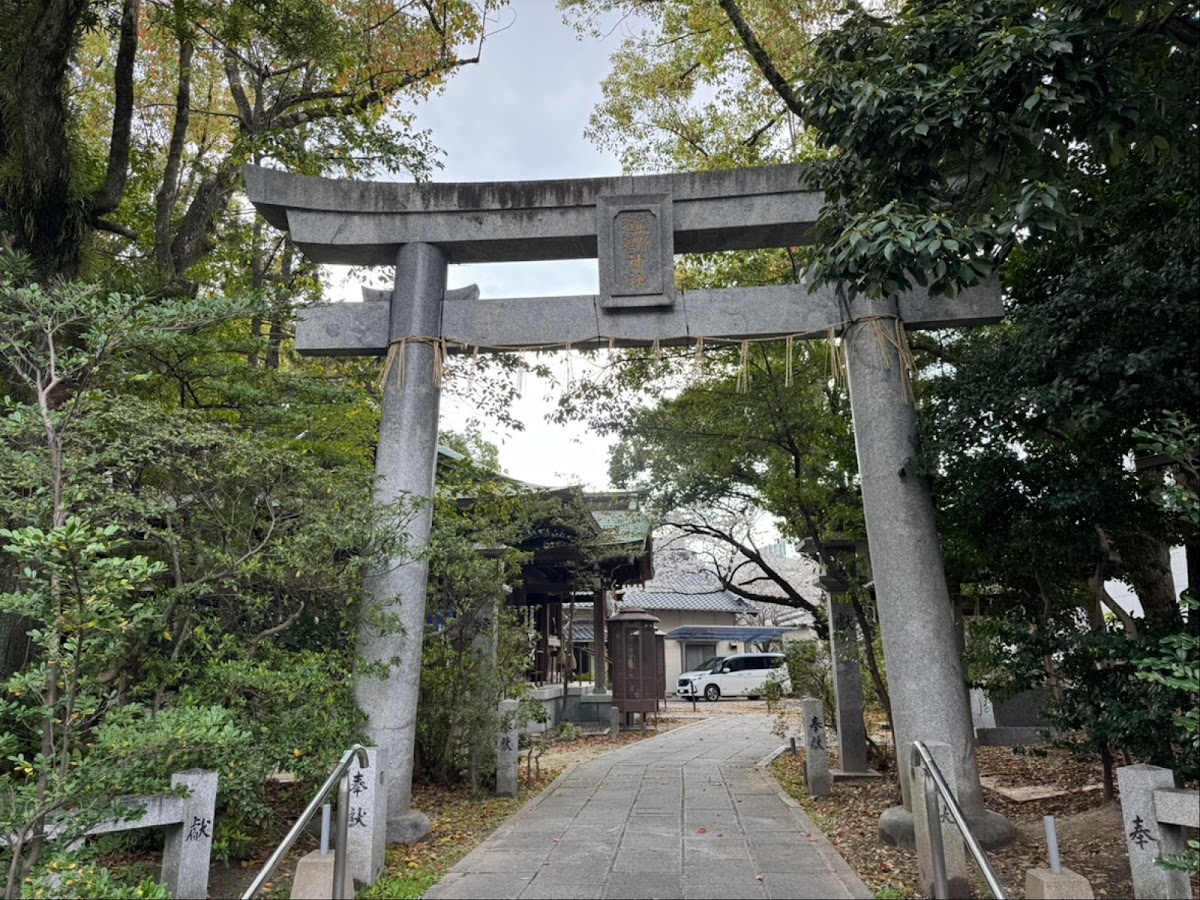
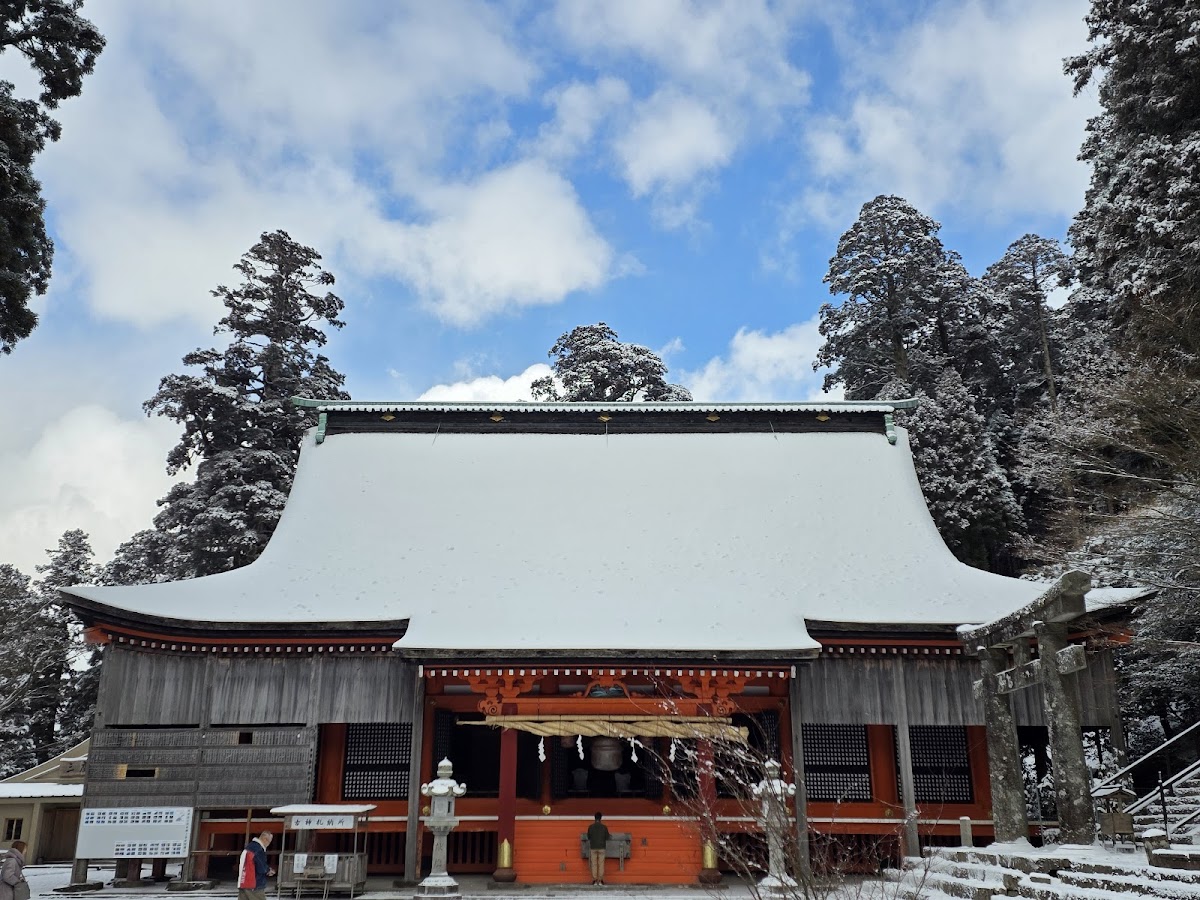
Complete Guide to Kinryuji Temples: History, Highlights, and Access Information for Famous Temples Nationwide
There are several temples named “Kinryuji” throughout Japan, each with its own unique history and culture. This article provides detailed information about Kinryuji temples in various locations, including their historical background, cultural assets, attractions as tourist spots, and access methods.
What is Kinryuji?: Origin of the Name and Nationwide Distribution
The temple name “Kinryuji” has been adopted by temples throughout Japan as an auspicious name linked to the Buddhist belief in dragon gods. Dragons are considered guardians of Buddhist law, and the belief that “Kinryu” (golden dragon) protects the temple is particularly widespread in Zen Buddhist temples.
Kinryuji temples exist in various locations throughout Japan, including Ota City in Gunma Prefecture, Hiroshima City, Fukuoka City, Hamamatsu City in Shizuoka Prefecture, Tokyo, Aomori Prefecture, Ryugasaki City in Ibaraki Prefecture, and Takatsuki City in Osaka Prefecture. Each temple belongs to a different sect, such as the Rinzai, Soto, or Tendai schools, and has developed uniquely, deeply intertwined with the history of the region.
Kinryu-ji Temple, Ota City, Gunma Prefecture: The Family Temple of the Lords of Kanayama Castle
History and Origin
Kinryu-ji Temple, located in Ota City, Gunma Prefecture, holds an important historical position as the family temple of the Yokose clan, lords of Kanayama Castle, a famous castle from the Sengoku period. This temple houses the five-tiered stupas of successive lords of Kanayama Castle, making it a valuable historical site that conveys the history of the Ota region during the Sengoku period.
Notably, it also contains a memorial tower for Nitta Yoshisada, a military commander from the Nanboku-cho period. Nitta Yoshisada is known as a general who overthrew the Kamakura Shogunate, and his memorial tower is designated as an important cultural property of Ota City. Kinryu-ji Temple is not merely a religious facility, but is positioned as an important cultural heritage site that tells the story of the region’s history.
Autumn is a Stunning Time to Visit Kinryuji Temple
If you’re planning a visit to Kinryuji Temple in Ota City, autumn is especially recommended. Many maple trees are planted around the main hall, and from mid- to late November, the entire temple grounds are adorned with vibrant autumn leaves. The contrast between the tranquil atmosphere of the temple and the vividly colored leaves leaves a lasting impression on visitors.
During the peak of the autumn foliage season, local photography enthusiasts and tourists alike visit the temple, making it a popular spot for taking photos of the leaves with the main hall as a backdrop. It’s also included in Ota City’s sightseeing itineraries, and many tourists visit it in conjunction with the ruins of Kanayama Castle.
The Seven Lucky Gods Pilgrimage of Joshu Ota
Kinryuji Temple enshrines Bishamonten, one of the “Seven Lucky Gods of Joshu Ota.” Bishamonten is worshipped as the god of military fortune and wealth among the Seven Lucky Gods, and the temple is bustling with visitors on the Seven Lucky Gods pilgrimage during the New Year. The Seven Lucky Gods pilgrimage, visiting seven temples and shrines within Ota City, is a well-established traditional religious event in the region, and Kinryuji Temple is one of its important locations.
Access and Visiting Information
Kinryuji Temple in Ota City can be accessed by bus or taxi from Ota Station on the Tobu Isesaki Line. If traveling by car, it is approximately 15 minutes from the Ota-Kiryu Interchange on the Kita-Kanto Expressway. For information on visiting hours and events, it is recommended to contact the Ota City Tourism and Products Association or the temple directly.
Kinryu Zenji Temple in Hiroshima City: A Temple of Atomic Bomb Survivor Trees and Perpetual Memorial Services
Zen Temple of the Myoshinji School of the Rinzai Dynasty
Kinryu Zenji Temple in Hiroshima City is a Zen temple belonging to the Myoshinji School, the head temple of the Rinzai Dynasty. The most distinctive feature of this temple is that it houses trees that survived the devastation of the atomic bombing. The Japanese holly tree (Ilex crenata) on the temple grounds has survived the atomic bombing of August 6, 1945, without withering, and is cherished by many as an “immortal tree,” a symbol of hope and vitality.
Atomic Bomb Survivor Tree and Prayers for Longevity and Wealth
The atomic bomb survivor tree at Kinryu Zen Temple is revered as a symbol of longevity and protection from evil. Furthermore, the temple’s name, “Kinryu” (Golden Dragon), and the vitality of the “atomic bomb survivor tree” are linked, attracting many visitors praying for financial fortune. As a temple embodying Hiroshima’s history of peace and reconstruction, it is well-known not only to local residents but also to tourists.
Perpetual Memorial Services, Sutra Copying, and Zen Meditation
Kinryu Zen Temple accepts perpetual memorial services, and receives many inquiries regarding this form of memorial service in modern society. Taking advantage of its characteristics as a Zen temple, it also regularly holds Zen meditation and sutra copying sessions. Despite being located in an urban area, it offers a tranquil environment for Zen practice, making it popular with those seeking peace of mind.
Access and Visiting Information
The temple is easily accessible from central Hiroshima City, and can be reached by Hiroshima Electric Railway or Hiroshima Bus. Detailed visiting hours and schedules for Zen meditation and sutra copying sessions can be found on the temple’s official website.
Kinryu-ji Temple in Imagawa, Chuo-ku, Fukuoka City: A Soto Zen temple with a preserved Edo-period gate
History of Kounzan Kinryu-ji Temple
Kinryu-ji Temple, located in Imagawa, Chuo-ku, Fukuoka City, is a Soto Zen temple with the mountain name Kounzan. Its historical value is evident in its gate, which has existed since its relocation and reconstruction in the early Edo period, specifically in 1647 (Shoho 4).
Historic Gate Facing the Old Karatsu Road
The gate of Kinryu-ji Temple faces south, overlooking the old Karatsu Road. The Karatsu Road was one of the important roads connecting Kyushu and Honshu during the Edo period, and Kinryu-ji Temple, located along this road, welcomed many travelers and pilgrims as a key transportation hub at the time. The existing temple gate is valued as a precious cultural asset that conveys the architectural style of Fukuoka’s Edo period.
A tranquil training ground in the heart of the city
Located in the heart of Fukuoka City, the temple grounds are enveloped in tranquility, maintaining the atmosphere of a Soto Zen training ground. It is cherished by local residents as a valuable space where they can experience the teachings of Zen amidst modern urban life.
Access Information
Within walking distance of Tojinmachi Station or Nishijin Station on the Fukuoka City Subway, access from the city center is extremely convenient. There are also numerous bus routes, making it easily accessible from various parts of Fukuoka City.
Kinryuji Temple in Hamamatsu City, Shizuoka Prefecture: A Rinzai Zen Temple overlooking Lake Hamana
History of Rinkozan Kinryuji Temple
Kinryuji Temple in Hamamatsu City, Shizuoka Prefecture, belongs to the Myoshinji branch of the Rinzai sect, and its mountain name is Rinkozan. Founded by Zen Master Hōgai and established by Zen Master Teinin Sogen, it is a historical temple dating back to the Genroku era.
A Scenic Location Overlooking Lake Hamana
In 1732 (Kyoho 17), during the time of the third abbot, Zen Master Kanko Sokaku, the temple was relocated to its current location. Built on a hill overlooking Lake Hamana, the temple grounds offer stunning views of the lake. The temple’s mountain name, “Rinko” (meaning “Landing the Lake”), perfectly reflects this location.
A Place for Zen Practice and Self-Reflection
As the phrase “Rinko Zenshin: Gazing at the lake with the golden dragon, and contemplating oneself” suggests, Kinryuji Temple welcomes many Zen practitioners as a place for self-reflection through Zen practice. Combined with the tranquil scenery of Lake Hamana, it provides an ideal environment for calming the mind and introspection.
Visiting and Access
Access from Hamamatsu city is convenient by car, approximately 20 minutes from the Hamamatsu-Nishi Interchange on the Tomei Expressway. Public transportation is available via Enshu Railway buses.
Kinryu-ji Temple in Tokyo: A Zen Temple with Beautiful Nature Throughout the Seasons
Characteristics of Hakunzan Kinryu-ji Temple
Kinryu-ji Temple, located in Tokyo, belongs to the Myoshin-ji branch of the Rinzai school of Zen Buddhism, and its mountain name is Hakunzan. Its head temple is Myoshin-ji Temple in Hanazono, Ukyo-ku, Kyoto, and the Myoshin-ji branch is the largest Rinzai school of Zen Buddhism, with approximately 3,400 temples nationwide.
Temple Grounds Where You Can Enjoy the Seasons
The charm of Kinryu-ji Temple in Tokyo lies in its ability to allow visitors to enjoy nature throughout the seasons, despite being in the city. Summer oranges and grapes ripen on the temple grounds, and in autumn, the maple leaves turn a vibrant red. It is a precious space where you can feel the changing seasons in the tranquil environment of a Zen temple.
Zen Teachings of Focusing Straightforwardly on What’s Before You
Kinryu-ji Temple cherishes the Zen teachings of focusing straightforwardly on what’s before you. Through Zen meditation sessions and Dharma talks, the temple engages in activities to convey the wisdom of Zen to people living in modern society.
Kinryu-ji Temples in Aomori, Ibaraki, and Other Prefectures
Kinryu-ji Temple in Aomori Prefecture
Kinryu-ji Temple in Aomori Prefecture belongs to the Soto Zen sect and offers consultations regarding temple grounds and memorial services. As a temple deeply rooted in the community, it serves as a center of faith for its parishioners and local residents.
Kinryu-ji Temple in Ryugasaki City, Ibaraki Prefecture
Kinryu-ji Temple, located in Wakashiba-cho, Ryugasaki City, Ibaraki Prefecture, is a Soto Zen temple with the mountain name Ota-san. It is an ancient temple said to have been founded in 1321 by Nitta Yoshisada and established by Zen Master Tenshin. After Yoshisada’s death, the Iwamatsu clan, descendants of the Nitta clan, are said to have repaired the various halls and improved the temple’s appearance to commemorate Yoshisada. Similar to Kinryu-ji Temple in Ota City, Gunma Prefecture, it holds historical value due to its deep connection with Nitta Yoshisada.
Kinryuji Temple Ruins in Takatsuki City, Osaka Prefecture
Kinryuji Temple, located in Takatsuki City, Osaka Prefecture, was a Tendai sect temple with the mountain name Tamasakayama. It is believed to have originated from Anmanji Temple, built in 790 AD by Abe Koreo. At its peak, it boasted 19 sub-temples and was a large temple that even received imperial visits. Currently, it is a ruined temple, but the Kinryuji Temple Ruins remain as a historical site.
Kinryuji Temple in Tomigusuku City, Okinawa Prefecture
There is also a Kinryuji Temple in Tomigusuku City, Okinawa Prefecture, which is cherished as a place of worship in the region. As a temple intertwined with Okinawa’s unique Buddhist culture, it conveys the history of the region.
Etiquette and Manners for Visiting Kinryuji Temple
Basic Manners for Visiting Temples
When visiting Kinryuji Temple, please observe the following basic manners:
- Bow at the Temple Gate: Bow before entering the temple gate.
- Respectful Attitude: Walk quietly within the temple grounds and refrain from loud conversations.
- Worship at the Main Hall: Join your hands in prayer before the main hall and offer your prayers with sincerity.
- Photography: Follow instructions regarding areas where photography is prohibited and cultural properties.
- Offering a Token: Offer your token respectfully and with gratitude.
Participation in Zen Meditation and Sutra Copying Sessions
Many Kinryuji temples offer experiential programs such as Zen meditation and sutra copying sessions. Even beginners can participate thanks to the careful instruction provided. We recommend contacting the temple in advance to inquire about participation. Through Zen practice, you can have a valuable experience of escaping the hustle and bustle of everyday life and calming your mind.
About Goshuin (Temple Seals)
Many Kinryu-ji temples offer Goshuin. Bring your Goshuincho (stamp book) and receive your Goshuin at the main hall or temple office after your visit. Goshuin are not merely commemorative stamps; they are cherished as proof of your visit.
Kinryu-ji Temple and Local Culture
Seven Lucky Gods Pilgrimage and Local Beliefs
Some temples, like Kinryu-ji in Ota City, Gunma Prefecture, are central to local beliefs as part of the Seven Lucky Gods pilgrimage. The Seven Lucky Gods pilgrimage is a form of popular belief that has continued since the Edo period, where visiting seven temples and shrines during the New Year is believed to bestow good fortune.
Kinryu-ji as a Tourist Spot
Kinryu-ji temples throughout Japan possess historical buildings, cultural assets, and beautiful natural scenery, playing an important role as tourist spots. Especially during the autumn foliage season, many tourists visit, contributing to the promotion of local tourism.
Hub of Local Community
Kinryu-ji temples are not merely tourist destinations; they also function as places of worship and community hubs for local residents. Through annual events and memorial services, the temple plays a role in preserving local traditional culture and deepening the bonds among residents.
Recommended Time to Visit Kinryuji Temple and How to Enjoy It
Spring Visit: Fresh Greenery and Flowers
In spring, Kinryuji Temple is adorned with beautiful fresh greenery, and cherry blossoms, camellias, and other flowers bloom throughout the grounds. Especially from April to May, you can enjoy a visit in refreshing air.
Summer Visit: Zen Meditation Experience
Summer is an ideal season to participate in Zen meditation sessions and sutra copying sessions. Zen meditation in the tranquil temple grounds will cool your mind even in the hot summer. Participating in an early morning Zen meditation session will allow you to start your day refreshed.
Autumn Visit: Spectacular Autumn Foliage
Autumn is the most popular season to visit Kinryuji Temple. The maple trees in the temple grounds change color, and the autumn leaves adorning the main hall and temple gate create a magnificent landscape. The best time to see the autumn leaves is from mid to late November.
Winter Visit: Tranquility and Introspection
In winter, Kinryu-ji Temple has fewer visitors, allowing for a peaceful and tranquil visit. While it is bustling with New Year’s visitors and those visiting the Seven Lucky Gods, at other times of the year, it offers a calm atmosphere for introspection.
Tourist Information Around Kinryu-ji Temple
Around Ota City, Gunma Prefecture
When visiting Kinryu-ji Temple in Ota City, we recommend also visiting nearby tourist spots such as the Kanayama Castle Ruins, Ota City Museum of Art and Library, and Gunma Children’s Country. You can also enjoy local cuisine such as Ota yakisoba.
Around Hiroshima City
Around Kinryu-ji Temple in Hiroshima, there are tourist attractions such as Peace Memorial Park, Hiroshima Castle, and Shukkei-en Garden. Along with the Atomic Bomb Dome and the Peace Memorial Museum, you can learn about the history of peace and reconstruction.
Around Fukuoka City
Around Kinryu-ji Temple in Fukuoka City, there are attractions such as Fukuoka Tower, Marinoa City Fukuoka, and Ohori Park. With excellent access to the city center, you can enjoy Fukuoka’s gourmet cuisine along with sightseeing.
Hamamatsu City Area
Around Kinryuji Temple in Hamamatsu, you can enjoy the natural scenery of Lake Hamana. Kanzanji Onsen, Hamana Lake Garden Park, and Hamamatsu Castle are also nearby, making for a fulfilling sightseeing experience.
Summary: The Charm and Significance of Visiting Kinryuji Temple
Kinryuji Temples, scattered throughout Japan, each possess their own unique history and culture, and are deeply connected to their local communities. Their characteristics are diverse: some temples convey history as the family temples of Sengoku period warlords, others house trees that survived the atomic bombing, conveying the preciousness of peace, some preserve Edo-period architecture, and others convey the teachings of Zen amidst beautiful natural landscapes.
Visiting Kinryuji Temple is not merely sightseeing; it is a valuable opportunity to experience Japanese history, culture, and the teachings of Buddhism. Especially during the autumn foliage season, you can find peace of mind amidst the beautiful scenery.
Participating in experiential programs such as Zen meditation sessions and sutra copying sessions allows you to reflect on yourself through Zen practice. Escape the hustle and bustle of modern society and find peace of mind in the tranquility of a temple, and it is sure to bring a new perspective to your daily life.
We encourage you to visit a Kinryu-ji Temple near you, or one you are traveling to, and experience its history, culture, and Zen teachings. In the serene atmosphere of the temple grounds, you will find inner peace and new insights.