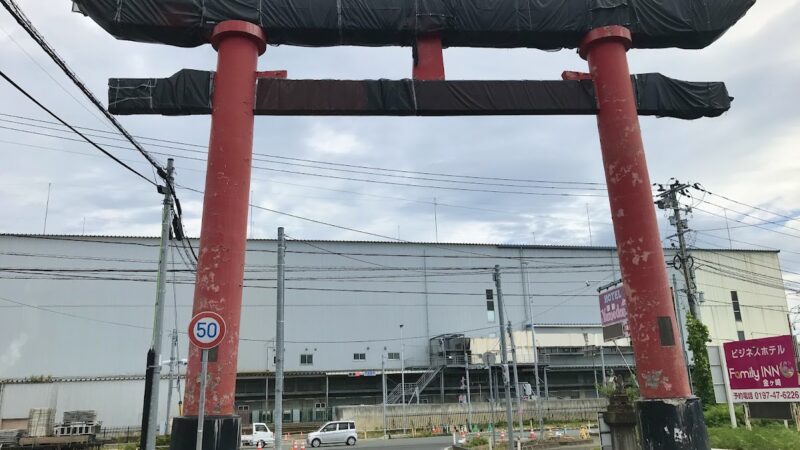
Komagata Shrine (Tamayama Ward, Morioka City, Iwate Prefecture) Complete Guide | History, Deities, and Access Information
Komagata Shrine, located in Tamayama Ward, Morioka City, Iwate Prefecture, is a historic shrine that has been cherished by the local community for centuries. This article comprehensively introduces information you should know before visiting, including the history of Komagata Shrine, its enshrined deities, highlights of the grounds, annual events, and access methods.
Basic Information on Komagata Shrine
Komagata Shrine is located in Tamayama Ward, Morioka City, Iwate Prefecture, and has been revered as the local guardian deity for many years. While there are several Komagata Shrines in Morioka City, the one in Tamayama Ward is known as a particularly distinctive shrine deeply rooted in the local community.
Location and Contact Information
Location: Tamayama Ward, Morioka City, Iwate Prefecture (former Tamayama Village area)
Jurisdiction: Tamayama Ward, Morioka City
Regional Characteristics: The former Tamayama Village was incorporated into Morioka City through the Heisei-era municipal mergers.
Tamayama Ward is located in the northern part of Morioka City, and the shrine stands amidst a rich natural environment. It is a place where worshippers can find peace and tranquility in a quiet environment, attracting visitors not only from the local area but also from neighboring regions.
History and Origins of Komagata Shrine
Origin of the Name “Komagata”
The name “Komagata” is believed to originate from beliefs related to horses (koma). In the Tohoku region, including Iwate Prefecture, horse breeding has been prevalent since ancient times, and the belief in gods protecting horses was deeply rooted. Shrines bearing the name Komagata Shrine exist throughout Tohoku, each deeply connected to the local horse breeding culture.
In particular, Iwate Prefecture has been known as a region that produces high-quality horses from the time of the Oshu Fujiwara clan to the Nanbu Domain, and horses were indispensable for military, transportation, and agriculture. It is believed that this background led to the spread of Komagata faith, which prays for the safety and health of horses.
Connection to the Tamayama Region
The Tamayama region existed as an independent village until its merger with Morioka City in 2006. Located at the northern foot of Mount Iwate, this region has historically relied on agriculture and livestock farming. Komagata Shrine has been closely intertwined with the lives of the local residents, functioning as a spiritual anchor for them.
Deities and Benefits
About the Deities
The deities enshrined at Komagata Shrine are generally believed to be Amenotokotachi-no-kami and other gods considered guardian deities of horses. In some regions, there may also be unique forms of worship, such as Komagata-Okami.
The head shrine of Komagata Shrines in Iwate Prefecture is the Komagata Shrine located in Mizusawa Ward, Oshu City (with an inner shrine at the summit of Mt. Komagatake), and many other Komagata Shrines belong to this lineage.
Divine Blessings and Virtues
The main blessings that can be prayed for at Komagata Shrine include the following:
- Traffic Safety: Since the time when horses were the primary means of transportation, the shrine has been worshipped as a deity protecting travelers.
- Family Safety: As the guardian deity of the region, it protects the health and peace of families.
- Abundant Harvest: Prayers for bountiful harvests in agricultural areas.
- Livestock Prosperity: Prayers for the health and reproduction of livestock, including horses.
- Business Prosperity: Prayers for the development of local industries.
In modern times, the blessing of traffic safety is particularly noteworthy, and many worshippers visit to pray for safe driving.
Highlights of the Shrine Grounds
Atmosphere of the Shrine and Grounds
Komagata Shrine in Tamayama Ward is characterized by its simple and tranquil appearance rather than ostentatious decorations. Surrounded by trees, the shrine grounds offer a healing space where you can feel the changing seasons.
Spring: Beautiful fresh greenery and refreshing air.
Summer: Cool shade and the sound of cicadas create a tranquil atmosphere.
Autumn: Autumn leaves adorn the grounds, creating a calm atmosphere.
Winter: Snow-covered grounds are filled with sacred stillness.
Points for Worship
By observing the basic etiquette of shrine worship, you can offer a more heartfelt prayer:
- Bow before passing through the torii gate: As a sign of respect before entering the sacred area.
- Purify your body and mind at the water basin: Purify your left hand, right hand, and mouth in that order.
- Walk along the edge of the path: The center is considered the path of the gods.
- Worship at the main hall: Two bows, two claps, and one bow is the basic ritual.
Annual Festivals and Events
Major Festivals
Komagata Shrine holds various festivals throughout the year. As a local shrine, Shinto rituals are carefully performed to mark seasonal milestones and traditional festivals.
Annual Festival: The most important annual festival for the shrine.
Spring Grand Festival: A spring festival praying for a bountiful harvest.
Autumn Grand Festival: An autumn festival expressing gratitude for the harvest.
New Year’s Visit: Praying for good health and protection from illness in the new year.
Setsubun Festival: A ritual for warding off evil and bringing good fortune.
Connection with the Community
During festivals, local parishioners and residents cooperate to support the shrine. The Grand Festival, in particular, is an important opportunity to reaffirm the unity of the local community and serves as a place for intergenerational exchange.
Access Information
Access by Train and Public Transportation
Tamayama Ward is located in the northern part of Morioka City, so caution is required when accessing it by public transportation.
Nearest Station: IGR Iwate Galaxy Railway “Shibutami Station” or “Koma Station”
Distance from Station: Since it is several kilometers from the station, using a taxi or local bus is recommended.
Access by Car
Visiting by private car is the most convenient option.
Tohoku Expressway: Via National Route 4 from Morioka Kita IC or Nishine IC
Travel Time: Approximately 30-40 minutes from central Morioka
Parking: There is parking space for visitors on the shrine grounds or nearby.
Searching with Car Navigation/Map Apps
You can check the approximate location by searching for “Komagata Shrine, Tamayama-ku, Morioka City” on your car navigation system or smartphone map app. However, since there are multiple shrines with the same name in Morioka City, it is recommended to enter the address accurately.
Nearby Tourist Attractions
Attractions in Tamayama-ku
When visiting Komagata Shrine, it is recommended to also visit other tourist attractions in Tamayama-ku.
Shibutami Park: A park known for its connection to Ishikawa Takuboku.
Ishikawa Takuboku Memorial Museum: Introduces the life and works of Ishikawa Takuboku, a poet born in Iwate.
Mount Iwate: A symbol of Iwate Prefecture, boasting a beautiful mountain shape also known as Nanbu Katafuji.
Koiwai Farm: One of Japan’s largest private comprehensive farms, a tourist facility where you can connect with nature.
Major Shrines in Morioka City
There are many other historically significant shrines in Morioka City:
Morioka Hachimangu Shrine: A grand shrine beloved by citizens as the guardian shrine of Morioka.
Sakurayama Shrine: A shrine dedicated to the lords of the Nanbu domain, adjacent to Morioka Castle Ruins Park.
Morioka Tenmangu Shrine: Dedicated to Sugawara no Michizane, the god of learning.
Shrine Culture in Morioka City
Characteristics of Shrines in Morioka City
There are approximately 63 shrines in Morioka City, each conveying the history and culture of the region to the present day. Morioka, which developed as a castle town of the Nanbu clan, has many shrines with historical roots dating back to the feudal era, and a culture of cherishing local guardian deities is deeply rooted in each region.
Regional Characteristics of Tamayama Ward
Tamayama Ward became part of Morioka City through a merger in 2006, but it is a region with its own unique history and culture. Located at the foot of Mount Iwate, it has preserved traditional beliefs in an environment where agriculture and nature are in harmony. Komagata Shrine can be said to be a symbol of this regional spiritual culture.
Precautions and Manners for Visiting the Shrine
Regarding Attire
While everyday clothing is acceptable for visiting the shrine, please be mindful of the sacred nature of the place and dress accordingly. It is best to avoid revealing or overly flashy clothing.
Regarding Photography
Photography is generally permitted on the shrine grounds, but please note the following:
- Do not take photos in areas where photography is prohibited, such as inside the main hall.
- Be considerate of those performing rituals or other visitors.
- Obtain permission in advance for commercial use.
Regarding Pets
Pet policies vary by shrine. Small dogs in carriers may be permitted, but it is recommended to check in advance.
Regarding Goshuin (Shrine Seals)
Issuance of Goshuin
The issuance of Goshuin at Komagata Shrine varies depending on whether there is a shrine office and its operating hours. Smaller shrines may not always have a Goshuin office, so it is recommended to check in advance if you wish to receive one.
Regarding Goshuincho (Shrine Seal Books)
When collecting Goshuin, prepare a dedicated Goshuincho. These can be purchased at shrines and temples, as well as stationery stores.
Connections with the Community and the Parishioner Organization
Parishioner System
Komagata Shrine is supported by local residents called “ujiko” (parishioners) as the local tutelary deity. The ujiko cooperate in the maintenance and management of the shrine and the operation of festivals, playing a central role in the local community.
People Supporting the Shrine
In rural areas facing depopulation and an aging population, maintaining shrines is a major challenge. However, in order to pass on the region’s traditions and culture to future generations, the ujiko and local residents continue to protect the shrine through cooperation.
Komagata Faith in Iwate Prefecture
Komagata Shrines in the Prefecture
There are several Komagata Shrines in Iwate Prefecture, each serving as a center of local faith. The most famous is the Komagata Shrine located in Mizusawa Ward, Oshu City, a mountain worship shrine with an inner sanctuary at the summit of Mount Komagatake (Yakeishidake).
Connection to Horse Breeding Culture
Iwate Prefecture has historically been known as a breeding ground for fine horses, and the “Nanbu Komagata” became famous throughout Japan. It is believed that, against this backdrop of horse breeding culture, the belief in the guardian deity of horses spread, leading to the establishment of Komagata Shrines in various locations.
Komagata Shrine in the Seasons
Spring at Komagata Shrine
As the snow melts, the breath of spring arrives in the shrine grounds. The grounds, filled with fresh greenery and the chirping of birds, are permeated with a refreshing air that evokes a sense of life’s regeneration. During the Spring Grand Festival, a Shinto ritual is performed to pray for a bountiful harvest that year.
Summer at Komagata Shrine
Surrounded by lush green trees, the shrine grounds become a cool space that alleviates the summer heat. In the quiet grounds, where the sound of cicadas resonates, one can offer a peaceful and calming prayer.
Autumn at Komagata Shrine
Autumn, when the autumn leaves color the grounds, is one of the most beautiful seasons at Komagata Shrine. During the Autumn Grand Festival, which expresses gratitude for the harvest, local people gather to give thanks for the year’s bounty.
Komagata Shrine in Winter
The snow-covered shrine grounds exude a special atmosphere filled with silence and sacredness. Even amidst the harshness of winter, there is a divine beauty, and visiting the shrine in this crisp air cleanses the soul.
Guidelines for Visiting Shrines
The Significance of Shrine Visits
Visiting a shrine is not merely sightseeing or a place to make wishes; it is also an opportunity to express gratitude to the gods and reflect on oneself. By expressing gratitude for daily life and visiting with a sincere heart, one can feel refreshed.
Regular Visits
Visiting the shrine regularly, not just for New Year’s prayers or special requests, deepens one’s connection with the local deities. We recommend visiting regularly while appreciating the changing seasons.
Summary
Komagata Shrine, located in Tamayama-ku, Morioka City, Iwate Prefecture, is a valuable place that conveys the history and culture of the region. It is a shrine with many attractions, including the Komagata faith rooted in horse breeding culture, its role as the local guardian deity, and the beautiful natural environment that changes with the seasons. While many shrines exist in Morioka City, Komagata Shrine in Tamayama Ward is a special place where you can worship in a quiet and peaceful atmosphere. Located at the foot of Mount Iwate, in a naturally rich environment, you can spend time calming your mind and connecting with the gods.
When visiting Morioka, be sure to extend your trip and visit Komagata Shrine. You will experience the warm atmosphere of a shrine protected by the local people and the beauty of Iwate’s nature. Furthermore, combining your visit with other nearby tourist spots such as places associated with Ishikawa Takuboku and Mount Iwate will make for a more fulfilling trip.
Why not spend some time rediscovering inner peace by experiencing traditional Japanese culture through shrine visits?