Complete Guide to Kōsoku-ji Temple | Exploring Kamakura’s Famous Flower Temple and its History Related to Nichiren
Kōsoku-ji Temple, nestled in Hase, Kamakura, is a hidden gem enveloped in tranquility, despite being located very close to the bustling Hase-dera Temple. Not only has it played a historically important role as a Nichiren Buddhist temple, it also attracts many visitors as a “flower temple” with its seasonal blooms. This article provides detailed information you should know before visiting Kōsoku-ji Temple, from its history and highlights to access methods.
What is Kōsoku-ji Temple? | Basic Information and Overview
Kōsoku-ji Temple is a Nichiren Buddhist temple located at 3-9-7 Hase, Kamakura City, Kanagawa Prefecture. Its mountain name is Gyōji-san, its former head temple was Hikigaya Myōhon-ji Temple, and it belongs to the Ikegami-Tsuchitomi lineage.
Founded around 1274 (Bun’ei 11), the temple was built on the site of the residence of Yadoya Mitsunori, a retainer of Hojo Tokiyori, the fifth regent of the Kamakura Shogunate. The founding priest was Nichiro Shonin, one of Nichiren’s six senior disciples.
The temple’s name, “Mitsunori,” originates from the name of its founder, Yadoya Mitsunori. The temple grounds cover approximately 3,000 square meters and maintain a particularly lush and tranquil environment within the Hase area.
History of Mitsunori-ji Temple | The Story of Nichiren Shonin and Yadoya Mitsunori
Rissho Ankoku Ron and Nichiren Shonin
An essential part of understanding the history of Mitsunori-ji Temple is the relationship between Nichiren Shonin and the “Rissho Ankoku Ron.” In 1260 (Bun’o 1), Nichiren Shonin submitted the “Rissho Ankoku Ron” to the Kamakura Shogunate, arguing that the country should be brought peace by returning to the correct teachings of Buddhism. It is said that the place where this historical document was presented to the shogunate was the residence of Sukeya Mitsunori, which is the site of the present-day Kōzoku-ji Temple.
Imprisonment of Nichirō Shōnin in a Dungeon
In 1271, when Nichiren Shōnin was exiled to Sado Island, his senior disciple, Nichirō Shōnin, was also captured. By order of Hōjō Tokiyori, Sukeya Mitsunori, who served as the temple and shrine magistrate, built a dungeon in his residence and imprisoned Nichirō Shōnin there.
This dungeon is still preserved in the back of the temple grounds and is a valuable historical site that conveys the harsh conditions of that time. Just imagining what kind of days Nichirō Shōnin spent in this dungeon gives one a sense of the weight of history.
Sukeya Mitsunori’s Repentance and the Founding of the Temple
While interacting with Nichirō Shōnin as his guardian, Sukeya Mitsunori was deeply impressed by Nichiren’s teachings and eventually became a follower. After Nichiren Shonin was pardoned from exile to Sado Island, Sukeya Mitsunori converted his residence into a temple and welcomed Nichiro Shonin as its founding abbot. This is considered the beginning of Kōsoku-ji Temple.
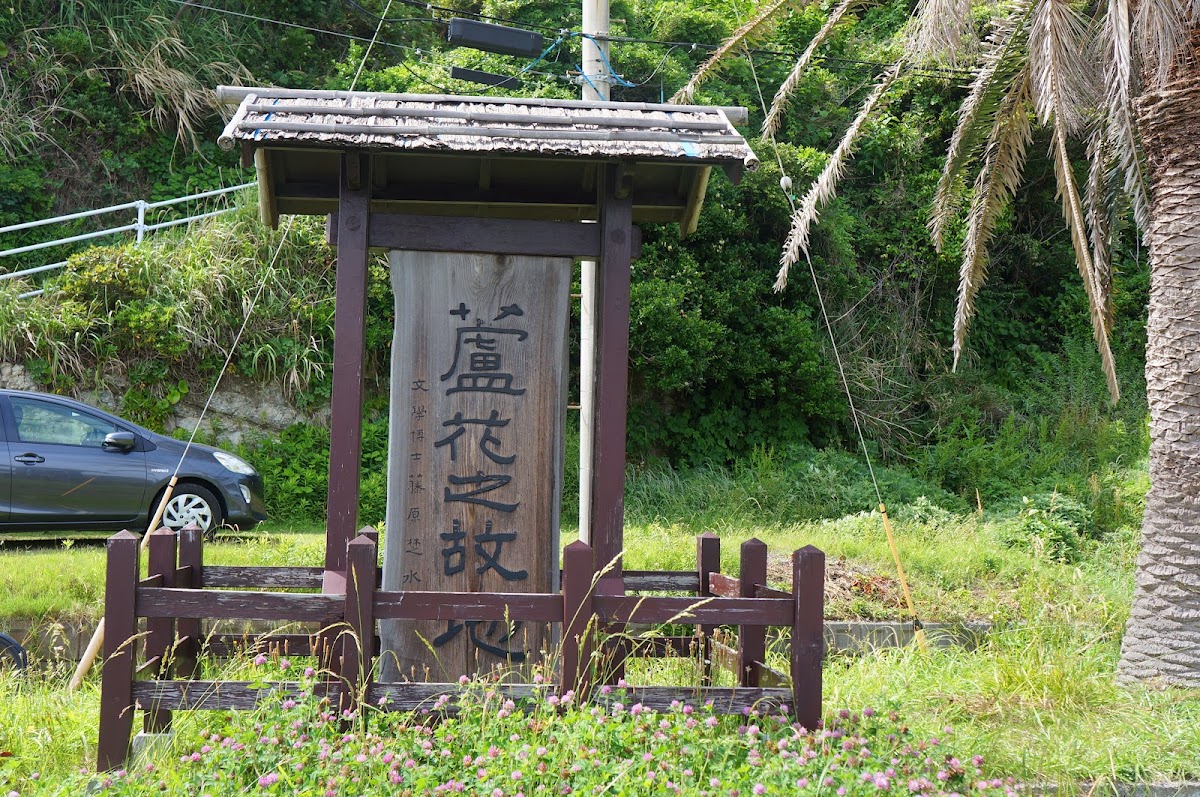
Nichiren Shonin sent letters from Sado Island expressing his concern for Nichiro Shonin’s well-being. These letters are known as the “Tsuchino Rō Gosho” (Letter from the Earthen Prison). Currently, a stone monument inscribed with this letter stands on the temple grounds, allowing visitors to commemorate the bond between master and disciple.
Developments Since the Edo Period
Throughout the Edo period, Kōsoku-ji Temple maintained itself as an important temple of the Nichiren sect. Despite being affected by the anti-Buddhist movement from the end of the Edo period to the Meiji era, it survived as a center of local faith and continues to this day.
Since the Showa era, its aspect as a temple of flowers has attracted attention, and in particular, its giant crabapple tree, over 200 years old, has become famous. Since the Heisei era, it has been selected as one of “Kanagawa’s 100 Best Flower Spots” and is a hidden gem for Kamakura tourists, beloved by many.
Highlights of Kōtoku-ji Temple | A Thorough Explanation of the Temple Grounds’ Charm
Main Hall and Temple Buildings
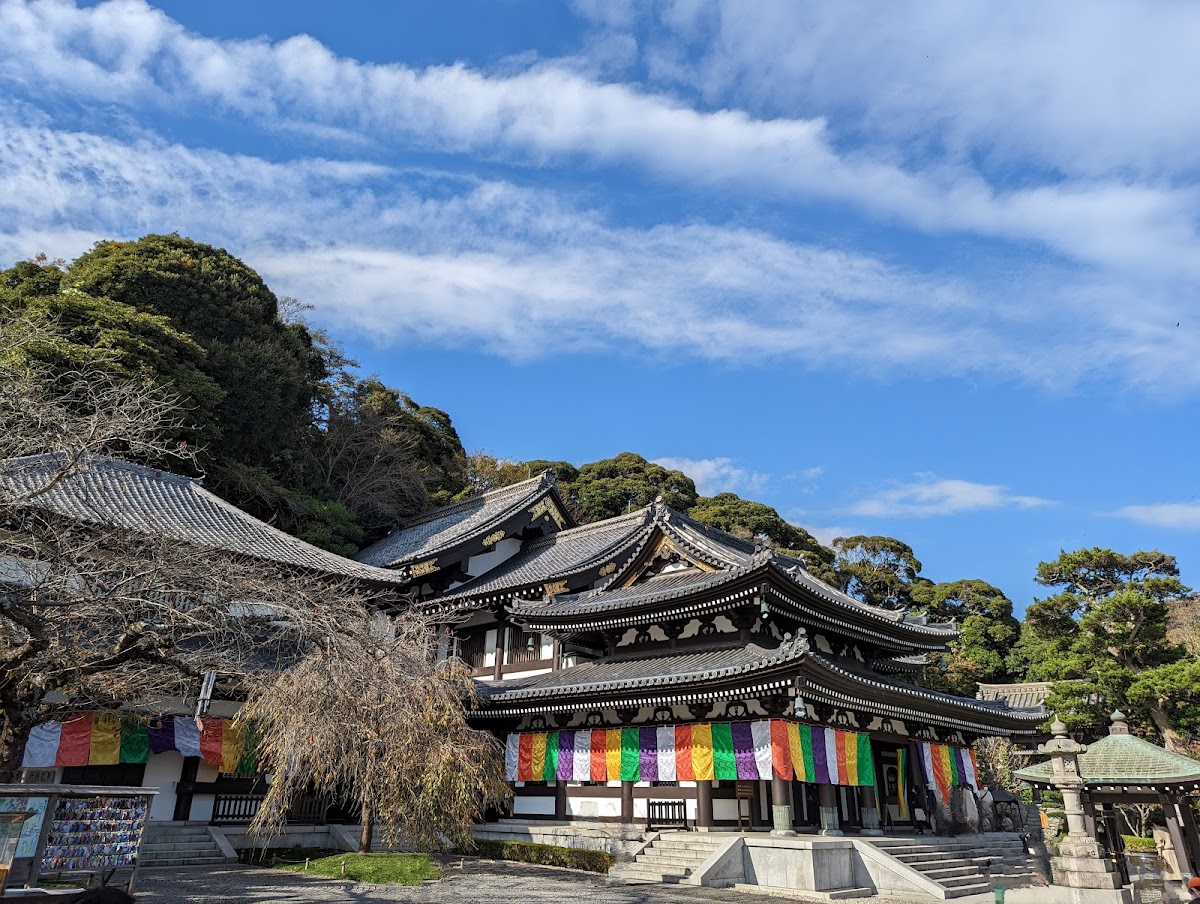
Kōtoku-ji Temple’s main hall, while simple, presents a solemn and dignified appearance. Inside, the principal image, a statue of Shakyamuni Buddha, is enshrined, creating a majestic atmosphere typical of a Nichiren Buddhist temple.
The space in front of the main hall is particularly beautifully maintained, with different flowers in each season welcoming visitors. The architectural style is typical of a Nichiren Buddhist temple, simple yet dignified.
Nichirō Shōnin’s Pit
At the very back of the temple grounds, at the top of a stone staircase, lies the pit where Nichirō Shōnin is said to have been imprisoned. Currently surrounded by a fence, entry is not permitted, but it can be viewed from the outside.
Next to the dungeon stands the grave of Kōzōji Temple’s innkeeper, a silent witness to the history of how the relationship between guardian and guarded transformed into a bond of master and disciple. This place can be said to be the most symbolic historical site of Kōzōji Temple.
In front of the dungeon stands a stone monument inscribed with the “Dungeon Letter,” containing the contents of a letter sent by Nichiren Shonin from Sado Island to Nichirō Shonin.
Miyazawa Kenji’s “Ame ni mo Makezu” Poetry Monument
Within the temple grounds stands a monument inscribed with Miyazawa Kenji’s masterpiece, “Ame ni mo Makezu” (Undefeated by the Rain). Kenji was a devout follower of the Lotus Sutra and deeply resonated with Nichiren’s teachings. This monument is a symbolic presence that connects Kenji’s faith with the historical background of Kōzōji Temple.
Standing before the monument, one will feel a special emotion as Kenji’s spirituality and Nichiren’s teachings intertwine.
Seasonal Flowers | Why Kōtoku-ji Temple is Called the “Temple of Flowers”
Kōtoku-ji Temple is widely known as the “Temple of Flowers,” with various flowers adorning the temple grounds throughout the year.
Spring Flowers
Kaido (Malus spectabilis)
The most famous feature of Kōtoku-ji Temple is the giant Kaido tree in front of the main hall, which is over 200 years old (some say 150 years). From early to mid-April, it blooms with beautiful pale pink flowers. This Kaido is considered the largest in Kamakura, and many photography enthusiasts visit when it is in full bloom.
Kaido is an elegant flower also known as the “Prime Minister of Flowers,” and the Kaido at Kōtoku-ji Temple is the main reason it was selected as one of “Kanagawa’s 100 Famous Flower Spots.”
Cherry Blossoms
Cherry blossoms bloom throughout the temple grounds at the same time as the Kaido. Several varieties of cherry blossoms, including Somei Yoshino, are planted, adding vibrant color to Kōtoku-ji Temple in spring.
Wisteria
From late April to May, the wisteria blossoms are in full bloom. The sight of the purple clusters swaying in the wind is a true harbinger of early summer.
Flowers of the Rainy Season
Hydrangeas
From June to July, Kōtoku-ji Temple is also known as a famous spot for hydrangeas. Because it’s not as crowded with tourists as Hase-dera Temple, it’s a popular hidden gem for quietly appreciating hydrangeas.
Various varieties of hydrangeas are planted along the stone steps and under the trees within the temple grounds, offering a colorful array of blue, purple, pink, and white blossoms. Hydrangeas, especially those wet with rain, have a charming beauty unique to the rainy season.
Irises
Similarly in early summer, irises are also in full bloom. Their dignified appearance is beautiful, evoking the atmosphere of a Japanese garden.
Summer and Autumn Flowers
In summer, crape myrtle and bellflowers bloom, and in autumn, spider lilies, Japanese anemones, and toad lilies adorn the temple grounds.
Winter Flowers
In winter, camellias and daffodils bloom, adding color to the tranquil atmosphere. With fewer visitors in winter, Kōtoku-ji Temple offers an even more peaceful setting for worship.
Wildflowers and Bonsai
Kōtoku-ji Temple is known not only for its common flowers but also for cultivating wildflowers and rare plants. Many potted plants line the temple grounds, allowing visitors to enjoy different wildflowers each season.
Especially in spring, rare wildflowers such as dogtooth violets, epimedium, and orchids bloom. For plant enthusiasts, it is a valuable place to observe these rare plants.
Access | How to Get to Kōtoku-ji Temple
Access by Train
Using the Enoshima Electric Railway (Enoden)
- Get off at Hase Station, approximately 7-10 minutes on foot
- Exit the station and head northwest towards Hase-dera Temple
- Gently ascend the path one street behind Hase-dera Temple to reach the main gate of Kōtoku-ji Temple.
Using the JR Yokosuka Line
- Get off at Kamakura Station, transfer to the Enoden and go to Hase Station (approximately 5 minutes)
- Alternatively, it’s approximately 25-30 minutes on foot from Kamakura Station.
Access by Bus
If using the bus from Kamakura Station East Exit:
- Get off at the Enoden Bus “Hase Kannon” bus stop, approximately 5 minutes on foot.
Access by Car
Kōtoku-ji Temple does not have its own parking lot. We recommend using nearby paid parking lots or public transportation. The Hase area has narrow roads and can be crowded during peak tourist season, so visiting by train or bus is more convenient. ## Visiting Information | Points to Note When Visiting
Visiting Hours and Admission Fee
- Visiting Hours: Usually 8:00 AM to 5:00 PM (may vary depending on the season)
- Admission Fee: 100 yen for adults (voluntary donation)
- Holidays: Generally open every day
Admission is voluntary and should be placed in the offering box at the entrance.
Manners When Visiting
Kōsoku-ji Temple is more of a place of worship than a tourist attraction. Please observe the following manners when visiting:
- Be quiet within the temple grounds
- Photography is permitted, but please be considerate of the interior of the main hall and other visitors
- Collecting or damaging plants is strictly prohibited
- Always take your trash with you
- The earthen prison is protected as a historical site, so do not enter inside the fenced area
Estimated Time Required
If you take your time to look around the temple grounds, it will take approximately 30 minutes to 1 hour. During flowering season, taking photos and other activities may take even longer.
Nearby Tourist Spots | Places to Visit Along with Kōtoku-ji Temple
Hase-dera Temple
Located about a 3-minute walk from Kōtoku-ji Temple, Hase-dera Temple is a representative tourist spot in Kamakura. Known for its 9.18-meter-tall Eleven-faced Kannon Bodhisattva statue (Hase Kannon), it is also famous for its hydrangeas. Enjoying a “flower tour” by visiting both Kōtoku-ji Temple and Hase-dera Temple is highly recommended.
Kōtoku-in Temple (Kamakura Great Buddha)
Located about a 7-minute walk from Hase Station, Kōtoku-in Temple houses the Great Buddha (National Treasure), a symbol of Kamakura. The 11.39-meter-tall seated Amida Buddha statue is a must-see spot for Kamakura sightseeing.
Goryō Shrine (Gongorō Shrine)
Located about a 5-minute walk along the Enoden railway tracks from Hase Station, Goryō Shrine is a shrine dedicated to Kamakura Gongorō Kagemasa. In June, the hydrangeas are beautiful, making it a popular photo spot where you can capture the Enoden train and hydrangeas together.
Gokurakuji Temple
Just one stop away on the Enoden train line, near Gokurakuji Station, lies Gokurakuji Temple, a Shingon Ritsu sect temple. Located in a quiet residential area, it offers a peaceful atmosphere for worship.
The Charm of Kōsokuji Temple | Why You Should Visit
Beauty in Silence
Despite being very close to Hase-dera Temple, Kōsokuji Temple is surprisingly quiet. In contrast to the bustling Hase-dera Temple, you can experience a sense of time slowing down here. It’s the perfect place for those who want to escape the hustle and bustle of the city and find peace of mind.
The Weight of History
The history surrounding Nichiren Shonin and Nichiro Shonin, the story of the conversion of the innkeeper Kōsoku, and the earthen prison that still remains today—these historical sites are a valuable legacy that allows you to feel the religious history of the Kamakura period firsthand.
The Beauty of Nature Through the Seasons
Kōtoku-ji Temple, where various flowers bloom throughout the year, offers new discoveries with every visit. The crabapple season is especially a must-see; its beauty is well worth witnessing.
A Hidden Gem for Flower Viewing
Kōtoku-ji Temple is less crowded than Hase-dera Temple or Meigetsu-in Temple, allowing visitors to enjoy the flowers at their leisure. It’s a particularly recommended spot for those who want to quietly enjoy flowers, especially during hydrangea season.
The Best Time to Visit Kōtoku-ji Temple
While Kōtoku-ji Temple is worth visiting year-round, here’s a particularly recommended time:
Early to Mid-April (Crabapple Season)
If you’re visiting Kōtoku-ji Temple, the first thing we recommend is the crabapple season. The sight of the giant trees, over 200 years old, in full bloom is breathtaking, and missing this time means waiting a whole year. Since you can also enjoy cherry blossoms at the same time, it’s perfect for a spring stroll through Kamakura.
June to early July (Hydrangea season)
Hydrangeas are beautiful even during the rainy season, and you can enjoy the picturesque scenery even on rainy days. Many people visit during this time, often combining it with a visit to see the hydrangeas at Hase-dera Temple.
May (Wisteria and fresh green season)
May, when the wisteria flowers bloom, is also beautiful, and the fresh green leaves are vibrant. The weather is pleasant, making it an ideal season for a stroll.
Autumn (Red spider lily and autumn leaves season)
The red spider lilies in September and the autumn leaves are magnificent. Autumn is relatively less crowded with tourists, allowing for a peaceful visit.
Frequently Asked Questions
Q: How long does it take to visit Kōtoku-ji Temple?
A: If you want to leisurely explore the temple grounds, 30 minutes to an hour is a good guideline. If you want to take your time photographing the flowers, you should allow more time.
Q: Is there a parking lot at Kōtoku-ji Temple?
A: Kōtoku-ji Temple does not have its own parking lot. We recommend using nearby paid parking lots or visiting by public transport. The Hase area has narrow roads and gets particularly crowded during peak tourist season, so using the Enoden train is convenient.
Q: When is the best time to see the crabapple blossoms?
A: The best time is usually from early to mid-April. However, this can vary depending on the weather, so we recommend checking the blooming status before your visit. You can check the latest information on the Kamakura City Tourism Association website, etc.
Q: Can I enjoy it on a rainy day?
A: Yes, especially during hydrangea season, the flowers are beautiful when wet with rain, offering a unique atmosphere. However, the ground can become slippery, so we recommend wearing comfortable shoes.
Q: Can I get a Goshuin (temple stamp)?
A: Yes, you can get a Goshuin at Kōtoku-ji Temple. Please speak to someone near the main hall. However, they may not always be there, so if you want to be sure to get a Goshuin, we recommend calling ahead.
Q: Are pets allowed?
A: Generally, it is considered bad manners to bring pets to temples. We recommend checking with Kōtoku-ji Temple in advance regarding pet policies.
Summary | Experiencing the Harmony of History and Nature at Kōtoku-ji Temple
Kōtoku-ji Temple is a special temple located in a quiet place slightly away from the hustle and bustle of Kamakura, where you can enjoy the deep history related to Nichiren Shonin and Nichiro Shonin, as well as the beautiful flowers of each season.
There are many sights to see, including a giant crabapple tree over 200 years old, the earthen prison where Nichiro Shonin was imprisoned, and a monument inscribed with a poem by Kenji Miyazawa. It is also close to famous tourist spots such as Hase-dera Temple and the Kamakura Daibutsu (Great Buddha), making it a must-visit spot when sightseeing in Kamakura.
Especially during the flowering season, it is less crowded than Hase-dera Temple, and is loved by many repeat visitors as a hidden gem where you can slowly enjoy the beauty of nature. Whether you’re a history buff, a flower lover, or simply looking for a peaceful retreat, Kōtoku-ji Temple offers something for everyone.
When you visit Kamakura, be sure to experience the tranquility and beauty of Kōtoku-ji Temple. This small temple, nestled deep in the Hase district, is sure to leave a lasting impression on your heart.