Complete Guide to Kotoni Shrine | A Thorough Explanation of History, Goshuin (Shrine Seals), Blessings, and Annual Festivals
Kotoni Shrine, located in Kotoni, Nishi-ku, Sapporo City, is a historic shrine that conveys the history of Hokkaido’s development. With a deep history beginning with the settlement of Tondenhei (frontier soldiers) during the Meiji era, it is a popular power spot for many visitors seeking good fortune in love and success in examinations. This article provides a detailed explanation of Kotoni Shrine’s history, blessings, goshuin (shrine seals), annual festivals, and access information—everything you need to know before visiting.
What is Kotoni Shrine?
Kotoni Shrine is a shrine located at 1-30, Kotoni 1-jo 7-chome, Nishi-ku, Sapporo City, Hokkaido. Its former shrine rank was Gosha (village shrine). Founded as one of the shrines dedicated to the founders of feudal domains, which were popular from the late Edo period to the early Meiji period, it is deeply connected to the history of Hokkaido’s development.
Today, Kotoni is a thriving administrative and commercial center of Sapporo’s Nishi Ward, but its foundation was laid by the 1st Company of the 1st Battalion of the Tondenhei (frontier soldiers) who settled there in 1875 (Meiji 8). Kotoni Shrine is a valuable cultural asset that conveys this history of pioneering and is carefully preserved by the local community.
Location and Access
Kotoni Shrine is conveniently located about a 6-minute walk from Kotoni Station on the Tozai Subway Line and within walking distance of JR Kotoni Station. Situated along Sakaemachi Street, it maintains a quiet and peaceful atmosphere despite being in the city center.
Address: 1-30, Kotoni 1-jo 7-chome, Nishi-ku, Sapporo, Hokkaido 063-0811
Phone: 011-621-5544
Shrine Office Hours: 9:00 AM – 4:00 PM (Gates close at 4:00 PM)
History and Origins of Kotoni Shrine
Founding as Takehaya Shrine (1875)
In 1875 (Meiji 8), 240 households (198 people, some records say 108 households) settled in Kotoni as the first Tondenhei (frontier soldiers) of the Hokkaido Development Commission. They revered the virtues of Lord Date Fujigoro Narizane, the founder of the former Watari Domain (Miyagi Prefecture).
Lord Date Shigezane was a samurai known as a senior retainer of Date Masamune. To honor his divine virtues in the development of Hokkaido, the settlers respectfully referred to him as “Takehayachio-no-kami” and founded the “Takehaya Shrine,” which marked the beginning of Kotoni Shrine.
History of Relocation and Expansion
Since its founding, Kotoni Shrine has undergone several relocations and expansions.
During the Taisho era, it was designated a local shrine, establishing its position as an important shrine in the region. The main hall and worship hall were also renovated, forming the foundation of the current shrine.
During the Showa era, Amaterasu Omikami and Toyouke Omikami were invited from Ise Grand Shrine, expanding the number of enshrined deities. As a result, while still centered on Takehayachio-no-kami, the shrine developed into one offering a wider range of blessings.
During the Heisei era, the shrine grounds were renovated and the shrine buildings were restored, maintaining its current magnificent appearance.
Tondenhei and the Development of Kotoni
The arrival of Tondenhei in 1875 marked the official start of the Hokkaido Development Project. The first group of Tondenhei who arrived in Kotoni cultivated farmland in a harsh natural environment while simultaneously undertaking the task of guarding the northern front.
The “Kotoni Tondenhei House” is preserved on the shrine grounds, allowing visitors to imagine life at that time. This Tondenhei House is of high historical value as a valuable building from the pioneering period and is a must-see spot when visiting Kotoni Shrine.
Deities and Blessings
Main Deity
Kotoni Shrine enshrines several deities, but the main deity is as follows:
Takehayachio-no-kami
A deity who personifies Date Togoro Narizane. As the guardian deity of pioneering, she bestows courage and wisdom to face difficulties.
Amaterasu Omikami
The supreme deity of Japan, the goddess of the sun. She bestows blessings upon all life and grants the benefits of national peace and family safety.
Toyouke Omikami
The deity who presides over food and grains. Known for the benefits of abundant harvests and industrial development.
Deities enshrined in subsidiary shrines
Kotoni Shrine has several subsidiary shrines within its grounds, each enshrining a different deity.
Hanatsureishin
The deity enshrining Hoshina Masayuki, the founder of the Aizu domain. Also known as the god of learning.
Amenominakanushi Omikami
As the primordial deity of the universe, she grants the benefits of good fortune and prosperity.
Ōkunitama-no-kami
As the guardian deity of the land, it is believed to bring blessings for business prosperity and industrial development.
Safety Shrine
Known for its blessings of traffic safety and protection from evil.
Hōtoku Shrine
Dedicated to Ninomiya Sontoku, it is believed to bring blessings for diligence and economic development.
Mikadoyama Kotoni Tenmangū
Dedicated to Sugawara no Michizane, the god of learning, it is popular for its blessings for passing exams and achieving academic success.
Blessings of Kotoni Shrine
Kotoni Shrine is believed to offer a wide range of blessings due to its diverse array of enshrined deities.
- Matchmaking: A popular power spot for those seeking good relationships.
- Prayers for Success in Exams and Academic Achievement: Many students visit due to the presence of a Tenmangu shrine.
- Family Safety: Protecting the health and safety of the family.
- Abundant Harvest: Promoting the development of agriculture and food-related industries.
- Business Prosperity: Success and development of businesses.
- Good Fortune and Prosperity: Improving luck and attracting good fortune.
- Healing from Illness: Recovery of health and healing from illness.
- Childbearing: Blessing with children.
- Traffic Safety: Ensuring safe travel.
It is particularly known as a power spot for matchmaking and prayers for success in exams, and is visited by many worshippers as one of the most sacred shrines in Sapporo where one can feel a powerful spiritual energy.
Goshuin (Shrine Seals) and Amulets
About Goshuin
Kotoni Shrine offers Goshuin (shrine seals). The shrine office is open from 9:00 AM to 4:00 PM, and you can receive a Goshuin there.
The goshuin (temple/shrine stamp) at Kotoni Shrine is characterized by its meticulous calligraphy, reflecting the shrine’s history and prestige. It will be a valuable memento of your visit, and a precious record of Hokkaido’s development history for those collecting goshuin.
Goshuin notebooks are also available, including original designs from Kotoni Shrine. For those receiving a goshuin for the first time, it’s recommended to purchase a goshuin notebook as a set.
Types of Amulets
Kotoni Shrine offers a variety of amulets.
- Matchmaking Charm: For those seeking a good match
- Exam Success Charm: For students taking exams or qualification tests
- Academic Success Charm: For those wishing for academic success
- Family Safety Charm: To protect the safety and health of family members
- Traffic Safety Charm: For safe driving and safe travel
- Good Fortune Charm: For those wishing for improved luck
- Health Charm: For recovery from illness and maintaining good health
- Business Prosperity Charm: For those wishing for business development
Each charm embodies the divine virtues of the enshrined deity, and you can choose one according to your wish. The shrine office will provide detailed explanations, so it’s a good idea to consult them if you’re unsure.
Kotoni Shrine’s Annual Festival
History and Origin of the Annual Festival
Kotoni Shrine’s autumn annual festival began in 1881 (Meiji 14). This festival is said to have originated when the Tondenhei (frontier soldiers) of Kotoni prayed for Emperor Meiji’s safe return to Tokyo after his tour of Hokkaido.
This annual festival is an important yearly event for the Tondenhei and their descendants, providing a valuable opportunity to pass on the history and traditions of pioneering to future generations.
Highlights of the Festival
At the Kotoni Shrine festival, traditional Shinto rituals are solemnly performed. It’s a lively festival with participation from the entire community, including a portable shrine procession and offering ceremonies.
The festival features a procession that tells the history of the Tondenhei, as well as offerings of traditional performing arts, making it a valuable opportunity to experience the history of Hokkaido’s pioneering firsthand. It’s a popular event not only for locals but also for tourists.
The festival dates may change each year, so those wishing to participate are advised to inquire with the shrine or check official information beforehand.
Highlights of the Shrine Grounds
Main Hall and Worship Hall
The main hall and worship hall of Kotoni Shrine were renovated during the Taisho and Showa periods, and they still convey the beauty of traditional shrine architecture.
Standing before the worship hall, you can feel a sacred space enveloped in silence, even though it is in the middle of the city. When you visit, please take your time to savor this solemn atmosphere.
Kotoni Tondenhei House
The Kotoni Tondenhei House, preserved on the shrine grounds, is a valuable building that conveys the life of the Tondenhei (pioneer soldiers) of the Meiji era. You can imagine the harsh pioneering life of that time, and it is especially worthwhile for those interested in the history of Hokkaido.
Inside the Tondenhei House, daily life tools and documents from that time are displayed, allowing you to learn concretely about life during the pioneering period.
Subsidiary Shrines
As mentioned above, there are several subsidiary shrines on the grounds of Kotoni Shrine. Visiting shrines such as Anzen Shrine, Hotoku Shrine, and Mikadoyama Kotoni Tenmangu, each with different blessings, will make for a more fulfilling pilgrimage experience.
Especially during exam season, many people visit Tenmangu Shrine. There is a place to dedicate ema (votive tablets) praying for success in exams, and many students’ wishes are imbued in them.
Nature within the Shrine Grounds
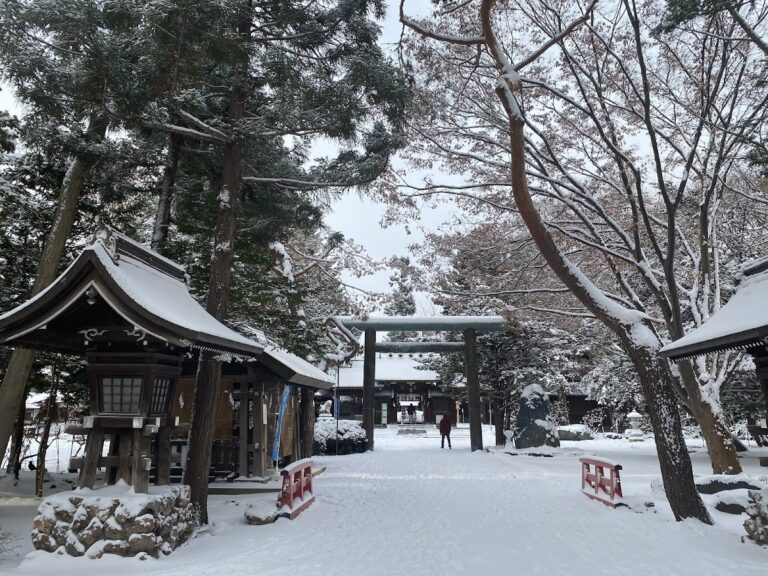
Despite being in an urban area, Kotoni Shrine’s grounds are surrounded by lush greenery. Large trees stand tall, allowing visitors to enjoy the beauty of nature throughout the seasons.
From cherry blossoms in spring, fresh greenery in summer, autumn leaves in fall, and snowscapes in winter, the shrine grounds show a different face with each season, offering a fresh and moving experience no matter how many times you visit.
Access and Visiting Information
Access by Public Transportation
Subway
Approximately 6 minutes on foot from Exit 5 of Kotoni Station on the Sapporo Municipal Subway Tozai Line. Walk west along Sakaemachi Street from the station, and you will see the shrine’s torii gate.
JR
Approximately 10 minutes on foot from Kotoni Station on the JR Hakodate Main Line. Exit the station and head south; the shrine will be located on Sakaemachi Street.
Bus
Several bus routes, including JR Hokkaido Bus and Chuo Bus, pass through the Kotoni area. The nearest bus stop is “Kotoni 1-jo 7-chome”.
Access by Car and Parking
Kotoni Shrine has a parking lot for visitors. However, congestion is expected during events such as festivals, so using public transportation is recommended.
It’s about a 20-minute drive from central Sapporo. Access from National Route 5 (Sapporo-Otaru National Highway) is also convenient.
Notes for Visitors
- The shrine office is open from 9:00 AM to 4:00 PM. The gates close at 4:00 PM.
- Please request Goshuin (shrine stamps) and amulets during these hours.
- The shrine grounds are a sacred place, so please pray quietly.
- Photography is permitted, but please be considerate of other visitors.
- Please refrain from bringing pets and observe proper etiquette.
Tourist Attractions Around Kotoni Shrine
Commercial Facilities in the Kotoni Area
Kotoni, located in the heart of Sapporo’s Nishi Ward, is home to numerous commercial facilities. You can enjoy shopping and dining before or after visiting the shrine.
The area around Kotoni Station boasts a wide variety of large supermarkets, restaurants, and cafes, making it a popular spot for locals. Many establishments offer Hokkaido’s unique cuisine, making it a recommended destination for tourists as well.
Other Shrines and Temples
Sapporo has many other shrines and temples. When visiting Kotoni Shrine, it’s a good idea to also visit other shrines belonging to the Hokkaido Shrine Association.
In central Sapporo, there’s Hokkaido Jingu Shrine, and in the Maruyama area, there’s Hokkaido Jingu Tongu Shrine, each with its own distinctive features.
Reasons Why Kotoni Shrine is Considered a Power Spot
There are several reasons why Kotoni Shrine has become known as a power spot for matchmaking and academic success.
Strong Energy Rooted in the History of Settlement
The history of the Tondenhei (frontier soldiers) of the Meiji era, who pioneered new lands in a harsh natural environment. Many visitors feel that the strong will and efforts of the ancestors who overcame those difficulties still permeate the shrine grounds.
The divine virtues of the enshrined deity, Takehaya Tomoo-no-kami (Date Shigezane-ko), who accomplished the great undertaking of pioneering, give courage and strength to us living in the modern age.
Diverse Blessings from Multiple Deities
Kotoni Shrine enshrines many deities, centered around Takehaya Tomoo-no-kami, including Amaterasu Omikami, Toyouke Omikami, and the deities of the subsidiary shrines. This diversity enhances its appeal as a power spot that can grant various wishes.
In particular, because it enshrines deities of matchmaking and learning, many young people visit to pray for success in love and success in examinations.
A Sacred Atmosphere Preserved Despite Being in an Urban Area
Kotoni is located in the heart of Sapporo’s Nishi Ward, surrounded by commercial facilities and residential areas. However, stepping into the grounds of Kotoni Shrine is like entering another world, enveloped in tranquility and sacredness.
This “urban oasis” is the perfect place to escape the hustle and bustle of everyday life, find peace of mind, and offer prayers with heartfelt wishes. Many visitors describe feeling a “sacred energy” here, a testament to this special atmosphere.
A Faith Rooted in the Community
Kotoni Shrine has been cherished by the local community since its founding. Many local residents participate in annual events, including the festival, forming a community centered around the shrine.
This deep faith of the local people can be said to enhance the shrine’s energy. Tourists can also sense this warm atmosphere.
Etiquette for Visiting Kotoni Shrine
When visiting a shrine, it is important to observe basic etiquette.
How to Pass Through the Torii Gate
The torii gate is the entrance to the sacred area. Before passing through the torii gate, bow and compose yourself before entering the grounds. The center of the path is considered the path of the gods, so it is polite to walk along the sides.
How to Purify Yourself at the Water Basin
- Take the ladle with your right hand and purify your left hand.
- Switch the ladle to your left hand and purify your right hand.
- Switch the ladle back to your right hand, receive water in your left hand, and rinse your mouth (do not put your mouth directly on the ladle).
- Purify your left hand once more.
- Stand the ladle upright and pour water over the handle to purify it.
- Return the ladle to its original position.
How to Worship at the Main Hall
- Quietly place your offering in the offering box.
- If there is a bell, ring it.
- Bow twice, clap twice, bow once (bowing deeply twice, clapping twice, bowing deeply once).
- Recite your wish silently in your heart.
Manners on the Shrine Grounds
- Do not speak loudly or make noise.
- Refrain from smoking and eating outside of designated areas.
- Take your trash with you.
- Do not damage plants or buildings.
- Remember to be considerate of other visitors.
Kotoni Shrine and the Hokkaido Association of Shinto Shrines
Kotoni Shrine is one of the shrines belonging to the Hokkaido Association of Shinto Shrines. The Hokkaido Association of Shinto Shrines is an organization that encompasses shrines throughout Hokkaido, providing support for shrine management, training of Shinto priests, and promoting Shinto culture.
The Hokkaido Association of Shinto Shrines’ website provides information on Kotoni Shrine and other shrines throughout Hokkaido. It also offers various information on Shinto culture, including Hokkaido’s annual events, the basics of Shinto rituals, and information on Gagaku (ancient Japanese court music).
When visiting Kotoni Shrine, referring to leaflets and promotional materials issued by the Hokkaido Association of Shinto Shrines will allow you to understand the shrine’s history and culture more deeply.
Summary: Recommendation for Visiting Kotoni Shrine
Kotoni Shrine is a valuable shrine that conveys the history of Hokkaido’s development, and at the same time, it is a popular power spot for matchmaking and prayers for success in examinations.
The deep history beginning with the settlement of Tondenhei (frontier soldiers) in 1875, the diverse deities enshrined there, including Takehaya Chio-no-kami, and the sacred atmosphere preserved despite its urban location—all of these elements contribute to the charm of Kotoni Shrine.
Conveniently located just a 6-minute walk from Kotoni Subway Station, Kotoni Shrine offers a tranquil escape, like entering another world. It’s a shrine you should definitely visit when sightseeing in Sapporo.
Receiving a Goshuin (shrine stamp), a protective amulet, and leisurely praying while appreciating the nature within the grounds—such time will soothe your daily fatigue and give you renewed energy.
Kotoni Shrine is visited by people with various wishes, such as finding love, passing exams, family safety, and business prosperity. Why not take a moment to reflect on the history of Hokkaido’s development while offering a peaceful visit?