Kumano Shrine (Kuromatsunai-cho, Suttsu-gun, Hokkaido) Complete Guide: Detailed Explanation of History, Access, and Benefits
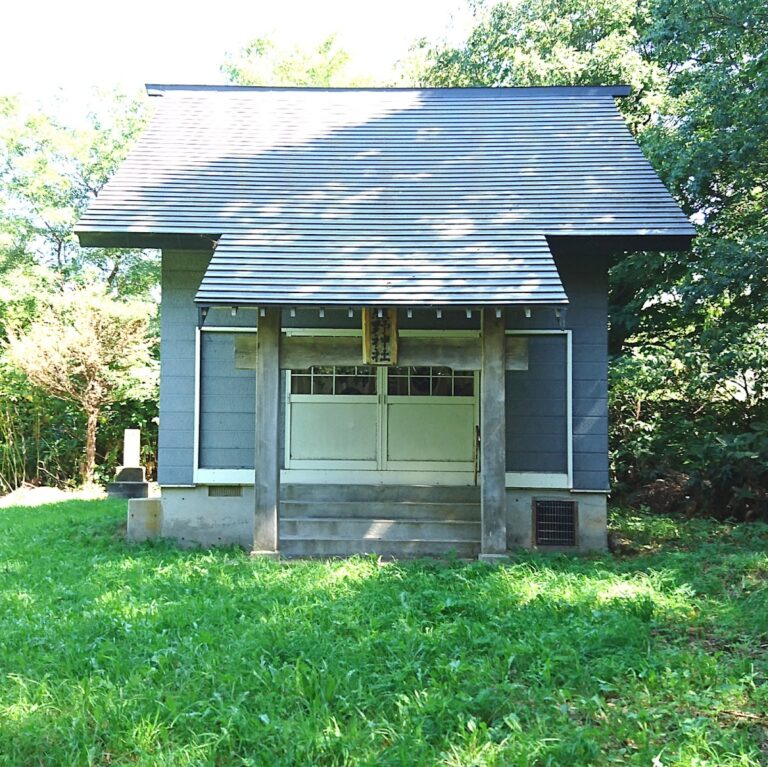
Located in Minamisakukai, Kuromatsunai-cho, Suttsu-gun, Hokkaido, Kumano Shrine is a historic shrine that has watched over the region since the pioneering days. This shrine, which follows the tradition of Kumano faith, having been established through the enshrinement of deities from the Kumano Sanzan shrines on Honshu, remains a cherished spiritual center for the local residents.
This article provides a detailed explanation of Kumano Shrine’s history, enshrined deities, benefits, access methods, and festival information—all essential information to know before visiting.
Basic Information about Kumano Shrine
Location and Access
Location: 168 Minami-Sakukai, Sakukai-mura, Kuromatsunai-cho, Suttsu-gun, Hokkaido
Contact: 01367-2-4351
Access Method:
- Take the Niseko Bus bound for Suttsu from JR Hakodate Main Line Oshamanbe Station
- Get off at the “Minami-Sakukai” bus stop and it’s within walking distance
- By private car, it’s accessible via National Route 5 and the Hokkaido Prefectural Road Suttsu-Kuromatsunai Line
Kuromatsunai-cho is located almost midway between Sapporo and Hakodate, and is a region blessed with abundant nature. Kumano Shrine is situated in the center of the Minami-Sakukai area and is cherished as a spiritual pillar of the community.
Shrine Rank and Size
Former Shrine Rank: Unranked Shrine
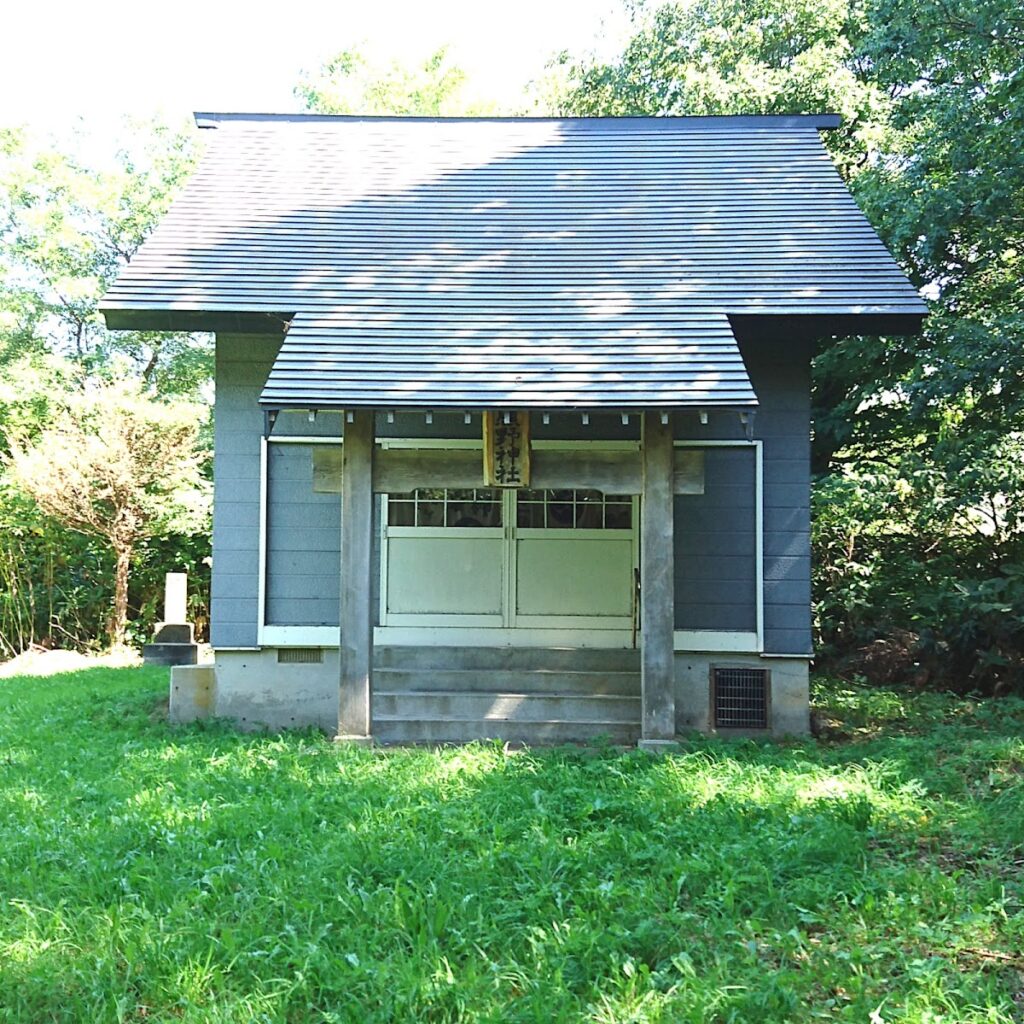
Shrine Building Style: Nagare-zukuri (flowing style)
Shrine Building Area: 8 tsubo (approx. 26.5 sq m)
Shrine Grounds Area: 694 tsubo (approx. 2,000 sq m)
Number of Parishioner Households: Approximately 50 households
The Nagare-zukuri style is one of the most common styles of Japanese shrine architecture, characterized by its elegant shape with a long, extended eaves at the front of the roof. The shrine grounds are relatively spacious at 694 tsubo, providing a tranquil environment for worship.
Deities and Benefits of Kumano Shrine
Deities
Kumano Shrine enshrines the following three deities:
- Izanagi-no-Mikoto
- The god of creation in Japanese mythology
- The father of many gods, including Amaterasu-Omikami
- Presides over creation and the source of life
- Izanami-no-Mikoto
- The wife of Izanagi-no-Mikoto
- The mother goddess who co-created the land and the gods
- Symbolizes the power to create all things
- Susanoo-no-Mikoto
- The son of Izanagi-no-Mikoto and Izanami-no-Mikoto
- A heroic god known for slaying Yamata-no-Orochi
- Worshipped as a god of protection against misfortune and disaster
This combination of three deities strongly reflects the characteristics of Kumano faith. The divine couple Izanagi-no-Mikoto and Izanami-no-Mikoto are the parents of Ietsumiko-no-Okami (Susanoo-no-Mikoto), the principal deity of Kumano Hongu Taisha Shrine, and represent the faith system of the Kumano Sanzan (Three Grand Shrines of Kumano).
Benefits
Main benefits believed to be obtained at Kumano Shrines:
Matchmaking and Marital Harmony: Because the shrine enshrines the divine couple Izanagi-no-Mikoto and Izanami-no-Mikoto, it is believed to bring good fortune in relationships and marital harmony.
Childbearing and Safe Childbirth: Due to the divine virtue of Izanami-no-Mikoto, who gave birth to many gods, worshippers visit the shrine to pray for children and safe childbirth.
Protection from Misfortune and Disaster: Due to the powerful divine authority of Susanoo-no-Mikoto, it is believed to ward off misfortune and protect the safety of the home.
Abundant Harvest and Business Prosperity: As the guardian deity of the pioneering settlement, prayers can be offered for the prosperity of agriculture and business.
Healing from Illness and Longevity: Because the shrine enshrines the gods who are the source of life, it is believed to bring blessings of health and longevity.
History and Origins of Kumano Shrine
Kumano Faith and Hokkaido Development
Kumano faith is an ancient Japanese mountain worship tradition originating from the Kumano Sanzan (Kumano Hongu Taisha, Kumano Hayatama Taisha, and Kumano Nachi Taisha) in Wakayama Prefecture. From the Heian period to the Kamakura period, it attracted so many pilgrims that it was called “the ant-like pilgrimage to Kumano,” and Kumano shrines were established throughout the country.
In Hokkaido, when full-scale development began in the Meiji era, people who migrated from Honshu invited deities from their hometown shrines and prayed for peace and security in their new lives and the success of their development. It is believed that the Kumano Shrine in Kuromatsunai Town was founded within this history of development. ### History of Kuromatsunai Town and Minami-Sakukai District
Kuromatsunai Town is located at the southern tip of the Shiribeshi region of Hokkaido and belongs to Suttsu District. The town’s name is said to originate from either the Ainu word “Kuru-matsu-nai” (river where Japanese women reside) or from the fact that many black pine trees grew there.
Minami-Sakukai district is one of the areas in Kuromatsunai Town that saw early development. The place name “Sakukai” is thought to originate from “Sakukaichi,” meaning land cleared and cultivated. The pioneers faced a harsh natural environment, helping each other and building a community.
Kumano Shrine was founded as a spiritual support for these pioneers, and has received people’s prayers in all aspects of life, including prayers for a bountiful harvest, protection from evil, and prosperity of descendants.
Development and Present State of the Shrine
Kumano Shrine, which is thought to have been a simple shrine at its founding, has seen its buildings developed along with the development of the region. The current Nagare-zukuri style shrine building follows traditional shrine architecture while being adapted to Hokkaido’s climate and environment.
The term “unranked shrine” refers to a shrine that did not receive an official ranking under the modern shrine ranking system of the Meiji era. However, this does not necessarily indicate the shrine’s value or importance. Rather, it can be seen as evidence that it has been carefully preserved by its parishioners as a simple place of worship deeply rooted in the community.
Currently, it is maintained and managed by approximately 50 parishioner households, and annual events, including the annual festival, are held. Even in a rural area facing depopulation, it remains a valuable presence, continuing to function as the center of the local community.
Annual Festival and Annual Events
Annual Festival Date
Annual Festival Date: August 20th
The annual festival is the most important festival for the shrine, a ceremony to honor the enshrined deity and praise their divine virtues. The annual festival of Kumano Shrine is held every year on August 20th.
The summer festival is often held to coincide with the end of the agricultural work season, and it embodies gratitude for a bountiful harvest and prayers for a good autumn harvest. Parishioners and local residents gather, and after the Shinto rituals, a celebratory feast (naorai) is held, providing a valuable opportunity to deepen community bonds.
Details of the Annual Festival
On the day of the annual festival, the Shinto rituals are performed in the following order:
- Shubatsu (purification): A ceremony to purify the attendees and the festival grounds.
- Kensen (offering of food): Offering of food to the gods.
- Norito Sojo (recitation of prayers): The Shinto priest recites prayers.
- Tamagushi Houten (offering of sacred branches): Representatives of the parishioners and guests offer sacred branches.
- Tessen (removal of offerings): Removal of the offerings.
- Naorai (post-ritual meal): A meal after the Shinto rituals.
In some regions, children’s portable shrines and devotional performances may be held, making it a place for intergenerational exchange.
Other Annual Events
In addition to the annual festival, the following annual events may also be held:
New Year’s Day Festival (January 1st): Celebrating the New Year and praying for peace throughout the year
Spring Festival: Praying for a bountiful harvest to coincide with the start of farming work
Autumn Festival: A festival of gratitude for the harvest
Monthly Festival: Regular rituals held on a fixed day each month
For specific dates and details, it is recommended to inquire with the shrine or the Hokkaido Shrine Association.
Points and Manners for Visiting a Shrine
Etiquette for Visiting a Shrine
There are basic manners to observe when visiting a shrine. When visiting Kumano Shrine, please observe the following manners.
How to Pass Through a Torii Gate:
- The torii gate is the entrance to the sacred area.
- Bow before passing through.
- Walk along the edge of the path, as the center is considered the path of the gods.
How to Perform the Water Purification Ritual:
- If there is a water basin, purify yourself before praying.
- Take the ladle with your right hand and purify your left hand.
- Switch the ladle to your left hand and purify your right hand.
- Switch the ladle back to your right hand, receive water in your left hand, and rinse your mouth.
- Finally, stand the ladle upright and purify the handle.
How to Pray at the Main Hall:
- Stand in front of the offering box.
- Bow slightly before placing your offering.
- If there is a bell, ring it.
- Pray using the “two bows, two claps, one bow” method.
- Bow deeply twice.
- Clap your hands twice.
- Pray sincerely.
- Bow deeply once.
Attire and Items to Bring When Visiting a Shrine
Attire:
- Please wear clean clothing appropriate for a sacred place.
- Avoid excessive exposure.
- Consider Hokkaido’s climate and take appropriate measures against cold and heat depending on the season.
Items to Bring:
- Offering money (it’s convenient to have small change).
- Camera (check where photography is permitted beforehand).
- Goshuincho (stamp book) (if you wish to receive a Goshuin stamp).
Regarding Photography
Photography is generally permitted at shrines, but please note the following:
- Do not take photos in areas where photography is prohibited, such as inside the main hall.
- Be considerate and avoid disrupting Shinto rituals.
- Respect the privacy of other worshippers.
- When posting on social media, be mindful of content that does not tarnish the dignity of the shrine.
The Charms of Kuromatsunai Town and Surrounding Sightseeing
About Kuromatsunai Town
Kuromatsunai Town is a town with a population of approximately 2,700 (as of 2024) located in the southwestern part of Hokkaido, within the Shiribeshi region. Known as the “Northernmost Limit of Beech Trees,” this area is characterized by its rich natural environment.
Main Features:
- Located on the watershed between the Sea of Japan and the Pacific Ocean
- Natural beech forest designated as a natural monument as the northernmost limit of beech trees
- Thriving agriculture, primarily dairy farming
- A naturally rich environment with the clear waters of the Shutagawa River
Nearby Tourist Attractions
Kuromatsunai Town and surrounding tourist attractions to visit in conjunction with a visit to Kumano Shrine:
Utasai Beech Forest:
A representative tourist spot in Kuromatsunai Town. Designated as a natural monument as the northernmost limit of beech trees, it features well-maintained walking trails. Enjoy the beautiful scenery throughout the seasons.
Toi Vert:
A popular facility known for its cheese and ice cream made with fresh local milk. A restaurant is also attached, where you can enjoy dishes made with local ingredients.
Kuromatsunai Onsen Buna no Mori:
A hot spring facility where day trips are also possible. Relax and soothe your fatigue in the hot springs after visiting the shrine.
Kuromatsunai Roadside Station:
A roadside station featuring local specialties and fresh agricultural products. Convenient for taking a break and gathering information.
Easily Accessible Surrounding Areas
Suttsu Town:
A port town facing the Sea of Japan. Known for its fresh seafood, “Suttsu Atka mackerel” is particularly famous.
Niseko Area:
A world-famous ski resort. Summer offers activities such as mountain climbing and rafting.
Oshamanbe Town:
A town known for its hot springs and crab rice. Also a key point on the JR Hakodate Main Line.
Hokkaido’s Kumano Shrine Network
Other Kumano Shrines in Hokkaido
Besides Kuromatsunai Town, there are several other Kumano Shrines in Hokkaido:
Kumano Shrine in Matsumae Town, Matsumae District:
- Location: 115 Oiso, Matsumae Town, Matsumae District
- Former Shrine Rank: Village Shrine
- Has a history dating back to the Matsumae Domain era
Kumano Shrine in Kyowa Town, Iwanai District:
- Location: 89-31 Miyaoka, Kyowa Town, Iwanai District
- Worshipped as a guardian deity of the region
These shrines have cultivated their own unique history and beliefs in their respective regions. They are valuable cultural heritage sites for understanding the history of Hokkaido’s development.
The Spread of Kumano Faith
Kumano Shrines, said to number around 3,000 nationwide, are a group of shrines with the Kumano Sanzan (Three Grand Shrines of Kumano) as their head shrine. The tradition of pilgrimages to Kumano, which has continued since the Heian period, was so popular that it was called “the Kumano pilgrimage of ants,” attracting people from all walks of life, from royalty to commoners.
A characteristic of Kumano faith is its syncretism of Shinto and Buddhism, and its tolerance for all people. As the saying goes, “Kumano does not abhor purity or impurity,” it was an open faith that welcomed pilgrims regardless of social status or gender.
This spirit has been passed down to Kumano shrines in Hokkaido, and has been a source of spiritual support for people in the harsh environment of the pioneering era.
Relationship with the Hokkaido Association of Shinto Shrines
What is the Hokkaido Association of Shinto Shrines?
The Hokkaido Association of Shinto Shrines is a religious corporation that encompasses shrines in Hokkaido and is a regional branch of the Association of Shinto Shrines. It oversees approximately 600 shrines in Hokkaido, providing support for shrine management, training Shinto priests, and promoting Shinto culture.
Main Activities:
- Guidance and support regarding the operation and management of shrines
- Training and education of Shinto priests
- Public relations and educational activities regarding Shinto
- Protection of cultural properties of shrines
- Collaboration with local communities
Kumano Shrine and the Association of Shinto Shrines
Kumano Shrine in Kuromatsunai Town is also affiliated with the Hokkaido Association of Shinto Shrines, and basic information is available on the Association’s website. Inquiries about the shrine and detailed information regarding visits can also be obtained through the Association of Shinto Shrines.
The Association of Shinto Shrines also publishes leaflets and promotional materials introducing shrines in Hokkaido, which can be helpful for visiting shrines throughout the prefecture.
How to Enjoy Your Visit After Worshiping
About Goshuin (Shrine Seals)
In recent years, collecting goshuin has become a popular way to enjoy shrine visits. Goshuin are ink writings and red seals given at shrines as proof of worship, and are recorded in a goshuincho (shrine seal book).
It is recommended to check in advance whether you can obtain a goshuin at Kumano Shrine. In the case of small shrines, there may not be a resident priest, and they may only be available on special days such as annual festivals.
Manners for receiving a Goshuin (shrine stamp):
- Always pray before receiving the stamp.
- Prepare a Goshuincho (stamp book) (avoid notebooks or colored paper).
- Prepare a donation (around 300-500 yen).
- Don’t forget to express your gratitude to the priest.
Interaction with the Community
Visiting a shrine is an excellent opportunity to learn about the history and culture of the region. Participating in events such as annual festivals allows you to enjoy interacting with the local people.
Kuromatsunai Town is a small town, but it is a charming area inhabited by warm-hearted people. Why not discover the charm of the region through a visit to a shrine?
Precautions When Visiting the Shrine
Seasonal Precautions
Spring (April-June):
- The ground may be muddy due to melting snow.
- Waterproof shoes are recommended.
- Layering is recommended due to large temperature fluctuations.
Summer (July-September):
- Insect repellent is useful.
- Wear a hat and sunscreen on sunny days.
- Don’t forget to stay hydrated.
Autumn (October-November):
- A beautiful season for autumn foliage.
- Take precautions against the cold in the mornings and evenings.
- Be careful as fallen leaves can make the ground slippery.
Winter (December-March):
- Beware of snow and ice.
- Winter boots and warm clothing are essential.
- It is recommended to check the snow removal situation in advance.
Precautions When Using Public Transportation
Since the number of buses is limited, check the timetable in advance and plan your trip with plenty of time to spare. Especially during winter, there is a possibility of cancellations or delays, so it is important to check the latest information.
Summary: Finding Peace of Mind at Kumano Shrine
Kumano Shrine in Kuromatsunai-cho, Suttsu-gun, Hokkaido, is a historic shrine that has watched over the region since the pioneering days. It enshrines three deities: Izanagi-no-Mikoto, Izanami-no-Mikoto, and Susanoo-no-Mikoto, and is believed to offer various blessings, including matchmaking, protection from evil, and abundant harvests.
Every year, during the annual festival on August 20th and other annual events, local people gather to preserve and pass on traditions. This shrine, carefully maintained by approximately 50 parishioners, plays an important role as a community center even in a rural area facing depopulation.
When visiting Kuromatsunai-cho, surrounded by the rich nature of Hokkaido, why not visit Kumano Shrine and pray for peace of mind while reflecting on the history of pioneering? Spending time in the tranquil grounds of the shrine will be a precious moment that allows you to forget the hustle and bustle of everyday life.
When visiting, please show respect for the history of the shrine and the enshrined deities, and pray with sincerity and proper etiquette. We also hope you will enjoy the nature, culture, and warm-hearted people of Kuromatsunai Town.