Complete Guide to Kunimitsu Shrine (Hiroshima Prefecture): History, Benefits, Access, and Visiting Information
Kunimitsu Shrine, located in Hiroshima Prefecture, has long been a place of worship for people, deeply intertwined with the region’s history. This article provides a detailed explanation of everything you need to know before visiting, from the shrine’s history and benefits to visiting information and access methods.
What is Kunimitsu Shrine?
Kunimitsu Shrine is a shrine located in Hiroshima Prefecture with a long history as a guardian deity of the region. The name “Kunimitsu” is thought to embody the meaning of “light of the nation,” that is, a wish for the prosperity of the country and the development of the region.
It is sometimes affectionately called “Kunimitsu-san” by local residents, and plays a central role in the community, from daily worship to annual events.
History and Origins of Kunimitsu Shrine
Founding History
The founding date of Kunimitsu Shrine is passed down based on local traditions and records. Like many local shrines, its origins are ancient, and it is believed that people began worshipping there to pray for abundant harvests and peace in the region, alongside the development of the land and agriculture.
Historical Changes
During the Edo period, it was established as the local tutelary deity (ubusunagami), and with the establishment of the shrine system in the Meiji era, it was officially recognized as a shrine. Before and during the war, it served as a spiritual anchor for local residents, and after the war, it has walked hand in hand with the times as a shrine that watched over reconstruction and development.
In recent years, it has also focused on protecting local cultural properties and preserving traditional events, playing an important role as a place for cultural transmission to future generations.
Deities and Benefits
Deities
The deities enshrined at Kokko Shrine are revered as guardian deities of the region. While the specific deities enshrined may vary from shrine to shrine, the following gods are generally worshipped:
- Amaterasu Omikami: The supreme deity of Japan
- Susanoo-no-Mikoto: God of protection against misfortune and disaster
- Okuninushi-no-Mikoto: God of matchmaking and business prosperity
Main Benefits
Kunimitsu Shrine is believed to offer the following benefits:
- Family Safety: Protection of family health and peaceful living
- Abundant Harvest: Abundant agricultural harvests and food blessings
- Business Prosperity: Success and prosperity in business
- Protection from Misfortune and Disaster: Protection from various calamities
- Matchmaking: Blessing with good relationships
- Academic Achievement: Improvement in studies and passing examinations
- Traffic Safety: Protection for safe travel
Highlights of the Shrine Grounds
Main Hall and Worship Hall
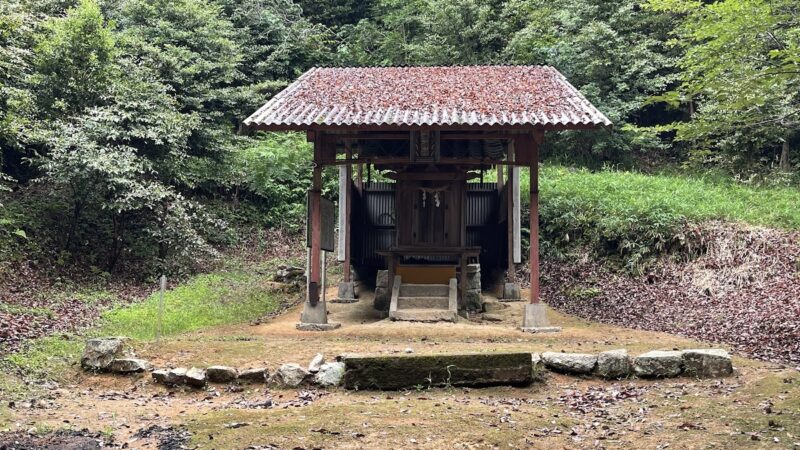
The main hall of Kokumitsu Shrine preserves the traditional style of shrine architecture. Daily worship takes place in the worship hall, where one can calm their mind and offer prayers in a tranquil atmosphere.
Subsidiary Shrines
Several subsidiary shrines (auxiliary shrines and minor shrines) are sometimes enshrined around the main hall. Each enshrines a different deity, and worshippers visit them seeking specific blessings.
Sacred Trees and Nature
The shrine grounds welcome visitors with sacred trees that have stood for centuries and the changing seasons of nature. In particular, large trees hundreds of years old exude a sacred atmosphere, serving as living witnesses to the history of the shrine.
Water Basin
At the water basin, where one purifies their mind and body before worship, one should cleanse their hands and mouth according to the correct etiquette. The pure flow of water serves to purify the hearts of worshippers.
Annual Events and Festivals
At Kunimitsu Shrine, various Shinto rituals and festivals are held throughout the year.
Main Annual Events
- New Year’s Day Festival (January 1st): Praying for happiness and peace in the new year
- Setsubun Festival (around February 3rd): Driving away evil spirits and inviting good fortune with bean-throwing
- Spring Grand Festival: Celebrating the arrival of spring and praying for a bountiful harvest
- Summer Purification Ceremony (June 30th): Cleansing away the impurities accumulated over the past six months
- Autumn Grand Festival: Expressing gratitude for the harvest and praying for the prosperity of the community
- Shichi-Go-San Festival (November): Celebrating the growth of children and praying for their healthy development
- Year-End Purification Ceremony (December 31st): Cleansing away the impurities of the year and preparing for the new year
Characteristics of the Grand Festivals
The Autumn Grand Festival is held on a particularly grand scale, featuring a procession of portable shrines and devotional performances, making it a community-wide festival. This is the largest event in the region, bustling with stalls and many worshippers.
Goshuin (Shrine Seals) and Other Items
Goshuin (Shrine Seals)
At Kokumitsu Shrine, you can receive a goshuin as proof of your visit. The goshuin will have the shrine’s name and the date of your visit written in ink, and a red seal will be stamped on it. You can bring your own goshuincho (seal book) or purchase one at the shrine.
Goshuin (Shrine Stamp) Reception Hours: Generally from 9:00 AM to around 5:00 PM (may vary depending on the shrine)
Main Items Offered
- Amulets: Various types for family safety, traffic safety, academic success, etc.
- Ofuda (Sacred Talismans): To be placed on the household shrine
- Ema (Votive Tablets): To be offered after writing a wish
- Omikuji (Fortune Slips): Messages from the gods
- Hama-ya (Demon-Repelling Arrows): A lucky charm to ward off evil and bring good fortune
How to Worship and Etiquette
Basic Worship Etiquette
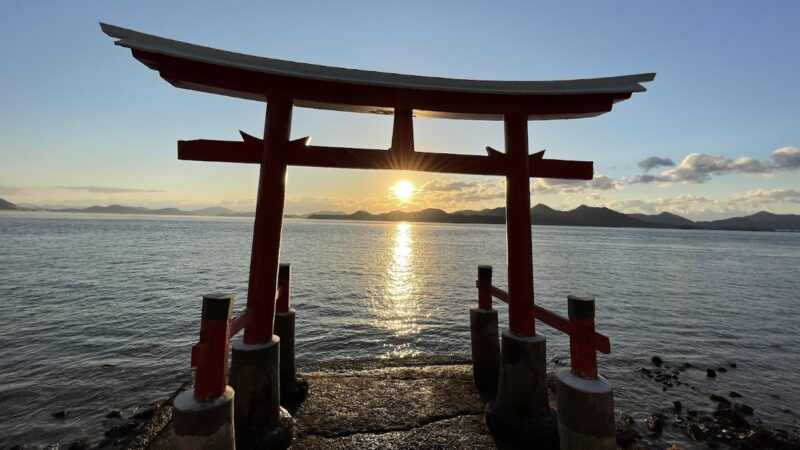
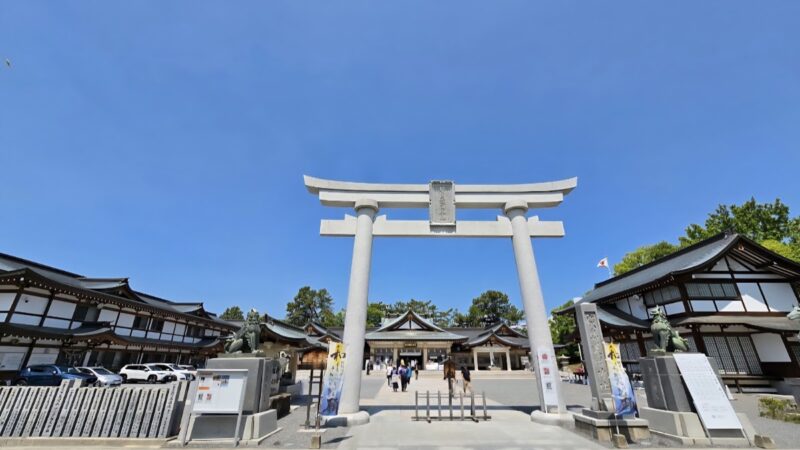
- Bow before the Torii Gate: Show respect before entering the sacred area
- Purify at the Water Basin:
- Hold the ladle in your right hand and purify your left hand
- Switch to your left hand and purify your right hand
- Hold the ladle in your right hand again, receive water in your left hand, and rinse your mouth
- Finally, stand the ladle upright to purify the handle
- Walk along the edge of the approach to the shrine: The center is considered the path for the gods.
- Etiquette in front of the main hall:
- A slight bow
- Quietly place your offering in the offering box
- Ring the bell if there is one
- Two bows, two claps, one bow (two bows, two claps, one bow)
- Make your wish quietly in your heart
- Bow when leaving: Turn around and bow before leaving the torii gate.
Attire for visiting
There are no particularly strict dress code regulations, but it is desirable to wear clothing that reflects the sacred nature of the place. For formal worship or prayers, a suit or formal attire is appropriate.
Access Information
Location
Located in Hiroshima Prefecture (Specific addresses vary depending on the shrine)
Access by Public Transportation
Access methods from the nearest station vary depending on the shrine’s location. Generally:
- Train: Walk or take a bus from the nearest JR Sanyo Main Line or Hiroshima Electric Railway station.
- Bus: Use local bus routes and walk from the nearest bus stop.
Access by Car
- Take local roads from the nearest interchange on the Sanyo Expressway or Hiroshima Expressway.
- Parking availability and capacity vary by shrine; prior confirmation is recommended.
Parking Information
While parking is often provided for visitors, congestion is expected during events such as annual festivals. Consider using public transportation.
Precautions When Visiting the Shrine
Manners and Etiquette
- Silence: Please refrain from speaking loudly on the shrine grounds and pray quietly.
- Photography: Please be aware of areas where photography is prohibited, such as inside the main hall.
- Pets: As a general rule, please refrain from bringing pets onto the shrine grounds.
- Smoking and Eating: Please refrain from smoking and drinking outside of designated areas.
- Garbage: Please take your trash home or dispose of it in the designated trash cans.
Best Time to Visit
Kunimitsu Shrine is open for worship throughout the year, but the following times are especially recommended:
- New Year’s Visit (January 1st-3rd): For New Year’s prayers.
- Spring Cherry Blossom Season: Enjoy the natural beauty of the shrine grounds.
- Autumn Grand Festival: The busiest time of year.
- Shichi-Go-San Season (November): Celebrating children’s growth.
Nearby Tourist Attractions
When visiting Kunimitsu Shrine, you can also visit nearby tourist attractions.
Major Tourist Attractions in Hiroshima Prefecture
- Hiroshima Peace Memorial Park: A place to pray for world peace
- Itsukushima Shrine (Miyajima): A World Heritage Site with a large torii gate floating in the sea
- Onomichi: A charming port town known for its hills
- Kure: A naval port city that tells the history of the navy
Connections with the Community
Kunimitsu Shrine is not merely a tourist spot; it is deeply connected to the lives of local residents.
Center of the Local Community
- Parishioner Organization: Maintenance and management of the shrine by local residents
- Festival Management: Preparation and implementation of the annual festival with the participation of the entire community
- Cleaning Activities: Participation in regular cleaning of the shrine grounds
- Preservation of Traditional Culture: Transmission of Kagura (sacred dance) and festival traditions to children
Social Contribution Activities
Many shrines engage in various social contribution activities, such as serving as disaster prevention bases for the community, protecting cultural properties, and promoting the healthy development of young people.
The Charm of Kunimitsu Shrine
Historical Value
Kunimitsu Shrine plays an important role as a valuable cultural heritage site that conveys the history of the region to the present day. Ancient documents and votive offerings contribute to the study of local history.
A Place of Spiritual Healing
Escape the hustle and bustle of modern society and find a place to quietly reflect on yourself. Kunimitsu Shrine offers spiritual peace to many people.
Harmony with Nature
The rich natural environment of the shrine grounds displays different expressions throughout the seasons, allowing visitors to feel the changing seasons. The greenery of the ancient trees and the seasonal flowers, in particular, soothe the soul.
Visitor Voices
Local Residents
“This is a shrine I’ve been familiar with since childhood. I always visit at important milestones in my life.”
“I love the quiet and peaceful atmosphere. It feels like my soul is being cleansed.”
Tourists
“It was a shrine with a warm atmosphere deeply rooted in the community.”
“The goshuin (shrine stamp) was carefully and beautifully made, a wonderful memento.”
Future Prospects
Kunimitsu Shrine is developing activities that are in line with the times while preserving tradition.
Protection of Cultural Properties
Efforts are underway to restore aging shrine buildings and preserve valuable cultural properties.
Strengthening Information Dissemination
Efforts are being made to convey the charm of the shrine to more people through social media and websites.
Passing on to the Next Generation
Efforts are continuing to pass on traditional culture to younger generations and to explore new ways of engaging with the shrine.
Summary
Kunimitsu Shrine is a valuable shrine that conveys the history and culture of Hiroshima Prefecture to the present day. It is a place of worship for local residents, and at the same time, it provides visitors with peace of mind and an opportunity to experience traditional Japanese culture.
From visits marking life’s milestones like New Year’s Day and Shichi-Go-San (a traditional rite of passage for children), to everyday solace, and even as a destination for sightseeing and historical exploration, Kunimitsu Shrine is cherished in many ways.
When visiting Hiroshima, be sure to stop by Kunimitsu Shrine and experience its history and atmosphere firsthand. The time spent praying in its tranquil grounds will surely be a memorable experience.
When visiting, please observe basic etiquette and manners, be mindful that this is a sacred place, and spend your time quietly contemplating the deities.