Kurotona Shrine (Yamanashi City, Yamanashi Prefecture) Complete Guide | History, Goshuin (Shrine Seal), and Access Information
Kurotona Shrine, located in Kurashina, Makioka-cho, Yamanashi City, Yamanashi Prefecture, is a venerable shrine with a long history dating back to ancient times. As a shrine of high status listed in the Engishiki Jinmyocho (a list of shrines compiled in the Heian period), it has attracted the faith of the local community. This article provides a detailed explanation of Kurotona Shrine’s history, enshrined deities, goshuin information, access methods, and highlights.
Basic Information on Kurotona Shrine
Kurotona Shrine is located at 4926 Kurashina, Makioka-cho, Yamanashi City, Yamanashi Prefecture, facing south on the banks of the Tsuzumi River. It is approximately 2 kilometers west of the former Makioka Town Hall, and is an ancient shrine nestled in a quiet mountainous area.
Location: 4926 Kurashina, Makioka-cho, Yamanashi City, Yamanashi Prefecture 404-0013
Former Shrine Rank: Gosha (Former Gosha)
Shikinaisha: Kurotona Shrine, Yamanashi District, Kai Province
Deity Enshrined: Susanoo-no-Mikoto
History and Origins of Kurotona Shrine
Founding and Ancient Records
Kurotona Shrine is said to have been founded during the reign of Emperor Keiko (around 71-130 AD), making it an extremely ancient shrine. According to shrine tradition, in the second year of the Taiho era (702 AD) under Emperor Monmu, it was renamed “Kurotona Shrine” by imperial decree. It is said that this name led to the entire area being called “Kurotona Village.”
Listing in the Engishiki Jinmyocho (Register of Shrines in the Engi Era)
The Engishiki Jinmyocho, compiled during the Heian period, lists the shrine as “Kurotona Shrine,” giving it the status of a Shikinaisha (a shrine listed in the Engishiki). During the medieval period, the shrine’s name was written as “Kuroshina,” but a dot was added to the character “shi,” resulting in “Kurotona Shrine” as recorded in the Engishiki Jinmyocho. Later, it came to be known as “Kurotona Shrine.”
This listing in the Engishiki Jinmyocho is important evidence that the shrine was officially recognized by the imperial court during the Heian period. While several Shikinaisha exist in Yamanashi County, Kai Province, Kurotona Shrine is considered one of the oldest.
Changes from the Medieval to the Early Modern Period
From the medieval period onward, Kurotona Shrine continued to function as a center of local faith. During the Sengoku period, in Kai Province, which was under the control of the Takeda clan, it is believed to have been revered as a guardian deity of the region.
During the Edo period, the shrine served as a local village shrine, attracting the faith of villagers and playing an important role as a place to pray for safety in agriculture and daily life. In the Meiji era’s reform of the shrine system, it was elevated to the rank of a Gosha (village shrine), recognized as a shrine of high status in the region.
Developments since the Modern Era
In the shrine system established after the Meiji Restoration, Kurotona Shrine was positioned as a former Gosha. During the Showa period, the shrine buildings were constructed and repaired, and the shrine has been maintained through donations from local residents and devotees.
Even today, it continues to attract many worshippers as a local tutelary shrine and a shrine of historical value as a Shikinaisha (a shrine listed in the Engishiki, an ancient Japanese legal code).
Deities and Divine Virtues
Susanoo-no-Mikoto
The deity enshrined at Kurotona Shrine is Susanoo-no-Mikoto. Susanoo-no-Mikoto is a god who plays an important role in Japanese mythology and is known as the younger brother of Amaterasu-Omikami.
The Divine Aspects of Susanoo-no-Mikoto:
- God of Protection Against Misfortune and Disaster
- God of Agriculture (Abundant Harvests)
- God of Matchmaking
- God of Healing from Illness
- God of Business Prosperity
Susanoo-no-Mikoto is known for the myth of slaying the Yamata no Orochi (eight-headed serpent) and is worshipped as a god with a brave and fearless character and immense power. He is also revered as a god of matchmaking because he married Inada-hime-no-Mikoto in Izumo Province.
Divine Virtues and Faith
The divine virtues you can expect from visiting Kurotona Shrine are as follows:
- Protection from Misfortune and Disaster: Through the powerful divine authority of Susanoo-no-Mikoto, you will be protected from all kinds of calamities.
- Abundant Harvest and Agricultural Protection: In Yamanashi, a region where agriculture thrives, the belief in praying for a bountiful harvest continues.
- Healing from Illness and Prayer for Good Health: The shrine is also deeply revered as a deity that wards off epidemics, attracting worshippers seeking good health.
- Family Safety and Community Peace: As the guardian deity of the region, it protects the safety of families and the peace of the community.
Highlights of the Shrine Grounds
Shrine Architecture
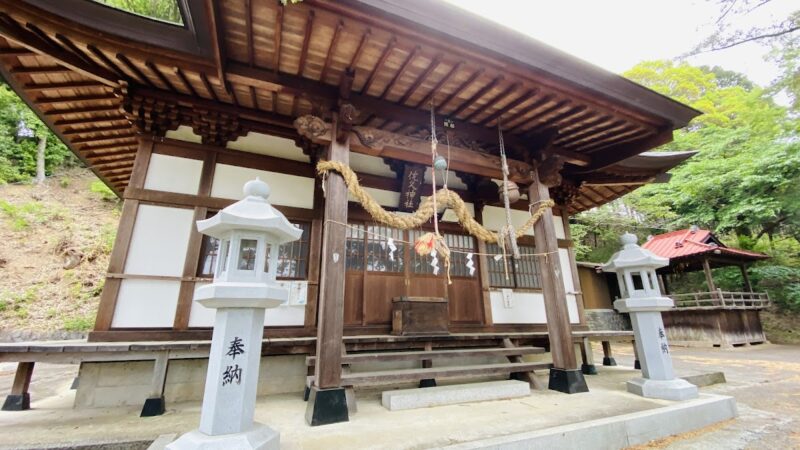
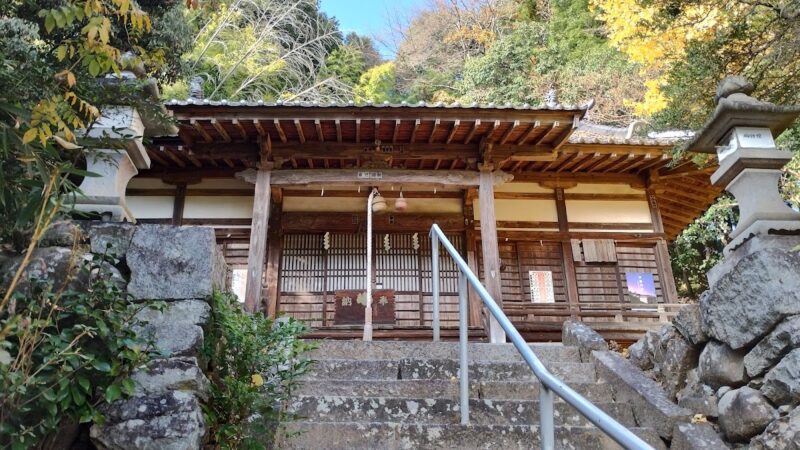
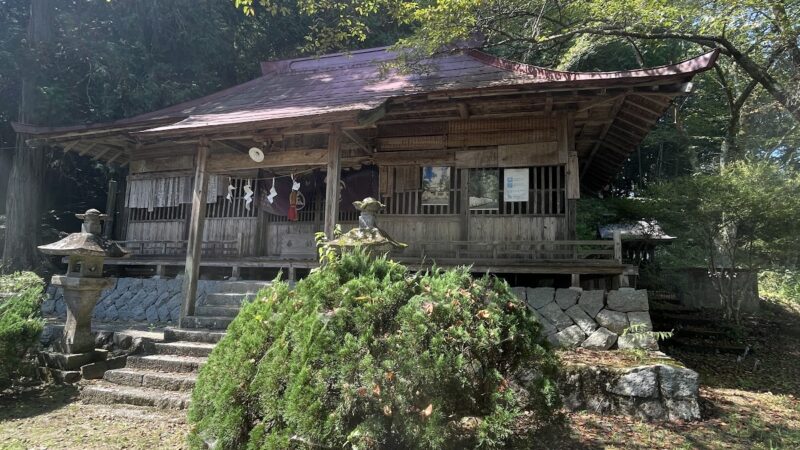
The shrine buildings of Kurotona Shrine are tasteful architecture that harmonizes with the quiet mountain environment. The main hall is constructed in the traditional shrine architectural style, exuding a sense of history.
The construction of the palace was made possible through repeated donations from local residents and devotees, and it has been carefully maintained ever since. From the main hall, one can see the clear waters of the Tsuzumigawa River, and one can feel the sacred atmosphere surrounded by nature.
Tsuzumigawa River and Natural Environment
Kurotona Shrine is situated on the banks of the Tsuzumigawa River, and the clear flow of water brings a refreshing feeling to the shrine grounds. Surrounded by abundant nature, visitors can enjoy the scenery of each season.
In spring, the grounds are lush with new greenery; in summer, deep green; in autumn, vibrant autumn leaves; and in winter, snowscapes. The shrine grounds, which show different expressions with each season, offer peace and tranquility to visitors.
Approach and Atmosphere of the Shrine Grounds
The approach leading to the shrine grounds is enveloped in a serene atmosphere. Located in a mountainous area, it offers a quiet place to worship away from the hustle and bustle of the city. The ancient trees lining the grounds tell a story of long history.
Goshuin Information
About the Issuance of Goshuin
Kurotona Shrine offers Goshuin (temple/shrine stamps). Goshuin are popular among many visitors as proof of their visit and as a memento of their visit.
Features of the Goshuin:
- Calligraphy of “Kurotona Shrine”
- Shrine seal
- Date inscription
Those wishing to receive a Goshuin should inquire at the shrine office after their visit. Even those without a Goshuin notebook may be given a pre-printed Goshuin.
Guidelines for Receiving a Goshuin
Goshuin are not merely commemorative stamps, but are given as proof of your visit to the shrine. Please observe the following points when receiving your Goshuin (temple/shrine stamp):
- First, visit the main shrine before receiving your Goshuin.
- Handle your Goshuincho (stamp book) carefully.
- Receive the stamp with gratitude.
- Offer your donation respectfully.
Access Information
Access by Car
Kurotona Shrine is most easily accessible by car.
From the Chuo Expressway:
- Approximately 30 minutes from Katsunuma IC
- Approximately 35 minutes from Ichinomiya-Misaka IC
The shrine is located about 2 kilometers west of the former Makioka Town Hall. Please follow the road along the Tsuzumigawa River.
Parking: There is parking space on the shrine grounds or nearby, but spaces are limited, so please be considerate of others during busy times.
Access by Public Transportation
Nearest Station: Shioyama Station, JR Chuo Main Line
Shioyama Station is a considerable distance away, so we recommend taking a taxi. The journey takes approximately 25-30 minutes. Bus services are limited, so we recommend checking the timetable in advance.
Nearby Tourist Attractions
Around Kurotona Shrine, there are several attractive tourist spots in Yamanashi City:
- Nishizawa Gorge: Enjoy the beautiful gorge scenery, including the Nanatsugama Godan Falls, which has been selected as one of Japan’s Top 100 Waterfalls.
- Fuefukigawa Fruit Park: A park facility where you can enjoy Yamanashi’s fruits.
- Kentoku-san: A mountain popular with mountain climbing enthusiasts.
- Makioka Onsen: A hot spring facility where you can relax after visiting the shrine.
Etiquette and Manners for Visiting a Shrine
Basic Etiquette for Visiting a Shrine
There are basic etiquette rules for visiting a shrine. When visiting Kurotona Shrine, please observe the following etiquette:
When passing through the torii gate:
- Bow before the torii gate
- Avoid walking in the center of the path (the center is the path of the gods)
- Be quiet within the shrine grounds
How to perform the purification ritual:
- Take the ladle with your right hand and purify your left hand
- Switch the ladle to your left hand and purify your right hand
- Switch the ladle back to your right hand, receive water in your left hand, and rinse your mouth
- Purify your left hand again
- Cleanse the handle of the ladle by standing it upright and return it to its original place
Worship at the main hall:
- Quietly place your offering in the offering box
- Ring the bell (if present)
- Bow twice, clap twice, and bow once
- Pray sincerely
Clothing and belongings when visiting
There are no specific dress code requirements, but please dress appropriately as this is a sacred place. Because the shrine is located in a mountainous area, please note the following:
- Comfortable walking shoes (the path to the shrine may not be paved)
- Appropriate clothing for the season (temperatures can be low in mountainous areas)
- Insect repellent (summer)
- Drinking water (especially summer)
Annual Events at Kurotona Shrine
Annual Festivals and Major Events
Kurotona Shrine holds various festivals throughout the year. As the local guardian shrine, seasonal festivals are carefully preserved.
Main Annual Events:
- New Year’s Day Festival: A festival praying for peace in the new year
- Spring Festival: Celebrating the arrival of spring and praying for a bountiful harvest
- Summer Purification Ceremony: A Shinto ritual to cleanse away the impurities accumulated over the past six months
- Autumn Festival: The most important festival, expressing gratitude for the harvest and praying for the peace and prosperity of the community
- Niiname-sai (Harvest Festival): Offering new grain to the gods and expressing gratitude for the harvest
Connection with the Community
Kurotona Shrine has long functioned as a central presence in the local community. During festivals, local residents gather, and interactions centered around the shrine take place.
Even today, it plays an important role as a place to pass on local traditions to the next generation and to deepen community bonds.
Value as a Shikinaisha Shrine
The Engishiki Jinmyocho and Shikinaisha Shrines
The Engishiki Jinmyocho is a list of shrines compiled in the 5th year of the Engi era (927 AD) during the mid-Heian period. It lists shrines officially recognized by the imperial court at the time, and those listed are called “Shikinaisha.”
Approximately 2,800 shrines are listed nationwide, and Kurotona Shrine is one of them, counted among the Shikinaisha shrines of Yamanashi District, Kai Province.
Status as a Shikinaisha (Shrine Listed in the Engishiki)
Being a Shikinaisha indicates the following historical and cultural value:
- History from Ancient Times: Evidence of existence before the Heian period
- Relationship with the Imperial Court: A shrine officially recognized by the Imperial Court
- Regional Center: Occupied an important position in the region in ancient times
- Cultural Property Value: Important material for historical research
The Kurotona Shrine Controversy
Regarding the “Kurotona Shrine” listed in the Engishiki Jinmyocho (Register of Shrines in the Engi Era), there are several candidate shrines within Yamanashi Prefecture. Besides the Kurotona Shrine in Makioka-cho, Yamanashi City, there is also a shrine with the same name in Kurohira-cho, Kofu City, and there is debate as to which is the legitimate successor to the Shikinaisha.
The Kurotona Shrine in Yamanashi City is considered a strong candidate for the Shikinaisha due to its pronunciation (“Kurotona”), its connection to the place name, and its long history as recorded in the shrine’s traditions.
Origin of the Place Name Kurotona
Relationship between the Place Name and the Shrine
The place name “Kurotona” is believed to originate from the name of the shrine. According to shrine records, in the second year of the Taiho era (804 AD) under Emperor Monmu, the shrine was renamed Kurotona Shrine by imperial decree, and since then, this area has been called Kurotona Village.
Meaning of Kurotona
There are several theories regarding the origin of the name “Kurotona,” but the following interpretations are possible:
- Topographical Features: A theory that it originates from the topography, such as black rocks or dark valleys.
- Relationship with Deities: A theory that it relates to the character of the enshrined deity or mythology.
- Transition of Ancient Words: A theory that it evolved from an ancient word into its current form.
While the exact etymology is unknown, it is certain that the name has been rooted in this area since ancient times.
Visitor Voices and Experiences
The Charm of the Tranquil Shrine Grounds
Many visitors to Kurotona Shrine highly appreciate its tranquil atmosphere and the natural surroundings. This shrine, offering a peaceful retreat from the hustle and bustle of the city, attracts many repeat visitors.
A Destination for Pilgrimages to Shikinaisha Shrines
For history buffs and those who enjoy visiting shrines and temples, Shikinaisha shrines hold special significance. Kurotona Shrine, as one of the Shikinaisha shrines in Kai Province, is an important destination for Shikinaisha pilgrimages.
Seasonal Scenery
The shrine grounds, displaying different expressions with each season, are popular with photography enthusiasts. Especially during the autumn foliage season, the harmony between the colorful trees and the shrine buildings creates a beautiful landscape.
Relationship with Surrounding Shrines
Shrine Culture of Yamanashi City
Besides Kurotona Shrine, Yamanashi City has many other historical shrines. Each shrine attracts local faith and continues to preserve its unique history and traditions.
Shikinaisha Shrines of Kai Province
Kai Province has several Shikinaisha shrines, each with its own ancient history. Among them, Kurotona Shrine is positioned as an important Shikinaisha shrine in Yamanashi County.
Best Season for Visiting
Spring (March-May)
The shrine grounds are brimming with vitality during the season of fresh greenery, making for a refreshing visit. During the spring festival, you can also witness traditional local rituals.
Summer (June-August)
Located in a mountainous area, it remains relatively cool even in summer. The shrine grounds, enveloped in deep green, offer a healing space that makes you forget the heat.
Autumn (September-November)
The autumn foliage season is one of the most beautiful times to visit Kurotona Shrine. The contrast between the colorful trees and the shrine buildings is magnificent, attracting many visitors. The autumn festival is also an important event.
Winter (December-February)
The shrine grounds, covered in snow, are enveloped in a mystical atmosphere. It’s a time with fewer visitors, making it ideal for those who wish to visit in peace. The New Year’s Day festival also offers a solemn and serene atmosphere for first shrine visits.
Preservation and Future of Kurotona Shrine
Value as a Cultural Property
Kurotona Shrine holds significant value as a Shikinaisha (a shrine listed in the Engishiki) and as a cultural property that conveys the history of the region. Maintaining the shrine buildings and continuing the festivals are essential activities for passing on the region’s culture to future generations.
Collaboration with the Community
The maintenance of the shrine requires the cooperation of local residents and worshippers. The shrine is protected by the support of many people, including donations for the construction and repair of the shrine buildings and the operation of festivals.
Utilization as a Tourism Resource
Kurotona Shrine, with its historical value, is also an important tourism resource for Yamanashi City. Through appropriate information dissemination and the development of a welcoming system, the shrine’s appeal can be conveyed to more people.
Summary
Kurotona Shrine is an ancient shrine said to have been founded during the reign of Emperor Keiko, and is a prestigious Shikinaisha listed in the Engishiki Jinmyocho (a list of shrines compiled in the Heian period). Located on the banks of the Tsuzumigawa River in Makioka-cho, Yamanashi City, Yamanashi Prefecture, Kurotona Shrine enshrines Susanoo-no-Mikoto as its main deity.
As a former village shrine, it has attracted the faith of the local community, and numerous donations have been made for the construction and repair of the shrine buildings. The tranquil grounds and rich natural environment offer visitors peace and a sacred atmosphere.
The shrine also offers Goshuin (stamped seals), making it an important place of worship for those who enjoy visiting Shikinaisha (shrines listed in the Engishiki) and other Shinto shrines and Buddhist temples. Access is convenient by car, and there are many tourist attractions nearby, such as Nishizawa Gorge.
Kurotona Shrine, which continues to preserve its history and traditions from ancient times, is a valuable cultural heritage of Yamanashi Prefecture and will continue to be cherished by many people for years to come. It is a shrine that you should definitely visit when you are in Yamanashi City.