Kyogakuji Temple (Gose City, Nara Prefecture) | A Complete Guide to a Historic Jodo Shinshu Honganji-ha Temple
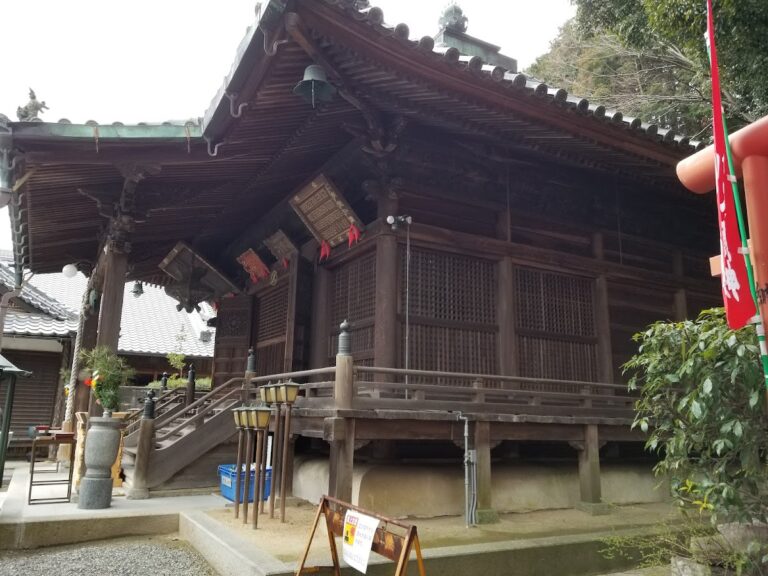
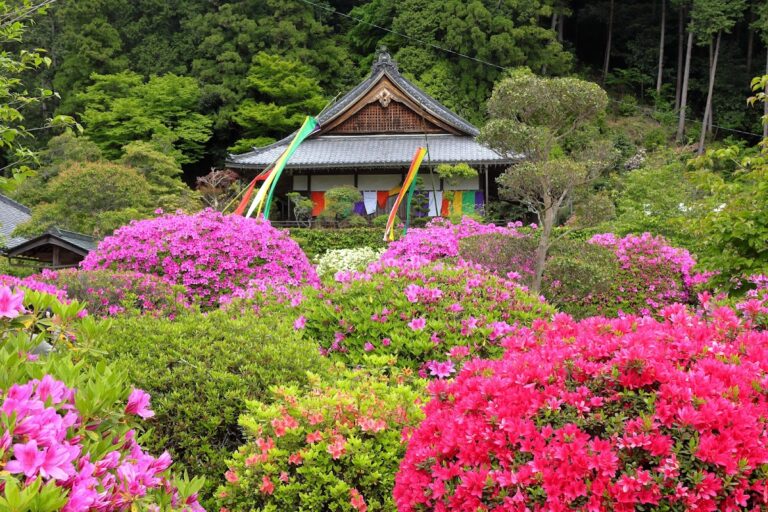
Located in Kurisaka, Gose City, Nara Prefecture, Kyogakuji Temple is a historic temple belonging to the Jodo Shinshu Honganji-ha sect. As a place of faith deeply rooted in the community, it has served as a spiritual haven for many people over the years. This article provides detailed information necessary for those considering visiting or becoming a parishioner of Kyogakuji Temple, including its history, characteristics of the sect, access methods, and cemetery/burial ground information.
Basic Information about Kyogakuji Temple
Location and Access
Location
372 Kurisaka, Gose City, Nara Prefecture 639-2306
Nearest Stations
- JR Wakayama Line “Yoshinoguchi” Station
- Kintetsu Yoshino Line “Yoshinoguchi” Station
- Kintetsu Yoshino Line “Yakusui” Station
Transportation Information
Approximately 2.6km from Kintetsu Yoshino Line Yakusui Station. It’s about a 35-minute walk from the station, or about a 5-minute taxi ride. If you’re coming by car, it’s about 15 minutes from the Katsuragi Interchange on the Minami-Hanna Expressway.
Sect and Principal Image
Sect: Jodo Shinshu Honganji-ha
Principal Image: Amida Buddha
Kyogakuji Temple belongs to the Jodo Shinshu Honganji-ha sect and conducts religious activities based on the teachings of Shinran Shonin.
About the Jodo Shinshu Honganji-ha
Characteristics of the Jodo Shinshu Honganji-ha
The Jodo Shinshu Honganji-ha is one of the largest Buddhist sects in Japan, with Nishi Honganji Temple in Kyoto as its head temple. Its founder is Shinran Shonin (1173-1263), and its fundamental teaching is “other-power reliance,” which states that all people can be saved equally by chanting “Namu Amida Butsu.”
Key Doctrines:
- Absolute Other-Power: Salvation is achieved not through self-effort, but through the power of Amida Buddha’s original vow.
- Salvation for the Wicked: Ordinary people, filled with worldly desires, are precisely the objects of Amida Buddha’s salvation.
- Present Life and Guaranteed Rebirth: Rebirth in the Pure Land is assured in this world.
- Gratitude and Appreciation: Nembutsu is not a condition for salvation, but an expression of gratitude.
Daily Practices of Jodo Shinshu Buddhism
In the faith life of the Jodo Shinshu Honganji School, the following practices are considered important:
- Morning and Evening Service: Chanting of sutras such as the Shoshinge and Amida Sutra.
- Ho-on-ko: Memorial service for Shinran Shonin on the anniversary of his death (around November 21st-28th).
- Serving the Buddhist Altar: Daily offerings of rice and tea.
- Listening to the Dharma: Listening to Dharma talks and learning the teachings.
The History and Origins of Kyogaku-ji Temple
The Temple’s Origins
The founding of Kyogaku-ji Temple is deeply intertwined with the missionary activities of the local Jodo Shinshu sect. The development of Jodo Shinshu in the southern region of Nara Prefecture progressed from the medieval to the early modern period, alongside the expansion of the Honganji sect’s influence.
The Kurisaka district of Gose City has long been a developed agricultural area located in the southern part of Yamato Province. The establishment of Kyogaku-ji Temple in this area made it a center of faith for the local residents and played a significant role in the spread of Buddhist culture.
Role in the Community
Kyogaku-ji Temple has functioned not only as a religious facility but also as a center of the local community. During the Edo period, it provided an educational space as a terakoya (temple school), and since the Meiji era, it has maintained an important position as a cultural and social hub in the region.
Even today, it strives to deepen its ties with parishioners and local residents through annual events and memorial services, and to pass on traditional Buddhist culture.
Annual Events at Kyogakuji Temple
Major Buddhist Services and Events
As a temple of the Jodo Shinshu Honganji sect, Kyogakuji Temple holds various Buddhist services and events throughout the year.
Spring Events
- Spring Equinox Service (Around the Spring Equinox in March): Memorial service for ancestors
- Birthday Celebration (Flower Festival) (Around April 8th): Memorial service celebrating the birth of Buddha
- Founder’s Birthday Celebration (Around May 21st): Memorial service for the birthday of Shinran Shonin
Summer Events
- Obon Festival (Around August 13th-16th): Memorial service for the Obon festival
- Obon Visit: Visits to the homes of parishioners
Autumn Events
- Autumn Equinox Service (Around the Autumn Equinox in September): Memorial service for ancestors
- **Ho-on-ko (Around November): Memorial service for the anniversary of Shinran Shonin’s death, the most important event in Jodo Shinshu Buddhism
Winter Events
- New Year’s Eve Service (December 31st): New Year’s Eve Memorial Service
- Shushō-e (January 1st): New Year’s memorial service
For specific dates and details of each event, we recommend contacting Kyōgaku-ji Temple directly.
Cemetery and Burial Ground Information
About Kyōgaku-ji Temple’s Cemetery
Kyōgaku-ji Temple has a temple cemetery, where parishioners have maintained the graves for generations. To use the temple cemetery, becoming a parishioner is generally required.
Cemetery Features:
- A safe environment located within or adjacent to the temple grounds
- Regular memorial services and management by the head priest
- A traditional cemetery style rooted in the local community
- The natural environment of Gose City
About the Parishioner System
To use the cemetery at Kyōgaku-ji Temple, it is generally necessary to become a parishioner. The Danka system has the following characteristics:
Danka Obligations:
- Payment of annual maintenance fees (temple maintenance costs)
- Participation in major memorial services
- Cooperation with temple events
Danka Rights:
- Perpetual use rights of a cemetery plot
- Request for various memorial services
- Use of temple facilities
- Consultation on Buddhist matters and life matters
Flow of Building a Grave
When building a new grave at Kyogakuji Temple, the process is as follows:
- Consultation with the Temple: First, consult with the head priest about your intention to use a cemetery plot.
- Becoming a Danka: Procedures for becoming a Danka (temple parishioner).
- Selection of a Cemetery Plot: Confirmation and selection of available plots.
- Selection of a Gravestone Contractor: Selection of a stonemason and decision on the gravestone design.
- Construction and Erection: Construction of the gravestone.
- Consecration Ceremony: Ceremony to imbue the new grave with a soul.
Regarding the Closure of a Family Grave
In recent years, due to the declining birthrate, aging population, and migration to urban areas, the number of cases where it is difficult to inherit family graves is increasing. Kyogakuji Temple also offers consultations regarding the closure of family graves.
Main Reasons for Closing a Family Grave:
- No successor
- Difficulty in management due to living far away
- Financial burden
- Changes in family wishes
Procedure for Closing a Family Grave:
- Consultation and agreement with family and relatives
- Consultation with Kyogakuji Temple and application for permission
- Decision on a new burial site (e.g., perpetual memorial grave, columbarium)
- Administrative procedures (obtaining a reburial permit)
- Closing ceremony (removal of the spirit)
- Removal of remains and reburial
- Removal of the tombstone and return of the land
Because closing a family grave involves complex issues both emotionally and procedurally, it is important to consult with the head priest as early as possible.
Cemetery and Burial Ground Information in and around Gose City
Besides Kyogakuji Temple, there are several other cemeteries and burial grounds in Gose City and the surrounding area.
Major Temple Cemeteries in Gose City
- Temples of various Buddhist sects such as Jodo-shu, Shingon-shu, and Soto-shu: Many temples of various sects exist within the city.
- Public Cemeteries: Public cemeteries managed by Gose City.
- Private Cemeteries: Cemeteries open to all religions.
Cemeteries in Nearby Areas
Kashihara City Area:
- Multiple cemeteries around JR Unebi Station and Kintetsu Kashihara-jingumae Station.
- Abundant choices of both public and private cemeteries.
Katsuragi City Area:
- Temple cemeteries scattered along the Kintetsu Gose Line.
- Located in a naturally beautiful environment.
Gojo City Area:
- Quiet environment along the Yoshino River.
- Many traditional temple cemeteries.
Guide to Visiting Kyogakuji Temple
Etiquette for Visiting
The etiquette for visiting a temple in the Jodo Shinshu Honganji sect differs slightly from that of other sects.
Worship at the Main Hall:
- Bow before entering the main hall.
- Join your hands in prayer before the principal image (Amida Buddha).
- Recite the Nembutsu, “Namu Amida Butsu.”
- Bow deeply and exit.
Etiquette for Visiting a Grave:
- Bow before entering the cemetery.
- Clean around the gravestone.
- Offer fresh water.
- Offer flowers.
- Offer incense (in Jodo Shinshu Buddhism, incense is laid horizontally, not upright).
- Join hands in prayer and recite the Nembutsu.
- Bow and exit.
Attire for Visiting
Regular Visit: Clean and subdued attire is acceptable.
Attending a Memorial Service:
- Men: Black or dark blue suit, white shirt, black tie
- Women: Black or dark blue suit or dress, simple accessories
- Bring prayer beads (prayer beads for Jodo Shinshu Buddhism are preferred).
Items to bring:
- Prayer beads: Jodo Shinshu Honganji-ha uses prayer beads with the Rennyo knot.
- Offering: When requesting a memorial service, put an appropriate amount in a white envelope.
- Floral tributes: When visiting a grave, bring seasonal flowers.
- Cleaning supplies: When visiting a grave, it’s convenient to have cleaning supplies.
Use by non-parishioners
Requesting a memorial service
Even if you are not a parishioner, you can consult with Kyogakuji Temple in the following cases:
- Funeral/memorial service: If you wish to have a funeral or memorial service in the Jodo Shinshu Honganji-ha.
- Buddhist consultation: Questions and consultations about Buddhism or Jodo Shinshu.
- Listening to the Dharma: Participation in a Dharma talk (please check the schedule).
However, priority may be given to parishioners, so it is recommended to check by phone in advance.
About perpetual memorial services
In recent years, the demand for perpetual memorial graves has been increasing. Please contact Kyogakuji Temple directly to inquire about the possibility and conditions of perpetual memorial services.
Generally, perpetual memorial services come in the following forms:
- Communal Grave: Burial together with others
- Individual Grave: Individual placement for a certain period, followed by communal burial
- Columbarium: Placement in an indoor columbarium facility
History and Culture of Gose City
Overview of Gose City
Gose City is located in the central-western part of Nara Prefecture, a historically rich area spreading across the foothills of Mount Kongo and Mount Katsuragi. In ancient times, it flourished as the base of the Katsuragi clan, and many historical relics remain.
Main Historical Spots:
- Katsuragi Hitokotonushi Shrine: A shrine revered for its deity who grants a single wish.
- Takakamo Shrine: The head shrine of all Kamo (or Kamo) shrines nationwide.
- Kyuhonji Temple: An ancient temple known for its thousand stone Buddha statues.
- Kichijosoji Temple: A temple believed to be the birthplace of En no Gyoja.
Characteristics of the Kurisaka District
The Kurisaka district, where Kyogakuji Temple is located, is a rural area in the southern part of Gose City. A peaceful rural landscape unfolds against the backdrop of the Kongo Mountain Range.
While retaining its ancient settlement form, the area also boasts modern living amenities, and the temple is maintained in a quiet and peaceful environment.
Funerals and Memorial Services in the Jodo Shinshu Honganji School
Characteristics of Funerals
Funerals in the Jodo Shinshu Honganji School have characteristics that differ from other sects:
Main Characteristics:
- Not a memorial service for the deceased: Based on the belief that the deceased has already attained rebirth through the salvation of Amida Buddha
- No guidance to the deceased: There is no guidance ceremony as performed in other sects
- No use of purifying salt: Death is not considered defilement
- No use of plain wooden memorial tablets: A Buddhist name scroll or family register is used
Types and Timing of Memorial Services
The following memorial services are held in the Jodo Shinshu Honganji School:
First Seven Days to Forty-Ninth Day:
- First Seven Days (7th day)
- Second Seven Days (14th day)
- Third Seven Days (21st day)
- Fourth Seven Days (28th day)
- Fifth Seven Days (35th day)
- 42nd day (Sixth seventh day)
- 49th day (Seventh seventh day) *Most important*
Annual Memorial Services:
- 1st anniversary (1st year)
- 3rd anniversary (2nd year)
- 7th anniversary (6th year)
- 13th anniversary (12th year)
- 17th anniversary (16th year)
- 23rd anniversary (22nd year)
- 27th anniversary (26th year)
- 33rd anniversary (32nd year)
- 50th anniversary (49th year)
About Buddhist Altars and Buddhist Utensils
Buddhist Altars of the Jodo Shinshu School
The Buddhist altars of the Jodo Shinshu Honganji School have a specific way of being decorated:
Basic Composition:
- Main Image: Hanging scroll or wooden statue of Amida Buddha
- Attendant Deities: Ten-character name (right), nine-character name (left), or portrait of Shinran Shonin or Rennyo Shonin
- Rice bowl: A bowl for serving rice
- Flower vase: A vase for holding shikimi (Japanese star anise)
- Incense burner: An incense burner for laying incense sticks horizontally
- Candlestick: A candlestick for holding candles
- Altar cloth: A cloth used to decorate the Buddhist altar
Buddhist altar and religious goods stores around Gose City
When purchasing Buddhist altars and religious goods near Kyogakuji Temple, there are specialty stores in the following areas:
- Gose City: Local religious goods stores
- Kashihara City: Several Buddhist altar stores around Yamato-Yagi Station
- Yamato-Takada City: Around Kintetsu Takada Station
- Gojo City: Around Gojo Station
When purchasing, it is important to confirm that the religious goods are for the Jodo Shinshu Honganji sect. Kyogakuji Temple may also be able to provide consultation, so please inquire.
Frequently Asked Questions and Buddhist Rituals Consultation
How to Become a Temple Member
Q: How do I become a temple member?
A: First, please contact Kyogakuji Temple and request an interview with the head priest. You will discuss your intention to become a temple member, your family structure, and your wishes regarding cemetery use. After that, the temple membership procedures will proceed.
About Fees
Q: How much does it cost to become a temple member?
A: An entrance fee, annual maintenance fee, and cemetery usage fee are required. The specific amount varies depending on the temple, so please contact Kyogakuji Temple directly.
If You Belong to a Different Sect
Q: I belong to a different sect; can I use Kyogakuji Temple’s cemetery?
A: Temple cemeteries are generally based on the temple membership system and presuppose adherence to the Jodo Shinshu Honganji sect. If you belong to a different sect, conversion may be necessary; please consult with the head priest for details.
Visiting Graves from a Distant Location
Q: I live far away. Is it possible to manage the grave?
A: The temple handles daily maintenance (cleaning, etc.). However, if regular visits or participation in annual events are difficult, we recommend consulting with the head priest in advance. They may also be able to assist with services such as proxy memorial services.
Contacting Kyogakuji Temple
How to Contact
For inquiries regarding visits to Kyogakuji Temple, becoming a parishioner, or requesting memorial services, please contact the temple directly.
Information to provide when inquiring:
- Your name and contact information
- Details of your inquiry (e.g., cemetery plot usage, memorial service request, Buddhist ritual consultation)
- Preferred date and time (for memorial services)
- Other special notes
Points to note when visiting
When visiting the temple, please note the following:
- Prior contact: Avoid sudden visits; always contact by phone in advance.
- Time of day: Avoid contacting early in the morning or late at night (9:00 AM to 5:00 PM is a good guideline).
- Attire: Wear clean and subdued clothing.
- Etiquette: Be mindful that the temple is a sacred place.
Summary
Kyogakuji Temple, located in Kurisaka, Gose City, Nara Prefecture, is a Jodo Shinshu Honganji-ha temple that has played a central role in the faith and culture of the region. It enshrines Amida Buddha as its principal deity and continues its religious activities based on the teachings of Shinran Shonin.
Located in the historically rich area of Gose City, Kyogakuji Temple is a vital presence for its parishioners, serving as a spiritual haven and a place for ancestral memorial services. It provides support to the local community in various ways, including cemetery use, memorial service arrangements, and Buddhist consultations.
Located approximately 2.6km from Yakusui Station on the Kintetsu Yoshino Line, the temple is situated in the naturally abundant environment of the southern Nara Basin, offering a peaceful setting for worship. Those considering becoming parishioners, seeking advice on cemeteries, or wishing to learn about Jodo Shinshu Buddhism are encouraged to contact Kyogakuji Temple.
Under the spirit of “reliance on the power of others,” a teaching of the Jodo Shinshu Honganji sect, Kyogakuji Temple continues to cherish and pass down the hopeful doctrine that all people can equally attain rebirth in the Pure Land through the salvation of Amida Buddha.