Magane Shrine (Kawara-machi, Fukuoka Prefecture) Complete Guide | History, Deities, and Access Information
Magane Shrine, located in Kawara-machi, Tagawa-gun, Fukuoka Prefecture, is a shrine that conveys the history and culture of the Chikuhō region to the present day. This article provides detailed information rooted in the local community, from basic information about Magane Shrine to its historical background, highlights of the shrine grounds, and how to worship.
Basic Information about Magane Shrine
Magane Shrine is located in Kawara-machi, Tagawa-gun, Fukuoka Prefecture, and is registered as a religious corporation under the jurisdiction of the Fukuoka Prefectural Governor. Kawara-machi has long been known as a copper producing area and has flourished as a key trading hub with the continent since ancient times.
Shrine Overview
Location: Kawara-machi, Tagawa-gun, Fukuoka Prefecture
Legal Status: Religious Corporation (Religious Corporation under the jurisdiction of the Prefectural Governor)
Jurisdiction: Certified by the Fukuoka Prefectural Governor
Regional Classification: Chikuhō Region
The name Magane Shrine is thought to have deep connections to the region’s industry and history. The word “Magari-gane” evokes images of curved metal or ornaments, suggesting a connection to ancient metalworking techniques.
Historical Background of Kawara Town
Kawara Town, where Magari-gane Shrine is located, is situated in the Chikuhō region of Fukuoka Prefecture and has played an important role since ancient times. In particular, Mount Kawara has long been known as a copper source, and there is a history of copper from this area being used in the construction of the Great Buddha of Nara.
Shrine Culture of the Chikuhō Region
The Chikuhō region belonged to the ancient Chikuzen Province, and the Engishiki Jinmyōchō (a list of shrines compiled in the Heian period) lists 19 shrines (10 shrines) as Shikinaisha (shrines listed in the Engishiki) of Chikuzen Province. This region developed as a center of trade with the continent, and many shrines have been revered as guardian deities of the region.
Many traces of ancient beliefs remain around Kawara Town, and it is believed that Magari-gane Shrine has also attracted the faith of local residents within this historical context.
Detailed Information on Magane Shrine
About the Deities Enshrined
While detailed records regarding the deities enshrined at Magane Shrine are limited, judging from the shrine’s name, it is possible that deities related to metalworking or mining, or deities protecting local industries, are enshrined there.
The following deities are common in shrines in the Chikuhō region:
- Kanayamahiko-no-Mikoto: God of mining and metal
- Kanayamahime-no-Mikoto: God of metalworking
- Ōkuninushi-no-Mikoto: God of nation-building
- Susanoo-no-Mikoto: God of protection against misfortune
Characteristics of the Shrine Grounds
The grounds of Magane Shrine are thought to exhibit the typical architectural style of shrines in the Chikuhō region. Generally, shrines in this region have the following characteristics:
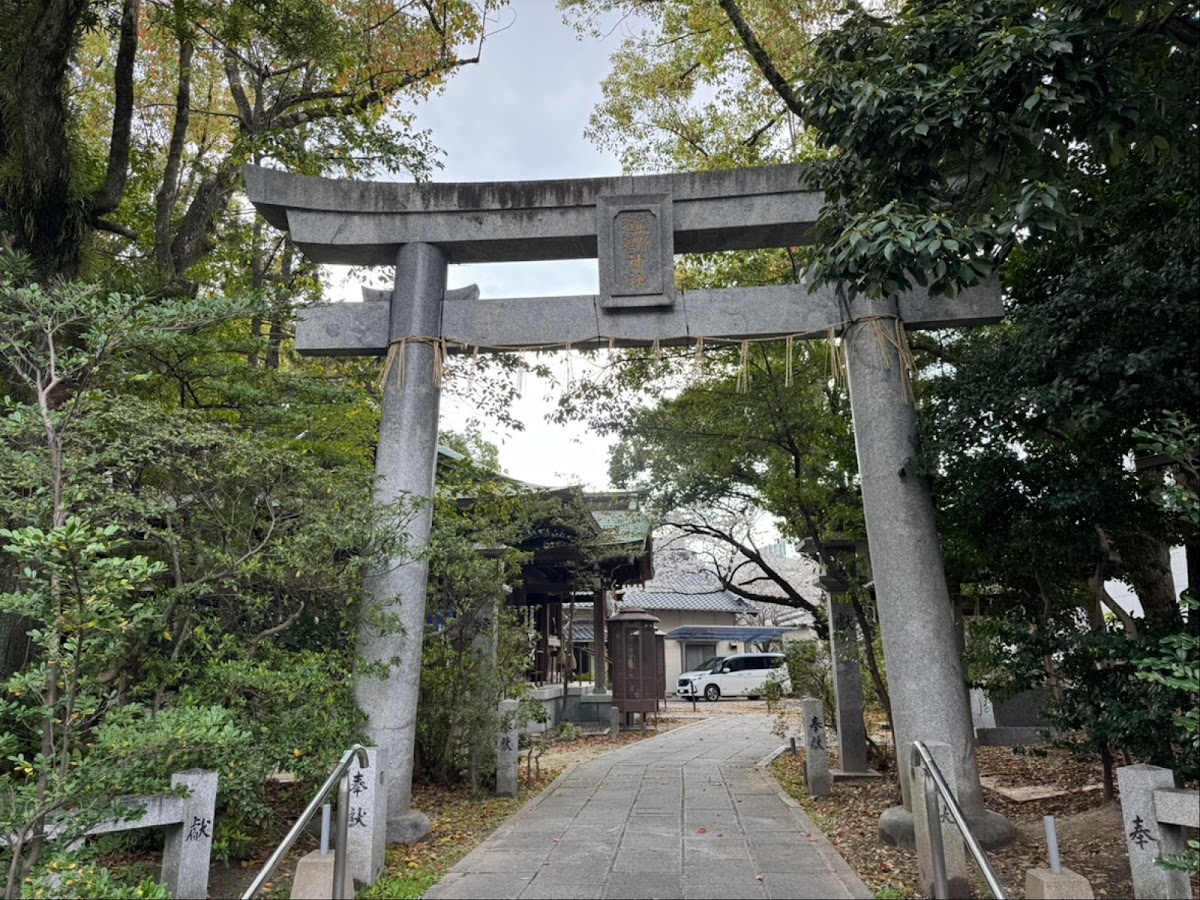
Torii Gate: A torii gate is installed to indicate the entrance to the sacred area.
Water Basin: A water basin for purifying the body and mind before worship.
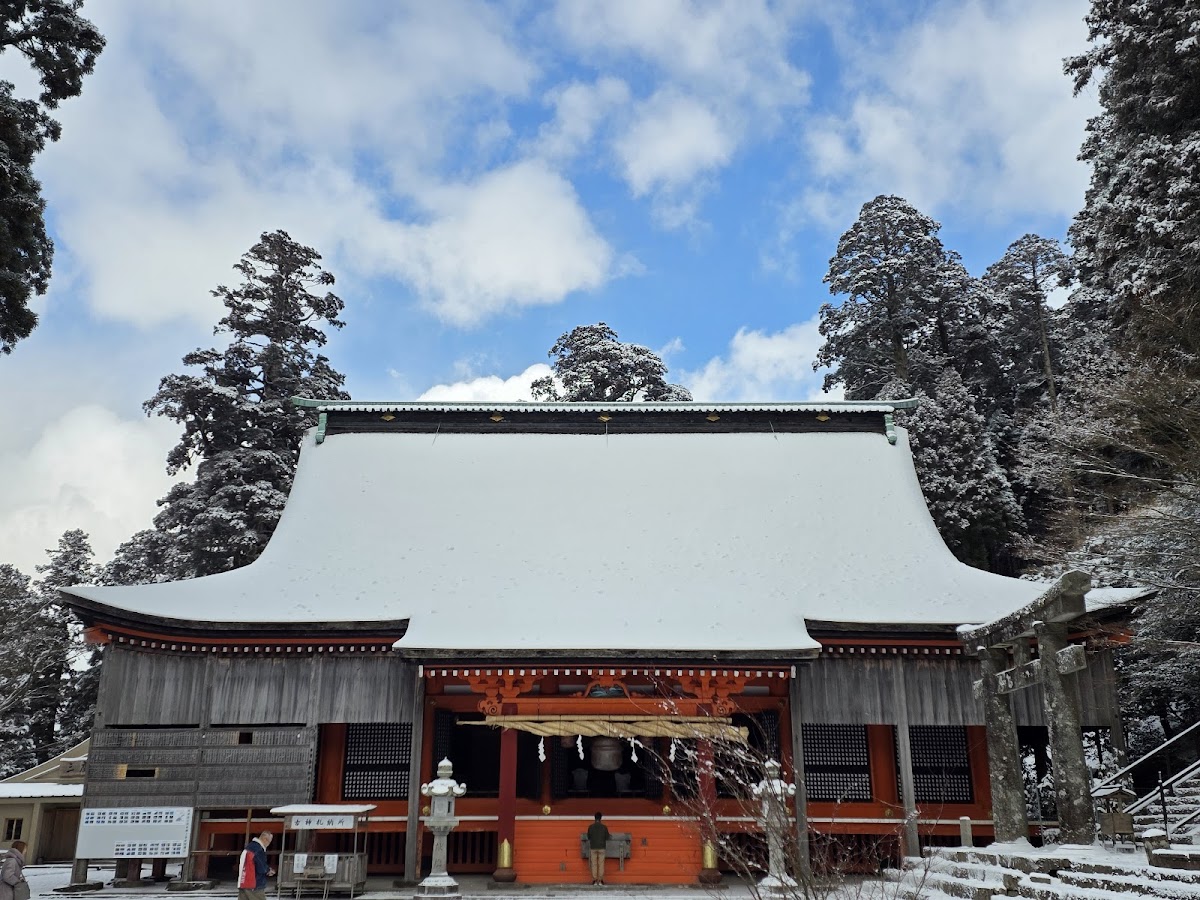
Worship Hall/Main Sanctuary: A sacred space where the enshrined deity is worshipped.
Sacred Tree: A giant tree, having stood for many years, tells the story of the shrine’s history.
Worship Method and Manners
There are basic manners for visiting a shrine. When visiting Magane Shrine, please follow the steps below.
Basic Worship Procedure
- Passing Through the Torii Gate: Bow before passing through the torii gate. Walk away from the center of the path.
- Procedure for Washing Hands:
- Take the ladle with your right hand and wash your left hand.
- Switch the ladle to your left hand and wash your right hand.
- Switch the ladle back to your right hand, receive water in your left hand, and rinse your mouth.
- Finally, stand the ladle upright and wash the handle.
- Worship at the Main Hall:
- Quietly place your offering in the offering box.
- Ring the bell (if present).
- Worship using the two bows, two claps, and one bow method.
Access to Magane Shrine
Location Details
This guide provides directions to Magane Shrine, located in Kawara-machi, Tagawa-gun, Fukuoka Prefecture.
Access by Public Transportation
By JR:
- The nearest station is JR Hitahikosan Line “Kawara Station”.
- From Kawara Station, please walk or take a taxi.
By Bus:
- Nishitetsu Bus operates routes within Kawara Town.
- Access is possible on foot from the nearest bus stop.
Access by Car
By Expressway:
- Via National Route 322 from Kyushu Expressway “Kokura Minami IC” or “Yahata IC”.
- Via National Route 201 from Higashi Kyushu Expressway “Yukuhashi IC”.
Parking: Parking spaces vary depending on the size of the shrine, so we recommend checking in advance.
Information on Shrines Around Kawara Town
When visiting Magane Shrine, we recommend also visiting other shrines in Kawara Town and the surrounding Tagawa District area.
Major Shrines in the Neighborhood
Kawara Shrine: The central shrine of Kawara Town, worshipped as the guardian deity of the region since ancient times. Kagami-yama Grand Shrine: Located in Tagawa City, this shrine is deeply intertwined with the region’s history.
Fuji Hachimangu Shrine: A representative shrine of Tagawa City, where the “Kawawatari Shinkosai” festival is held every May.
Shrine Pilgrimage in the Chikuhō Region
The Chikuhō region, including Magane Shrine, is home to numerous historical shrines. For those planning a shrine pilgrimage, we suggest efficient routes.
Recommended Pilgrimage Routes
1-Day Course:
- Morning: Visit Magane Shrine
- Lunch: Enjoy local cuisine in Kawara Town
- Afternoon: Visit Kawara Shrine, Fuji Hachimangu Shrine, and other surrounding shrines
2-Day Course:
- Day 1: Shrine pilgrimage in Kawara Town and Tagawa City
- Day 2: Shrine pilgrimage in Iizuka City and Nogata City
Magane Shrine as a Religious Corporation
Magane Shrine is officially certified as a religious corporation under the jurisdiction of the Fukuoka Prefectural Governor. Understanding the religious corporation system will allow you to gain a deeper understanding of the social role of Shinto shrines.
Classification of Religious Corporations
Japanese religious corporations are classified as follows:
Overall Religious Corporation: A corporation that oversees other religious corporations (e.g., the Association of Shinto Shrines)
Subordinate Religious Corporation: A corporation belonging to an overall religious corporation
Independent Religious Corporation: An independent corporation not belonging to any other religious corporation
Magogane Shrine is a unit religious corporation under the jurisdiction of the prefectural governor, conducting religious activities rooted in the local community.
Importance of Registration Information
Religious corporations are required to register when they are established or undergo changes. Registration information includes the following:
- Corporate Name
- Office Location
- Representative Officer
- Purpose (Content of Religious Activities)
- Date of Establishment
This information is an important record that proves the official activities of the shrine.
Shinto Culture in Fukuoka Prefecture
Fukuoka Prefecture has flourished since ancient times as a gateway for trade with the continent, fostering a rich Shinto culture.
Major Shrines in Fukuoka Prefecture
Dazaifu Tenmangu Shrine: A nationally famous shrine dedicated to Sugawara no Michizane, the god of learning.
Munakata Taisha Shrine: An ancient shrine dedicated to the god of the sea, registered as a World Heritage Site.
Hakozaki Shrine: A Hachiman shrine known for its plaque inscribed with “Surrender of the Enemy Nation.”
Sumiyoshi Shrine: One of the oldest shrines among the more than 2,000 Sumiyoshi shrines nationwide.
Kashii Shrine: A prestigious shrine dedicated to Empress Jingu and Emperor Chuai.
Along with these major shrines, community-based shrines like Magane Shrine support Fukuoka Prefecture’s shrine culture.
Significance of Shrine Visits
Shrine visits are not merely sightseeing; they are a valuable opportunity to experience traditional Japanese culture and spirituality.
Effects of Shrine Visits
Purification of the Mind: You can escape the hustle and bustle of everyday life and calm your mind in the quiet grounds.
Gratitude: Expressing gratitude to the gods for daily life cultivates humility.
Understanding the Region: Learning about the history and culture of the area deepens understanding of the region.
Experiencing the Seasons: Through the annual events of the shrine, you can experience Japan’s four seasons and traditional events.
Annual Events and Festivals
Many shrines hold various festivals and events throughout the year. It is possible that Magane Shrine also holds events based on local traditions.
General Annual Events at Shrines
January: Hatsumode (first shrine visit of the year), Saitansai (New Year’s Day Festival)
February: Setsubun-sai (Bean-Throwing Festival), Kinensai (Prayer Festival)
March: Spring Annual Festival
June: Natsukoshi no Oharae (Summer Purification Ceremony)
September: Autumn Annual Festival
November: Shichi-Go-San (Children’s Festival)
December: Toshikoshi no Oharae (Year-End Purification Ceremony), Joya-sai (New Year’s Eve Festival)
In addition to these basic events, local shrines may also hold festivals specific to the region.
The Charms of Kawara Town
Kawara Town, where Magane Shrine is located, offers many attractions beyond just visiting the shrine.
The History of Mount Kawara and Copper Mining
Mount Kawara is a mountain consisting of three peaks and has long been known as a copper producing area. Records show that copper from Kawara was used in the casting of the Great Buddha of Todai-ji Temple during the Nara period, playing an important role in Japanese history.
Local Specialties
The Chikuhō region, including Kawara Town, boasts numerous local specialties nurtured by its rich nature and history:
- Chikuhō Ramen: Characterized by its rich pork bone-based broth
- Local Sake: Sake made with high-quality water
- Seasonal Agricultural Products: Rice, vegetables, etc.
Attire and Items to Bring When Visiting the Shrine
While no special attire is required for visiting the shrine, it is advisable to dress appropriately, as it is a sacred place.
Recommended Attire
- Clean and presentable clothing
- Modest clothing
- Comfortable walking shoes (gravel is often laid on the shrine grounds)
Useful Items to Bring
- Small change (for offerings)
- Camera (be aware of areas where photography is prohibited)
- Goshuincho (for those collecting Goshuin stamps)
- Rain gear (depending on the weather)
Points to Note When Visiting Magane Shrine
Here’s a summary of important points to keep in mind when visiting Magane Shrine.
Manners During Worship
- Keep conversations to a minimum: Please be quiet on the shrine grounds.
- Photography: Be aware of areas where photography is prohibited, such as inside the main hall.
- Bringing Pets: Generally prohibited.
- Smoking and Eating: Please refrain from smoking and eating on the shrine grounds.
- Garbage: Please take your trash with you.
Visiting Hours
Shrines are generally open for worship from sunrise to sunset. Please note that the office hours may be limited, so it is recommended to check in advance if you wish to obtain a Goshuin (shrine stamp) or amulet.
Relationship with the Fukuoka Prefectural Association of Shinto Shrines
Many shrines in Fukuoka Prefecture are members of the Fukuoka Prefectural Association of Shinto Shrines. The Fukuoka Prefectural Association of Shinto Shrines is located at 1-5-88 Higashihama, Higashi-ku, Fukuoka City, and conducts various activities as a comprehensive organization for shrines in the prefecture.
Role of the Association of Shinto Shrines
- Support for shrine management
- Training and education of Shinto priests
- Provision of information on shrines
- Guidance on rituals
- Support for the preservation of regional culture
It is believed that Magane Shrine also operates as a center of local faith in cooperation with the Fukuoka Prefectural Association of Shinto Shrines.
Summary: The Charm of Magane Shrine
Magane Shrine is a historical shrine located in Kawara-machi, Tagawa-gun, Fukuoka Prefecture. It has attracted the faith of local residents against the backdrop of the rich history and culture of the Chikuhō region.
Visiting a shrine is a valuable opportunity to experience traditional Japanese culture and find peace of mind. When visiting Fukuoka Prefecture, be sure to visit not only famous shrines like Dazaifu Tenmangu Shrine and Munakata Taisha Shrine, but also local shrines like Magane Shrine.
Enjoying the history, nature, and cuisine of Kawara Town while leisurely visiting shrines will create even deeper travel memories. May your visit to Magane Shrine be a truly enriching experience.
Why not begin your journey to experience the shrine culture of the Chikuhō region and connect with the spirituality of Japan, starting at Magane Shrine?