Manganji Temple (Kagawa Prefecture, Kanonji City) Complete Guide | History and Access to the 17th Temple of the Sanuki Thirty-Three Kannon Pilgrimage
Located in Toyohama-cho, Kanonji City, Kagawa Prefecture, Manganji Temple is a historic temple that welcomes many worshippers as the 17th temple of the Sanuki Thirty-Three Kannon Pilgrimage. Nestled in the tranquil environment of the Toyohama district facing the Seto Inland Sea, this temple has a long history as a center of local faith. This article provides a detailed introduction to Manganji Temple, including its history, highlights, visiting information, and access methods.
What is Manganji Temple? | The 17th Temple of the Sanuki Thirty-Three Kannon Pilgrimage
Manganji Temple is a Buddhist temple located at 1376 Himehama, Toyohama-cho, Kanonji City, Kagawa Prefecture. As the 17th temple of the Sanuki Thirty-Three Kannon Pilgrimage, it is one of the centers of Kannon worship.
The Sanuki Thirty-Three Kannon Pilgrimage is a pilgrimage route that visits thirty-three Kannon temples scattered throughout Kagawa Prefecture, and Manganji Temple holds an important position within it. The temple’s name, “Manganji,” means that the wishes of worshippers will be fulfilled, and it has attracted the faith of people since ancient times.
About the Sanuki Thirty-Three Kannon Pilgrimage
The Sanuki Thirty-Three Kannon Pilgrimage is a pilgrimage route that visits thirty-three temples in Sanuki Province (present-day Kagawa Prefecture) that enshrine Kannon Bodhisattva as their principal deity. Similar to the Saigoku Thirty-Three Kannon Pilgrimage and the Bando Thirty-Three Kannon Pilgrimage, it is a pilgrimage route based on Kannon worship that is cherished by the local people.
The number thirty-three originates from the teachings of the Lotus Sutra, which states that Kannon Bodhisattva transforms into thirty-three forms to save sentient beings. Even today, people continue to visit these temples, including Manganji Temple, praying for peace of mind and the fulfillment of their wishes.
History and Origins of Manganji Temple
While there are various theories regarding the founding date and founder of Manganji Temple, it is certain that it has a long history as an ancient temple in the region. Toyohama-cho in Kanonji City is a region facing the Seto Inland Sea and has flourished since ancient times as a key point for maritime traffic. As the center of faith in this region, Manganji Temple has been a spiritual anchor for the local residents.
Kannon Faith and its Connection to the Region
In the Seto Inland Sea coastal region, Kannon faith, praying for safe voyages and abundant catches, was prevalent. Manganji Temple is also thought to have attracted the faith of people engaged in fishing and maritime traffic, functioning as a temple protecting safety at sea.
The temple’s name, “Mangan,” means that the wishes of worshippers will be fulfilled, and people with various wishes visited this place. While people’s wishes have changed over time—from recovery from illness to family safety and business prosperity—Manganji Temple has always remained a spiritual pillar of the region.
Highlights and Features of Manganji Temple
This section introduces the highlights and features of Manganji Temple that you should pay attention to when visiting.
Main Hall and Kannon Bodhisattva
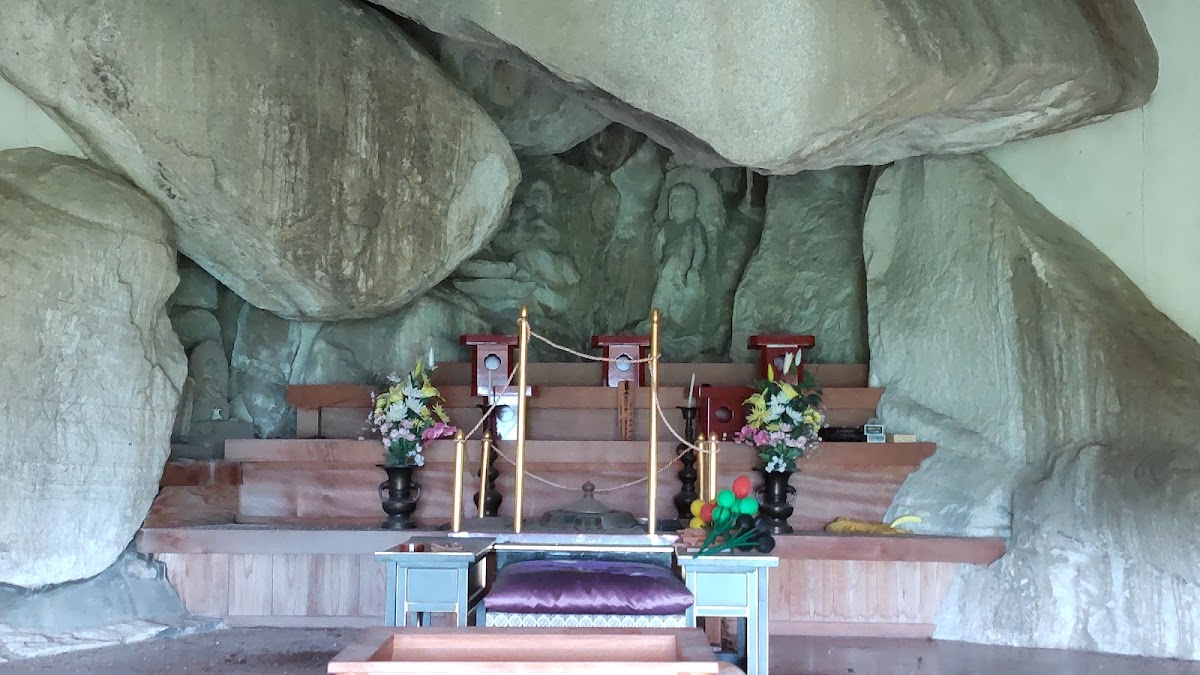
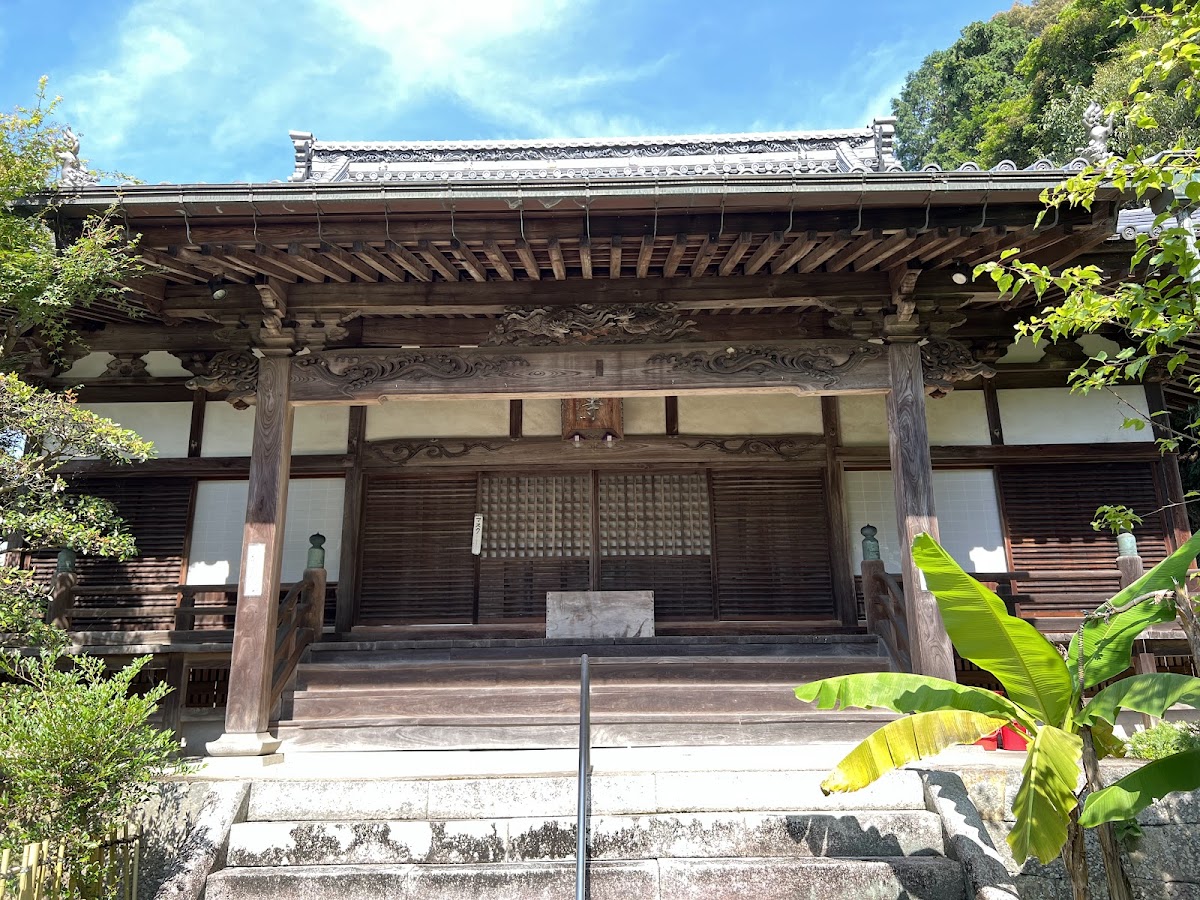
The main hall of Manganji Temple enshrines Kannon Bodhisattva. As a pilgrimage site for the Sanuki Thirty-Three Kannon Pilgrimage, this Kannon Bodhisattva has attracted the faith of many worshippers. A peaceful environment has been created where you can worship in tranquility.
Atmosphere of the Temple Grounds
Located in the quiet environment of Toyohama Town, the grounds of Manganji Temple are enveloped in a calm atmosphere. A gentle breeze blows from the Seto Inland Sea, maintaining an environment where you can worship peacefully.
The appearance of the temple grounds changes with the seasons; in spring, you can enjoy the fresh greenery, and in autumn, the colorful leaves, allowing you to worship while feeling the changing seasons.
Sutra Copying Office and Goshuin (Temple Seals)
For those who are on a pilgrimage to the Sanuki Thirty-Three Kannon Pilgrimage, the sutra copying and Goshuin at each temple are important records. Manganji Temple also accepts sutra copying requests, and you can receive a Goshuin (temple stamp) as proof of your visit.
For pilgrims, receiving a sutra copying request at Manganji Temple, the 17th temple on the pilgrimage route, is an important step in their journey.
Visiting Information | Opening Hours and Facilities
We have compiled information you should know when visiting Manganji Temple.
Basic Information
- Address: 1376 Himehama, Toyohama-cho, Kanonji City, Kagawa Prefecture 769-1601
- Phone Number: 0875-52-2538
- Opening Hours: 8:00 AM – 5:00 PM
- Admission Fee: Free (Sutra copying fee is separate)
- Sect: Buddhist Temple
- Pilgrimage Site: 17th Temple of the Sanuki Thirty-Three Kannon Pilgrimage
Parking and Restrooms
Manganji Temple has a parking lot for visitors.
- Parking: 11 spaces available, including space for medium-sized buses.
- Restrooms: Located within the temple grounds.
The temple is equipped to accommodate group visits and pilgrimage bus tours, making it suitable for both individual visitors and groups.
Points to Note When Visiting
- Visiting hours are 8:00 AM to 5:00 PM. Please visit within these hours.
- Temples are places that require a quiet environment, so please observe proper visiting etiquette.
- Photography is permitted, but there are areas where photography is restricted, such as inside the main hall. Please check before taking pictures.
- If you wish to have your pilgrimage book stamped, please bring your own.
How to Access Manganji Temple
This section provides detailed information on how to access Manganji Temple, located in Toyohama-cho, Kanonji City, Kagawa Prefecture, by mode of transportation.
Access by Car
Visiting by car is the most convenient option.
From Takamatsu
- Approximately 40 minutes from the Sanuki-Toyonaka IC on the Takamatsu Expressway via National Route 11
- Head west on National Route 11, passing through Kanonji city center towards Toyohama
From Ehime
- Approximately 30 minutes from the Mishima-Kawanoe IC on the Matsuyama Expressway via National Route 11
- Head east on National Route 11 towards Toyohama
Car Navigation Settings
- Address: 1376 Himehama, Toyohama-cho, Kanonji City, Kagawa Prefecture
- Phone Number: 0875-52-2538
There are 11 parking spaces available, including space for medium-sized buses.
Access by Public Transportation
If using public transportation, the following routes are possible.
If using JR
- Get off at JR Yosan Line “Kannonji Station”
- From Kannonji Station, take a taxi or bus towards Toyohama (approximately 15-20 minutes)
If using the bus
- Take a bus bound for Toyohama from Kannonji Station
- Access on foot from the nearest bus stop
Since public transportation is limited, it is recommended to check the timetable in advance.
Pilgrimage Route with Nearby Temples
When visiting the Sanuki Thirty-Three Kannon Pilgrimage, it is helpful to know the relative locations of the temples before and after.
- Temple No. 16: The temple before Manganji
- Temple No. 18: The temple after Manganji
When planning an efficient pilgrimage route, refer to maps and guidebooks to check the relative locations of each temple.
Places to Visit Along with Kannonji City’s Tourist Attractions
Kannonji City, where Manganji Temple is located, has many other attractions. Here are some sightseeing spots you should visit along with your pilgrimage.
Kannonji Temple (Jin’ein Temple) | Shikoku 88 Temple Pilgrimage, Temples 68 & 69
Kannonji Temple, which gives its name to Kannonji City, is the 69th temple of the Shikoku 88 Temple Pilgrimage. Within the same grounds is Jin’ein Temple, the 68th temple, making it a rare case of two temples existing in one location.
While it’s a different pilgrimage site from Manganji Temple, it shares a common deity worship, Kannon, making it worthwhile to visit both when in Kannonji City.
Zenigata Sand Painting “Kanei Tsūhō”
A famous sightseeing spot in Kannonji City is the giant sand painting “Kanei Tsūhō” located in Kotohiki Park. The enormous sand painting, measuring 122 meters east-west and 90 meters north-south, is awe-inspiring. Legend says that viewing this sand painting brings good health, longevity, and financial prosperity.
Toyohama Chosa Festival
In Toyohama Town, where Manganji Temple is located, the “Toyohama Chosa Festival” is held every autumn. The sight of the magnificent taiko drum floats (chosa) parading through the town is breathtaking, offering a valuable opportunity to experience the region’s traditional culture.
Visiting during the festival season allows you to combine a visit to Manganji Temple with an experience of local culture.
Scenic Spots of the Seto Inland Sea
Toyohama Town faces the Seto Inland Sea, and there are many spots where you can enjoy beautiful ocean views. Chichibugahama Beach has recently gained popularity as “Japan’s Uyuni Salt Flats,” and at low tide, you can see a fantastic sight of the sky reflected on the water’s surface.
Recommendation for the Sanuki Thirty-Three Kannon Pilgrimage
Manganji Temple is one of the Sanuki Thirty-Three Kannon Pilgrimage sites and an important stop on the pilgrimage route. Here, we will introduce the Sanuki Thirty-Three Kannon Pilgrimage in detail.
The Significance and Appeal of Pilgrimage
A pilgrimage to the Kannon temples is not merely sightseeing; it is a spiritual journey of self-reflection and purification of the mind. By visiting the 33 temples, you can experience the compassion of Kannon Bodhisattva and attain inner peace.
The Sanuki 33 Kannon Temples are scattered throughout Kagawa Prefecture, making it possible to complete the pilgrimage in a relatively short period. You can undertake a partial pilgrimage over a weekend or an intensive pilgrimage over several days, at your own pace.
Preparation for Pilgrimage
Before beginning your pilgrimage, it is recommended to make the following preparations:
Required Items
- Pilgrimage Notebook: A notebook for receiving stamps at each temple.
- White Robe: Formal attire for pilgrims (not mandatory, but worn during formal pilgrimages).
- Prayer Beads: Used during worship.
- Sutra Book: For chanting the Heart Sutra, etc.
- Map or Guidebook: To check the location and information of the temples.
Mindset
- At each temple, worship at the main hall and chant the Heart Sutra, etc.
- Pay the offering fee at the temple office and receive your stamp.
- Observe the temple’s rules and manners, and worship quietly.
Worship Etiquette at Manganji Temple
The basic worship etiquette at Kannon pilgrimage sites, including Manganji Temple, is as follows:
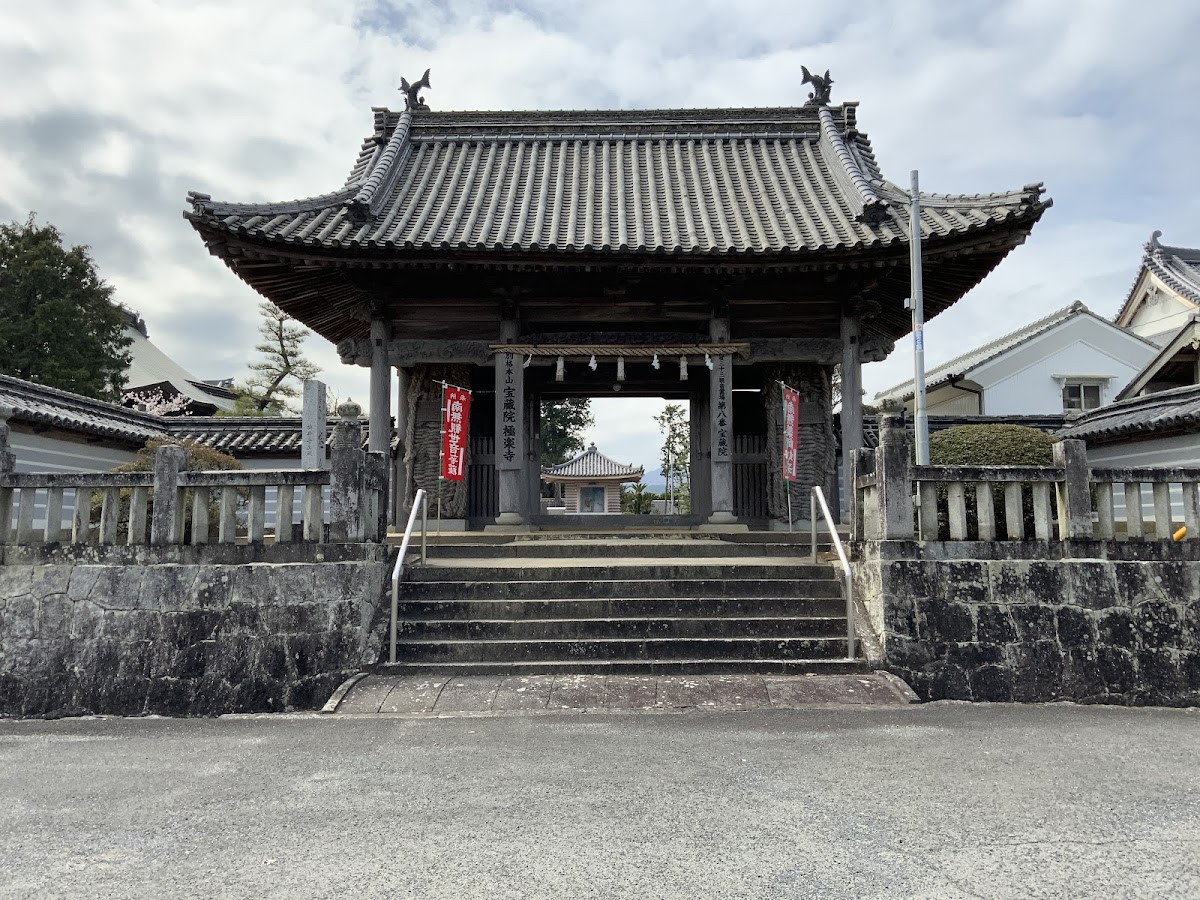
- A Bow at the Temple Gate: Bow before entering the temple grounds.
- Purification at the Water Basin: Cleanse your hands and mouth.
- Worship at the Main Hall: Join your hands in prayer to the principal image, Kannon Bodhisattva, and recite the Heart Sutra, etc.
- Sutra Receipt: Receive a temple stamp in your sutra book at the sutra hall.
- A Bow at the Temple Gate: Turn around and bow when leaving the temple grounds.
Accommodation and Restaurants near Manganji Temple
This section introduces convenient accommodations for those visiting Manganji Temple from afar or those staying overnight during the Sanuki Thirty-Three Kannon Pilgrimage.
Accommodation in Kanonji City
Kanonji City has a variety of accommodations, including business hotels and traditional Japanese inns. Many hotels with good access are located around JR Kanonji Station.
While there are limited temple lodgings specifically for pilgrims, you can stay comfortably at regular hotels and inns. Advance reservations are recommended.
Sanuki Udon and Local Cuisine
Kagawa Prefecture is famous for its Sanuki udon noodles. There are many udon restaurants in Kanonji City where you can enjoy authentic Sanuki udon.
Furthermore, in Toyohama Town, which faces the Seto Inland Sea, you can enjoy fresh seafood. There are also many restaurants serving dishes made with local ingredients, so why not stop by after your visit to the temple?
Annual Events and Special Days at Manganji Temple
Manganji Temple holds various Buddhist services and events throughout the year. Visiting on a special day will allow for a deeper pilgrimage experience.
Kannon Bodhisattva’s Festival Day
Kannon Bodhisattva’s festival day is the 18th of every month. It is believed that visiting on this day brings special blessings, and many worshippers visit.
Spring and Autumn Grand Festivals
Many temples hold grand festivals in the spring and autumn. At Manganji Temple, seasonal Buddhist services may be held, so it’s a good idea to check before your visit.
Best Season for Visiting Manganji Temple
Manganji Temple can be visited year-round, but each season offers its own unique charm.
Spring (March-May)
Spring is ideal for visiting, with its beautiful fresh greenery and pleasant weather. During cherry blossom season, you can also enjoy flower viewing in the surrounding area.
Summer (June-August)
The Seto Inland Sea coast is relatively mild, but summers can be hot. Visiting in the cooler hours of early morning or evening is recommended. You can enjoy the refreshing breeze unique to the seaside location.
Autumn (September-November)
Autumn offers stable weather, making it an ideal season for pilgrimage. During the autumn foliage season, the temple grounds and surrounding nature are beautifully colored. Local festivals, such as the Toyohama Chosa Festival, are also held.
Winter (December to February)
While the Seto Inland Sea coast is relatively mild in winter, cold weather precautions are necessary. Since there are fewer visitors during this time, you can worship quietly and peacefully.
Voices and Experiences of Visitors to Manganji Temple
Many people who have completed the Sanuki Thirty-Three Kannon Pilgrimage have shared various impressions.
Some have commented, “Manganji Temple, the seventeenth temple on the pilgrimage, offered a quiet and peaceful atmosphere for worship. The parking lot was well-maintained, making it easily accessible,” while others have said, “Located near the sea in Toyohama, it was pleasant to worship while feeling the sea breeze.”
Many have found inner peace through the pilgrimage, making Manganji Temple an important step on their journey.
Manganji Temple’s Connection to the Local Community
Manganji Temple is not merely a tourist spot; it is deeply connected to the local community.
Center of Local Faith
For the people of Toyohama Town, Manganji Temple has long been a center of faith, a place they visit at important milestones and significant times in their lives. Local people visit for various events such as New Year’s visits, Shichi-Go-San (a traditional rite of passage for children), and exorcisms.
Cultural Preservation
Temples also play a role in preserving local history and culture. Manganji Temple is an important place for passing on local traditions and beliefs to future generations.
Summary | Finding Peace of Mind at Manganji Temple
Located in Toyohama Town, Kanonji City, Kagawa Prefecture, Manganji Temple is a historic temple that welcomes many visitors as the 17th temple of the Sanuki Thirty-Three Kannon Pilgrimage. In its tranquil setting overlooking the Seto Inland Sea, one can deepen their faith in Kannon Bodhisattva and find inner peace.
The Charms of Manganji Temple
- History and tradition as the 17th temple of the Sanuki Thirty-Three Kannon Pilgrimage
- A quiet and peaceful environment for worship
- Excellent access for both individuals and groups with ample parking facilities
- A location that allows you to experience the nature and culture of Toyohama Town
Points to Note When Visiting
- Visiting Hours: 8:00 AM – 5:00 PM
- Parking: 11 spaces, medium-sized buses accepted
- Reception for sutra copying and Goshuin (temple stamps) available
- Can be visited in conjunction with nearby tourist spots
Why not visit Manganji Temple as part of your Sanuki Thirty-Three Kannon Pilgrimage, or as part of your sightseeing in Kanonji City? It will be a precious time to experience the compassion of Kannon Bodhisattva and find peace of mind.
Enjoy a peaceful time away from the hustle and bustle of everyday life, while feeling the sea breeze of Toyohama. We pray that your visit to Manganji Temple will bring peace to your heart and that your wishes will be fulfilled.