Manpuku-ji Temple (Kamakura City, Kanagawa Prefecture) Complete Guide | Visiting the History of Minamoto no Yoshitsune and the Koshigoe Letter
Manpuku-ji Temple, located in Koshigoe, Kamakura City, Kanagawa Prefecture, is the site of a famous tragedy in Japanese history: the conflict between the brothers Minamoto no Yoshitsune and Minamoto no Yoritomo. Despite its convenient location, just a 3-minute walk from Koshigoe Station on the Enoden Line, the temple grounds exude a sense of historical weight. This article comprehensively introduces everything you need to know before visiting Manpuku-ji Temple, including its history, highlights, visiting information, and nearby tourist spots.
About Manpuku-ji Temple
History and Origin of Manpuku-ji Temple
Manpuku-ji Temple belongs to the Daikaku-ji branch of the Shingon sect, and its founding dates back to the Nara period. According to temple tradition, it was founded in 744 (Tenpyo 16) by Gyoki Bodhisattva, who received an imperial order from Emperor Shomu. Gyoki is known as a high-ranking monk who was enthusiastic about spreading Buddhism among the common people, and he constructed temples, bridges, and roads throughout Japan.
Manpuku-ji Temple first appeared on the historical stage in the late Heian period, in the second year of Genryaku (1185). Minamoto no Yoshitsune, who had distinguished himself in the defeat of the Taira clan, was denied entry to Kamakura due to a deterioration in his relationship with his brother, Minamoto no Yoritomo, the first shogun of the Kamakura shogunate. He was forced to stay at Manpuku-ji Temple.
The Story of Minamoto no Yoshitsune and the Koshigoe Letter
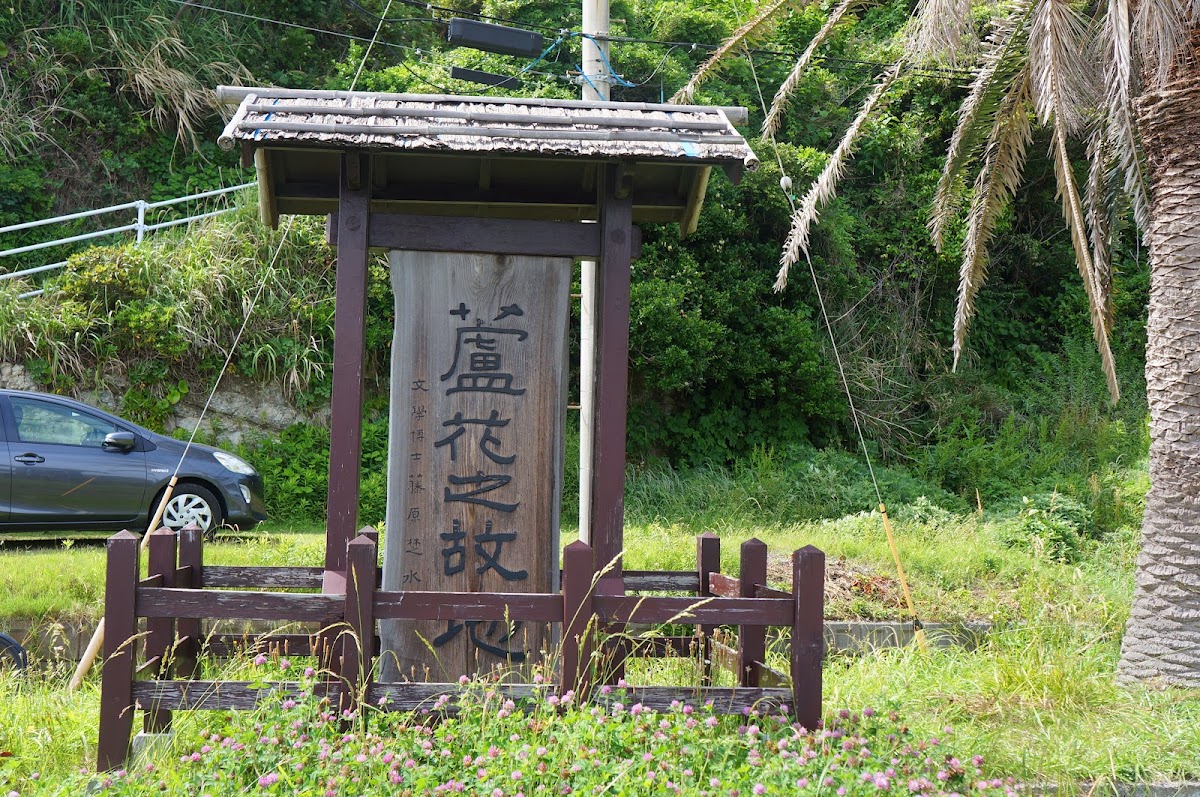
Minamoto no Yoshitsune achieved great merit in the battles of Ichinotani, Yashima, and Dan-no-ura, destroying the Taira clan. However, his acceptance of an official rank from Emperor Go-Shirakawa without permission angered Yoritomo, and he was refused entry to Kamakura. Yoshitsune was stranded in Koshigoe and wrote a letter of explanation, hoping for reconciliation with his brother. This letter is the historical document known as the “Koshigoe Letter.”
The Koshigoe Letter is a poignant expression of Yoshitsune’s feelings, expressing his anguish: “I have endured hardships since childhood and fought without regard for my life, yet to be suspected due to false accusations…” However, this letter was never received by Yoritomo, and Yoshitsune was forced to return to Kyoto. This event would later lead to Yoshitsune’s tragic end.
Manpuku-ji Temple’s Sect and Principal Image
Manpuku-ji Temple belongs to the Daikaku-ji branch of the Shingon sect. Shingon Buddhism is a sect of esoteric Buddhism founded by Kobo Daishi Kukai, and the Daikaku-ji branch has Daikaku-ji Temple in Kyoto as its head temple. The principal image is Yakushi Nyorai (Medicine Buddha), who is worshipped as a Buddha for healing illnesses and praying for good health.
The temple grounds are not particularly large, but because it is located on a hill reached by climbing stone steps, it offers a good view, and the sight of the Enoden train running in front of it evokes a sense of Kamakura’s charm.
Manpuku-ji Temple belongs to the Daikaku-ji branch of the Shingon sect. ## Highlights and Grounds Guide of Manpuku-ji Temple
Main Hall and Yoshitsune-Related Exhibits
Manpuku-ji Temple’s main hall houses valuable materials and exhibits related to Minamoto no Yoshitsune. Visitors can enter the main hall’s exhibition room by paying an admission fee (200 yen for adults, 100 yen for junior high school students).
The exhibition room contains drafts and woodblocks of the Koshigoe Letter, as well as sliding screen paintings from the Yoshitsune Picture Scroll, making it a must-see for history buffs. Also on display are a bowl and staff believed to have been used by Musashibo Benkei (advance reservations may be required for viewing), allowing visitors to feel closer to the footsteps of Yoshitsune and his retainers.
The Well Where Yoshitsune Washed His Hands
Within the temple grounds is an old well called the “Yoshitsune Hand-Washing Well.” It is said that Minamoto no Yoshitsune actually washed his hands in it, and it still holds water. Standing before a well that a hero from over 800 years ago may have touched, one cannot help but feel the romance of history.
Benkei’s Sitting Stone
Another highlight of the temple grounds is “Benkei’s Sitting Stone.” It is said that Musashibo Benkei, a loyal retainer of Yoshitsune, sat on this stone while waiting for his lord. The large stone has a presence that evokes the image of Benkei’s imposing physique.
Benkei is said to have drafted the Koshigoe Letter for Yoshitsune, and this stone, a symbol of loyalty to his lord, touches the hearts of many visitors.
Yoshitsune Picture Scroll Fusuma Paintings
Inside the main hall are fusuma paintings depicting the life of Yoshitsune (viewing requires prior request). Yoshitsune’s turbulent life is visually represented, deepening one’s understanding of history.
View from the Temple Grounds
Because Manpuku-ji Temple is located on a slightly elevated area reached by climbing stone steps, the view from the temple grounds is also one of its attractions. Sagami Bay stretches out in the foreground, and the sight of the Enoden train passing by evokes a distinctly Kamakura atmosphere. On clear days, you can see Enoshima Island, making it a popular spot for photography.
Basic Information and Access to Manpuku-ji Temple
Location and Contact Information
Location: 2-4-8 Koshigoe, Kamakura City, Kanagawa Prefecture 248-0033
Manpuku-ji Temple is located in the Koshigoe area, in the western part of Kamakura City. It’s situated midway between Enoshima and Kamakura, making it easily accessible as part of a sightseeing route visiting both.
Transportation Access
Access by Train:
- Approximately 3 minutes on foot from Koshigoe Station on the Enoshima Electric Railway (Enoden)
- Approximately 12 minutes on foot from Enoshima Station on the Enoshima Electric Railway
After getting off at Koshigoe Station, walk approximately 250 meters towards the coast (south side), cross the railway crossing, and you’ll find Manpuku-ji Temple. Since you’ll be walking along the Enoden railway tracks, you’re unlikely to get lost.
Access by Car:
- Approximately 20 minutes from the Asahina Interchange on the Yokohama-Yokosuka Expressway
- Parking: None (Please use nearby coin-operated parking lots)
Manpuku-ji Temple does not have its own parking lot, so visitors arriving by car will need to use nearby coin-operated parking lots. However, the roads in the Koshigoe area are narrow and particularly congested on weekends, so using public transportation is recommended.
Visiting Hours and Admission Fees
Visiting Hours: 9:00 AM – 5:00 PM (May vary depending on the season)
Closed: Irregular
Admission Fees:
- Temple Grounds: Free
- Main Hall Exhibition Room: Adults (High school students and older) 200 yen, Junior high school students 100 yen, Elementary school students and younger: Free
If you wish to visit the Main Hall Exhibition Room, you can view valuable materials related to Yoshitsune by paying an admission fee. It is a voluntary donation system, and we highly recommend visiting for those interested in history.
Estimated Time Required for Visiting
A visit to Manpuku-ji Temple takes approximately 15-20 minutes if you only want to look around the grounds. If you plan to thoroughly explore the main hall and exhibition rooms, it’s advisable to allow 30-40 minutes. Including time for photography and obtaining a Goshuin (temple stamp), we recommend allowing about an hour for your visit.
Information on Manpuku-ji Temple’s Goshuin
You can obtain a Goshuin at Manpuku-ji Temple. The Goshuin will bear the temple’s name, “Manpuku-ji,” and the calligraphy of the principal image, “Yakushi Nyorai” (Medicine Buddha).
Goshuin Reception Hours: 9:00 AM – 5:00 PM (Same as visiting hours)
Donation Fee: 300 yen
The Goshuin is given at the main hall. You can bring your own Goshuincho (stamp book) or receive a pre-printed Goshuin. When visiting temples and shrines in Kamakura, be sure to collect the Goshuin from Manpuku-ji Temple!
Recommended Tourist Spots Around Manpuku-ji Temple
Enoshima Island (approx. 1.5km)
Located about a 15-minute walk from Manpuku-ji Temple and one stop away on the Enoden train, Enoshima Island is a representative tourist destination in Shonan. It boasts numerous attractions, including Enoshima Shrine, Samuel Cocking Garden, and the Enoshima Observation Lighthouse (Sea Candle), making it a popular destination for tourists visiting both Manpuku-ji Temple and Enoshima Island.
Kodō Shrine (approx. 500m)
A small shrine located right next to Koshigoe Fishing Port, it is said that Minamoto no Yoshitsune prayed here for victory in battle. From the shrine grounds, you can enjoy views of Enoshima Island and Mount Fuji, and it is a beloved spot for locals.
Ryūkō-ji Temple (approx. 1.2km)
One of the head temples of the Nichiren sect, it is a sacred site of the “Ryūkōchi Persecution,” where Nichiren Shonin was nearly executed. It features a magnificent five-story pagoda, allowing visitors to experience the history of the Kamakura period.
Koshigoe Fishing Port (approx. 300m)
This fishing port is where fresh seafood is landed, and there are many seafood restaurants in the surrounding area. You can enjoy Shonan’s unique cuisine, such as shirasu-don (whitebait rice bowl) and kaisen-don (seafood rice bowl).
Kamakura Daibutsu (Great Buddha of Kamakura) and Kotoku-in Temple (approx. 3km)
The Kamakura Daibutsu, a representative tourist spot of Kamakura, can be accessed in about 15 minutes by using the Enoden train. It’s also recommended to enjoy a historical tour of Kamakura by visiting Manpuku-ji Temple as well.
Recommended Cuisine around Manpuku-ji Temple
Shirasu Dishes
The Koshigoe area is known as a production area for Shonan shirasu (whitebait), and there are many restaurants that serve fresh raw shirasu-don and boiled shirasu-don. Especially at restaurants near the fishing port, you can enjoy shirasu that has just been landed.
Seafood Dishes
Kaisendon (seafood rice bowl) and set meals using fresh seafood caught in Sagami Bay are popular. At restaurants run by local fishermen, the menu sometimes changes depending on the day’s catch, allowing you to enjoy seasonal flavors.
Enoden Cafes
Around Koshigoe Station, there are cafes where you can enjoy coffee and sweets while watching the Enoden train. Perfect for a break during sightseeing.
Dishes Using Kamakura Vegetables
There are also restaurants scattered around Kamakura that use fresh vegetables grown locally. Recommended for health-conscious individuals and vegetarians.
Visitor Trends and Crowds at Manpuku-ji Temple
Visitor Demographics
Visitors to Manpuku-ji Temple are mainly history enthusiasts, fans of Minamoto no Yoshitsune, and tourists visiting as part of their Kamakura sightseeing. Visitor numbers tend to increase when Minamoto no Yoshitsune is featured in historical dramas.
Many also visit for those collecting temple stamps (Goshuin) or those touring temples and shrines along the Enoden line. Because it is a relatively quiet temple, it is popular with those who want to worship in peace.
Busy Seasons and Less Busy Times
Busy Seasons:
- Golden Week
- Summer Vacation (Late July to August)
- Autumn Foliage Season (November)
- New Year’s Holidays
Relatively Less Busy Seasons:
- Weekday Mornings
- Winter (Mid-January to February)
- Rainy Season (June)
Manpuku-ji Temple has fewer visitors compared to other major tourist spots in Kamakura, allowing for a more relaxed visit. However, the Enoden railway line can be crowded on weekends and during peak tourist seasons, so early morning or weekday visits are recommended.
Recommended Shrines, Temples, and Shrines to Visit Together
Kamakura Area
Tsurugaoka Hachimangu Shrine: A central shrine of the Kamakura Shogunate, associated with Minamoto no Yoritomo. After learning about history from Yoshitsune’s perspective at Manpuku-ji Temple, you can view history from Yoritomo’s perspective.
Kencho-ji Temple: A prestigious Zen temple, the first of the Five Great Zen Temples of Kamakura, boasting vast grounds and beautiful gardens.
Hase-dera Temple: An ancient temple known for its Hase Kannon statue, it is beautiful with flowers throughout the seasons, and is especially popular with visitors during hydrangea season.
Engaku-ji Temple: A head temple of the Rinzai sect located in Kita-Kamakura, possessing numerous cultural assets, including the national treasure Shariden (reliquary hall).
Enoshima/Fujisawa Area
Enoshima Shrine: A shrine dedicated to Benzaiten located on Enoshima Island, known for its blessings related to romantic relationships and artistic improvement.
Ryuko-ji Temple: As mentioned above, an important sacred site of the Nichiren sect, featuring a magnificent five-story pagoda.
Yugyo-ji Temple (Shojoko-ji Temple): The head temple of the Jishu sect located in Fujisawa, boasting vast grounds and beautiful gardens.
Events Held Around Manpuku-ji Temple
Koshigoe Summer Festival (July)
Every July, the Koshigoe area holds a summer festival where portable shrines parade through the town. It’s a lively event enjoyed by both locals and tourists.
Enoshima Lantern Festival (August)
This event illuminates the entire island of Enoshima, creating a magical atmosphere. The illuminated Enoshima can also be viewed from around Manpuku-ji Temple.
Kamakura Festival (April)
A major spring event held in Kamakura City, featuring various events such as horseback archery and parades. Manpuku-ji Temple, a historical spot in Kamakura, also attracts attention.
Enoshima Illumination (November-February)
This winter illumination event is held at the Enoshima Samuel Cocking Garden. It’s considered one of the three major illuminations in the Kanto region and is bustling with couples and families.
Hotels and Accommodations near Manpuku-ji Temple
Around Enoshima
Enoshima Island Spa: A facility with natural hot springs and a spa, also offering day-use bathing. Accommodation plans are available, allowing you to fully enjoy a resort atmosphere.
Enoshima Hotel: The only hotel on Enoshima, boasting attractive ocean-view rooms. Conveniently located near Manpuku-ji Temple, making it ideal for sightseeing.
Around Kamakura
Kamakura Prince Hotel: A resort hotel located in Shichirigahama, with all rooms offering ocean views. Approximately 10 minutes to Manpuku-ji Temple by Enoden train.
KKR Kamakura Wakamiya: A Japanese-style inn near Yuigahama, offering reasonable prices and serving as a base for Kamakura sightseeing.
WeBase Kamakura: A hostel-type accommodation near Kamakura Station, popular with backpackers and solo travelers.
Around Fujisawa
Fujisawa Hotel: A business hotel near Fujisawa Station with good access to Enoshima and Kamakura.
Shonandai Daiichi Hotel: Offers reasonably priced accommodation and is convenient as a base for sightseeing in the Shonan area.
Points to Note and Manners When Visiting Manpuku-ji Temple
Visiting Manners
Manpuku-ji Temple is an active temple and a place of worship for the local community. Please observe the following manners when visiting.
- Please behave quietly on the temple grounds and refrain from loud conversations.
- Photography is permitted, but please confirm before taking pictures inside the main hall or of exhibits.
- When receiving a Goshuin (temple stamp), please ask politely.
- Please take all your trash with you.
Clothing and Items to Bring
- Comfortable shoes are recommended as there are stone steps.
- In summer, the sun is strong, so please bring a hat and sunscreen.
- In winter, the sea breeze is cold, so please take proper precautions against the cold.
- If you wish to receive a Goshuin, please bring your Goshuincho (stamp book).
Notes on Using the Enoden Railway
The Enoden railway has many single-track sections and gets crowded on weekends and during tourist seasons. It is recommended to allow ample time for travel. Also, purchasing a one-day pass, “Nori-ori-kun,” is convenient as it allows you to freely sightsee along the Enoden line.
Historical Significance and Modern Value of Manpuku-ji Temple
Manpuku-ji Temple is a valuable historical site that preserves the footsteps of Minamoto no Yoshitsune, one of the most famous tragic heroes in Japanese history. As the site where the historical document Koshigoe-jo was written, Manpuku-ji Temple plays a significant role in historical education and tourism.
The conflict between the brothers Yoshitsune and Yoritomo symbolizes the complexity of power and human relationships, offering many lessons even today. Visiting Manpuku-ji Temple allows you to experience the human side of historical figures and feel closer to history.
Furthermore, Manpuku-ji Temple boasts not only the history of the Kamakura period but also an ancient history dating back to its founding by Gyōki in the Nara period, making it a valuable temple for understanding the evolution of Japanese Buddhist culture.
Summary: Experiencing the Romance of History at Manpuku-ji Temple
Located in Koshigoe, Kamakura City, Kanagawa Prefecture, Manpuku-ji Temple continues to fascinate many history buffs and tourists as the historical site where Minamoto no Yoshitsune wrote the Koshigoe-jo. Founded in 744 AD by Gyōki, this temple has a history spanning nearly 1300 years, from the Nara period to the present day.
Manpuku-ji Temple boasts excellent accessibility, being just a 3-minute walk from Koshigoe Station on the Enoden line. Its attractions, such as the well where Yoshitsune is said to have washed his hands and the stone where Benkei sat, along with the scenic view of the Enoden train passing by, encapsulate the charm of Kamakura.
In the main hall’s exhibition room, you can view valuable historical materials such as the draft of the Koshigoe Letter and the Yoshitsune picture scrolls, allowing you to feel the weight of history firsthand. The entrance fee is a reasonable 200 yen, making it easily accessible.
Its proximity to Enoshima and other major Kamakura tourist spots makes it easy to incorporate into a Shonan sightseeing route. There are also many restaurants nearby serving fresh seafood, allowing you to enjoy sightseeing and dining together.
This spot is recommended not only for history buffs, but also for those who want to spend time peacefully in a quiet temple in Kamakura, and for those collecting temple stamps. Why not trace the footsteps of the tragic hero Minamoto no Yoshitsune and feel the romance of history from over 800 years ago?
Manpuku-ji Temple is not a large-scale tourist temple, but that’s precisely why it’s a precious place where you can quietly contemplate history. When you visit Kamakura, be sure to stop by.