Complete Guide to Manpuku-ji Temples | A Thorough Explanation of History, Goshuin (Temple Seals), and Access Information for Manpuku-ji Temples Nationwide
The name “Manpuku-ji” refers to several temples located throughout Japan, each possessing its own unique history and culture. This article focuses on three particularly popular temples: Manpuku-ji in Koshigoe, Kamakura City; Manpuku-mitsu-ji in Tochigi City; and Manpuku-ji in Nakagyo Ward, Kyoto City. We will provide detailed explanations of each temple’s history, principal image, goshuin, annual events, and access methods.
What is Manpuku-ji? | Historic Temples Scattered Across Japan
Manpuku-ji is a rare temple name, with several temples sharing the same name throughout Japan. These temples belong to different sects and have cultivated their own unique histories and cultures. Notable Manpuku-ji temples include Manpuku-ji in Koshigoe, Kamakura City (associated with Minamoto no Yoshitsune), Manpuku-mitsu-ji in Tochigi City (Shingon sect), and Manpuku-ji in Kyoto City (Seizan Jodo sect).
Each Manpuku-ji temple is cherished by many worshippers and tourists as a center of local faith and a place that preserves historical cultural assets. This article provides comprehensive information on these major Manpuku-ji temples to help you when you visit.
Manpuku-ji Temple in Koshigoe, Kamakura | A Historic Temple Associated with Minamoto no Yoshitsune
History and Origin of Manpuku-ji Temple (Kamakura City)
Manpuku-ji Temple, located in Koshigoe, Kamakura City, Kanagawa Prefecture, is a temple belonging to the Daikaku-ji branch of the Shingon sect. It is said to have been founded in 744 AD by Gyoki Bodhisattva, boasting a history of over 1200 years.
Manpuku-ji Temple is particularly famous for its deep connection to Minamoto no Yoshitsune. In 1185, after defeating the Taira clan at the Battle of Dan-no-ura, Yoshitsune was not allowed to enter Kamakura due to a disagreement with his brother, Minamoto no Yoritomo, and was instead detained at Manpuku-ji Temple. Here, Yoshitsune wrote the famous “Koshigoe Letter,” attempting to defend himself to Yoritomo, but ultimately his entry into Kamakura was unsuccessful, and he returned to Kyoto.
Points of Interest Related to Yoshitsune
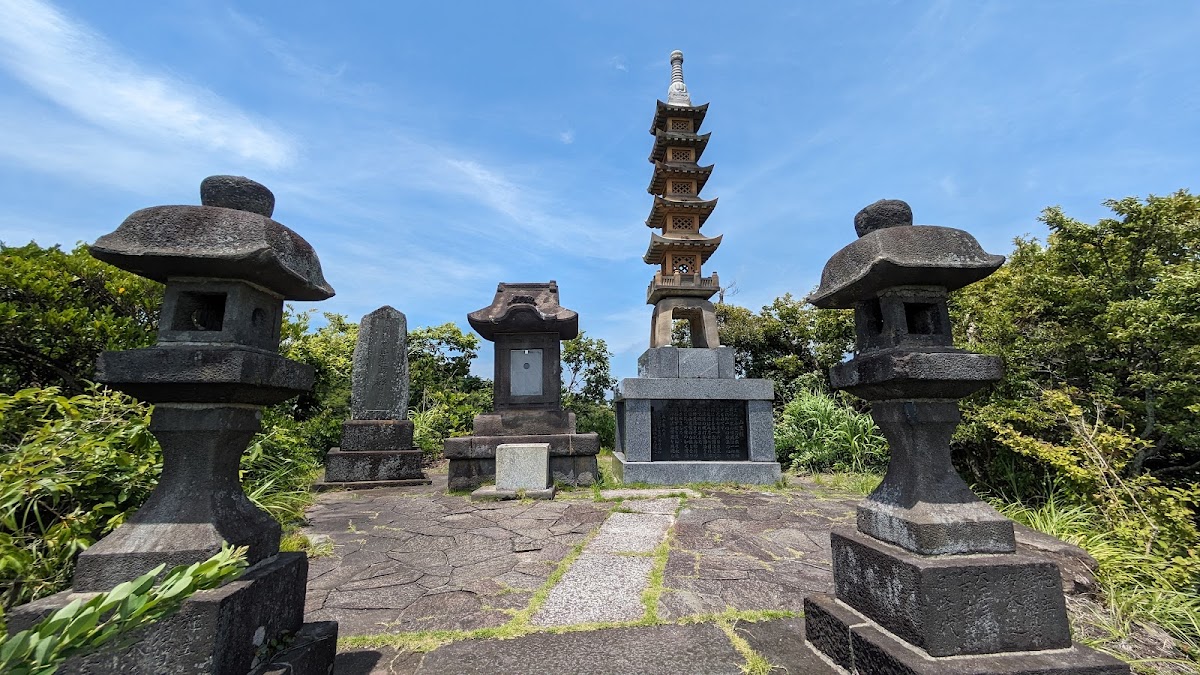
Many historical sites related to Yoshitsune and Benkei remain within the grounds of Manpuku-ji Temple.
Exhibition of the Koshigoe Letter
A copy of the Koshigoe Letter written by Yoshitsune is on display as a temple treasure. This letter, which pleads for Yoshitsune’s innocence and expresses a heartfelt desire for reconciliation with Yoritomo, is one of the most famous documents in Japanese history.
Benkei’s Sitting Stone
Within the temple grounds is a large stone where Benkei is said to have sat. Legend says that Musashibo Benkei, a loyal retainer of Yoshitsune, sat here, worrying about his lord.
Main Hall and Principal Image
The main hall enshrines Yakushi Nyorai (Medicine Buddha) as the principal image. Many worshippers visit to pray for recovery from illness and good health. ### A Charming Location with the Enoden Train Passing Right in Front
One of the most distinctive features of Manpuku-ji Temple is that the Enoshima Electric Railway (Enoden) tracks run right in front of the temple. The sight of the Enoden train passing by during your visit is a popular photo spot, offering a unique Kamakura atmosphere. Its convenient location, approximately a 5-minute walk from Koshigoe Station, is also a major draw for visitors.
Access Information for Kamakura Manpuku-ji Temple
- Address: 2-4-8 Koshigoe, Kamakura City, Kanagawa Prefecture
- Nearest Station: Approximately a 5-minute walk from Koshigoe Station on the Enoshima Electric Railway
- Visiting Hours: 9:00 AM – 5:00 PM
- Admission Fee: Free entry to the temple grounds (the treasure hall may have a fee)
- Parking: Coin parking available nearby
Get off at Koshigoe Station and walk approximately 250 meters towards the coast. Manpuku-ji Temple is on your right after crossing the railway crossing. The route is easy to follow, as it runs along the Enoden railway tracks, making it accessible even for first-time visitors without getting lost.
Manpukumitsu-ji Temple in Tochigi City | An Ancient Temple of Shingon Esoteric Buddhism
Overview and History of Manpukumitsu-ji Temple (Manpuku-ji)
Manpukumitsu-ji Temple, located in Tochigi City, Tochigi Prefecture, is a temple belonging to the Shingon sect. Since the Shingon sect is based on Esoteric Buddhism, its official name includes the character “Mitsu” (密), making it “Manpukumitsu-ji,” but it is commonly known as “Manpuku-ji.”
Founded in 1262 (Kōchō 2), it is an ancient temple with a history of over 750 years. The principal image is Dainichi Nyorai, and the faith based on the teachings of Shingon Esoteric Buddhism has been passed down to this day.
Characteristics of Manpukumitsu-ji Temple in Tochigi City
Manpukumitsu-ji Temple in Tochigi City serves as a center of local faith, performing various memorial services and prayers. While upholding the traditions of Shingon Esoteric Buddhism, the temple operates in a way that meets the needs of modern believers and visitors.
The temple grounds include the main hall and other buildings, offering a peaceful environment for worship. It is also a well-known tourist spot in Tochigi City, and many visitors combine their visit with sightseeing in the historic warehouse district.
About the Temple’s Goshuin (Stamp)
Manpuku Mitsuji Temple offers goshuin (temple stamps) to visitors. Goshuin are popular as a memento of temple visits and as proof of faith. When requesting a goshuin, it is customary to complete your prayers at the main hall first, and then inquire with the head priest or the temple office.
Even if you do not have a goshuincho (stamp book), the temple may have one available, so it is recommended to inquire in advance.
Access Information for Manpuku-ji Temple in Tochigi City
- Location: Tochigi City, Tochigi Prefecture (See official website for details)
- Sect: Shingon Buddhism
- Principal Image: Dainichi Nyorai
- Pilgrimage Site: Local pilgrimage site
- Parking: Available (for visitors)
Easily accessible from central Tochigi City, it’s a popular tourist route that combines a visit with a stroll through the historic warehouse district. Known as a power spot, it attracts visitors seeking peace of mind.
Manpuku-ji Temple in Nakagyo Ward, Kyoto City | A Famous Temple of the Seizan Jodo Sect
About Kagayama Rokudo Mangaiin Manpuku-ji Temple
Manpuku-ji Temple, located in Nakagyo Ward, Kyoto City, is a temple belonging to the Seizan Jodo Sect. Its official name is “Kagayama Rokudo Mangaiin Manpuku-ji Temple.” It is located in the heart of Kyoto City, making it very conveniently accessible.
- 7-minute walk from Hankyu Omiya Station
- 8-minute walk from Nijojo-mae Subway Station
- 10-minute walk from JR Nijo Station
This temple boasts an excellent location, making it easily accessible for sightseeing and worship.
About Perpetual Memorial Services and Cemeteries
Manpuku-ji Temple in Nakagyo-ku, Kyoto City, offers perpetual memorial services and is currently accepting applications for new cemetery plots. Despite its urban location, it offers a peaceful environment for ancestral worship, making it a popular choice for residents of Kyoto City and the surrounding areas.
Perpetual memorial services are an important option for those without successors or those who wish to avoid burdening their families. For detailed information regarding memorial service forms and costs, please contact the temple directly.
Initiatives in Social Welfare
In addition to its temple activities, Manpuku-ji Temple operates the social welfare corporation Rokuman Gakuen, which manages child welfare facilities such as “Rokuman Children’s Garden,” “Rokuman Children’s House,” and “Rakuchu Children’s Center.” A major characteristic of Manpuku-ji Temple is its active involvement in local childcare support and child welfare, based on the Buddhist spirit of compassion.
Other Manpuku-ji Temples
Manpuku-ji Temple in Yabu City, Hyogo Prefecture
Manpuku-ji Temple, located in Junisho, Yabu City, Hyogo Prefecture, is a renowned Shingon Buddhist temple said to have been founded 1200 years ago by Gyoki. It is also known as the temple where the Confucian scholar Ikeda Soan, who lost his parents at a young age, spent his childhood.
It is a temple deeply connected to the history of the region and is also introduced as a tourist spot in Yabu City.
Manpuku-ji Temple in Murakami City, Niigata Prefecture
Manpuku-ji Temple, located in Murakami City, Niigata Prefecture, is a temple belonging to the Soto Zen sect. It was founded in the first year of the Keicho era (1596) during the late Azuchi-Momoyama period, and its founder is said to be the 14th abbot of Koun-ji Temple, Goan Jukin Zenji.
The temple’s mountain name was originally “Murakami-san,” but was later changed to “Jikai-san.” It is registered as part of the Niigata Garden Road and is known for its beautiful garden.
Annual Events at Manpuku-ji Temple
Manpuku-ji temples throughout the year hold various memorial services and events. Here are some of the main events that visitors and parishioners can participate in.
Spring Events (March-May)
Spring Equinox Service (March)
During the spring equinox, a memorial service is held for ancestors. Visitors express their gratitude to their ancestors by visiting graves and participating in the memorial service in the main hall.
Flower Festival (April 8th)
The Flower Festival (Kanbutsu-e), celebrating the birth of Buddha, is held. With a ceremony involving pouring sweet tea and events that children can participate in, it is a lively event enjoyed by many families.
Spring Grand Festival (Third Saturday of April)
Some Manpuku-ji temples hold special memorial services and Goma fire rituals as part of their Spring Grand Festival. This is an important event where prayers are offered for the health and well-being of worshippers and for the safety of their families.
Summer Events (June-August)
Segaki Ceremony (Around August 8th)
In summer, the Segaki Ceremony is held to honor ancestors and to comfort spirits suffering in the realm of hungry ghosts and those without relatives. It is often held around the Obon period, and many parishioners participate.
Autumn Events (September-November)
Autumn Equinox Ceremony (September)
Similar to the spring ceremony, the Autumn Equinox Ceremony is also held. This is an important time to give thanks for the autumn harvest and to honor ancestors.
Winter Events (December – February)
New Year’s Eve Bell Ringing and New Year’s Goma Ritual (December 31st)
On New Year’s Eve, the temple bell is rung and a New Year’s Goma ritual is performed. At Manpuku-ji Temple in Kamakura, a performance of ryuteki (dragon flute) and dance is also held, allowing visitors to experience a special atmosphere welcoming the New Year.
First Shrine Visit of the Year and New Year’s Ceremony (January 1st – 3rd)
Many worshippers visit the temple for their first shrine visit of the year. This is an important event to pray for safety and happiness throughout the year.
Information on Manpuku-ji Temple’s Goshuin (Temple Seal)
Goshuin are popular among worshippers as proof of temple visits and as a record of their faith. Each Manpuku-ji Temple in various locations offers its own unique goshuin.
Etiquette for Receiving a Goshuin (Temple Stamp)
- Complete your prayers first: A goshuin is proof of your visit, so first offer your prayers at the main hall before receiving your goshuin.
- Prepare a goshuin notebook: It is advisable to prepare a dedicated goshuin notebook.
- Prepare a donation: A donation of approximately 300 to 500 yen is generally required. Please prepare the exact amount to avoid needing change.
- Use polite language: Please use polite language when speaking to the head priest and temple staff.
- Consider the time of day: Avoid early mornings and late evenings, and visit during visiting hours.
Characteristics of Goshuin at Each Manpuku-ji Temple
Manpuku-ji Temple in Koshigoe, Kamakura
As a temple associated with Minamoto no Yoshitsune, goshuin related to Yoshitsune and Benkei are popular. The design, inspired by the Koshigoe Letter, is particularly distinctive.
Manpuku-ji Temple, Tochigi City
As a Shingon Esoteric Buddhism temple, it offers Goshuin (temple seals) related to Dainichi Nyorai and the Shingon sect.
Manpuku-ji Temple, Nakagyo-ku, Kyoto City
As a Seizan Jodo sect temple, it offers Goshuin related to Amida Nyorai.
Points and Manners for Visiting Manpuku-ji Temple
Basic Flow of Visiting
- Bow at the Temple Gate: When entering the temple, bow at the temple gate before entering the grounds.
- Purify at the Water Basin: If there is a water basin, purify your hands and mouth.
- Pray at the Main Hall: Pray quietly in front of the main hall.
- Explore the Temple Grounds: Quietly explore the historical sites and cultural properties on the temple grounds.
- Receive a Goshuin: If desired, receive a Goshuin after your visit.
Attire and Items to Bring When Visiting
- Attire: Clean and understated clothing is preferred.
- Shoes: Since you may enter the main hall, shoes that are easy to put on and take off are convenient.
- Items to Bring: Goshuincho (stamp book), donation, camera (if photography is permitted)
Precautions When Taking Photos
Photography is generally permitted on the temple grounds, but please note the following:
- Photography inside the main hall or of Buddha statues may be prohibited.
- Please be considerate of other visitors.
- Use of tripods requires prior confirmation.
- Commercial photography requires permission.
Tourist Attractions Around Manpuku-ji Temple
Kamakura/Koshigoe Area
When visiting Manpuku-ji Temple, you can also visit nearby tourist attractions.
- Enoshima: Accessible in a few minutes by Enoden train from Koshigoe, or about 20 minutes on foot.
- Ryukoji Temple: A sacred temple of the Nichiren sect.
- Kodō Shrine: The guardian shrine of Koshigoe.
- Koshigoe Fishing Port: Enjoy fresh seafood.
Tochigi City Area
- Warehouse District: Stroll through Tochigi City’s historical streets.
- Tomoe River: Take a pleasure boat ride down the river.
- Okada Memorial Museum: A facility where you can learn about the history of Tochigi City.
Kyoto City Nakagyo Ward Area
- Nijo Castle: A famous castle and World Heritage Site.
- Shinsen-en Garden: A garden dating back to the Heian period.
- Kyoto International Manga Museum: A cultural facility.
How to Contact Manpukuji Temples
You can contact each Manpukuji Temple using the following methods.
Telephone Inquiries
For specific questions regarding visiting hours, event schedules, and consultations about memorial services and Buddhist ceremonies, telephone inquiries are the most reliable method. However, please avoid calling during services, early mornings, and evenings; the appropriate time is between 10:00 AM and 4:00 PM.
Checking the Official Website
The following information is available on the official websites of each Manpuku-ji temple:
- Visiting Hours and Admission Fees
- Annual Event Schedule
- Access Information and Map
- Goshuin (Temple Seal) Information
- Privacy Policy
Checking the official website before your visit will allow you to obtain the latest information.
Email Inquiries
Some temples also accept inquiries via email for detailed consultations and inquiries regarding memorial services. Replies may take several days, so please allow ample time when making your inquiry.
Summary | Manpuku-ji Temples are Important Temples that Convey the History and Culture of Various Regions of Japan
Manpuku-ji temples, scattered throughout Japan, each possess their own unique history and culture, playing an important role as centers of local faith. Manpuku-ji Temple in Kamakura is known for its connection to Minamoto no Yoshitsune, Manpuku-mitsu-ji Temple in Tochigi City is an ancient temple of Shingon Esoteric Buddhism, and Manpuku-ji Temple in Nakagyo Ward, Kyoto City, is a renowned temple of the Seizan Jodo sect. Each temple has its own unique characteristics.
When visiting, understanding the history and culture of each temple and observing appropriate manners will allow for a deeper experience. Manpuku-ji Temples are open to many people, not only for collecting temple stamps and sightseeing, but also as a place to seek peace of mind.
There are various ways to interact with the temples, such as participating in annual events or consulting about memorial services. Why not visit Manpuku-ji Temples with your family or loved ones? The head priests and staff of each temple will warmly welcome you.
When visiting, we recommend checking the latest information on the official website, including access methods and visiting hours. We hope the information presented here will be helpful for your visit to Manpuku-ji Temples.