Mimoro Shrine (Tagawa City, Fukuoka Prefecture) Complete Guide | History, Deities, Highlights, and Access Information
Mimoro Shrine, located in Ida, Tagawa City, Fukuoka Prefecture, is a historic shrine that has long been cherished by the local community. This article provides a detailed introduction to Mimoro Shrine, from its historical background and enshrined deities to its highlights and information for visitors.
Basic Information about Mimoro Shrine
Mimoro Shrine is located at 1623 Yokogi, Ida, Tagawa City, Fukuoka Prefecture. It is a community-oriented shrine nestled in a quiet residential area. Tagawa City is located in the central part of Fukuoka Prefecture and is known for its history as a thriving coal mining region.
Location: 1623 Yokogi, Ida, Tagawa City, Fukuoka Prefecture
Shrine Rank: Village Shrine
Founding: Details unknown (estimated to be before the Edo period)
Deities and Divine Virtues of Mimoro Shrine
Main Deities
Mimoro Shrine enshrines the following two deities:
Ōmononushi-no-Mikoto
Ōmononushi-no-Mikoto is the deity whose head shrine is Ōmiwa Shrine in Nara Prefecture, and is a venerable deity enshrined in one of Japan’s oldest shrines. It is deeply connected to the belief in Mount Miwa in Yamato Province as a sacred mountain, and the name “Mimoro” is thought to originate from this Miwa faith.
Ōmononushi-no-Mikoto is widely worshipped as the god of nation-building and the guardian deity of agriculture, commerce, and industry, and is particularly believed to possess the following divine virtues:
- Abundant harvests and agricultural prosperity
- Business success and industrial development
- Protection from evil and misfortune
- Matchmaking and family safety
- Medical care and recovery from illness
Toyokumunu-no-kami
Toyokunnu-no-kami is a deity in Japanese mythology who is responsible for the formation of the land and symbolizes a fertile land. “Kunnu” means “to become clear” or “to solidify,” representing the process of the land solidifying and forming.
Divine virtues of Toyokumunu-no-kami:
- National security and regional prosperity
- Protection of the land
- Prayer for a bountiful harvest
- Industrial development
What is Mimoro faith?
The name “Mimoro” has been used since ancient times to refer to mountains and forests where gods descend. As the worship of Mount Miwa in Nara spread throughout Japan, Mimoro Shrines and Mimuro Shrines were established in various locations. Mimoro Shrine in Tagawa City is considered one of these shrines that originated from this Miwa worship tradition.
History of Mimoro Shrine
Origin of Founding
The exact founding date of Mimoro Shrine is unknown as no records remain. However, based on local traditions and the style of the shrine buildings, it is estimated to have been founded before the Edo period. The Tagawa region has long been a thriving agricultural area, and the shrine has attracted the faith of local people as a place to pray for abundant harvests.
History of the Chikuhō Region and Mimoro Shrine
The Chikuhō region, including Tagawa City, flourished greatly from the Meiji era to the Showa era due to the coal industry. As the population rapidly increased with the development of coal mines and local communities formed, Mimoro Shrine played an important role as a spiritual center for the local residents.
It is said that coal miners and their families visited Mimoro Shrine to pray for safety during dangerous mining work and for the health and happiness of their families.
Changes Since the Modern Era
Since the 1950s, the energy revolution led to the closure of many coal mines in the Chikuhō region, marking a major turning point for the area. However, Mimoro Shrine has continued to watch over the history of the region and remains a cherished place of worship for local residents.
Highlights of the Shrine Grounds
Main Hall
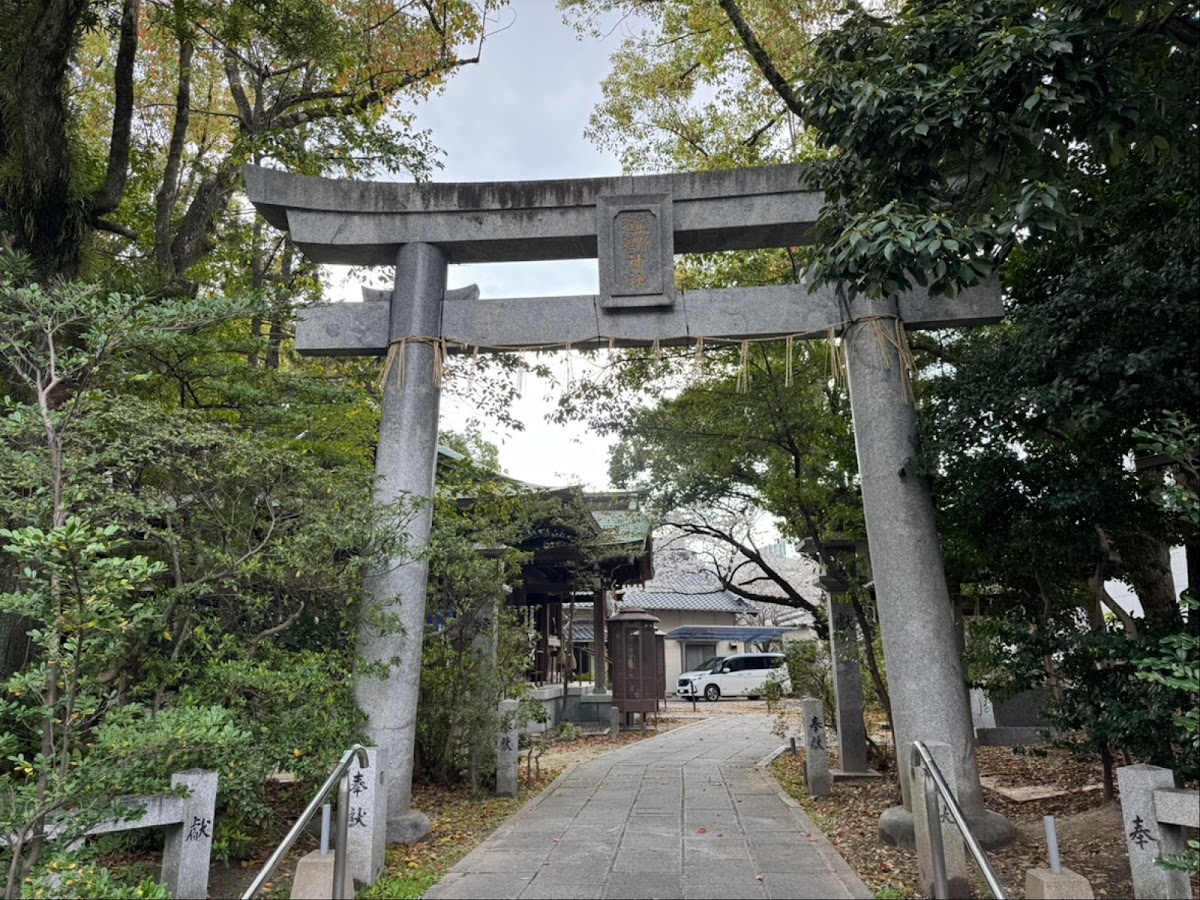
The main hall of Mimoro Shrine is built in the traditional style of shrine architecture, and the deity is enshrined inside. The main hall has a solemn atmosphere, providing a sacred space for worshippers.
Features of the Main Hall:
- Traditional wooden architecture
- Carefully maintained shrine building
- Architectural style that tells the history of the region
Worship Hall
The worship hall, where worshippers offer their prayers, is located in front of the main hall and serves as a place for local people to express their daily gratitude and wishes. The grounds are meticulously clean, reflecting the respect the local community has for the shrine.
Atmosphere of the Shrine Grounds
Despite being located in a residential area, the grounds of Mimoro Shrine maintain a tranquil atmosphere. Trees are planted throughout the grounds, allowing visitors to experience the changing seasons.
- A quiet and peaceful environment for worship
- A friendly atmosphere that blends seamlessly into the community
- Clean and well-maintained grounds
- Clearly cared for and preserved by local residents
Komainu and Stone Sculptures
The shrine grounds are adorned with stone sculptures, including komainu (guardian lion-dogs), which are valuable cultural assets that tell the story of the shrine’s history. These stone sculptures were donated by parishioners and local residents, demonstrating the depth of faith in the community.
Annual Events and Festivals
Annual Grand Festival
Every year, Mimoro Shrine holds its annual grand festival, where local residents gather to express their gratitude to the gods. The grand festival is an important event that strengthens the bonds of the local community.
First Shrine Visit of the Year
At the start of the new year, local residents visit the shrine for their first shrine visit of the year, praying for safety throughout the year and the health of their families. Although small in scale, the first shrine visit is deeply rooted in the community and has a warm atmosphere.
Other Annual Events
- Setsubun Festival
- Summer Purification Ceremony
- Autumn Harvest Thanksgiving Festival
These events are important opportunities to preserve local traditions and pass them on to future generations.
About Goshuin (Shrine Seals)
Regarding the issuance of Goshuin at Mimoro Shrine, there may not be a permanent shrine office. Those wishing to receive a Goshuin are advised to check with shrine officials in Tagawa City or local information beforehand.
In recent years, collecting Goshuin from shrines and temples has become popular, but it may be difficult for smaller shrines to accommodate this. The most important thing is to cherish the act of worship itself and offer gratitude to the gods.
Access Information
Access by Public Transportation
By JR Train:
- Get off at Tagawa-Ita Station on the JR Hitahikosan Line
- Approximately 15-20 minutes on foot from the station
- Or approximately 5 minutes by taxi from the station
By Bus:
- Take a Nishitetsu Bus bound for “Ita”
- Within walking distance from the nearest bus stop
Access by Car
From Fukuoka City:
- Approximately 30 minutes from Yahata IC on the Kyushu Expressway via National Route 200
- Or approximately 50 minutes from Fukuoka IC via National Route 201
From Kitakyushu City:
- Approximately 40 minutes via National Route 322 or National Route 201
Parking:
- There may be parking spaces for visitors on the temple grounds, but the number of spaces is limited
- Please be mindful of surrounding road conditions and avoid causing inconvenience to neighbors
Address and Map Information
Address: 1623 Yokogi, Ida, Tagawa City, Fukuoka Prefecture 825-0002
*You can find the location by searching for “Mimoro Shrine Tagawa City” on your car navigation system or smartphone map app.
Places to Visit Along with Tagawa City’s Tourist Spots
Kawawatari Shinkosai (Kazeji Hachimangu Shrine)
The Kawawatari Shinkosai, a representative festival of Tagawa City, is held every May and is considered one of Fukuoka Prefecture’s five major festivals. It’s a magnificent festival where gorgeously decorated floats cross the Hikoyama River during the procession of the Kazeji Hachimangu Shrine. Visiting Mimoro Shrine and experiencing Tagawa City’s festival culture is highly recommended.
Buzen Kokubunji Temple Ruins and Three-Storied Pagoda
Tagawa City has the ruins of the Buzen Kokubunji Temple, built during the Nara period, and a three-storied pagoda built in 1895 (Meiji 28) still stands. It’s a popular tourist spot where you can feel the romance of history.
Coal Memorial Park
This park allows you to learn about the history of coal mining in Tagawa City. It features a statue of the Coal Miner’s Song and a coal museum. It’s a valuable facility for understanding the history of the Chikuhō region.
Tagawa City Coal and History Museum
A museum where you can learn in detail about the history and culture of coal mining. It includes exhibits that recreate actual mine shafts, allowing for a deep understanding of Tagawa’s history.
Manners and Etiquette for Visiting Shrines
Basic Shrine Visit Etiquette
- Bow Before Passing Through the Torii Gate
Bow before entering the sacred area to show respect.
- Walking Along the Approach
The center of the approach is considered the path of the gods, so it is proper etiquette to walk along the sides.
- Purification at the Water Basin
If there is a water basin, purify your hands and mouth before praying.
- Praying at the Main Hall
Two bows, two claps, and one bow are the basic rituals.
- Bow deeply twice
- Clap your hands twice
- Pray sincerely
- Finally, bow deeply once more
Considerations at Small Shrines
At community-oriented shrines like Mimoro Shrine, please be mindful of the following:
- Do not make loud noises
- Always take your trash with you
- When taking photographs, be considerate of those around you
- Remember that this is a living space for local residents
- When parking, be considerate of neighbors
History and Cultural Background of Tagawa City
The Chikuhō Coalfield and Tagawa City
Tagawa City developed as the center of the Chikuhō coalfield from the Meiji to Showa periods. At its peak, many coal mines were in operation, attracting workers from all over the country and forming a vibrant city.
Tagawa City After the Closure of Coal Mines
With the energy revolution from the 1950s onward, coal mines closed, forcing Tagawa City to transform its industrial structure. Currently, it aims for new development centered on manufacturing, commerce, and tourism.
Preservation of Local Culture
Folk song culture, such as the “Tanko-bushi” (coal mining song), which has continued since the coal mining era, and traditional events such as the Kawawatari Shinko-sai (river crossing procession festival) are still carefully preserved. Mimoro Shrine, too, is an important presence that conveys the history and culture of the region, and is protected by the local people.
Significance of Visiting Mimoro Shrine
Experiencing Local History
By visiting Mimoro Shrine, you can experience the history and local culture of Tagawa City. Unlike large-scale tourist shrines, you can feel a simple and warm atmosphere rooted in the community.
A Quiet Worship Experience
Because it is rarely crowded with tourists, it is appealing that you can worship quietly and at your own pace. You can escape the hustle and bustle of everyday life and have time to calm your mind and connect with the gods.
Connection with the Local Community
By visiting a shrine that is carefully preserved by the local people, you can realize the role of shrines in Japanese local communities and the importance of community bonds.
Nearby Accommodation and Dining Information
Accommodation
The following types of accommodations are available in Tagawa City:
- Business Hotels (around Tagawa-Ita Station)
- Hot Spring Inns (nearby Kawara Town, etc.)
- Guesthouses/Inns
Restaurants
Tagawa City has restaurants where you can enjoy local cuisine from the Chikuhō region and food culture that has continued since the coal mining era:
- Hormone Dishes (Chikuhō specialty)
- Udon/Soba Noodles
- Local Set Meal Restaurants
- Cafes/Coffee Shops
Summary: The Charm of Mimoro Shrine
Mimoro Shrine, located in Tagawa City, Fukuoka Prefecture, is a historical shrine dedicated to Ōmononushi-no-Mikoto and Toyokumunu-no-Kami. While not a large-scale tourist shrine, it is a place worth visiting, loved and carefully preserved by the local people.
The Charms of Mimoro Shrine:
- A Historical Lineage Inheriting the Miwa Faith
It boasts a history of Mimoro faith, connected to Omiwa Shrine in Nara.
- A Warm, Community-Rooted Atmosphere
A shrine deeply intertwined with the faith and lives of the local people.
- A Quiet and Peaceful Worship Environment
A place to worship peacefully, away from the hustle and bustle.
- A Place to Experience Tagawa City’s History
It conveys the history of Tagawa, which prospered as a coal mining town.
- An Interaction with Local Culture
You can feel the bonds of the local community.
When you visit Tagawa City, please be sure to visit Mimoro Shrine and experience the history and culture of the region, as well as the gratitude felt towards the gods. We pray that good fortune and happiness will come to you through the divine blessings of Omononushi-no-Mikoto and Toyokumunu-no-Kami.
Precautions When Visiting the Shrine
- Please check in advance regarding the availability of Goshuin (shrine stamps), as the shrine office may not always be staffed.
- Please respect the local community’s living space and observe proper etiquette when visiting.
- We recommend checking the latest information with the Tagawa City Tourism Association or local information sources.
- Festival and event dates may change, so please check in advance.
Mimoro Shrine is a valuable place that preserves the original form of shrines in Japanese communities. It is important for each visitor to show respect and pass on this wonderful cultural heritage to future generations.