Mitsudenji Temple (Asahikawa City, Hokkaido) Complete Guide | History, Access, and Detailed Information on a Soto Zen Temple
Located in Toyooka 4-jo, Asahikawa City, Hokkaido, Mitsudenji Temple is a historic Buddhist temple belonging to the Soto Zen sect. It is a beloved place of worship rooted in the community, and a temple where funerals and memorial services are held. This article provides detailed information useful for those considering visiting or using Mitsudenji Temple, from basic information and access methods to the teachings of the Soto Zen sect.
Basic Information on Mitsudenji Temple
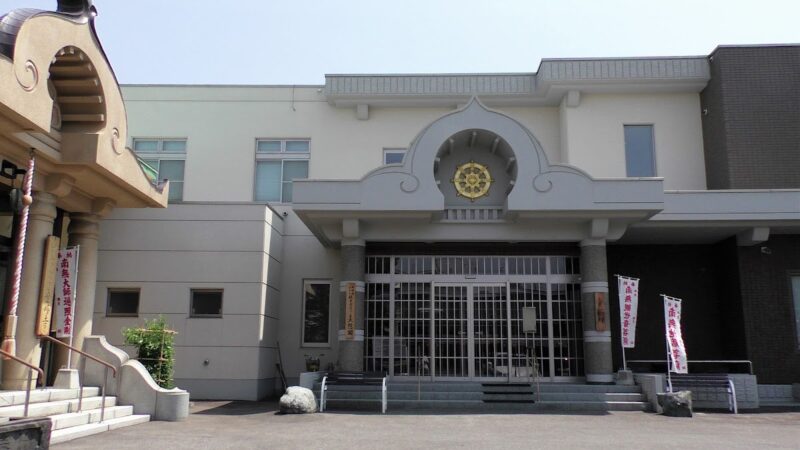
Mitsudenji Temple is a Soto Zen temple located at 4-15, Toyooka 4-jo 5-chome, Asahikawa City, Hokkaido. Situated in a residential area of Asahikawa City, it has served as a center of faith for local residents for many years.
Temple Overview
Temple Name: Mitsudenji Temple
Sect: Soto Zen
Chief Priest: Morita Gensho
Address: 4-15, Toyooka 4-jo 5-chome, Asahikawa City, Hokkaido 078-8234, Japan
Religion: Buddhism
Mitsudenji Temple, based on the teachings of the Soto Zen sect, emphasizes training centered on zazen (seated meditation) and its practice in daily life. It operates a danka (parishioner) system and widely handles all aspects of Buddhist services, including funerals, memorial services, and other religious ceremonies for the local community.
About the Soto Zen Sect
The Soto Zen sect is a branch of Japanese Zen Buddhism, a traditional sect founded by Zen Master Dogen. It is based on “shikantaza,” meaning “simply and wholeheartedly practicing zazen,” and teaches the doctrine of “shusho itto” (the unity of practice and enlightenment), which states that zazen itself is enlightenment.
The following are some of the characteristics of the Soto Zen school:
- Emphasis on Zazen: Emphasis is placed on practicing Zazen in daily life to cultivate inner peace.
- Emphasis on Practice: Emphasis is placed on daily practice, especially training through Zazen and samu (work such as cleaning), rather than theory.
- Equality: A perspective of equality is held, believing that all people possess Buddha-nature.
- Daily Life is the Path to Buddhism: The belief that all actions in daily life are forms of training.
Mitsudenji Temple also conducts activities based on these Soto Zen teachings, conveying Buddhist teachings through Dharma talks and Zazen sessions for its parishioners.
How to Access Mitsudenji Temple
Mitsudenji Temple is located in the Toyooka district of Asahikawa City, easily accessible from the city center.
Detailed Location
Address: 4-15, Toyooka 4-jo 5-chome, Asahikawa City, Hokkaido
The Toyooka district is a residential area located in the eastern part of Asahikawa City, where the temple stands in a quiet environment. Surrounded by residential and commercial facilities, the temple is a beloved part of the community.
Access by Public Transportation
The temple can be accessed using local bus routes within Asahikawa City. It is within walking distance of the nearest bus stop, making it relatively easy to reach by public transport. For detailed bus routes and timetables, we recommend checking the Asahikawa Electric Railway website or information guide.
Access by Car
The temple is approximately 10-15 minutes by car from the center of Asahikawa City. It is easily accessible from national and major roads, and we recommend contacting the temple in advance regarding parking.
When using a car navigation system, searching by address “4-15, Toyooka 4-jo 5-chome, Asahikawa City, Hokkaido” or phone number is convenient.
Buddhist Services and Memorial Services at Mitsudenji Temple
Mitsudenji Temple conducts various Buddhist services and memorial services in accordance with the customs of the Soto Zen sect.
Funerals and Memorial Services
As a Buddhist temple, the temple conducts funerals for its parishioners and others. Soto Zen funerals are characterized by rituals such as the guidance ceremony and the bestowal of the lineage, signifying the sending off of the deceased as a disciple of Buddha.
For consultations and inquiries regarding funerals, please contact the temple directly. They offer a wide range of consultations regarding funeral format, scale, and costs.
Memorial Services
Annual memorial services, held on the anniversary of the deceased’s death, are also an important role of Mitsudenji Temple. Services can be held at various milestones, from the seventh day after death to the forty-ninth day, the first anniversary, third anniversary, seventh anniversary, thirteenth anniversary, thirty-third anniversary, and so on.
In Soto Zen Buddhism, these services are used to pray for the repose of the deceased’s soul and provide an opportunity for those left behind to engage with Buddhist teachings and reflect on their own lives.
Other Buddhist Rituals
- Obon: An important event to welcome and honor the spirits of ancestors.
- Higan-e: An ancestral memorial service centered around the spring and autumn equinoxes.
- Segaki-e: A memorial service to honor spirits without relatives or those who have fallen into the realm of hungry ghosts.
- Mizuko Kuyo: A memorial service to comfort the spirits of unborn children.
For more detailed information on these Buddhist rituals, please contact the temple directly for detailed guidance.
The Role of Buddhist Temples in Asahikawa City
Asahikawa City, Hokkaido, has developed as a core city in the northern Hokkaido region and is home to many temples. Mitsudenji Temple is one of them, playing an important role in the local community.
As the Core of the Local Community
Temples are not merely religious facilities, but also central to local communities. Mitsudenji Temple has deep ties with local residents through the danka system (parishioner system) and has been there for them during important life events such as weddings and funerals.
A Place of Spiritual Support
In modern society, temples serve as a place of solace for those seeking peace of mind. Through Zen meditation sessions and Dharma talks, they offer opportunities to engage with Buddhist teachings and cultivate inner peace in daily life.
Cultural Inheritance
Buddhist temples are also places for the inheritance of traditional Japanese culture. Through sutras, rituals, and annual events, they play a role in passing on the culture inherited from their ancestors to future generations.
Manners for Visiting Soto Zen Temples
When visiting Mitsudenji Temple, it is advisable to be familiar with basic temple etiquette.
Attire
When attending memorial services or funerals, formal mourning attire or ceremonial clothing should be worn. For general visits, clean and subdued attire is acceptable. However, overly casual or revealing clothing should be avoided.
Etiquette for Visiting a Temple
- Bow at the Temple Gate: Bow at the temple gate before entering the temple.
- Purification at the Water Basin: If there is a water basin, purify your hands and mouth.
- Worship at the Main Hall: Join your hands in prayer in front of the main hall and quietly offer your prayers.
- Bow Upon Departure: Bow towards the temple at the temple gate when leaving.
Participating in Zen Meditation Sessions
Many Soto Zen temples hold Zen meditation sessions. It is possible that Mitsudenji Temple also holds Zen meditation sessions, so those interested should inquire with the temple. Zen meditation sessions are often open to beginners, and you will receive careful instruction.
How to Contact Mitsudenji Temple
For inquiries and consultations regarding Mitsudenji Temple, please contact the temple directly.
Examples of Inquiries
- Consultation regarding funerals and memorial services
- Inquiries about becoming a temple parishioner
- Inquiries about holding Zen meditation sessions and Dharma talks
- Inquiries about cemeteries and ossuaries
- Inquiries about prayers and memorial services
- Inquiries about the temple’s history and origins
Points to Note When Making an Inquiry
It is best to make inquiries to the temple during daytime hours whenever possible. Also, the head priest may be absent due to memorial services or funerals, so it is recommended to contact the temple in advance before visiting.
To ensure a smooth inquiry, please prepare the following information:
- Name and contact information
- Summary of the inquiry
- Desired date and time (for memorial services, etc.)
- Whether you are a temple parishioner
Network of Soto Zen Temples in Hokkaido
Mitsudenji Temple, as a Soto Zen temple, is connected to Soto Zen temples nationwide through a network. The Soto Zen sect has an official temple portal site called “Soto Zen Navi,” where you can search for Soto Zen temples throughout Japan.
Head Temples of the Soto Zen School
The Soto Zen school has two major head temples:
- Eihei-ji Temple (Fukui Prefecture): A temple founded by Zen Master Dogen
- Soji-ji Temple (Yokohama City): A temple associated with Zen Master Keizan
These head temples are central to the Soto Zen school, and many monks train here. It is believed that Reverend Morita Gensho, the head priest of Mitsuden-ji Temple, also underwent training in the Soto Zen school to reach his current position.
Soto Zen Temples in Hokkaido
There are numerous Soto Zen temples in Hokkaido. Temples were established alongside people who migrated to Hokkaido during the pioneering era, and have grown alongside the development of the region. There are also several Soto Zen temples in Asahikawa City, each engaged in activities rooted in the local community.
Characteristics of the Toyooka District in Asahikawa City
The Toyooka district in Asahikawa City, where Mitsuden-ji Temple is located, is a residential area in the eastern part of Asahikawa City.
Area Overview
Toyooka district is a relatively quiet residential area, home to many residents, primarily families. The surrounding area has schools, parks, and commercial facilities, providing a convenient living environment.
Transportation Access
Toyooka district is close to the center of Asahikawa city and has good access to national and major roads. Public transportation is also available, making travel to various parts of the city relatively easy.
Surrounding Environment
The area around Mitsudenji Temple is a quiet residential area, maintaining a tranquil atmosphere befitting a temple. Other religious and public facilities are nearby, functioning as part of the local community.
Mindset When Using Temples
When using Buddhist temples, including Mitsudenji Temple, it is important to have a few things in mind.
Understanding the Danka System
Many temples are maintained through the Danka system. A Danka is a family that supports a specific temple as their family temple. In exchange for cooperating in the maintenance and management of the temple, they receive priority in performing Buddhist services such as funerals and memorial services.
If you are considering becoming a temple parishioner, please check the following points:
- Obligations as a parishioner (e.g., maintenance fees)
- Services available
- Availability and usage conditions of a cemetery
- Procedures for leaving the temple
Building a good relationship with the temple
A relationship with a temple is not temporary, but a long-term relationship of trust. You can build a deeper relationship by participating in temple events and listening to the head priest’s sermons, not just attending funerals and memorial services.
Confirming costs in advance
It is important to clearly confirm the costs of funerals and memorial services in advance. Don’t hesitate to ask about the amount of the offering and other necessary expenses to avoid future problems.
The future role of Mitsudenji Temple
In modern society, the role of temples is changing. Mitsudenji Temple is also expected to contribute to the community while adapting to these changes.
Challenges for Temples in Modern Times
- Changes in the Danka System and Temple Management
- How to Transmit Buddhism to Younger Generations
- New Ways of Engaging with Local Communities
- Adapting to Digitalization
Expected Initiatives
- Holding Open Zen Meditation Sessions and Dharma Talks
- Providing End-of-Life Planning Consultations and a Place for Mental Health Care
- Participating in and Cooperating with Local Events
- Strengthening Information Dissemination
It is hoped that Mitsudenji Temple will continue to be a temple deeply rooted in the community, serving as a spiritual haven for people.
Summary
Mitsudenji Temple is a Soto Zen temple located in Toyooka 4-jo, Asahikawa City, Hokkaido. Under the leadership of Chief Priest Gensho Morita, it continues to engage in community-based activities. It performs various Buddhist services, including funerals and memorial services, supporting the faith of many people, including its parishioners.
Mitsudenji Temple, while cherishing the spirit of “Shikantaza” (just sitting) as taught in Soto Zen Buddhism, fulfills its role as a temple in modern society. Located in the tranquil environment of the Toyooka district of Asahikawa City, it provides peace and spiritual support to its visitors.
If you are interested in Mitsudenji Temple, whether for funeral or memorial service consultations, inquiries about becoming a parishioner, or participation in Zen meditation sessions, we recommend contacting the temple directly. The head priest and other temple staff will provide courteous assistance.
Buddhist temples are not merely religious institutions; they are the heart of local communities, inheritors of culture, and spiritual havens for people. Mitsudenji Temple will continue to fulfill these roles, supporting many people in the Toyooka district of Asahikawa City.