Miwa Shrine (Fuefuki City, Yamanashi Prefecture) Complete Guide: History, Goshuin (Shrine Seal), and Access Information for the Second-Ranked Shrine of Kai Province
Miwa Shrine, located in Ninomiya, Misaka-cho, Fuefuki City, Yamanashi Prefecture, is a venerable shrine that has been revered as the second-ranked shrine of Kai Province since ancient times. Enshrining Ōmononushi-no-Mikoto, who was invited from Ōmiwa Shrine in Nara Prefecture, this shrine boasts a history of over 1000 years and is recorded in historical texts as a shrine mentioned in national histories. This article comprehensively explains everything you need to know before visiting Miwa Shrine, including its detailed history, cultural assets, visiting information, and access methods.
Basic Information on Miwa Shrine
Miwa Shrine (Miwa Jinja) is a shrine located in Ninomiya, Misaka-cho, Fuefuki City, Yamanashi Prefecture, and its former shrine rank was Prefectural Shrine. As the second-ranked shrine of Kai Province, it played an important role from the Heian period onward and continues to welcome many worshippers as a center of local faith.
Location: 1450 Ninomiya, Misaka-cho, Fuefuki City, Yamanashi Prefecture
Former Shrine Rank: Prefectural Shrine
Shrine Rank: Second-ranked shrine of Kai Province, listed in national historical records
Main Deity: Ōmononushi-no-Mikoto
The shrine grounds are a tranquil space surrounded by trees, located approximately 2 kilometers west of the Ichinomiya-Misaka Interchange. The entrance to the approach is along the road leading from Misaka-cho towards Isawa, and proceeding along the approach reveals a lush, verdant shrine area.
History and Origins of Miwa Shrine
Founding Legend
According to shrine tradition, the founding of Miwa Shrine dates back to the reign of Emperor Keikō. It is said that the shrine originated when Yamato Takeru no Mikoto, during his eastern expedition, ordered Shionoumi no Sukune, the then governor of Kai Province, to invite a divided spirit of Ōmononushi no Mikoto from Ōmiwa Shrine in Sakurai City, Nara Prefecture (an ancient shrine with Mount Miwa as its sacred object).
This legend is also recorded in the “Kai no Kuni Shi” (History of Kai Province) and is an important historical background demonstrating the deep connection between Kai Province and the Yamato court in ancient times. Ōmiwa Shrine is one of the oldest shrines in Japan, and it is clear that Miwa Shrine, which enshrines its divided spirit, also has a similarly long history.
Heian Period: Establishment as the Second-Ranked Shrine of Kai Province
In the 9th century, during the reign of Emperor Kōkō, Miwa Shrine was designated as the second-ranked shrine of Kai Province. This indicates the hierarchy of shrines in Kai Province, meaning that it was officially recognized as a shrine of the second highest status after the first-ranked shrine (Asama Shrine).
During the Heian period, Miwa Shrine was recorded in the court’s records as a shrine mentioned in national histories. A shrine mentioned in national histories refers to a shrine that, while not directly mentioned in the Six National Histories (such as the *Nihon Shoki* and *Shoku Nihongi*), is recorded in historical texts other than the *Engishiki Jinmyocho*. This is evidence that Miwa Shrine was recognized as an important shrine from ancient times.
During the reign of Emperor Ichijo, the hierarchy of shrines in Kai Province, from Ichinomiya to Sannomiya, was clarified, and Miwa Shrine, as Ninomiya, played a central role in the faith system of Kai Province along with Sannomiya Tamamoro Shrine (Kofu City).
Medieval Period: Relationship with the Takeda Clan
During the Sengoku period (Warring States period), Miwa Shrine received deep reverence from the Takeda clan, who ruled Kai Province. Successive Takeda heads revered Miwa Shrine, praying for military success and the prosperity of their descendants, and made donations of land and repairs to the shrine buildings.
It is said that Takeda Shingen and other generals of the Takeda clan visited Miwa Shrine before going into battle to pray for victory. The armor and other offerings donated by the Takeda clan remain today as valuable cultural artifacts that illustrate the relationship between samurai and shrines at that time.
During the Tensho era (1573-1592), a record called the “Tensho Nenchu Ninomiya Sairei-cho” (Record of the Ninomiya Festivals in the Tensho Era) was created. This document details the festivals and rituals at Miwa Shrine at that time, making it an important historical source for understanding the activities of shrines in the medieval period.
From the Early Modern to the Modern Era
During the Edo period, in the early Genroku era (1688-1704), Daidai Kagura (a type of Shinto ritual dance) began to be performed. This Kagura, also known as Jindai Kagura, is a traditional performing art with a history of over 300 years and continues to be passed down today.
Following the Meiji-era separation of Shinto and Buddhism, Miwa Shrine was ranked as a prefectural shrine under the modern shrine ranking system. This indicates that it is recognized as a particularly historically significant shrine within Yamanashi Prefecture.
Although the shrine ranking system was abolished after World War II, Miwa Shrine continues to attract the faith of many people as the local tutelary shrine and as a shrine that inherits the tradition of being the second-ranked shrine of Kai Province.
About the enshrined deity: Ōmononushi-no-Mikoto
The principal deity of Miwa Shrine is Ōmononushi-no-Mikoto. Ōmononushi-no-Mikoto is a deity in Japanese mythology considered to be the gentle spirit (nigimitama) or another name for Ōkuninushi-no-Mikoto, and is known as the principal deity of Ōmiwa Shrine in Nara Prefecture.
The Divine Nature of Ōmononushi-no-Mikoto
Ōmononushi-no-Mikoto is worshipped as a deity with diverse divine attributes, including:
- God of Nation Building: A god who, together with Ōkuninushi-no-Mikoto, pioneered the development of the land.
- God of Agriculture: A god who brings abundant harvests.
- God of Commerce and Industry: A god who protects the development of industry.
- God of Medicine: A god who grants blessings for healing illnesses.
- God of Matchmaking: A god who brings good fortune in relationships.
Ōmononushi-no-Mikoto has been revered since ancient times as the “God of Miwa,” residing on Mount Miwa. The Miwa Shrine, which enshrines a分霊 (bunrei, a divided spirit) of Ōmononushi-no-Mikoto, retains the sound of “Miwa” in its name, demonstrating its deep connection to the main shrine, Ōmiwa Shrine.
Benefits
Visiting Miwa Shrine is believed to bring the following benefits:
- Family Safety
- Business Prosperity
- Abundant Harvest
- Recovery from Illness
- Matchmaking
- Prosperity of Descendants
- Long-lasting Military Fortune (Improved Luck in Competitions)
Especially since the Takeda clan prayed here for long-lasting military fortune, many people visit seeking blessings for success in competitions and passing exams.
Highlights of the Shrine Grounds
Approach and Torii Gate
The entrance to the approach to Miwa Shrine is located along the road from Misaka Town towards Isawa. Passing through the torii gate, a quiet approach surrounded by trees continues. This approach, lined with ancient trees, creates a sacred space far removed from the hustle and bustle of the city.
Following the approach, there are stone steps leading to the shrine grounds, where the main hall sits. The grounds are well-maintained, allowing visitors to enjoy the changing seasons while praying.
Main Shrine and Worship Hall
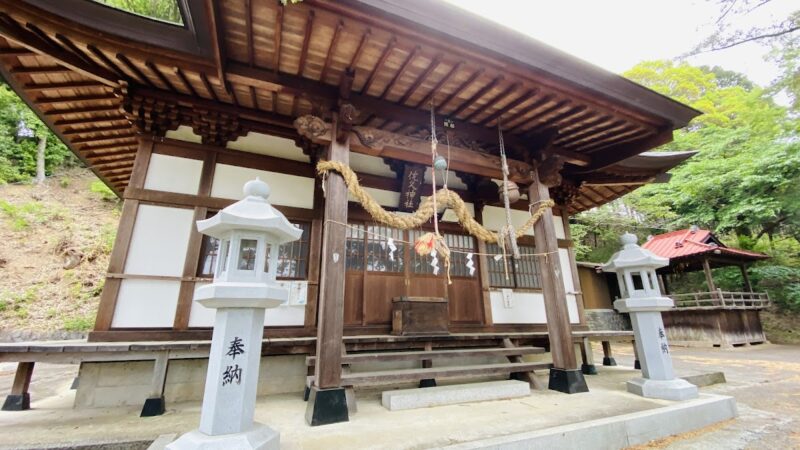
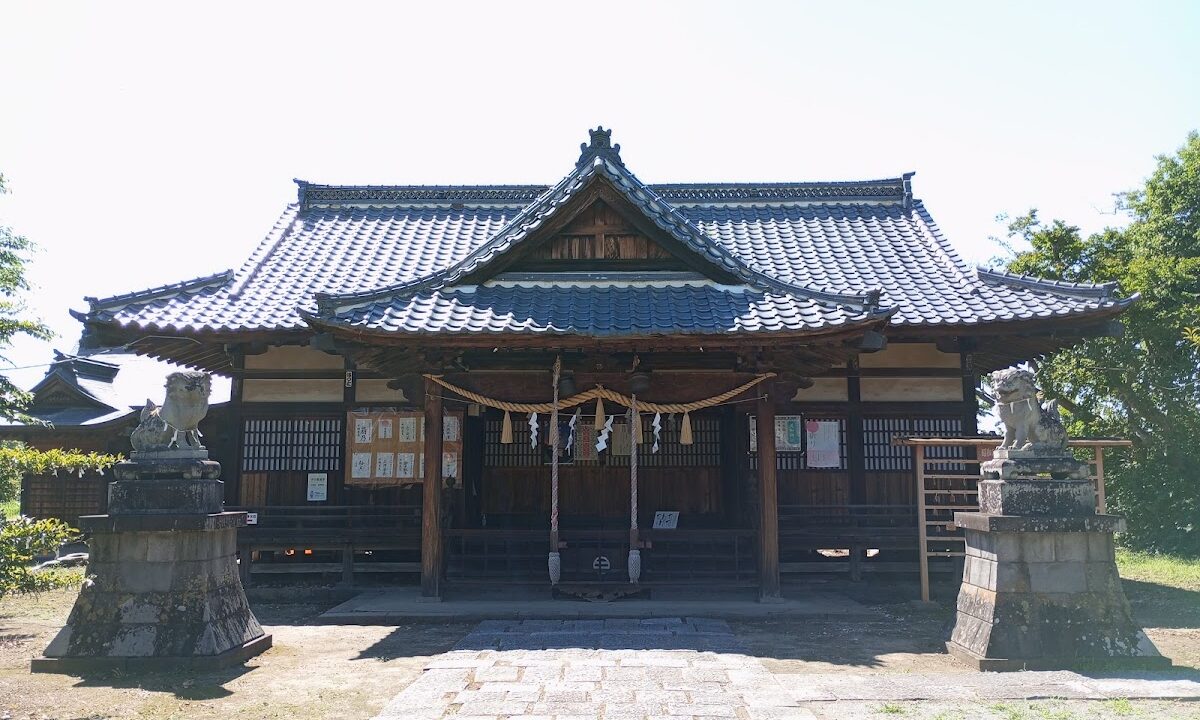
The main shrine of Miwa Shrine is built in the traditional style of shrine architecture. The worship hall, where worshippers offer their prayers, is located in front of the main shrine. The architectural style of the shrine buildings is unique, reflecting the local climate and history, and is of architectural historical value.
In addition to the main shrine and worship hall, there are also subsidiary shrines and smaller shrines within the grounds, each enshrining different deities. Visiting these shrines as well will allow for a deeper religious experience.
Shrines within the Grounds
Within the grounds of Miwa Shrine, there are subsidiary shrines that enshrine deities other than the main deity. These shrines reflect the local beliefs and history, and each has its own unique history and blessings. We recommend visiting these subsidiary shrines during your visit.
Cultural Heritage and Important Festivals
Miwa Shrine’s Taidai Kagura (Kamiyo Kagura)
The Taidai Kagura of Miwa Shrine, also known as “Kamiyo Kagura,” is said to have originated in the early Genroku period (1688-1704). With a history of over 300 years, this kagura is designated as an Intangible Folk Cultural Property of Yamanashi Prefecture and is an important traditional performing art of the region.
Taidai Kagura is a sacred performing art that expresses the stories of the gods through dance and music. The kagura of Miwa Shrine has been preserved in its ancient form and is still performed at major festivals throughout the year.
The kagura repertoire includes stories of the creation of heaven and earth, the birth of the gods, and the creation of the nation, allowing viewers to visually experience the world of Japanese mythology. This tradition, carefully preserved by the local people, is an important element that enhances the cultural value of Miwa Shrine.
Cultural Assets Associated with the Takeda Clan
Miwa Shrine houses armor and weapons donated by the Takeda clan. These are valuable cultural assets that convey the samurai culture of the Sengoku period and serve as physical evidence of the deep relationship between the Takeda clan and Miwa Shrine.
The “Tensho Nenchu Ninomiya Saireicho,” a record from the Tensho era, is an important historical document for understanding the reality of shrine festivals in the medieval period. This document details the festival schedule, participants, and the content of the rituals, offering a glimpse into the religious life of that time.
Annual Events
Miwa Shrine holds various festivals and ceremonies throughout the year. The main annual events include the following:
- Annual Grand Festival: The most important festival of Miwa Shrine, featuring the performance of Taidai Kagura (a type of Shinto ritual dance).
- New Year’s Visit: The shrine is bustling with worshippers in the new year.
- Setsubun Festival: Events such as bean-throwing are held.
- Summer Purification Ceremony: A Shinto ritual to purify oneself of the impurities accumulated over the past six months.
These festivals also play a role in strengthening community bonds, and many local residents participate.
Goshuin Information
Goshuin (shrine stamps) can be obtained at Miwa Shrine. Goshuin are stamps and calligraphic inscriptions given by shrines as proof of worship, and collecting them has become a popular hobby in recent years.
Regarding the Issuance of Goshuin
Goshuin at Miwa Shrine are available at the shrine office. However, they are not always available, so if you want to be sure to receive one, it is recommended to contact the shrine in advance to confirm availability.
The Goshuin (temple/shrine stamp) bears the name of Miwa Shrine and the words “Second Shrine of Kai Province,” along with the shrine’s official seal. Its simple yet dignified design reflects the history and prestige of the shrine as the second-ranked shrine of Kai Province.
Etiquette for Receiving a Goshuin
When receiving a Goshuin, please observe the following etiquette:
- Complete your prayers before receiving the Goshuin.
- Bring your Goshuincho (stamp book). (The Goshuin is written directly in your Goshuincho.)
- Prepare the offering (usually around 300 yen).
- Remember to express your gratitude to the shrine staff.
- Understand that the Goshuin is proof of your visit, not a stamp rally.
The Goshuin of Miwa Shrine holds special value as proof of its historical status as the second-ranked shrine of Kai Province.
The Ichinomiya, Ninomiya, and Sanomiya System of Kai Province
Understanding Miwa Shrine is crucial to understanding the ancient “Ichinomiya system.” This system, which existed from the Heian period to the medieval period, designated the highest-ranking shrine in each province (under the Ritsuryo system) as “Ichinomiya,” followed by “Ninomiya” and “Sanomiya.”
Shrine Ranking in Kai Province
The ranking of shrines in Kai Province (present-day Yamanashi Prefecture) is as follows:
- Ichinomiya: Asama Shrine (Ichinomiya-cho, Fuefuki City)
- Ninomiya: Miwa Shrine (Ninomiya, Misaka-cho, Fuefuki City)
- Sanomiya: Tamamoro Shrine (Kofu City)
Interestingly, the location of Miwa Shrine is known as “Ninomiya,” reflecting its history as a Ninomiya. This is a rare example nationwide, demonstrating how deeply the shrine’s status is rooted in the region’s identity.
Role as the Second Shrine
Under the Ichinomiya system, the second shrine (Ninomiya) was the second most important shrine after the Ichinomiya, receiving the reverence of the provincial governor (Kokushi) and playing a central role in local religious ceremonies. Miwa Shrine, as the second shrine of Kai Province, played the following roles:
- A place of regular worship by provincial governors and influential local figures
- A site for national prayers and rituals
- A center of local faith and culture
- Contribution to the local economy through the management of shrine lands
This tradition continues to this day, and Miwa Shrine remains an important cultural and spiritual center in Fuefuki City.
Access and Visiting Information
Location
Address: 1450 Ninomiya, Misaka-cho, Fuefuki City, Yamanashi Prefecture 406-0835
Access by Car
- Approximately 2 kilometers west from the Ichinomiya-Misaka Interchange on the Chuo Expressway (approximately 5 minutes by car)
- Parking: Parking spaces for visitors are available on the temple grounds (spaces are limited, and may be crowded during festivals)
Access by Public Transportation
- Approximately 10 minutes by taxi from Isawa-Onsen Station on the JR Chuo Main Line
- Bus services are limited, so using a taxi is recommended if using public transportation.
Visiting Hours
The temple grounds are generally open for free visits. However, if you wish to receive a Goshuin (temple stamp) or prayers, you must visit during the temple office’s opening hours. Generally, this is from 9:00 AM to around 5:00 PM, but it is recommended to check in advance.
Nearby Tourist Attractions
When visiting Miwa Shrine, you can also visit nearby tourist attractions:
- Asama Shrine (Ichinomiya): As the Ichinomiya (first-ranked shrine) of Kai Province, many people visit it along with Miwa Shrine.
- Isawa Onsen: A representative hot spring resort in Yamanashi Prefecture, perfect for relaxing after visiting the shrine.
- Peach Blossom Paradise: Fuefuki City is famous for its peach production, and in spring, peach blossoms bloom everywhere.
- Wineries: Yamanashi Prefecture is also a wine-producing region, and there are many wineries in the surrounding area.
Tips for Visiting Miwa Shrine
Etiquette for Visiting Shrines
By observing basic etiquette for visiting shrines, you can have a more fulfilling experience:
- Bow before passing through the torii gate: Show respect for entering the sacred area.
- Walk along the edge of the approach: The center is considered the path for the gods.
- Purify yourself at the water basin: Purify your left hand, right hand, and mouth in that order.
- Etiquette at the Worship Hall: Two bows, two claps, one bow (bowing twice, clapping twice, bowing once)
- Bow at the Torii Gate when leaving: With gratitude
Regarding Attire
While everyday clothes are acceptable for worship, please be mindful of the sacred nature of the place and dress accordingly. For those receiving prayers, more formal attire is recommended.
Regarding Photography
Photography is generally permitted within the shrine grounds, but restrictions may apply inside the main hall or during religious ceremonies. If unsure, please check with the shrine office. Also, please be considerate of other worshippers.
The Charm and Value of Visiting Miwa Shrine
Miwa Shrine is not a flashy tourist destination, but it is a shrine that quietly preserves its history and traditions. Its appeal lies in the following points:
Historical Value
With a history dating back to the reign of Emperor Keiko, its status as the second-ranked shrine of Kai Province, and its connection to the Takeda clan, this shrine boasts a history of over 1000 years, making it a fascinating place for history enthusiasts.
Cultural Value
It serves as an important center for conveying the culture of Yamanashi Prefecture, with traditional performing arts such as the Taidai Kagura (ancient Shinto dance), cultural artifacts related to the Takeda clan, and ancient documents.
Spiritual Value
The tranquil grounds are ideal for escaping the hustle and bustle of modern life and finding peace of mind. Being surrounded by trees and immersed in a place of worship that has continued since ancient times provides a sense of spiritual fulfillment.
Connection to the Community
As the local guardian shrine, Miwa Shrine remains deeply intertwined with the lives of the local people. Many local residents participate in festivals, and efforts to pass on traditions to future generations continue. This aspect of being a “living shrine” is also a major attraction of Miwa Shrine.
Summary: The Significance of Visiting Miwa Shrine
Miwa Shrine (Ninomiya, Misaka-cho, Fuefuki City, Yamanashi Prefecture) is a venerable shrine with a history of over 1000 years, serving as the second-ranked shrine of Kai Province. It enshrines Ōmononushi-no-Mikoto, who was invited from Ōmiwa Shrine in Nara, and boasts a multi-layered history, including a founding legend during the reign of Emperor Keikō, records as a nationally listed shrine in the Heian period, reverence from the Takeda clan, and the tradition of the Daidai Kagura dance that continues to this day.
When visiting Yamanashi Prefecture, you can have a deeper travel experience by visiting shrines like Miwa Shrine, which quietly preserve history and tradition, in addition to famous tourist spots. Miwa Shrine, where you can touch upon the history of Kai Province, the footsteps of the Takeda clan, and the essence of Japanese shrine faith, is a valuable cultural heritage worth visiting.
If you have the opportunity to visit Fuefuki City, be sure to visit Miwa Shrine and feel the weight of history in its tranquil atmosphere. By receiving a Goshuin (temple/shrine stamp), reflecting on the tradition of the Taidai Kagura (a type of Shinto ritual dance), and standing in the place where the Takeda clan offered their prayers, you can experience the rich history and culture of Yamanashi Prefecture.