Munakata Shrine (Hirosaki City, Aomori Prefecture) Complete Guide | Goshuin (Shrine Seal), History, and Access Information
Munakata Shrine, located in Shinagawa-cho, Hirosaki City, Aomori Prefecture, is a historic shrine affectionately known locally as “Benten-sama.” Since its founding in 807 AD, it has attracted the faith of the people of Hirosaki for over 1200 years. This article provides a detailed explanation of everything you need to know before visiting, including the history of Munakata Shrine, information on its goshuin (shrine seal), highlights of the grounds, and access methods.
Basic Information about Munakata Shrine
Munakata Shrine is located in the heart of Hirosaki City, approximately a 9-minute walk from Chuo Hirosaki Station. It is a shrine whose main branch is Munakata Taisha in Fukuoka Prefecture, and it enshrines the Munakata Three Goddesses, known as water deities.
Location: 89 Shinagawa-cho, Hirosaki City, Aomori Prefecture
Phone Number: 0172-32-8059
Nearest Station: Approximately 9 minutes on foot (approx. 744m) from Chuo-Hirosaki Station on the Konan Railway Owani Line
Shrine Office Hours: 9:00 AM – 4:00 PM
Parking: Available
History and Origins of Munakata Shrine
Founding History
The history of Munakata Shrine dates back to the early Heian period. It is said that in 807 AD (Daido 2), General Sakanoue no Tamuramaro, who served as the Seii Taishogun (Commander-in-Chief of the Expeditionary Force against the Barbarians) and contributed greatly to the pacification of the Tohoku region, enshrined Benzaiten, whom he worshipped, in a place called Ono and founded the shrine. There is also a legend that General Tamuramaro dedicated a biwa (lute) as proof of his faith in Benzaiten, suggesting that this shrine has long been revered as a god of music and performing arts.
Relocation during the Edo Period
Originally located in Ohno, the shrine was relocated to its current location in Shinagawa-cho in 1662 (Kanbun 2). During this period, the shrine was known as “Dote Ichiza Benzaiten Shrine” or “Benten-gu,” and gained widespread reverence from the samurai and townspeople of the Hirosaki domain. As the Hirosaki castle town developed, the shrine grew into an important center of local faith.
Name Change during the Meiji Era
Due to the Meiji-era policy of separating Shinto and Buddhism, the name was changed from the strongly Buddhist “Benzaiten” to the more Shinto “Munakata Shrine.” As a shrine dedicated to the Munakata Three Goddesses, who, like Benzaiten, have a deep connection to water, it came to regard Munakata Taisha in Fukuoka Prefecture as its main shrine. However, it is still affectionately known as “Benten-sama” by locals, and the faith cultivated over its long history continues to be passed down today.
Deities and Divine Virtues
Main Deities: The Three Munakata Goddesses
The following four deities are enshrined at Munakata Shrine:
Ichikishima-hime no Mikoto
One of the Three Munakata Goddesses, a deity syncretized with Benzaiten. She is worshipped as the goddess of beauty, performing arts, and wealth.
Tagitsu-hime no Mikoto
One of the Three Munakata Goddesses, a deity who protects the safety of maritime traffic.
Tagori-hime no Mikoto
One of the Three Munakata Goddesses, a deity who presides over safe voyages and abundant catches.
Kasuga no Okami
Kasuga no Okami is also enshrined here, and is believed to bring good fortune and prosperity.
Divine Virtues and Faith
Munakata Shrine is particularly known for the following divine virtues, attracting many worshippers:
- Traffic Safety: Due to the divine virtues of the Munakata Three Goddesses, deities of maritime traffic, it now also attracts worshippers praying for safe land travel.
- Improvement in Performing Arts: Inheriting the characteristics of Benzaiten, people pray here for improvement in music and performing arts.
- Attracting Wealth and Good Fortune: Due to the worship of Benzaiten, many worshippers pray here for business prosperity and increased wealth.
- Guardian Deity for Those Born in the Year of the Dragon and Snake: It is especially revered as the guardian deity for people born in the Year of the Dragon and the Year of the Snake.
- Academic Achievement: Due to the divine virtues of Kasuga Okami, students also visit to pray for academic success.
Highlights of the Shrine Grounds
Shrine Building
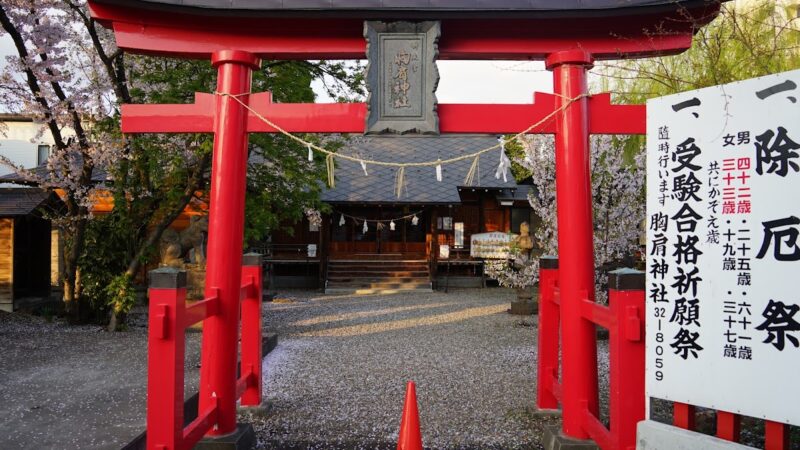
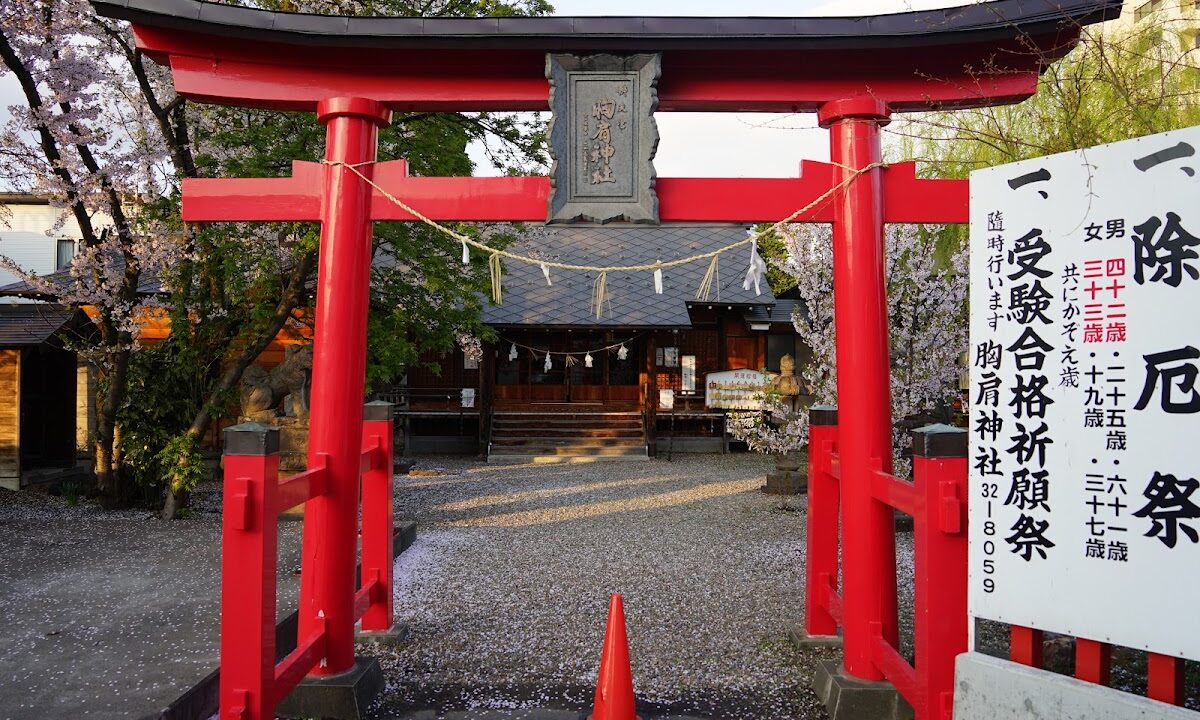
The shrine building of Munakata Shrine is a beautiful structure that conveys the traditional architectural style of Hirosaki. Since its relocation during the Edo period, the shrine has maintained its historical dignity despite undergoing several restorations. The vermilion-lacquered shrine buildings contrast beautifully with the surrounding greenery, displaying different expressions throughout the seasons.
Spring Water
To the right of the shrine grounds is a pure spring, which visitors can freely drink. This water is renowned for its coldness and delicious taste, and is cherished as sacred water befitting a shrine dedicated to the Munakata Three Goddesses, the gods of water. Be sure to taste it during your visit. It has long been known as “Benten-sama’s Water” and is a valuable water source that has supported the lives of the local people.
Atmosphere of the Shrine Grounds
Despite being located in the heart of Hirosaki City, the shrine grounds are enveloped in a tranquil atmosphere. Ancient trees line the grounds, creating a peaceful space that allows you to forget the hustle and bustle of the city. You can enjoy the beauty of each season: cherry blossoms in spring, fresh greenery in summer, autumn leaves in fall, and snowscapes in winter.
Goshuin (Shrine Seal) and Goshuincho (Shrine Seal Book) Information
About Goshuin
Goshuin are available at Munakata Shrine.
Reception Location: Shrine Office
Reception Hours: 9:00 AM – 4:00 PM
Offering Fee: Usually around 300-500 yen (subject to change)
Method: If the chief priest is present, the goshuin will be written directly by the priest.
The goshuin will have the words “Munakata Shrine” written in ink and the shrine’s seal stamped on it. It will be a valuable memento of your visit and a precious item for those collecting goshuin.
Points to Note When Receiving a Goshuin (Shrine Stamp)
- If the chief priest is absent, you may be asked to leave your goshuincho (stamp book) and pick it up at a later date.
- It is recommended to call ahead to confirm before visiting.
- A goshuin is proof of your visit, so please be sure to pray before receiving it.
- It is considered good manners to bring your goshuincho (paper stamps may also be available).
Original Goshuincho
At Munakata Shrine, we recommend contacting the shrine office before your visit regarding the availability of the shrine’s own goshuincho.
About Prayers and Festivals
Munakata Shrine accepts various prayers and off-site festivals.
Main Prayers and Ceremonies
- Traffic Safety Prayer: Blessing of vehicles, etc.
- Shichi-Go-San (7-5-3 Festival): A ceremony celebrating the growth of children
- Exorcism of Evil Spirits: Exorcism for those in their unlucky years
- Dog Day Visit: Prayers for safe childbirth
- First Shrine Visit: Prayers for the healthy growth of a baby
- Prayers for Success in Exams: Prayers for academic success for students taking exams
- Business Prosperity: Prayers for the development of a business
On-Site Ceremonies
We also perform various on-site ceremonies such as ground-breaking ceremonies, roof-raising ceremonies, and completion ceremonies. Please contact the shrine directly for details.
Access Methods
Access by Public Transportation
Using the Konan Railway Owani Line
Approximately 9 minutes on foot from Chuo Hirosaki Station (approx. 744m)
From JR Hirosaki Station
Take a Konan Bus from Hirosaki Station and walk a few minutes from the nearest bus stop
or take a taxi for about 10 minutes
Access by Car
From the Tohoku Expressway
Approximately 15 minutes from the Owani Hirosaki Interchange
Parking
There is parking space on the shrine grounds, but the number of spaces is limited, so please consider using nearby paid parking lots during busy times.
Address and Map
89 Shinagawa-cho, Hirosaki City, Aomori Prefecture 036-8203
Located in the heart of Hirosaki City, close to Hirosaki Park, it is recommended to visit while sightseeing in Hirosaki.
Annual Events and Festivals
Munakata Shrine holds various festivals throughout the year.
Main Annual Events
- New Year’s Day Festival: A festival to pray for happiness in the new year
- Setsubun Festival: A festival to pray for protection from evil and for good fortune
- Spring Grand Festival: A festival to celebrate the arrival of spring
- Summer Purification Ceremony: A Shinto ritual to purify oneself of the impurities accumulated over the past six months
- Autumn Grand Festival: A festival to give thanks for the harvest
- Shichi-Go-San Festival: Held mainly in November
- Year-End Purification Ceremony: A Shinto ritual to purify oneself of the impurities accumulated over the past year
For specific dates, please contact the shrine or check the official website.
Nearby Tourist Attractions
When visiting Munakata Shrine, why not also visit some of the nearby tourist attractions?
Hirosaki Park (Hirosaki Castle)
A symbol of Hirosaki, within walking distance of Munakata Shrine. Its spring cherry blossom festival is particularly famous nationwide, with approximately 2,600 cherry trees in full bloom. Many Edo-period buildings remain, including the castle tower, turrets, and castle gates.
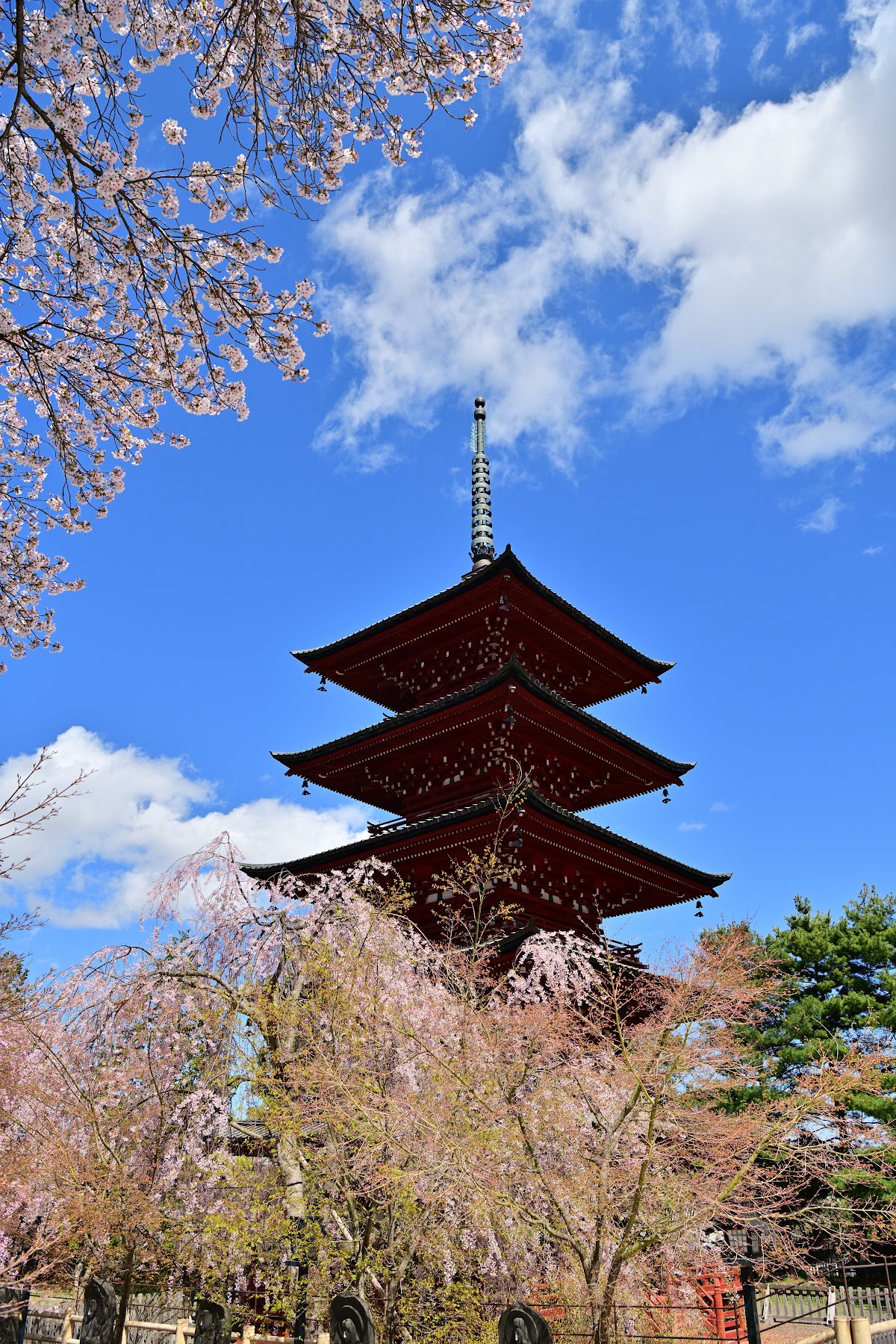
Saishoin Five-Storied Pagoda
A beautiful five-storied pagoda designated as a National Important Cultural Property. It is known as the only five-storied pagoda in the Tohoku region.
Fujita Memorial Garden
A Japanese garden built during the Taisho era. Composed of elevated and low-lying areas, it offers beautiful scenery throughout the seasons.
Hirosaki City Tourist Information Center
A facility where you can obtain tourist information about Hirosaki. It can also be used for purchasing souvenirs and taking a break.
Manners and Points for Visiting a Shrine
Basic Worship Etiquette
- Bow before passing through the torii gate: This is a courtesy when entering the sacred area.
- Purify yourself at the water basin: Purify your left hand, then your right hand, then your mouth.
- Walk along the edge of the path: The center is considered the path of the gods.
- Worship at the main hall: Two bows, two claps, and one bow is the basic form.
- Bow upon leaving: Turn around and bow when leaving the torii gate.
Attire for Visiting a Shrine
No special attire is required, but clean clothing that reflects the sacred nature of the place is desirable. If you are receiving a prayer, please dress more formally.
Photography
Photography is generally permitted on the shrine grounds, but please be mindful of appropriate behavior, such as refraining from taking pictures inside the shrine buildings or during religious ceremonies.
The Charm of Munakata Shrine
A Faith Rooted in the Community
The greatest charm of Munakata Shrine lies in its history of being cherished by the local people for over 1200 years. Known affectionately as “Benten-sama,” it’s a place where locals can be seen visiting regularly. It retains the authentic feel of a shrine, unspoiled by excessive tourism.
The Blessing of Water
The spring water within the shrine grounds is sacred water befitting a shrine dedicated to the Munakata Three Goddesses, the gods of water. This pure water speaks to the shrine’s long history as a water source, bringing blessings to the community.
Beauty in Every Season
Hirosaki is famous for its cherry blossoms, but the grounds of Munakata Shrine also showcase the beauty of each season. It’s a place where you can quietly pray while feeling the changing seasons in a peaceful setting.
Easy Access
Located in the heart of Hirosaki City and within walking distance of Chuo Hirosaki Station, its easy accessibility is another attractive feature. It’s easy to stop by when sightseeing in Hirosaki, and you can combine it with a visit to Hirosaki Castle and other tourist spots.
Best Season to Visit Munakata Shrine
Spring (April-May)
Visiting during Hirosaki’s cherry blossom season is highly recommended. A popular route is to enjoy the cherry blossoms in Hirosaki Park before visiting Munakata Shrine. The cherry blossoms in the shrine grounds are beautiful, and you can truly feel the arrival of spring.
Summer (June-August)
The fresh greenery is beautiful, and the spring water in the shrine grounds feels especially refreshing. On hot days, the cool spring water soothes visitors.
Autumn (September-November)
A season of beautiful autumn foliage. It’s also the time for Shichi-Go-San (a traditional Japanese rite of passage for children), and the shrine grounds are vibrant with children in their festive attire.
Winter (December-March)
The shrine is exceptionally beautiful amidst a snowy landscape. It’s bustling with many visitors during the New Year’s pilgrimage. You can experience the solemn atmosphere unique to a snowy region. ## Summary
Munakata Shrine is a historical and traditional shrine located in Hirosaki City, Aomori Prefecture. Since its founding in 807 AD, it has been affectionately known as “Benten-sama” by the local people. It enshrines the three Munakata goddesses and Kasuga Okami, and is believed to bestow blessings for traffic safety, artistic improvement, financial prosperity, and academic success.
Pure spring water flows within the shrine grounds, allowing visitors to enjoy beautiful scenery throughout the seasons. Its convenient location, approximately a 9-minute walk from Chuo Hirosaki Station, is another attractive feature, making it a must-visit spot during Hirosaki sightseeing.
Goshuin (shrine stamps) are available, making it a great choice for those collecting them. The shrine office is open from 9:00 AM to 4:00 PM, so please allow ample time for your visit.
With a history spanning over 1200 years, Munakata Shrine continues to attract deeply rooted local faith. When visiting Hirosaki, be sure to pay a visit.
Frequently Asked Questions (FAQ)
Q1: Can I get a Goshuin (temple/shrine stamp) at Munakata Shrine anytime?
A1: Goshuin are available during the shrine office’s reception hours, from 9:00 AM to 4:00 PM. If the chief priest is present, he will write it directly for you. However, if he is absent, you may need to leave your Goshuin book and pick it up later. To ensure you receive a Goshuin, we recommend calling in advance (0172-32-8059).
Q2: Is there parking available?
A2: There is parking space on the shrine grounds, but the number of spaces is limited. During busy times or events, please consider using nearby paid parking lots. It is also conveniently accessible by public transport, approximately a 9-minute walk from Chuo Hirosaki Station.
Q3: Why is Munakata Shrine called “Benten-sama”?
A3: Munakata Shrine was originally a shrine dedicated to Benzaiten (the goddess of fortune). Due to the Meiji-era policy of separating Shinto and Buddhism, the shrine was renamed “Munakata Shrine,” which enshrines the three Munakata goddesses. However, due to its long history of worship, it is still affectionately known as “Benten-sama” by locals. Benzaiten and Ichikishimahime-no-Mikoto are also deities that were syncretized.
Q4: Can I receive prayers for traffic safety?
A4: Yes, Munakata Shrine accepts prayers for traffic safety. We also perform car blessings, so please contact the shrine directly (0172-32-8059) for details. Due to the divine virtues of the three Munakata goddesses, who are deities of maritime traffic, the shrine attracts many worshippers seeking traffic safety.
Q5: What does it mean to be the guardian deity for those born in the Year of the Dragon and the Year of the Snake?
A5: Munakata Shrine is especially revered as the guardian deity for people born in the Year of the Dragon and the Year of the Snake. This originates from the worship of Benzaiten, the goddess of fortune. Because Benzaiten was considered the guardian deity of the southeast (Tatsumi direction), she came to be revered as the guardian deity of people born in the Year of the Dragon and the Year of the Snake.
Q6: Can I visit for Shichi-Go-San (a traditional Japanese rite of passage for children)?
A6: Yes, Munakata Shrine accepts Shichi-Go-San prayers. Many families visit, especially in November. Advance reservations may be required, so we recommend contacting the shrine before visiting. A Shichi-Go-San quick reference chart is also available.
Q7: Is the spring water on the shrine grounds drinkable?
A7: Yes, the spring water on the right side of the shrine grounds is drinkable. It is known for being very cold and delicious, and visitors are free to drink it. It has been cherished since ancient times as pure, sacred water befitting a shrine dedicated to the Munakata Three Goddesses, the gods of water.
Q8: Are there any recommended routes to visit in conjunction with sightseeing in Hirosaki?
A8: Since it’s within walking distance of Hirosaki Park (Hirosaki Castle), it’s recommended to visit before or after visiting Hirosaki Castle. You can efficiently visit Hirosaki’s main tourist spots by following this route: Hirosaki Castle → Munekata Shrine → Saishoin Five-Storied Pagoda → Fujita Memorial Garden. In particular, many people visit it in conjunction with Hirosaki Park during the cherry blossom season in spring.