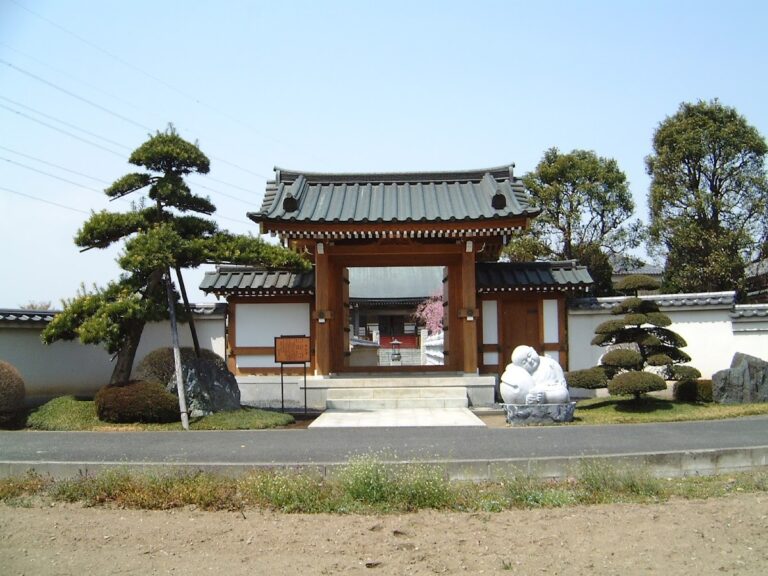
Myōshōji Temple

住所 〒409-3822 山梨県中央市下三條3
公式サイト http://www.myoshoji.com/

Complete Guide to Myōshōji Temple: History and Charm of Nichiren and Sōtō Zen Temples in Yamanashi and Kyoto

While there are several temples named Myōshōji in Japan, the most well-known are the Nichiren sect temple “Myōninzan Myōshōji” in Chūō City, Yamanashi Prefecture, and the Sōtō Zen temple “Onoyama Myōshōji” in Kyōtango City, Kyoto Prefecture. Each temple, while belonging to a different sect, has its own history and characteristics, and has been passed down to the present day as a place of faith rooted in its local community. This article provides a comprehensive explanation of these two Myōshōji temples, from their historical background to their current activities, memorial services, and access methods.

Myōshōji Temple (Nichiren Sect) in Chūō City, Yamanashi Prefecture

History and Origins of Myōninzan Myōshōji Temple

Located in Shimosanjō, Chūō City, Yamanashi Prefecture, the Nichiren sect temple Myōshōji was founded in 1630 (Kan’ei 7) by Honkōin Nichizō Shōnin. At that time, this region was situated between the Fuefuki River and the Kamanashi River, and many people lived there suffering from frequent floods. Nichizo Shonin founded this temple to spread the mantra “Namu Myoho Renge Kyo,” the essence of the Lotus Sutra, and the teachings of Nichiren Shonin to people living in such difficult circumstances.

For approximately 400 years since its founding, due to its location surrounded by rivers—the Fuefuki River to the south and the Kamanashi River to the west—the temple has repeatedly faced trials, losing its buildings due to floods and fires. However, thanks to the deep faith of the previous masters and parishioners, the light of the Dharma has been continuously passed down, continuing to this day.

Location and Accessibility

Modern Myoshoji Temple is conveniently located approximately one hour by car from Minobu-san Kuonji Temple, the head temple of the Nichiren sect, about 20 minutes from JR Kofu Station, and about 15 minutes from the Kofu-Minami Interchange on the Chuo Expressway. Furthermore, it is located in a quiet residential area approximately 5 minutes from Yamanashi University School of Medicine, offering both easy access from the city and a peaceful environment.

Access Information:

  • Address: 3 Shimosanjo, Chuo City, Yamanashi Prefecture 409-3822
  • Phone: 055-273-4105
  • Nearest Station: Within walking distance from Higashi-Hanawa Station on the JR Minobu Line
  • Access by Car: Approximately 15 minutes from Kofu-Minami Interchange on the Chuo Expressway

Features of the Main Hall and Temple Grounds

In front of the main hall of Myoshoji Temple is a stupa inscribed with the mantra “Namu Myoho Renge Kyo,” flanked by statues of Shakyamuni Buddha and Many Treasures Buddha, with Nichiren Shonin, the founder of the sect, enshrined below. It is a magnificent space that visually expresses the worldview of the Lotus Sutra, the central tenet of Nichiren Buddhism.

As a small temple, we are able to provide attentive and personalized service to each individual, valuing a collaborative approach to consider each person’s ideal way of life, memorial services, and burial arrangements.

The Abbot’s Vision and Temple Management

At Myoshoji Temple, we constantly consider the role of temples in modern society and aim to create a temple open to the community. The abbot wishes to be a source of comfort not only for parishioners but also for the wider community, and engages in various activities to achieve this.

As experts in Buddhist rituals, funerals, graves, and memorial services, we have established a consultation service for end-of-life planning and Buddhist rituals, addressing various concerns faced by modern people. We are characterized by our commitment to preserving tradition while also being flexible and adaptable to the times.

End-of-Life Planning Gatherings and Community Activities “Bozu-do”

Myoshoji Temple regularly holds “End-of-Life Planning Gatherings,” providing a place where people can easily discuss preparations for the end of life and preparations for their families. Based on the idea that end-of-life planning is not merely preparation for death but an activity for living a better life, these gatherings are held in a warm atmosphere that includes interaction among participants.

Furthermore, we are developing a project called “Bozu-do” (Monk’s Way) as a community activity. This is an initiative in which monks become more deeply involved with the local community and aim to redesign the community, striving for social contribution activities that go beyond the confines of the temple.

Cemetery Plots and Perpetual Memorial Services

Myoshoji Temple offers a variety of memorial service forms, from traditional cemetery plots to perpetual memorial services that meet modern needs.

Cemetery Plots:

  • General Plots: Plots where family graves can be built for generations
  • Located in a quiet residential area, making it easy to visit
  • Sunny and well-maintained cemetery grounds

Perpetual Memorial Services:

  • For those without successors or those who do not want to burden their children
  • The temple takes responsibility for perpetual memorial services
  • After the individual memorial service period, memorial services continue in a communal grave
  • Accepts all religious denominations and sects

Pet Memorial Service

We also offer memorial services for pets, who are now cherished as members of the family. We offer support to help pet owners cope with the grief of losing a pet by providing appropriate memorial services. You can choose from various options, including dedicated pet memorial towers and joint memorial services.

Annual Events

As a Nichiren Buddhist temple, various memorial services and events are held throughout the year:

  • New Year’s Shushō-e (January 1st): A memorial service praying for peace in the new year
  • Setsubun-e (February): Bean-throwing ceremony and prayers for warding off evil
  • Spring Equinox Service (March): An important time for ancestor worship
  • Segaki Memorial Service (July or August): A memorial service for spirits suffering in the realm of hungry ghosts
  • Autumn Equinox Service (September): A memorial service for the autumn equinox
  • Oeshiki (October): The most important event commemorating the anniversary of Nichiren Shonin’s death
  • New Year’s Eve Bell Ringing (December 31st): The ringing of the temple bell at the end of the year

Many of these events are open not only to temple members but also to the general public, fulfilling the temple’s role as a community-oriented temple.

Myōshōji Temple (Sōtō Zen sect), Kyōtango City, Kyoto Prefecture

The History of Myōshōji Temple and the Legend of Ono no Komachi

Located in Isogawa, Ōmiya-chō, Kyōtango City, Kyoto Prefecture, Myōshōji Temple, a Sōtō Zen temple, is said to have been founded by Ono no Komachi, one of the Six Immortal Poets of the Heian period. According to legend, Ono no Komachi lost her life in Isogawa, where Myōshōji Temple is located, and left her death poem there.

Historically, the “Tango Province Temple and Shrine Register” from Tenna 2 (1682) lists “Sōtō Zen sect, Isogawa Village, Myōshōji Temple,” confirming its existence at least by this time. Therefore, it is a venerable temple with a history of over 300 years.

The Origins and Transformations of Myōshōji Temple

Regarding the origins of Myōshōji Temple, it is said to be related to Myōhōji Temple, a Shingon Buddhist temple located in the Uchiyama area (a village abandoned in 1973, now famous for its beech forest). After Myōhōji Temple was destroyed by fire, a Kannon Hall was built in 1734, but this too was abandoned. It is believed that the current Myōshōji Temple originated when Myōhōji Temple built a hermitage in the Isogawa area.

While there are no clear records regarding the circumstances or timing of the change of sect from Shingon to Sōtō Zen, it can be inferred that the temple, while changing form, has been passed down as a center of local faith.

A Landscape Nestled in the Mountain Villages of Kyoto

Myōshōji Temple in Kyōtango City is situated in a rich natural environment surrounded by the mountains of Kyoto. From the temple grounds, one can enjoy beautiful, quintessential Japanese scenery and experience the changing seasons while offering prayers.

Away from the hustle and bustle of the city, this tranquil environment is an ideal place to find peace of mind and remember ancestors and loved ones who have passed away. The space harmoniously blends the unique natural beauty of the Tango region in northern Kyoto Prefecture with the atmosphere of a historic temple.

Cemetery and Perpetual Memorial Services

At Myoshoji Temple in Kyotango City, in addition to general burial plots, a communal grave for perpetual memorial services is also available.

General Burial Plots:

  • Available to all denominations (consultation required for those wishing to become temple parishioners)
  • Visit graves in a rich natural environment
  • Traditional tombstone construction is possible

Perpetual Memorial Service Communal Grave:

  • Three memorial services are held annually
  • No successor required; the temple provides perpetual management
  • Ideal for those who find it difficult to construct a tombstone individually
  • Lower-cost memorial services are possible

While it is characterized by being available to all denominations, as it is a Soto Zen temple, those wishing to become temple parishioners are also welcome.

Access and Sightseeing

Access Information:

  • Address: Isogawa, Omiya-cho, Kyotango City, Kyoto Prefecture
  • Approximately 15 minutes by car from Kyotango-Omiya Station on the Kyoto Tango Railway Miyazu Line
  • Approximately 10 minutes by car from Kyotango-Omiya Interchange on the San’in Kinki Expressway

Kyotango City is a naturally rich area surrounded by the sea and mountains. It is close to tourist attractions such as Amanohashidate, making it a great place to visit in conjunction with sightseeing. As a place associated with Ono no Komachi, it is also an interesting spot for those interested in history and literature.

Other Myoshoji Temples

Myoshoji Temple (Nichiren Sect) in Kimitsu City, Chiba Prefecture

There is also a Myoshoji Temple of the Nichiren sect in Owashi, Kimitsu City, Chiba Prefecture.

  • Temple Name: Hounzan Myoshoji Temple
  • Address: 166 Owashi, Kimitsu City, Chiba Prefecture 299-1102
  • Phone: 0439-32-3932
  • Affiliation: Nichiren-shu Chiba Prefecture Western District Office

As one of the Nichiren-shu temples in the western Chiba Prefecture region, it supports the faith of the local community.

Points to Consider When Choosing Myoshoji Temple

Confirming the Sect

There are several temples named Myoshoji, and they belong to different sects. Since the doctrines and customs differ depending on the sect (Nichiren-shu, Soto-shu, etc.), it is important to choose a temple that matches your own and your family’s faith and the sect of your ancestors.

Location and Access

Considering visits to graves and participation in memorial services, good access from your home is an important factor. Check transportation options and travel time, keeping in mind that you will be visiting regularly.

  • Myōshōji Temple, Chūō City, Yamanashi Prefecture: Close to Kōfu Station and the expressway interchange.
  • Myōshōji Temple, Kyōtango City, Kyoto Prefecture: Located in a naturally rich environment in northern Kyoto.
  • Myōshōji Temple, Kimitsu City, Chiba Prefecture: Located in the central part of the Bōsō Peninsula.

Choosing a Memorial Service

In modern times, a variety of memorial service options are available, including not only traditional family graves but also perpetual memorial graves, tree burials, and columbariums. It is important to choose a temple that offers a memorial service method that suits your lifestyle, family structure, and financial situation.

Temple Atmosphere and the Priest’s Personality

Since relationships with temples often last a long time, it is important to check if the personality of the priest and temple staff, and the atmosphere of the temple, suit you. If possible, it is recommended to actually visit the temple, tour the grounds, and speak with the priest.

End-of-Life Planning and Myōshōji Temple

The Importance of Choosing a Temple in End-of-Life Planning

Choosing a temple is one of the important elements in end-of-life planning (preparation activities for the end of life). Where and how one will spend their final days, and how they will be commemorated after death, are major concerns for both the individual and their family.

Myoshoji Temple (especially in Chuo City, Yamanashi Prefecture) holds “End-of-Life Planning Gatherings” to provide consultations on end-of-life planning. They offer an environment where you can consult with experts about funerals, graves, and memorial services, resolving anxieties and questions.

End-of-Life Support Services

In addition to their traditional religious roles, an increasing number of modern temples are offering services to support all aspects of end-of-life planning. Myōshōji Temple offers the following support:

  • Funeral Consultation: Proposals for appropriate funeral formats and scales in accordance with your religious sect.
  • Cemetery and Burial Consultation: Selection of the most suitable memorial service from various options.
  • Pre-need Contract: Deciding on your funeral and memorial service arrangements in advance.
  • Bereaved Family Support: Ongoing consultation regarding post-funeral memorial services and rituals.

About the Danka System

A Danka (temple parishioner) refers to a relationship where a family provides financial and spiritual support to a specific temple, receiving religious services such as funerals and memorial services in return.

Benefits of Becoming a Temple Member:

  • Priority arrangements for funerals and memorial services
  • Access to a cemetery plot
  • Access to consultations at important life events
  • Receipt of notifications for annual memorial services, etc.

Points to Note When Becoming a Temple Member:

  • Annual maintenance fees (offerings) are required
  • Participation in temple events is expected
  • May make it difficult to transfer remains to another temple

In recent years, the number of temples that allow the use of cemetery plots without becoming a temple member has increased. Myoshoji Temple may also accept people of all denominations; please inquire directly for details.

Buddhist Rituals Consultation and Expert Support

Buddhist Rituals and Funeral Consultation Service

Myoshoji Temple offers consultations on various matters related to Buddhist rituals and funerals. We have a consultation service where anyone can easily seek advice, whether you are arranging a funeral for the first time, struggling with grave inheritance, or wanting to learn about memorial service methods.

Topics You Can Consult:

  • Funeral arrangements and costs
  • Types and timing of memorial services
  • Grave construction and maintenance
  • Perpetual memorial services and reburial
  • Choosing a Buddhist altar and memorial tablet
  • Average amount of offerings

Comprehensive Support by Experts

Some temples, through their network of affiliated experts, can provide consultation on a wide range of end-of-life matters, including inheritance, wills, and insurance. The ability to resolve various issues in one place is a significant advantage.

Temples Walking Together with the Community

Commitment to Community Activities

Modern temples are not merely religious institutions; they also play a central role in the local community. Myoshoji Temple deepens its ties with the local community through community activities such as “Bozu-do” (Monk’s Way).

Examples of Community Activities:

  • Children’s temple tutoring classes
  • Participation in community cleanup activities
  • Provision of evacuation shelters during disasters
  • Cooperation with community events
  • Monitoring activities for the elderly

Participation in Temple Development

Some temples have created systems that allow parishioners and local residents to participate in temple management and facility maintenance. Efforts to cultivate temples as “places for everyone” have the effect of strengthening the bond between temples and the community.

Summary

Temples named Myōshōji exist throughout Japan, including in Chūō City, Yamanashi Prefecture, Kyōtango City, Kyoto Prefecture, and Kimitsu City, Chiba Prefecture. Each has its own unique history and characteristics, supporting the faith of local people and serving as a spiritual anchor.

Myōshōji Temple, a Nichiren Buddhist temple in Chūō City, Yamanashi Prefecture, has a history of approximately 400 years and is undertaking innovative initiatives such as end-of-life support tailored to modern needs and community activities like “Bōzu-dō” (the way of the monk). It is characterized by its easy accessibility and attentive, personalized service.

Myoshoji Temple, a Soto Zen temple in Kyotango City, Kyoto Prefecture, is a historic temple associated with the legend of Ono no Komachi, nestled quietly amidst the rich natural environment of Kyoto’s mountain village. It is characterized by its open attitude, accepting people of all denominations, and its perpetual memorial service, which includes three grave-side memorial services per year.

When choosing a temple, it is important to consider various factors comprehensively, such as denomination, location, type of memorial service, and the atmosphere of the temple. If possible, visit the temple in person, speak with the head priest, and find a temple that suits you and your family.

If you have any anxieties or questions about end-of-life planning or memorial services, we recommend that you feel free to consult with Myoshoji Temple. Experts will provide careful assistance and work with you to find the best approach for your specific situation.

Open in Google Maps

Nearby Shrines & Temples

Myoshoji Temple

住所 〒134-0013 東京都江戸川区江戸川6丁目7−15
公式サイト http://www.myousyou-ji.or.jp/

Myoshoji Temple Complete Guide | A Thorough Explanation of the History, Access, and Highlights of Famous Temples Nationwide

There are several temples named Myoshoji throughout Japan. Many of them are Nichiren Buddhist temples, preserving a long history and unique culture. This article provides detailed information on the history, characteristics, and access to Myoshoji temples in various locations, including Edogawa Ward in Tokyo, Tsuyama City and Okayama City in Okayama Prefecture, and Awaji Island in Hyogo Prefecture.

What is Myoshoji Temple? | Characteristics and Origins of Nichiren Buddhist Temples

Myoshoji is pronounced “myōshōji,” and its name means “wonderful victory” or “conquering the wondrous Dharma.” Many of these temples are based on the teachings of Nichiren Buddhism, and their faith revolves around chanting the mantra “Namu Myōhō Renge Kyō.”

Nichiren Buddhism is a Buddhist sect founded by Nichiren Shōnin during the Kamakura period, and its fundamental scripture is the Lotus Sutra. Myoshoji temples throughout Japan have upheld the teachings of the Nichiren sect and functioned as centers of faith for local people.

Myoshoji Temple in Edogawa Ward, Tokyo | A historic temple boasting 700 years of history

History of Honkakuzan Myoshoji Temple

Myoshoji Temple, located in Edogawa, Edogawa Ward, Tokyo, is a Nichiren sect temple with the mountain name Honkakuzan and the temple name Jojuin. Founded in 1307 by Nichisho Shonin, it is known as one of the oldest temples in Edogawa Ward.

With a history of over 700 years since its founding, this temple was originally a branch temple of Nakayama Hokkeji Temple (Ichikawa City, Chiba Prefecture), and was once a prestigious temple of the rank of Chuhonji, boasting 14 branch temples. Its former head temple was the Daihonzan Hokkeji Temple, and it belongs to the Tatsushi lineage.

Features and Highlights of the Temple Grounds

The most striking feature of Myoshoji Temple in Edogawa Ward is its grounds, surrounded by lush greenery that feels almost unbelievable for being in Tokyo. Stepping inside, you’re greeted by a tranquil space far removed from the hustle and bustle, offering peace and tranquility to visitors.

The grounds contain the main hall and other buildings, as well as the sub-temple, Renshobo. The landscape, a harmonious blend of historical architecture and nature, displays different expressions throughout the seasons.

Access Information

Location: Edogawa, Edogawa-ku, Tokyo

Nearest Station:

  • Within walking distance from Shinozaki Station on the Toei Shinjuku Line
  • Also accessible from the Keisei Main Line

Parking: Parking available on the temple grounds (for visitors)

Telephone Number: Please contact the official website or the temple directly.

Currently, part of the temple grounds has been renovated, creating a more accessible environment for visitors. It’s also ideally located for day trips.

Myoshoji Temple in Tsuyama City, Okayama Prefecture | History and Culture of Hokozan Myoshoji Temple

Origin of Hokozan Myoshoji Temple

Hokozan Myoshoji Temple, located in Nishidera-cho, Tsuyama City, Okayama Prefecture, is a Nichiren Buddhist temple cherished as a center of local faith. This temple has a fascinating history.

Originally, it was built under the name “Kongoji Temple” within the grounds of Yoshida Shrine in Kambe Village (present-day Innosho). In 1604, as part of Mori Tadamasa’s town development project, it was relocated to Minami-Shinza, and at that time, the temple’s name was changed to “Myoshoji Temple.” Simultaneously, the sect changed from Shingon Buddhism to Nichiren Buddhism, resulting in its current form.

Relationship with Rissho Aoba Gakuen

Myoshoji Temple in Tsuyama City has a deep connection with Rissho Aoba Gakuen, developing activities that integrate education and religion. Through memorial services, prayers, and festivals, it is widely cherished not only by parishioners but also by the local community.

Access

Location: Nishidera-cho, Tsuyama City, Okayama Prefecture

Access: Walking or bus ride from JR Tsuyama Station

Parking: Parking available for visitors

Myoshoji Temple in Okayama City | The Serene Atmosphere of Myokozan Myoshoji Temple

A History Dating Back to the Muromachi Period

Myokozan Myoshoji Temple, located in the heart of Okayama City, is a quiet temple founded over 600 years ago in the early Muromachi period by the Great High Priest Daikaku. Despite its urban location, it maintains a tranquil atmosphere.

Currently, the 52nd head priest, Genyu Fujita, upholds the temple’s traditions and transmits the teachings of Nichiren Buddhism. Throughout its long history, it has cherished its ties with the local community and continues to function as a place of worship to this day.

Atmosphere of the Temple Grounds

Despite its location in the heart of Okayama City, the temple grounds are enveloped in tranquility, offering a space to forget the hustle and bustle of the city. The historical main hall and the trees within the grounds provide peace and tranquility to visitors.

Access Information

Location: Okayama City (Central Area)

Transportation Access: Walking or bus from Okayama Station

Parking: Parking available nearby

Myoshoji Temple, Awaji Island, Hyogo Prefecture | A Famous Temple Associated with Ashikaga Takauji

A Temple with Legends of Ashikaga Takauji

Myoshoji Temple, located on Awaji Island in Hyogo Prefecture, is a Nichiren Buddhist temple with fascinating legends related to Ashikaga Takauji.

On February 8, 1336 (Kenmu 3), Ashikaga Takauji, defeated by Kusunoki Masashige and Nitta Yoshisada and driven out of Kyoto, stopped at this temple on his way to Kyushu. While his ship was anchored offshore waiting for favorable winds, Takauji saw a light on a mountaintop and inquired about its location, being told it was “Myoshoji Temple.”

It is said that when Takauji heard the name “Myosho,” he was greatly pleased, believing it to be a sign of victory in his army, and donated a sword to pray for victory. This legend is still recounted today as a valuable historical episode illustrating the footsteps of Ashikaga Takauji, the founder of the Muromachi Shogunate.

Historical Value

Myosho-ji Temple on Awaji Island is not merely a religious site, but also holds historical value as a place involved in a crucial turning point in Japanese history. Considering that Ashikaga Takauji later rebuilt his power in Kyushu and returned to Kyoto to establish the Muromachi Shogunate, it is conceivable that his prayers at Myosho-ji Temple provided him with spiritual support.

Access and Tourist Information

Location: Awaji Island, Hyogo Prefecture

Tourism: Can be visited as part of Awaji Island sightseeing.

Access: Awaji Island can be reached via the Akashi Kaikyo Bridge from Honshu or the Onaruto Bridge from Shikoku.

Parking: Parking available for visitors.

Featured in Awaji Island tourist guides, it’s a popular spot for history buffs and those who enjoy temple hopping.

Other Myoshoji Temples | Kisarazu City, Chiba Prefecture, etc.

Myoshoji Temple in Kisarazu City, Chiba Prefecture

There is also a Myoshoji Temple in Kisarazu City, Chiba Prefecture. Founded in May of Kansho 6 (1465), its founder was Nichitsu Shonin. It is a temple of the Nichiju school and is positioned as a branch temple of Jojuji Temple in Kisarazu City.

Although completely destroyed by fire in December of Tenmei 2 (1782), it was rebuilt in July of Tenmei 5 (1785), and the current temple buildings date from that time. Within the temple grounds is the grave of the Tengu Party, making it a valuable historical site that conveys the history of the late Edo period.

Ishirekiyama Myoshoji Temple (Shinozaki)

There is another Myoshoji Temple in Tokyo, Ishirekiyama Myoshoji. It boasts a history of over 700 years and functions as a center of local faith.

Guidelines for Visiting Myoshoji Temple | Etiquette at Nichiren Buddhist Temples

Basic Etiquette for Visiting Temples

When visiting Myoshoji Temple, a Nichiren Buddhist temple, please keep the following basic etiquette in mind.

  1. A Bow at the Temple Gate: Before entering the temple grounds, bow at the temple gate.
  2. Purification at the Water Basin: Purify your hands and mouth before proceeding to the main hall.
  3. Worship at the Main Hall: Join your hands in prayer and chant “Namu Myoho Renge Kyo.”
  4. Offering a Coin: Offer your coin with sincerity.
  5. A Bow Upon Departure: Bow at the temple gate again when leaving.

How to Chant the Title

In the Nichiren sect, the title “Namu Myoho Renge Kyo” is chanted. This expresses devotion to the Lotus Sutra, and it is important to chant it with sincerity.

Annual Events at Myoshoji Temple | Seasonal Events

Main Annual Events

Various events are held throughout the year at each Myoshoji temple.

Spring Events:

  • Spring Equinox Service
  • Flower Festival (Buddha’s Birthday)

Summer Events:

  • Obon Memorial Service
  • Segaki Service

Autumn Events:

  • Autumn Equinox Service
  • Oeshiki (Memorial Service for Nichiren Shonin’s Death Anniversary)

Winter Events:

  • New Year’s Eve Bell Ringing
  • New Year’s Prayer Service

Importance of Oeshiki

The Oeshiki service, especially held in October, is one of the most important events for Nichiren Buddhist temples. Held around October 13th, the anniversary of Nichiren Shonin’s death, it features a grand procession of lanterns and a memorial service.

Memorial Services and Prayers at Myoshoji Temple

About Memorial Services

Myoshoji Temple accepts various memorial services, including ancestral memorial services and memorial services for stillborn babies. Please contact each temple directly for information on the types and dates of services.

Main Memorial Services:

  • Annual memorial services (first anniversary, third anniversary, seventh anniversary, etc.)
  • Obon memorial service
  • Higan memorial service
  • Monthly memorial service

Types of Prayers

Nichiren Buddhist temples offer various types of prayers.

  • Family safety
  • Business prosperity
  • Academic success
  • Recovery from illness
  • Traffic safety
  • Protection from evil

For various prayers, it is recommended to contact the temple by phone in advance and make a reservation.

Access to Myoshoji Temple and Points to Note When Visiting

Best Time to Visit

The best time to visit Myoshoji Temple is generally from 9:00 AM to around 5:00 PM. However, opening hours may vary depending on the temple, so it is recommended to check in advance.

For those who wish to visit in peace, weekday mornings are relatively less crowded, allowing for a leisurely stroll through the temple grounds.

Parking and Transportation

Most Myoshoji temples have parking available for visitors, but space may be limited. Especially during memorial services and events, crowds are expected, so consider using public transportation.

Many temples are accessible on foot, and it’s recommended to enjoy a stroll around the surrounding area while visiting.

Attire for Visiting

Unless you are attending a special memorial service, everyday attire is acceptable. However, please avoid revealing or overly flashy clothing and strive for modest attire appropriate for a temple.

Cultural Assets and Highlights of Myoshoji Temple

Architectural Features

Each Myoshoji temple retains architecture that reflects its respective era. The main halls and temple gates built during the Edo and Meiji periods are valuable cultural heritage that convey the architectural techniques and aesthetic sensibilities of the time.

In particular, Myoshoji Temple in Edogawa Ward, as a temple of the status of a Chuhonji (a high-ranking temple), boasts a magnificent temple layout.

Nature on the Temple Grounds

Many Myoshoji temples have lush greenery on their grounds. Especially in urban areas, this greenery serves as a precious oasis, allowing visitors to enjoy nature in every season.

From cherry blossoms in spring, lush greenery in summer, vibrant autumn leaves, to snowy winter landscapes, the temple grounds display different expressions with each season, offering fresh discoveries with every visit.

Myoshoji Temple’s Relationship with the Local Community

Bonds with Parishioners

Myoshoji Temple is not merely a religious institution; it also plays a central role in the local community. While cherishing deep bonds with its parishioners, the temple ensures the transmission of faith across generations.

Participation in Local Events

Many Myoshoji temples actively participate in local festivals and events, deepening their ties with the community. Festivals and events attract not only parishioners but also a wide range of local residents, forming a community centered around the temple.

Role in Modern Times

Currently, in addition to its traditional religious activities, Myoshoji Temple also assumes various social roles. It develops activities that meet the needs of the times, such as end-of-life planning consultations, mental health counseling, and the preservation of local history and culture.

The renovated facilities have been made more accessible to a wider audience, including barrier-free features.

Notes on Visiting Myoshoji Temple

Manners and Etiquette

When visiting a temple, please observe the following manners:

  • Be quiet within the temple grounds
  • Take photographs only in designated areas
  • Remove your hat inside the main hall
  • Set your mobile phone to silent mode
  • Take all your trash with you
  • Do not touch plants or buildings within the temple grounds

About Goshuin (Temple Seals)

Many Myoshoji temples offer Goshuin. When requesting a Goshuin, please do so politely after your visit. It is good manners to bring your Goshuincho (stamp book) and wait quietly while the stamp is being written.

Summary | Experience the Charm of Myoshoji Temple

Myoshoji temples throughout Japan each possess their own unique history and charm. Myoshoji Temple in Edogawa Ward boasts a history of over 700 years; Myoshoji Temple on Awaji Island is associated with Ashikaga Takauji; Myoshoji Temple in Okayama City has a history of 600 years; and Myoshoji Temples in Tsuyama City and Kisarazu City, among others, continue to preserve the faith and culture of their respective regions.

Surrounded by abundant nature that seems unbelievable for a temple in Tokyo, the temple grounds exude a sense of history, and above all, the abbots and parishioners warmly welcome you. A visit to Myoshoji Temple will be a precious opportunity to escape the hustle and bustle of everyday life and find peace of mind.

Myoshoji Temple is easily accessible even for a day trip. Check the access information and phone number and be sure to visit at least once. You are sure to spend a time of peace and tranquility in the serene space of this historic temple.

Open in Google Maps

Nearby Shrines & Temples

Myoshoji Temple

住所 〒350-0067 埼玉県川越市三光町29
公式サイト https://www.myoushoujitemple.website/

Myoshoji Temple Complete Guide | History, Access, and Highlights of Myoshoji Temples Nationwide (Kawagoe, Atsugi, Oiso, etc.)

There are several temples named “Myoshoji” throughout Japan, each with its own unique history and characteristics. This article provides detailed information on Myoshoji temples in various locations, including Kawagoe City, Atsugi City, and Oiso Town, which attract many visitors, covering their historical background, access methods, highlights, and experiential programs.

What is Myoshoji Temple? | The Lineage of Nichiren Buddhist Temples

The name Myoshoji is commonly found among temples of the Nichiren Buddhist sect. The Nichiren sect was founded by Nichiren Shonin during the Kamakura period and considers the Lotus Sutra as its fundamental scripture. While each Myoshoji temple throughout Japan has a different history of founding, they continue to uphold local faith as centers for transmitting the teachings of the Nichiren sect.

Each Myoshoji temple, as a branch temple of the head temple Minobu-san Kuonji and the grand head temple Ikegami Honmonji, has been deeply connected to the local community through the danka (parishioner) system. Even today, in addition to traditional Buddhist ceremonies and cemetery management, they operate as temples open to a wide range of people through experiential programs such as sutra copying and incense making.

Myoshoji Temple in Kawagoe | Kyogashima Benzaiten and the Kawagoe Seven Lucky Gods

History and Origins

Located in Kawagoe City, Saitama Prefecture, Myoshoji Temple was founded in 1375 (Eiwa 1) as a branch temple of Ikegami Honmonji Temple in Tokyo. This temple, with its long history dating back to the Muromachi period, moved to its current location in 1742 (Kanpo 1), where it remains today.

Myoshoji Temple in Kawagoe is particularly known for enshrining Kyogashima Benzaiten, one of the Kawagoe Seven Lucky Gods. This Benzaiten (goddess of fortune and arts) is called “Kyogashima Benzaiten” because it was enshrined in a mound built during the Muromachi period using small stones on which the Lotus Sutra was inscribed. As the guardian deity of arts and learning, it attracts many worshippers.

Highlights of Kawagoe Myoshoji Temple

Kawagoe’s Myoshoji Temple also serves as a “guardian of the back gate of Kawagoe,” and its grounds include a magnificent main hall and other buildings dedicated to Benzaiten. The temple grounds are well-maintained compared to typical temples, allowing visitors to enjoy the beauty of each season.

Notably, as a temple dedicated to the arts, it offers various experiential programs. Opportunities to experience traditional Japanese culture, such as sutra copying and incense making, are available, making it popular with both tourists and locals.

Annual Events at Kawagoe Myoshoji Temple

Kawagoe’s Myoshoji Temple holds various events throughout the year. In addition to memorial services during Obon and Higan, the temple is particularly famous for its “Horoku-kyu” moxibustion, a quintessential summer ritual. Horoku-kyu is a traditional folk remedy where moxibustion is applied to a clay plate placed on the head, and is believed to relieve heatstroke and headaches.

Access Information

Myoshoji Temple in Kawagoe is within walking distance of Hon-Kawagoe Station on the Seibu Shinjuku Line or Kawagoe Station on the JR Kawagoe Line and Tobu Tojo Line. It’s easily accessible from the Kawagoe tourist area, and many visitors come as part of a pilgrimage to the Kawagoe Seven Lucky Gods.

Address: 29-1 Sanko-cho, Kawagoe City, Saitama Prefecture
Sect: Nichiren Buddhism
Head Temple: Ikegami Honmonji Temple (Branch Temple)

Myoshoji Temple in Atsugi | History of Choaizan Myoshoji Temple

Founding and History

Choaizan Myoshoji Temple, located in Atsugi City, Kanagawa Prefecture, is a Nichiren Buddhist temple that reveres Nichiren Daishonin as its founder. It is known as a historically significant temple, founded in 1500 (Meio 9) by Gyogakuin Nichicho Shonin, the 11th head priest of the head temple, Minobu-san Kuonji Temple.

Nichicho Shonin is a highly respected priest, also known as the restorer of Minobu-san, and is known for founding and restoring many temples. Myoshoji Temple in Atsugi is one of them, and has functioned as a center of local faith for over 500 years.

Characteristics of Myoshoji Temple in Atsugi

Myoshoji Temple in Atsugi is characterized by its openness to all, regardless of religious affiliation or sect, while still being based on the traditional danka (parishioner) system. It proposes a natural and unforced style of memorial service that suits modern lifestyles, accommodating people with diverse values.

The temple grounds are located in a quiet residential area of Atsugi City, offering a peaceful atmosphere for worship. The main hall maintains its traditional architectural style while being properly maintained, presenting a magnificent appearance.

Access Information

Address: Atsugi City, Kanagawa Prefecture
Sect: Nichiren Buddhism
Founding: Meio 9 (1500)
Founding Priest: Gyogakuin Nichicho Shonin

Myoshoji Temple in Oiso | Shonan Temple Cemetery

Location and Features

Located in Higashi-Oiso, Oiso-machi, Naka-gun, Kanagawa Prefecture, Myoshoji Temple is a Nichiren Buddhist temple that also operates a cemetery and memorial park. Located within walking distance of JR Tokaido Line’s Oiso Station, its excellent accessibility via public transportation is a major advantage.

Oiso is known as a historic town in the Shonan area, boasting a mild climate and proximity to the sea. Myoshoji Temple, a temple cemetery where many people rest in this region, offers burial plots based on the obligation of temple membership.

Facility Information

Myoshoji Temple in Oiso is equipped with facilities for memorial services and receptions, and is equipped to handle everything from funerals to memorial services. Parking is also available, making it convenient for visitors arriving by private car. Emphasizing its function as a temple cemetery, it also offers consultations regarding perpetual memorial graves.

Access Information

Address: 137 Higashi-Oiso, Oiso-machi, Naka-gun, Kanagawa Prefecture
Sect: Nichiren Buddhism
Nearest Station: Within walking distance of Oiso Station on the JR Tokaido Main Line
Parking: Available

Myoshoji Temple in Kobe/Higashimatsuyama | A Place Associated with Nichiren Shonin

Myoshoji Temple in Kobe (Hyogo Prefecture)

Located in Hyogo Prefecture, Myoshoji Temple is a historic temple with a tradition that Nichiren Shonin stopped by on his way to exile on Sado Island. Founded in 1281 (Koan 4), it is one of the precious temples with a direct connection to Nichiren Shonin.

With the concept of “community of life,” it actively explores the role of temples in modern society. Belonging to the Nichiren sect of the head temple Minobu-san, it is revered by many as a spiritual haven, regardless of sect or denomination.

Myoshoji Temple in Kambe, Higashimatsuyama City (Saitama Prefecture)

Myoshoji Temple, located in Kambe, Higashimatsuyama City, Saitama Prefecture, is said to have been founded in 1281 (Koan 4) by Fujiwara Toshiyuki, the lord of Aotori Castle, and established by Nichisen Shonin, following Nichiren Shonin’s overnight stay at Aotori Castle during his exile to Sado Island.

This temple houses a “stone stupa” designated as a Saitama Prefecture cultural property, also known as the “Nichiren Shonin Memorial Stone Stupa.” As a valuable cultural asset that conveys the stone art of the Kamakura period, it is important from the perspective of historical research.

Other Myoshoji Temples

Myoshoji Temple in Chiba Prefecture (Eichozan Myoshoji Temple)

Eichozan Myoshoji Temple, located in Chiba Prefecture, was founded in 1392 (Meitoku 2) during the Kamakura period by Myoshoin Nichikyo Shonin, a disciple of Nichiyo Shonin, the 4th head priest of the head temple Tanjoji. Due to land subsidence in the late Edo period, many historical records and documents were lost, but the red gate, the “Nio-mon” (guardian gate), remains, conveying a glimpse of its former glory.

Myoshoji Temple, Amagasaki City, Hyogo Prefecture

Located along the Mukogawa River, Myoshoji Temple in Amagasaki City is also a temple belonging to the Nichiren sect, with its head temple being Mount Minobu. It operates as an open temple, not bound by sect or denomination, and proposes modern styles of memorial services.

Myoshoji Temple, Toyota City, Aichi Prefecture

In Toyota City, Aichi Prefecture, there is a Soto Zen temple called Myoshoji, known for its connection to the Matsudaira family. This is an example showing that the name “Myoshoji” exists in sects other than Nichiren Buddhism.

Experience Programs at Myoshoji Temple

Sutra Copying Experience

Several Myoshoji temples, including the one in Kawagoe, offer sutra copying experiences. By carefully copying a passage from the Lotus Sutra, you can calm your mind and connect with the teachings of Buddhism. Instruction is provided to make it easy for beginners to participate.

Copying sutras is believed to have a calming effect on the mind, and it is a popular program for those seeking peace of mind in today’s stressful society. The session takes about 1-2 hours, and advance reservations are recommended.

Incense Making Experience

At Myoshoji Temple in Kawagoe, a traditional incense making experience is also offered. You can create your own original incense by blending natural fragrances, providing a valuable opportunity to experience Japanese incense culture.

Horoku Moxibustion

Known as a summer tradition, “Horoku moxibustion” is a particularly famous event at Myoshoji Temple in Kawagoe. A clay plate (horoku) is placed on the head, and moxibustion is applied to it, praying for relief from the summer heat and improvement of headaches and dizziness. This form of folk belief has continued since the Edo period, and it attracts many participants every year.

Manners and Precautions for Visiting Myoshoji Temple

Basic Manners for Visiting

When visiting Myoshoji Temple, please observe the following basic manners:

  1. Attire: Modest, understated clothing is preferred.
  2. Photography: Photography is often permitted on the temple grounds, but prior confirmation is necessary for photographing the interior of the main hall or Buddha statues.
  3. Quietness: Please behave quietly on the temple grounds and be considerate of other visitors.
  4. Offerings: When praying at the main hall or Benzaiten hall, please offer an appropriate amount.
  5. Goshuin (Temple Stamp): If you wish to receive a Goshuin, please bring your Goshuincho (stamp book) and request it politely.

Visits by Non-Parishioners

While many Myoshoji temples operate on a parishioner system, general visitors are also welcome. Temples that are part of the Seven Lucky Gods pilgrimage, such as Myoshoji Temple in Kawagoe, or those possessing cultural properties, are particularly open to the public.

However, it is recommended to refrain from visiting during memorial services or special events, or to check in advance.

Myoshoji Temple and the Local Community

The Danka System and Modern Temple Management

Many Nichiren Buddhist temples, including Myoshoji Temple, have been deeply connected to their local communities through the Danka system. A Danka is a system where a person belongs to a specific temple and provides financial support in exchange for having Buddhist services such as funerals and memorial services performed.

In modern times, while maintaining this traditional Danka system, there is a movement towards more open temple management. Accepting memorial services regardless of sect or denomination, and offering experiential programs are concrete examples of this.

Protection and Public Access to Cultural Properties

Temples possessing valuable cultural properties, such as the stone stupas held by Myoshoji Temple in Higashimatsuyama City, are managed while balancing their protection and public access. They play an important role in conveying the history of the region, and their educational value is highly regarded.

About Myoshoji Temple’s Cemetery and Perpetual Memorial Services

Characteristics of Temple Cemeteries

The cemeteries offered by Myoshoji Temple have the following characteristics as temple cemeteries:

  1. Parishioner Obligation: In most cases, becoming a parishioner is a condition for using a cemetery plot.
  1. Perpetual Memorial Services: Even if there are no successors, the temple will continue to provide memorial services responsibly.
  1. Memorial Service Facilities: Many temples have facilities for memorial services and meals.
  1. Access: Some temples, like Myoshoji Temple in Oiso, are located close to train stations.

Consultation Regarding Cemeteries and Perpetual Memorial Services

If you are considering purchasing a cemetery plot or perpetual memorial services, we recommend contacting each Myoshoji Temple directly. Since costs, conditions, and the content of memorial services vary from temple to temple, it is important to compare and consider multiple options.

In recent years, in addition to traditional family graves, a variety of memorial service methods are being offered, such as individual graves, couple graves, and tree burials.

Kawagoe Seven Lucky Gods Pilgrimage and Myoshoji Temple

What are the Kawagoe Seven Lucky Gods?

The Kawagoe Seven Lucky Gods pilgrimage is a religious event involving visiting seven temples and shrines in Kawagoe City, known as “Little Edo.” The Seven Lucky Gods refer to seven deities (Ebisu, Daikokuten, Bishamonten, Benzaiten, Fukurokuju, Jurojin, and Hotei) believed to bring good fortune and prosperity. Visiting the temples and shrines dedicated to these deities is a way to pray for good luck and prosperity.

Myoshoji Temple, as a temple dedicated to Benzaiten, is an important base for the Kawagoe Seven Lucky Gods pilgrimage.

Benefits of Benzaiten

The Kyōgashima Benzaiten at Myoshoji Temple is worshipped as the goddess of art, learning, and wealth. The following blessings are particularly believed to be associated with this temple:

  • Improvement of artistic talent
  • Academic success
  • Business prosperity
  • Increased financial luck
  • Improvement of musical and eloquent speaking skills

Seven Lucky Gods Pilgrimage Course

The Kawagoe Seven Lucky Gods pilgrimage can be completed on foot or by bicycle in half a day to a full day. At each temple and shrine, including Myoshoji Temple, you can receive a Goshuin (temple/shrine stamp) on a special shikishi (decorative paper) or Goshuincho (stamp book), making it a memorable souvenir.

While the pilgrimage is especially crowded during the New Year period, it is possible to visit the temples and shrines throughout the year.

Myoshoji Temple Goshuin Information

What is a Goshuin?

A Goshuin is a stamp and calligraphy given as proof of visiting a temple or shrine. It includes the name of the temple, the principal deity, and the date of visit, and is becoming increasingly popular as a collection.

Goshuin (Temple Seal) at Myoshoji Temple

At Myoshoji Temple in Kawagoe, in addition to the regular goshuin, a special goshuin for the Kawagoe Seven Lucky Gods pilgrimage is also available. It features a Benzaiten (goddess of fortune) seal and the calligraphy “Kyogashima Benzaiten.”

When receiving a goshuin, please note the following:

  • Always pray before receiving the goshuin.
  • Bring your goshuincho (stamp book) (understand that this is a religious act, not a stamp rally).
  • Prepare the offering (usually around 300-500 yen).
  • Request politely.
  • Wait quietly while the goshuin is being written.

Summary: The Charm and Value of Visiting Myoshoji Temple

Myoshoji Temples, scattered throughout Japan, each possess their own unique history and characteristics, while functioning as important centers for transmitting the teachings of Nichiren Buddhism. From Kawagoe’s Kyōgashima Benzaiten and Atsugi’s venerable history to Oiso’s easy accessibility and Kobe’s Higashimatsuyama’s legends associated with Nichiren Shonin, each temple offers a wealth of attractions worth visiting.

Visitors come for a variety of reasons, including sightseeing, visiting the Seven Lucky Gods, viewing cultural properties, participating in programs such as sutra copying, or consulting about cemeteries and perpetual memorial services. In all cases, it is important to respect the historical and cultural value of the temple and observe appropriate manners during your visit.

Myoshoji Temple, while preserving tradition, continues to offer peace of mind and cultural experiences to many people as a temple open to modern society. When you visit a Myoshoji Temple near you, please be sure to experience its history and charm.

Open in Google Maps

Nearby Shrines & Temples