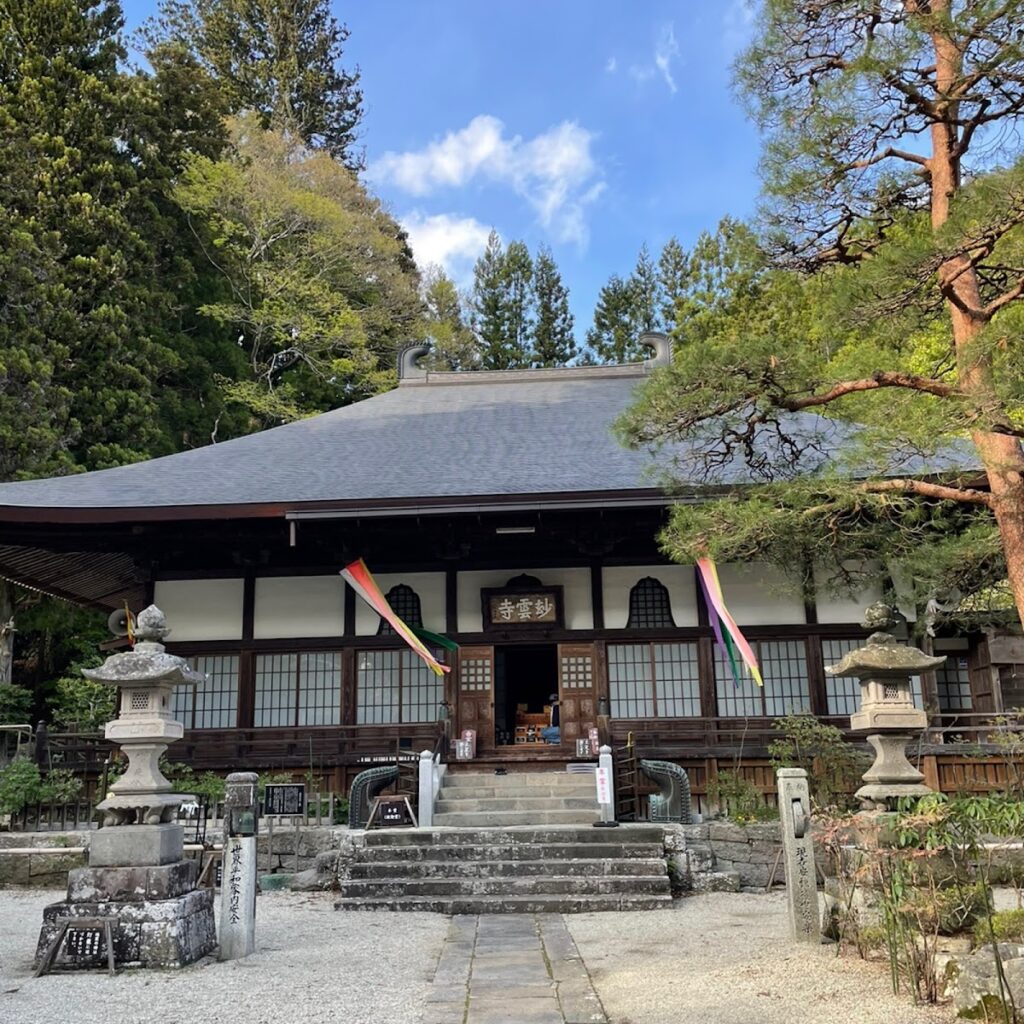
Myounji Temple Complete Guide: A Thorough Explanation of History, Highlights, Access, and Goshuin (Temple Seal) Information
Myounji is the name of a group of historic temples located throughout Japan. There are multiple Myounji temples across the country, each with its own unique history and culture. This article provides a detailed explanation of the major Myounji temples, including their historical background, highlights within the temple grounds, visiting information, and access methods.
What is Myounji?
There are several temples named Myounji throughout Japan. Many are Buddhist temples, such as those of the Nichiren or Soto sects, and have a long history as centers of local faith. The name “Myoun” in Buddhism means “wonderful clouds,” signifying the spread of Buddhist teachings like clouds.
Each Myounji temple is deeply intertwined with local history and culture, and is cherished by parishioners and visitors. Each temple possesses unique cultural assets and highlights, including temple architecture, Buddhist statues, and gardens, making them attractive destinations for history enthusiasts and those who enjoy visiting temples and shrines.
Overview of Major Myounji Temples
Myounji Temples in Tokyo
Myounji temples exist within Tokyo, serving as valuable places of worship in urban areas. Many of these temples have a history dating back to the Edo period, conveying the culture and beliefs of that time. Despite being in the heart of the city, they boast tranquil grounds, providing a peaceful space for visitors.
Myounji Temples in Kanagawa Prefecture
Many Myounji temples in Kanagawa Prefecture are ancient temples founded during the Kamakura and Muromachi periods, possessing historically valuable buildings and cultural assets. Myounji temples around Kamakura, in particular, are known as important historical sites demonstrating the fusion of samurai culture and Buddhist faith.
Myounji Temples in Other Regions
Myounji temples scattered throughout Japan have developed uniquely, reflecting the characteristics of each region. From the Tohoku region in the north to Kyushu in the south, Myounji temples in various regions play an important role as spiritual pillars of local communities.
History of Myounji Temple
Background of Founding
Many Myounji temples were founded during the medieval and early modern periods. The background of their founding varies, including donations from influential local figures, establishment by high-ranking priests, or renaming of existing temples. During the Sengoku period (Warring States period), some were established as family temples for warlords.
Development during the Edo Period
With the advent of the Edo period, Myounji temples became deeply rooted in local communities under the temple registration system. The danka (parishioner) system was established, strengthening ties with local residents through funerals and memorial services. Many temples had their main buildings, such as the main hall and living quarters, renovated during this period.
Changes after the Meiji Restoration
The anti-Buddhist movement after the Meiji Restoration affected many temples. Some Myounji temples experienced difficulties during this period, but they survived thanks to the support of parishioners and local residents, and have continued to uphold their religious traditions to this day. After the war, they restarted as religious corporations and operate in a modern manner.
Changes after the Meiji Restoration
The anti-Buddhist movement following the Meiji Restoration affected many temples. Some Myounji temples also experienced difficulties during this time, but they survived thanks to the support of parishioners and local residents, and have continued to preserve their Buddhist traditions to this day. ## Highlights of the Temple Grounds
Main Hall
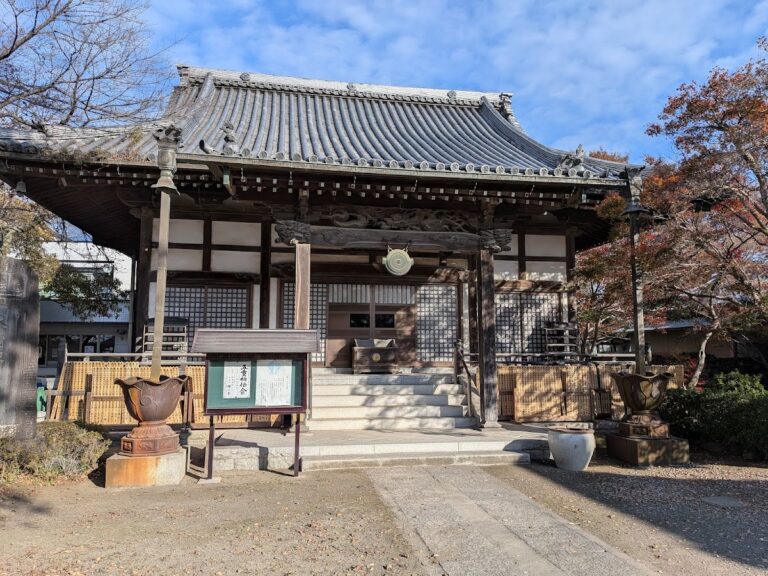
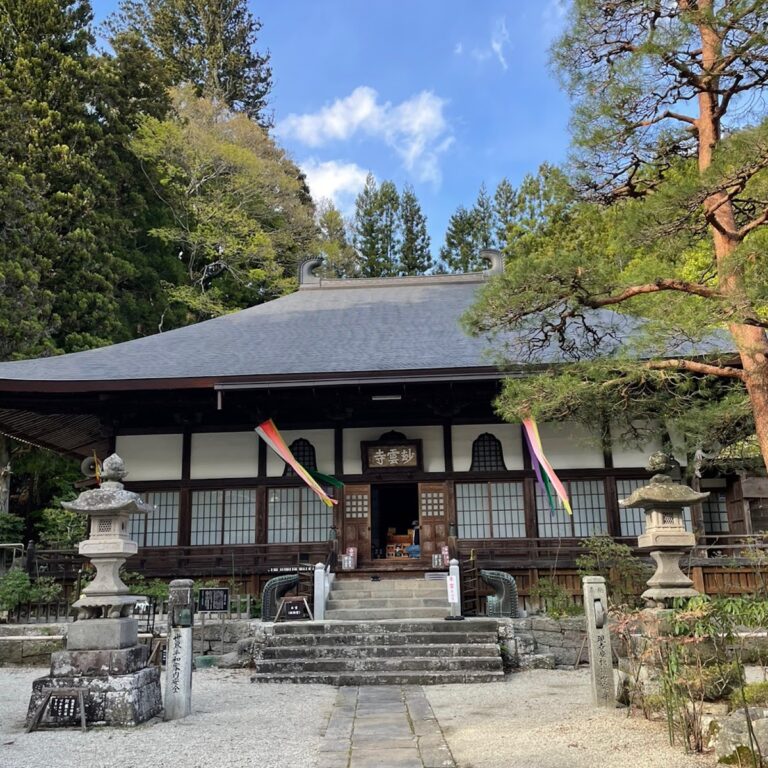
The main hall of Myounji Temple is the central building of any temple. Built during the Edo and Meiji periods, it is a valuable cultural asset that preserves the architectural style of that time. The principal image is enshrined inside, and daily services and religious ceremonies are held there. The beauty of the wooden architecture and the solemn atmosphere refined by years of faith welcome visitors.
Temple Gate
The temple gate, considered the face of the temple, is an important building that demonstrates the status of Myounji Temple. The gate, which utilizes traditional Buddhist architectural techniques, attracts attention for its decoration and structure. Passing through the gate allows you to experience a spiritual boundary, transitioning from everyday life to a sacred space.
Gardens
Many Myounji Temples feature beautiful Japanese gardens. While the styles vary, including dry landscape gardens and pond gardens, all offer a beautiful expression of Zen spirit and Buddhist philosophy. The scenery of the four seasons soothes the hearts of visitors.
Bell Tower
The bell tower within the temple grounds is a structure that houses the temple bell that announces the time in the morning and evening. It is often rung at the end of the year as the New Year’s Eve bell, and is a local tradition. The sound of the temple bell is believed to have the effect of dispelling worldly desires and purifying the mind.
Cemetery and Burial Grounds
Many Myounji temples have attached cemeteries, where the graves of the parishioners’ ancestors are lined up. There are also burial grounds for historical figures and local notables, making them a subject of historical exploration. The cemeteries are still carefully maintained as a place for ancestral worship.
Cultural Properties and Treasures
Buddhist Statues and Paintings
Myounji temples sometimes possess Buddhist statues and paintings created from the Heian period to the Edo period. The principal image and other Buddhist statues are valuable cultural properties that showcase the characteristics of Buddhist art from each era. During special exhibitions, there are opportunities to view these treasures up close. ### Ancient Documents and Records
Ancient documents and records preserved in temples are important historical sources in the study of local history. Documents concerning the temple’s founding, records of successive chief priests, and materials related to parishioners are stored there, making them valuable sources of information for understanding the history of the region.
Buildings
Some Myounji temples have buildings such as the main hall, temple gate, and bell tower designated as cultural properties. These buildings, which embody the pinnacle of traditional wooden construction techniques, hold significant value in architectural history.
Annual Events and Memorial Services
New Year’s Events
On New Year’s Day, the temple is bustling with worshippers making their first visit of the year. Shusho-e (New Year’s service) and New Year’s prayers are held to pray for peace throughout the year. Some temples allow visitors to ring the temple bell on New Year’s Eve, a beloved local tradition.
Spring Events
During the spring equinox, Higan-e (equinox service) is held to honor ancestors. During the Hanamatsuri (Buddha’s Birthday) festival, a Buddhist service is held to celebrate the birth of Buddha, and sweet tea is sometimes served. In cherry blossom season, the temple grounds are in full bloom, attracting visitors who come to enjoy the blossoms.
Summer Events
During Obon, the Urabon-e festival is held, with a Buddhist service to welcome the spirits of ancestors. This is a time when many summer Buddhist events are concentrated, including the Segaki memorial service and Tanagyo (a Buddhist service). Local events such as Bon Odori (Bon dance) may also be held on the temple grounds.
Autumn Events
Memorial services such as the Higan-e and Ojuya are held during the autumn equinox. As the harvest season approaches, memorial services expressing gratitude are sometimes held. Temples with beautiful autumn foliage are bustling with visitors enjoying the autumn scenery.
Winter Events
At the end of the year, the New Year’s Eve bell rings and New Year’s Eve memorial services are held. Many visitors come to mark the end of the year. Some temples hold winter ascetic practices or training sessions during the coldest part of winter.
About Goshuin (Temple Seals)
Issuance of Goshuin
Many temples, including Myounji Temple, issue goshuin as proof of worship. A goshuin is a stamp with the date of visit, the temple name, and the name of the principal deity written in ink. If you bring your goshuincho (stamp book), they will write it directly for you.
How to Obtain a Goshuin
To obtain a goshuin, first visit the main hall, then inquire at the temple office or goshuin distribution counter. The fee is generally around 300 to 500 yen. Please be polite and respectful to ensure you receive courteous service. It’s important to understand that goshuin are not stamps, but proof of faith.
Special Goshuin
Special limited-edition goshuin are sometimes issued for specific events or anniversaries. Goshuin with designs related to seasonal flowers or events are popular among collectors. It’s a good idea to check the temple’s website or social media beforehand.
Manners and Etiquette for Visiting a Temple
Etiquette at the Temple Gate
When passing through the temple gate, bow before entering. The temple gate is the boundary separating the secular world from the sacred realm, and it is important to pass through with respect. If you are wearing a hat, it is polite to remove it.
Purification at the Water Basin
Upon entering the temple grounds, purify your hands and mouth at the water basin. Hold the ladle in your right hand and wash your left hand, then hold the ladle in your left hand and wash your right hand. Again, hold the ladle in your right hand, receive water in your left hand, and rinse your mouth. Finally, hold the ladle upright and rinse the handle.
Worship at the Main Hall
Before the main hall, bow slightly before placing your offering. In Buddhist temples, do not clap your hands; instead, quietly put your hands together in prayer. Chanting sutras or mantras makes for a more respectful visit. After praying, bow before leaving.
Etiquette on Temple Grounds
Please be quiet on the temple grounds, refraining from speaking loudly or running around. Photography is only permitted in designated areas; note that photography is often prohibited inside the main hall and around Buddhist statues. Please refrain from smoking and eating outside designated areas.
Access Information
Access by Public Transportation
Access to Myounji Temple varies depending on the temple’s location. Myounji temples in urban areas are often within walking distance of the nearest station and easily accessible by train or bus. For temples in suburban areas, you may need to take a bus or taxi from the nearest station.
It is recommended to check the latest access information on the temple’s official website or a map app before visiting. Since some areas have infrequent bus service, checking the timetable in advance is advisable.
Access by Car
If visiting by car, some temples have parking facilities. However, parking spaces may be limited, or long-term parking may not be permitted for visitors only. During long holidays and special events, congestion is expected, so consider using public transportation.
When searching with a car navigation system, it is important to accurately enter the temple’s official name and address. Be careful, as there may be multiple temples with the same name.
Visiting Information
Visiting Hours
Many temples, including Myounji Temple, are open from sunrise to sunset, but specific hours vary by temple. Advance reservations may be required to view the interior of the main hall or treasures. Some cultural properties are not open to the public outside of special exhibition periods, so it is recommended to check in advance.
Admission Fee
While entry to the temple grounds is free at most temples, admission fees may be required to view the interior of the main hall, gardens, and treasure halls. Admission fees are typically a few hundred yen and are used for the preservation of cultural properties and the maintenance of the temple.
Notes on Visiting
Visiting may not be possible during religious services or ceremonies. Also, please follow the signs as there are areas where photography is prohibited and areas where shoes are not allowed. It is important to maintain silence and be considerate of other visitors.
Nearby Attractions
Nearby Temples and Shrines
Many other historical temples and shrines are scattered around Myounji Temple, making it a great place for a temple and shrine tour. Visiting multiple temples and shrines is recommended to gain a deeper understanding of the region’s history and culture.
Historical Streetscapes
Around old temples, there are areas where historical streetscapes have been preserved. In areas that developed as temple towns, traditional merchant houses and townhouses remain, allowing you to experience the atmosphere of the past. Enjoy a stroll while learning about the region’s history.
Natural Environment
Some temples within Myounji Temple are surrounded by abundant nature. Hiking trails and walking paths that allow you to enjoy the changing seasons are sometimes available, making it possible to combine nature walks with temple and shrine visits for a fulfilling experience.
Training and Experiences at Myounji Temple
Zen Meditation Sessions
Some Myounji temples regularly hold Zen meditation sessions. Many sessions are open to beginners, allowing participants to experience Zen meditation under the guidance of monks. This is a valuable opportunity to calm the mind and confront oneself. Advance reservations are often required, so please inquire with the temple.
Sutra Copying Sessions
Sutra copying is a practice of carefully copying Buddhist scriptures character by character. It is believed to enhance concentration and calm the mind. Some Myounji temples regularly hold sutra copying sessions, and beginners can receive instruction.
Dharma Talks
Some temples hold Dharma talks led by the head priest. This is a valuable opportunity to learn about Buddhist teachings and guidance for life in an easy-to-understand way. You can learn wisdom that can be applied to daily life.
Vegetarian Cuisine
Some temples offer opportunities to enjoy vegetarian cuisine. Shojin ryori, a type of vegetarian cuisine made solely from plant-based ingredients without meat or fish, is a culinary culture based on Buddhist teachings. You can enjoy the delicate flavors that make the most of seasonal ingredients.
Myounji Temple and the Local Community
The Danka System
Myounji Temple has been supported by the danka system. A danka is a family that belongs to a specific temple and provides financial support. The relationship between the temple and the danka has been passed down through generations through funerals and memorial services. While there is a decline in danka membership in modern times, many families still support temples as danka.
Community Activities
Myounji Temple also functions as a center of the local community. Some temples provide their grounds as venues for community events and conduct educational activities for children. They also play a role in passing on the history and culture of the region to future generations.
Social Contribution Activities
Modern temples, in addition to traditional religious activities, are also engaged in various social contribution activities. Some Myounji Temples are developing activities that meet the needs of the times, such as support for the elderly, childcare support, and mental health care.
Modern Initiatives at Myounji Temple
Information Dissemination
Many Myounji temples disseminate information through websites and social media. Various information, such as event announcements, Dharma talks, and seasonal views of the temple grounds, is available online. This has expanded connections with people from distant locations and younger generations.
Online Memorial Services
Some temples have begun streaming memorial services online in response to the COVID-19 pandemic. Relatives living far away and elderly individuals who find it difficult to attend in person can now participate in the services via the internet.
Cultural Property Preservation Activities
Some Myounji temples are focusing on restoration and preservation activities to pass on valuable cultural properties to future generations. They are also utilizing new methods such as crowdfunding to raise funds.
Checklist of Items to Bring When Visiting Myounji Temple
Here is a list of items that are useful to bring when visiting Myounji Temple.
- Goshuincho (stamp book): Essential if you wish to receive a Goshuin (temple stamp).
- Small change: Prepare some for offerings, Goshuin fees, and entrance fees.
- Camera: You can record the beautiful scenery of the temple grounds (only in areas where photography is permitted).
- Comfortable shoes: There may be gravel paths and stairs on the temple grounds.
- Hat/Parasol: For protection from the summer sun.
- Drinks: Heatstroke prevention is especially important in the summer.
- Rain gear: Bring an umbrella if the weather is unpredictable.
- Notebook and pen: Useful for taking notes on sermons and explanations.
Best season to visit Myounji Temple
Spring (March-May)
Spring, when cherry blossoms bloom, offers beautiful scenery at many temples. It is also the season of fresh greenery, allowing for a pleasant visit in refreshing weather. Events such as the Spring Equinox and the Flower Festival are also held.
Summer (June-August)
You can feel the changing seasons, from the beautiful hydrangeas of early summer to the dazzling green of midsummer. Special memorial services are held during Obon. Please take full precautions against the heat when visiting.
Autumn (September-November)
During the autumn foliage season, the temple grounds are colored in red and yellow, offering the most beautiful scenery of the year. Many events such as the autumn equinox and the Ten Nights festival are held, making it a suitable season for visiting.
Winter (December-February)
The temple grounds, enveloped in silence during winter, possess a dignified beauty. The temple in a snowscape has a special charm. The New Year’s events, such as the ringing of the temple bell on New Year’s Eve and the first shrine visit of the year, are also appealing.
Summary
Myounji Temple is a temple with a long history and rich culture. Myounji temples in various locations have played an important role as centers of faith in their respective regions. The temple grounds offer many sights to see, including the main hall, the temple gate, and the gardens, allowing visitors to enjoy the beautiful scenery of each season.
When visiting, it is important to observe proper etiquette and offer prayers in quiet serenity. Receiving a temple stamp (Goshuin), participating in Zen meditation sessions, or sutra copying sessions can provide a deeper temple experience.
Modern Myounji Temple, while preserving tradition, is also undertaking new initiatives that are in line with the times. It values its connection with the local community and engages in a variety of activities.
Before visiting, it is recommended to check the official information of each temple, including access methods, visiting hours, and special events. We hope your visit to Myounji Temple will be a peaceful and meaningful experience.