
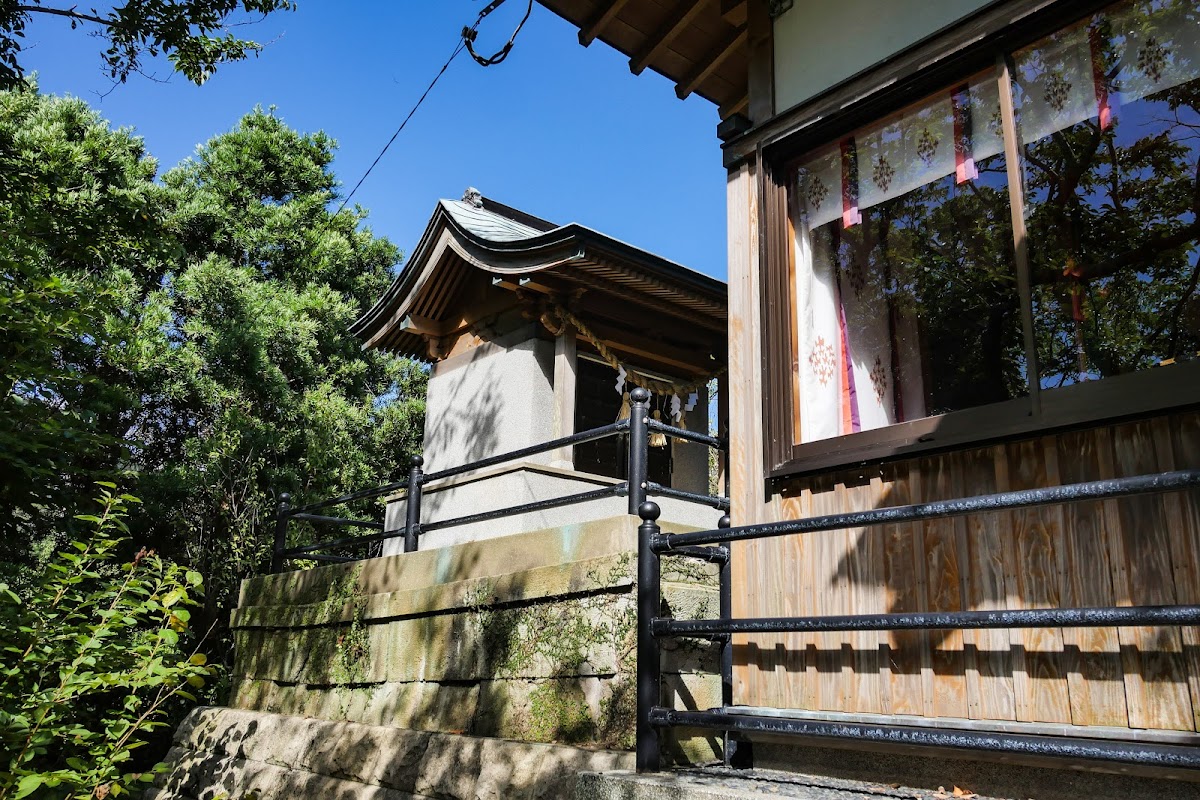
Nagahama Shrine (Saikai City, Nagasaki Prefecture) Complete Guide | History, Deities, Access, and Saikai City’s Shrine Culture Explained in Detail
Nagahama Shrine, located in Setonishihama-go, Oseto-cho, Saikai City, Nagasaki Prefecture, is a historical shrine that has been cherished by the local people for centuries. This article provides a comprehensive overview, from basic information about Nagahama Shrine to the overall shrine culture of Saikai City and information on surrounding shrines.
Basic Information about Nagahama Shrine
Location and Access
Address: 55-1 Setonishihama-go, Oseto-cho, Saikai City, Nagasaki Prefecture 851-3500
Corporate Code: 5310005003697
Nagahama Shrine is located in the Nishihama district of Oseto-cho, Saikai City, surrounded by a beautiful coastline and abundant nature. Saikai City is located in the western part of Nagasaki Prefecture, in the northern part of the Nishisonogi Peninsula. It borders Nagasaki City to the south and Sasebo City across Sasebo Bay to the north.
Access
By Public Transportation:
- Approximately 1 hour and 35 minutes from Nagasaki Station to Saikai City Hall by Nagasaki Bus or Saikai Kotsu.
- Approximately 50 minutes from Sasebo Station to Saikai Bridge West Exit by Seihoku Bus.
- Then, take a local bus or taxi towards Oseto-cho.
By Car:
- Approximately 1 hour from Nagasaki City via National Route 202.
- Accessible via Saikai Bridge.
- We recommend checking parking availability in advance.
National Ranking
Nagahama Shrine has a rare shrine name, ranking 2,355th nationwide in the number of shrines with the same name (only 2 nationwide). While a shrine with the same name exists in Nanao City, Ishikawa Prefecture, each has a different history and beliefs.
History and Origins of Nagahama Shrine
Background of Founding
While there are no clear records of the founding date of Nagahama Shrine, according to local elders’ traditions, it is believed to have been established as a place of worship to pray for safety at sea and abundant catches, coinciding with the development of fishing and maritime transport in the region.
Oseto Town has long been known as a good port, and was a region where maritime transport and fishing flourished. The name Nagahama is presumably derived from the long beach, a geographical feature of the area.
Role in the Community
Nagahama Shrine has played a role not merely as a place of worship, but as a central hub of the local community. Through annual events and festivals, it has functioned as a place to deepen the bonds among residents and has contributed to the transmission of local culture.
In particular, as a faith unique to a coastal region, prayers for safe voyages, abundant catches, and protection from maritime accidents have been considered important.
Deities and Divine Virtues
Main Deity
Regarding the deities enshrined at Nagahama Shrine, it is presumed that gods related to local maritime worship are worshipped, but detailed records require on-site verification.
Generally, shrines bearing the name “Nagahama” or “Nagahama” often enshrine the following deities:
- Deities of the Sea: Guardians of maritime safety and fishing
- Local Guardian Deities: Deities protecting the land
- Deities Related to Development and Pioneering: Guardians of regional development
Divine Virtues and Faith
The following are considered to be the divine virtues that can be expected from visiting Nagahama Shrine:
- Maritime Safety: Prayers for the safety of fishermen and sailors
- Prayers for Abundant Catch: Prosperity of fishing and a bountiful harvest
- Family Safety: Peaceful lives for local residents
- Business Prosperity: Development of shipping and local industries
- Protection from Misfortune: Protection from disaster
Annual Events and Festivals
Main Festivals
Nagahama Shrine is believed to hold various festivals throughout the year. Typical annual events at Shinto shrines include the following:
Spring:
- Spring Grand Festival
- Kinensai (Festival to pray for a bountiful harvest)
Summer:
- Natsukoshi no Oharae (Summer Purification Ceremony)
- Umibiraki Safety Prayer Festival
Autumn:
- Autumn Grand Festival
- Niinamesai (Harvest Thanksgiving Festival)
Winter:
- Toshikoshi no Oharae (Year-End Purification Ceremony)
- New Year’s Festival
For specific dates and details, please contact the local parishioners’ representative or shrine officials.
Shrine Culture of Saikai City, Nagasaki Prefecture
Total Number and Distribution of Shrines in Saikai City
There are 49 Shinto shrines in Saikai City, Nagasaki Prefecture. This reflects Saikai City’s geographical features: a complex coastline, islands, and the dispersion of historical settlements.
Saikai City is comprised of the following five towns:
- Oshima Town
- Oseto Town
- Sakito Town
- Saikai Town
- Nishihiki Town
Multiple shrines are scattered throughout each town, supporting the faith and culture of each region.
Distribution of Shrines in Oseto Town
In Oseto Town, where Nagahama Shrine is located, shrines are distributed in the following areas:
- Seto Itaura-go
- Seto Kashiura-go
- Seto Nishihama-go (Location of Nagahama Shrine)
- Seto Hadegawa-go
- Seto Shimoyama-go
Each of these areas has its own unique history and culture, and each shrine serves as a spiritual pillar for that region.
Characteristics of Shrines in Saikai City
Strong Influence of Maritime Worship:
Many shrines in Saikai City reflect a strong influence of maritime worship due to their location facing the sea and their deep connection to fishing and shipping. Prayers for safe voyages, abundant catches, and prevention of maritime disasters have been highly valued.
Uniqueness of Island Regions:
Shrines in island regions such as Sakito Town and Oshima Town exhibit unique forms of worship and festivals distinct from those on the mainland. Within these limited communities, shrines serve as a particularly strong source of unity.
Coexistence with Christianity:
Nagasaki Prefecture has a history of hidden Christians, and Saikai City also has a history of Shinto and Christianity coexisting. This unique fusion of religious cultures enriches the spiritual culture of the region.
List of Shrines by Municipality in Nagasaki Prefecture (1,314 Shrines)
Nagasaki Prefecture as a whole has approximately 1,314 shrines, distributed as follows across its municipalities:
Number of Shrines in Major Cities
Nagasaki City: Approximately 250 shrines
- The highest number of shrines as a prefectural capital
- Diverse beliefs as a historical port city
Sasebo City: Approximately 180 shrines
- Development as a naval port city and shrine culture
- Includes Gokoku Shrines related to the Japan Maritime Self-Defense Force
Isahaya City: Approximately 120 shrines
- Harvest-related beliefs in agricultural areas
- New shrines associated with land reclamation development
Omura City: Approximately 70 shrines
- History of the Omura Domain and shrine culture
- Influence of Christian daimyo
Saikai City: 49 shrines
- Primarily focused on maritime worship
- Wide-area distribution including islands
Northern Iwate Prefecture
Hirado City: Approximately 90 shrines
- History as a castle town of the Matsuura clan
- Diversity as a hub for overseas trade
Matsuura City: Approximately 60 shrines
- History of coal mining and industrial shrines
- Sea god worship related to fishing
Saza Town: Approximately 15 shrines
- A small but densely populated area of worship
Central Iwate Prefecture
Unzen City: Approximately 80 shrines
- Hot spring worship and shrine culture
- Historical background of the Shimabara Rebellion
Shimabara City: Approximately 70 shrines
- Shrines in the castle town of Shimabara
- Worship of Mount Fugen
Minamishimabara City: Approximately 90 shrines
- Villages of hidden Christians and shrines
- Worship related to both agriculture and fishing
Southern Iwate Prefecture
Goto City: Approximately 100 shrines
- Island worship of the Goto Islands
- Unique maritime culture
Shin-Kamigoto Town: Approximately 60 shrines
- Shrine culture in the northern Goto Islands
- Coexistence with the Catholic Church
Other municipalities
Higashisonogi Town: Approximately 25 shrines
Kawatana Town: Approximately 20 shrines
Hasami Town: Approximately 30 shrines
Ojika Town: Approximately 15 shrines
Togitsu Town: Approximately 18 shrines
Nagayo Town: Approximately 22 shrines
These figures are approximate, and many more religious facilities exist if small shrines and unranked shrines are included.
List of shrines in neighboring prefectures
A rich shrine culture also exists in the prefectures of Kyushu surrounding Nagasaki Prefecture.
Shrines in Saga Prefecture (approximately 1,095 shrines)
Major Shrines:
- Yutoku Inari Shrine (Kashima City): One of Japan’s three major Inari shrines
- Saga Shrine (Saga City): Dedicated to the Nabeshima clan, lords of the Saga domain
- Hoto Shrine (Karatsu City): Famous for prayers for winning the lottery
Saga Prefecture borders Nagasaki Prefecture to the east. Fishing-related beliefs are prevalent in shrines along the Ariake Sea coast, while agricultural beliefs are prevalent in mountainous areas.
Shrines in Fukuoka Prefecture (approximately 3,400)
Major Shrines:
- Dazaifu Tenmangu Shrine (Dazaifu City): Nationally famous as the god of learning
- Munakata Taisha Shrine (Munakata City): World Heritage Site, dedicated to the god of the sea
- Hakozaki-gu Shrine (Fukuoka City): One of the three major Hachiman shrines
- Sumiyoshi Shrine (Fukuoka City): The founder of all Sumiyoshi shrines nationwide
Fukuoka Prefecture boasts the largest number of shrines in Kyushu, with numerous historical shrines dating back to ancient times.
Shrines in Kumamoto Prefecture (approximately 1,379)
Major Shrines:
- Aso Shrine (Aso City): Center of Aso Mountain worship
- Aoi Aso Shrine (Hitoyoshi City): Possesses a national treasure shrine building
- Kato Shrine (Kumamoto City): Located within Kumamoto Castle
Kumamoto Prefecture is characterized by its volcanic and samurai worship.
Shrines in Oita Prefecture (approximately 1,200 shrines)
Major Shrines:
- Usa Shrine (Usa City): Head shrine of all Hachiman shrines nationwide
- Isahara Hachiman Shrine (Oita City): Ichinomiya (first-ranked shrine) of Bungo Province
- Shrine Group around Ryōshi-ji Temple: Unique Shinto-Buddhist syncretic culture of the Kunisaki Peninsula
Oita Prefecture holds an important position as the birthplace of Hachiman worship.
Shrines in Miyazaki Prefecture (approximately 674 shrines)
Major Shrines:
- Takachiho Shrine (Takachiho Town): Site of the Tenson Kōrin myth
- Udo Shrine (Nichinan City): A rare shrine located in a coastal cave
- Miyazaki Shrine (Miyazaki City): Dedicated to Emperor Jimmu
Miyazaki Prefecture is a stage for Japanese mythology, and numerous shrines associated with the Kojiki and Nihon Shoki exist there.
Shrines in Kagoshima Prefecture (approximately 1,100 shrines)
Major Shrines:
- Kirishima Jingu (Kirishima City): Located in the place where the heavenly grandson descended to earth
- Terukuni Shrine (Kagoshima City): Dedicated to Shimazu Nariakira
- Nitta Shrine (Satsumasendai City): The Ichinomiya (first-ranked shrine) of Satsuma Province
Kagoshima Prefecture is characterized by the history of the Satsuma Domain and its volcanic worship.
Major Shrines in and around Saikai City
Representative Shrines within Saikai City
Sumiyoshi Shrine (Saikai-cho):
- Worshipped as the guardian deity of maritime safety
- Bustling with many worshippers during the local annual festival
Suwa Shrine (Oseto-cho):
- A historical shrine dedicated to the god of war
- Beloved as the local tutelary deity
Hachiman Shrine (Sakito-cho):
- A spiritual pillar for the island communities
- Deeply revered by those involved in the fishing industry
Major Shrines in Neighboring Municipalities
Nagasaki City:
- Suwa Shrine: Nagasaki’s general guardian shrine, famous for the Nagasaki Kunchi festival
- Isemiya Shrine: An important shrine in Nagasaki City
Sasebo City:
- Kameyama Hachimangu Shrine: Sasebo’s general guardian shrine
- Chinjufu Hachiman Shrine: A shrine associated with the navy
Togitsu-cho:
- Togitsu Shrine: The central shrine of Togitsu Town
Saikai City Sightseeing and Shrine Pilgrimage
Saikai City Tourist Spots
Saikai Bridge:
- A bridge spanning the Hariose Strait, one of Japan’s three major rapid currents
- The double bridge with the Second Saikai Bridge is spectacular
- Enjoy a magnificent view from the Saikai Hill Observatory
Oshima Ohashi Bridge:
- An important bridge connecting Oshima Town to the mainland
- Attractive for the beauty of the surrounding coastline
Otoura:
- A beautiful ria coastline
- Known as a famous spot for sunsets
Model Courses for Shrine Pilgrimage
Half-Day Course:
- Visit Nagahama Shrine (Oseto Town)
- Drive along the Oseto Town coastline
- Visit Saikai Bridge
- Saikai Hill Observatory
Full-Day Course:
- Visit Nagahama Shrine
- Visit other shrines in Oseto Town
- Visit Saikai Bridge and the Second Saikai Bridge
- Visiting a shrine in Oshima Town
- Watching the sunset at Otoura
History and Culture of Saikai City
Formation of Saikai City
Saikai City was formed on April 1, 2005 (Heisei 17) through the merger of five towns in Nishisonogi District: Oshima Town, Oseto Town, Nishisonogi Town, Saikai Town, and Sakito Town.
Population: Approximately 26,000 (as of 2024)
Area: Approximately 242 square kilometers
Industry and Lifestyle
Major Industries:
- Fisheries: Pearl farming, fixed net fishing, pole-and-line fishing
- Agriculture: Mandarin orange cultivation, vegetable cultivation
- Tourism: Saikai Bridge, coastal scenery, experiential tourism
Local Products:
- Saikai Mandarin Oranges
- Pearls
- Fresh Seafood
- Saikai Donburi (local gourmet dish)
Culture and Tradition
Festival Culture:
Traditional festivals are preserved throughout Saikai City. At the annual festivals of shrines, portable shrine processions and devotional performances take place, providing an important opportunity to deepen community bonds.
Maritime Culture:
With its complex coastline and islands, Saikai City has fostered a unique culture of coexistence with the sea. Fishing techniques, shipbuilding techniques, and wisdom regarding maritime traffic have been passed down through generations.
Etiquette and Manners for Visiting a Shrine
Basic Etiquette for Visiting a Shrine
Before Passing Through the Torii Gate:
- Bow before passing through the torii gate.
- Walk along the edge of the path, as the center is the path for the gods.
How to Purify Yourself at the Water Basin:
- Take the ladle with your right hand and purify your left hand.
- Switch the ladle to your left hand and purify your right hand.
- Switch the ladle back to your right hand, receive water in your left hand, and rinse your mouth.
- Purify your left hand once more.
- Cleanse the handle of the ladle by holding it upright, and return it to its original place.
Worship at the Main Hall:
- Quietly place your offering in the offering box.
- Ring the bell if there is one.
- Two bows, two claps, one bow.
- Bow deeply twice.
- Clap twice.
- Pray with all your heart.
- Bow deeply once.
Attire and Manners for Visiting a Shrine
Attire:
- Clean and understated attire is preferred.
- Formal attire is preferable during special festivals.
- Comfortable walking shoes are recommended at shrines near the coast.
Manners:
- Please be quiet within the shrine grounds.
- Photography is only permitted in designated areas.
- Please take all your trash with you.
- Please be mindful that this is a sacred place.
Frequently Asked Questions about Shrines in Saikai City, Nagasaki Prefecture
Q1: How many shrines are there in Saikai City?
A1: There are a total of 49 shrines in Saikai City. They are scattered across five towns: Oshima-cho, Oseto-cho, Nishihiki-cho, Saikai-cho, and Sakito-cho, each fostering its own unique beliefs and culture.
Q2: How do I access Nagahama Shrine?
A2: Nagahama Shrine is located at 55-1 Setonishihama-go, Oseto-cho, Saikai City, Nagasaki Prefecture. By public transport, take the Nagasaki Bus or Saikai Kotsu from Nagasaki Station to Saikai City Hall (approximately 1 hour and 35 minutes), then use a local bus or taxi. By car, it takes approximately 1 hour from Nagasaki city center via National Route 202.
Q3: When is the annual festival of Nagahama Shrine held?
A3: For specific dates of the annual festival, we recommend contacting the local parishioners’ representative or the Saikai City Tourism Association. Generally, the festival is held in spring and autumn, but please confirm the exact information locally.
Q4: Can I get a Goshuin (shrine stamp) at shrines in Saikai City?
A4: The availability of Goshuin varies by shrine. Many small shrines do not have resident priests, so we recommend checking in advance. You are more likely to receive a Goshuin at larger shrines or on the day of the annual festival.
Q5: I would like to combine sightseeing in Saikai City with visiting shrines. What is a recommended route?
A5: We recommend a route that combines a visit to the Saikai Bridge and the Second Saikai Bridge with a tour of shrines around Oseto Town. A popular route involves visiting Nagahama Shrine, enjoying the spectacular view from the Saikai Hill Observatory, and then extending your trip towards Oshima Town. Renting a car is convenient.
Q6: Who are the deities enshrined at Nagahama Shrine?
A6: For detailed information about the deities enshrined at Nagahama Shrine, on-site confirmation is necessary. Generally, coastal shrines often enshrine deities related to maritime safety and abundant catches, but for accurate information, please contact the shrine or the Saikai City Board of Education.
Q7: Can I visit shrines in Saikai City for Hatsumode (first shrine visit of the New Year)?
A7: Yes, Hatsumode is possible at many shrines in Saikai City. However, smaller shrines may not have special New Year’s Day events. If you wish to participate in a large-scale Hatsumode event, we recommend major shrines in Saikai City or the large shrines in nearby Nagasaki City or Sasebo City.
Q8: What are the historical characteristics of shrines in Saikai City?
A8: The most distinctive feature of shrines in Saikai City is maritime worship. Due to its geographical characteristics, including a complex coastline and islands, beliefs related to safe voyages, abundant catches, and prevention of maritime disasters are strongly reflected. Furthermore, as part of Nagasaki Prefecture, which has a history of hidden Christians, a unique culture where Shinto and Christianity have coexisted can also be seen.
Summary
Nagahama Shrine is a historically rooted shrine located in Oseto-cho, Saikai City, Nagasaki Prefecture. There are 49 shrines throughout Saikai City, each playing an important role in supporting the local spiritual culture.
Maritime worship nurtured by its coastal location, a unique culture formed within a complex history, and traditional events passed down to the present day—all of these are part of the charm of Saikai City’s shrine culture.
When visiting Saikai City, in addition to the beautiful natural scenery and tourist spots such as Saikai Bridge, visiting the local shrines will allow you to experience the history and culture of this land more deeply. Nagahama Shrine and other shrines in Saikai City are irreplaceable presences that continue to be an integral part of the faith and lives of the local people.
When visiting, please observe basic manners, be mindful that it is a sacred place, and offer your prayers in a quiet and peaceful state of mind. May your visit be a time of profound spiritual enrichment.


