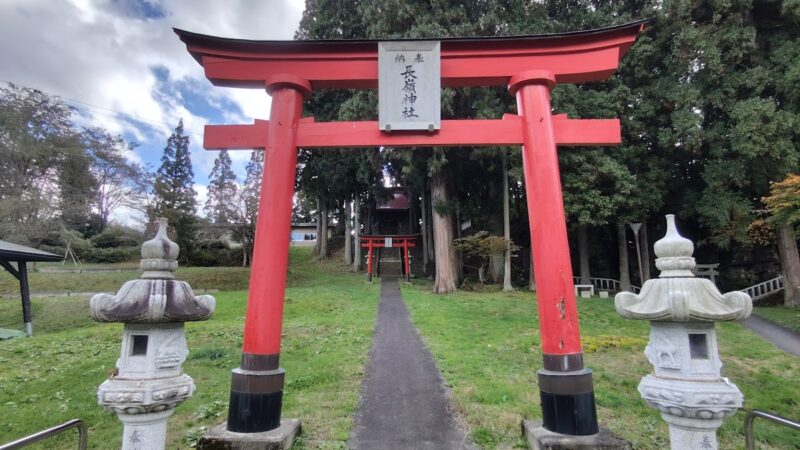
Nagamine Shrine (Hachimantai City, Iwate Prefecture) Complete Guide: History, Benefits, and Access Information
Nagamine Shrine, located in Hachimantai City, Iwate Prefecture, is a shrine that has been cherished by the local people for centuries. This article provides detailed information useful for visiting Nagamine Shrine, including its history, enshrined deities, benefits, highlights of the grounds, and access methods.
Basic Information on Nagamine Shrine
Nagamine Shrine is located in Hachimantai City, Iwate Prefecture, and is known as a shrine that attracts the faith of local residents. Hachimantai City is located in the northwestern part of Iwate Prefecture and is blessed with the Hachimantai Onsenkyo hot spring resort and abundant nature.
Location and Basic Data
- Location: Hachimantai City, Iwate Prefecture
- Shrine Rank: A shrine revered as the guardian deity of the region
- Grounds: A sacred area surrounded by a tranquil environment
History and Origins of Nagamine Shrine
The founding and history of Nagamine Shrine have been passed down along with local traditions. The Hachimantai region has been inhabited by people since ancient times, with agriculture and forestry being the mainstays of the community. Shrines have played a vital role as the spiritual pillars of the region.
Connection to the Community
Nagamine Shrine has functioned as the local tutelary shrine, a place where prayers for the safety and prosperity of the settlement are offered. During the spring and autumn festivals, local residents gather, and traditional rituals are performed.
Historical Background
Northern Iwate Prefecture was under the influence of the Abe and Oshu Fujiwara clans from ancient to medieval times. Afterward, under the rule of the Nanbu clan, many shrines have continued to function as centers of local faith to this day. Nagamine Shrine is also thought to have served as a spiritual anchor for the local people within this historical context.
Deities and Divine Virtues
The deities enshrined at Nagamine Shrine are revered as guardian deities of the region. Generally, shrines dedicated to local tutelary deities often enshrine the following types of gods:
Main Divine Blessings
- Abundant Harvest: Praying for agricultural success and abundant harvests
- Family Safety: For the health and peaceful lives of family members
- Regional Peace and Security: For the safety and development of the entire community
- Protection from Misfortune and Bringing Good Fortune: Avoiding disaster and attracting good fortune
Highlights of the Shrine Grounds
The grounds of Nagamine Shrine are characterized by a tranquil atmosphere surrounded by nature.
Main Hall and Worship Hall
The main hall and worship hall, the heart of the shrine, preserve the traditional architectural style of the region. Visitors offer their prayers here.
Natural Environment of the Shrine Grounds
Hachimantai City is blessed with abundant nature, and the area around Nagamine Shrine offers beautiful scenery throughout the seasons.
- Spring: The season of fresh greenery, the trees in the shrine grounds begin to bud.
- Summer: Surrounded by lush greenery.
- Autumn: The leaves turn beautiful colors.
- Winter: The snowy landscape creates a sacred atmosphere.
Shrine Office and Amulets
When visiting, you may be able to receive amulets such as Goshuin (shrine stamps) and talismans. However, in the case of smaller shrines, there may not be a permanent staff member, so it is recommended to check in advance.
Annual Events and Festivals
Nagamine Shrine holds various Shinto rituals throughout the year.
Main Annual Events
- New Year’s Day Festival: Praying for happiness in the new year
- Spring Festival: Praying for a bountiful harvest with the arrival of spring
- Summer Purification Ceremony: Cleansing away the impurities accumulated over the past six months
- Autumn Festival: Offering thanks for the harvest
- Great Purification Ceremony: Cleansing away the impurities accumulated over the year at the end of the year
Local Festivals
Local festivals often include processions of portable shrines and offering ceremonies, with local residents coming together to celebrate the shrine. These events are important opportunities to strengthen the bonds of the local community.
Etiquette and Manners for Visiting the Shrine
When visiting Nagamine Shrine, please observe the following basic etiquette.
Basic Procedure for Worship
- Passing Through the Torii Gate: Bow before entering the shrine grounds.
- Purifying at the Water Basin: Purify your left hand, right hand, and mouth in that order.
- Proceeding to the Main Hall: Proceed quietly.
- Two Bows, Two Claps, One Bow: Basic Worship Etiquette
- Bow deeply twice.
- Clap your hands twice.
- Recite your prayer silently.
- Finally, bow deeply once.
- Exiting: Turn around and bow after leaving the torii gate.
Points to Note During Worship
- Be quiet within the shrine grounds.
- Photography is only permitted in designated areas.
- Take your trash with you.
- Do not damage nature or buildings.
Access Information
We will guide you on how to access Nagamine Shrine.
Access by Car
Access to Hachimantai City is convenient by car.
- Tohoku Expressway: Take local roads from the nearest interchange.
- Parking: Parking spaces may be available around the shrine.
Access by Public Transportation
- JR Hanawa Line: Walk or take a taxi from the nearest station.
- Bus: Use local buses such as Iwate Kenpoku Bus.
*For detailed access information, please contact the Hachimantai City Tourism Association or a local tourist information center.
Nearby Tourist Attractions
When visiting Nagamine Shrine, we recommend also visiting other tourist attractions in Hachimantai City.
- Hachimantai Onsenkyo: Numerous hot spring facilities
- Hachimantai Aspite Line: A scenic driving route
- Hachimantai Summit: Hiking and trekking
- Matsukawa Onsen: A hot spring resort known as a hidden gem
- Appi Kogen: Skiing and outdoor activities
About Hachimantai City
Hachimantai City, where Nagamine Shrine is located, is a city rich in nature, situated in the northwestern part of Iwate Prefecture.
Characteristics of Hachimantai City
- Population: Approximately 25,000 (as of 2024)
- Area: Approximately 862 square kilometers
- Climate: Cool climate, pleasant summers, and heavy snowfall in winter
- Industry: Agriculture, forestry, and tourism are the main industries
Regional Attractions
Hachimantai City includes part of the “Hachimantai National Park,” and its magnificent natural scenery is a major attraction. The area boasts abundant hot spring resources and attracts many tourists throughout the year.
- Hot Springs: Hachimantai Onsenkyo, Matsukawa Onsen, Fujishichi Onsen, etc.
- Nature: Hachimantai, Mt. Iwate, forest resources
- Agricultural Products: Highland vegetables, livestock products
- Culture: Traditional festivals and folk performing arts
The Charm of Visiting Nagamine Shrine
The charm of visiting Nagamine Shrine lies in experiencing a simple, locally rooted place of worship.
A Quiet Worship Environment
Unlike large-scale tourist shrines, you can worship in a quiet and peaceful atmosphere. Away from the hustle and bustle of the city, you can calm your mind and offer your prayers.
Interacting with Local Culture
At a shrine that functions as the local guardian deity, you can feel the history and culture of the land firsthand. Through the faith of the local people, it becomes a valuable opportunity to experience traditional Japanese spiritual culture.
Nature in Every Season
At the shrine, located in the rich natural environment of Hachimantai, you can enjoy the beauty of each of the four seasons. The scenery of the shrine grounds is especially beautiful in spring with its fresh green leaves and in autumn with its vibrant autumn foliage.
What to Bring and Wear When Visiting
Here’s some information on what to prepare when visiting Nagamine Shrine.
Basic Items
- Offering Money: Have some small change ready.
- Camera: Take photos of the beautiful scenery on the shrine grounds (only in permitted areas).
- Goshuincho (Stamp Book): For those collecting Goshuin (shrine stamps).
- Drinks: Remember to stay hydrated, especially in summer.
Clothing Tips
- Seasonal Clothing: Hachimantai experiences significant temperature fluctuations, so layering is recommended.
- Comfortable Shoes: Since you’ll be walking around the shrine grounds, comfortable shoes like sneakers are recommended.
- Winter: Take thorough precautions against the cold (thick coat, gloves, hat, etc.).
- Summer: Protect yourself from UV rays with a hat and sunscreen.
Nearby Accommodations
Here are some accommodations you can use when visiting Nagamine Shrine.
Accommodations in Hachimantai Onsenkyo
Hachimantai City boasts numerous hot spring inns, allowing you to relax and enjoy the hot springs after visiting the temple.
- Onsen Ryokan: Traditional Japanese inns where you can enjoy cuisine made with local ingredients.
- Hotel: Hotels equipped with modern facilities.
- Minshuku: Offers a local atmosphere at a reasonable price.
Booking Tips
- Early booking is necessary during peak tourist seasons (summer and autumn foliage).
- Winter can be crowded with skiers.
- Choosing accommodations that offer cuisine made with local specialties is recommended.
Local Food Culture
When visiting Hachimantai City, be sure to enjoy the local food culture.
Local Specialties of Hachimantai
- Hachimantai Pork: Pork raised locally
- Highland Vegetables: Fresh vegetables grown in the cool climate
- Wild Vegetables: Various wild vegetables are harvested in spring
- Soba Noodles: Handmade soba noodles made with locally produced buckwheat flour
- Dairy Products: Dairy products from cows raised on the highlands
Recommended Restaurants
There are many restaurants in Hachimantai City that serve dishes made with local ingredients. Stop by before or after your visit to enjoy the local flavors.
Preservation Activities of Nagamine Shrine
Local shrines are maintained through preservation activities by local residents.
Role of Local Residents
- Cleaning Activities: Regular cleaning of the shrine grounds
- Festival Management: Preparation and implementation of annual events
- Maintenance of Structures: Repair of the shrine buildings and torii gates
- Passing on Traditions: Passing on festivals and customs to future generations
What Worshippers Can Do
Worshippers can also cooperate in the preservation of the shrine.
- Support through offerings
- Cooperation in beautifying the shrine grounds
- Understanding and respecting local culture
- Practicing appropriate worship etiquette
The Four Seasons of Hachimantai and How to Enjoy Worship
The Hachimantai region, where Nagamine Shrine is located, has different charms in each of the four seasons.
Spring (April-June)
With the melting snow, new greenery sprouts, and you can feel the arrival of spring.
- Highlights: Fresh greenery, spring flowers
- Clothing: Bring a light jacket as it gets chilly in the mornings and evenings
- Events: Spring festival sometimes held
Summer (July-September)
A pleasant season with a cool highland climate.
- Highlights: Lush greenery, refreshing highland air
- Clothing: Hot during the day, but cool in the mornings and evenings
- Activities: Hiking, trekking, hot spring hopping
Autumn (October-November)
The autumn foliage is beautiful, and Hachimantai is at its most vibrant during this season.
- Highlights: Autumn leaves, autumn harvest
- Clothing: Warm clothing is necessary
- Events: Autumn festival, harvest festival
Winter (December-March)
A fantastical landscape covered in snow unfolds.
- Highlights: Snowscape, tranquil atmosphere
- Attire: Strict cold-weather gear is essential
- Caution: Visiting may be difficult due to snowfall; prior confirmation is necessary.
Summary
Nagamine Shrine is a community-based shrine located in Hachimantai City, Iwate Prefecture. Surrounded by abundant nature, it offers a peaceful environment for worship.
When visiting Hachimantai City, why not experience the local history and culture through a visit to Nagamine Shrine? Combined with hot springs and nature sightseeing, it will create fulfilling travel memories.
When visiting, please observe basic manners, respect the shrine’s place of worship, and enjoy its serene atmosphere. You will surely enjoy a peaceful time amidst the beautiful nature of each season.