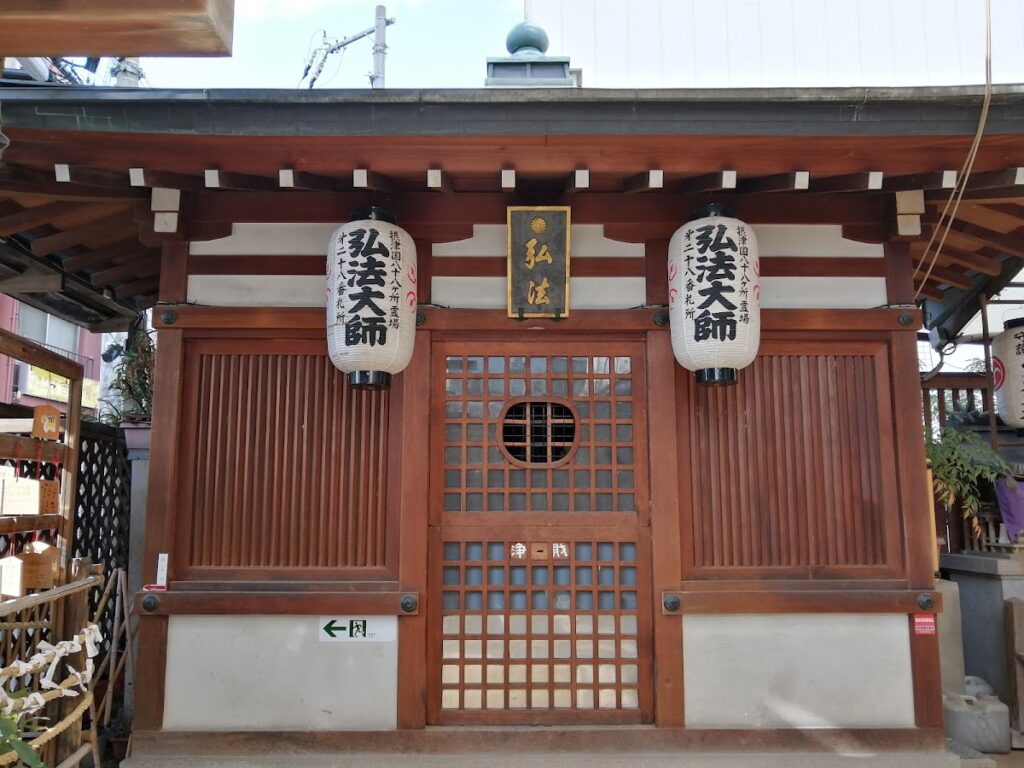
Complete Guide to Naniwa-ji Temple | The History and Highlights of Gekkozan, a Temple with a History Dating Back to the Tenpyo Era
Naniwa-ji Temple, located in Tatsumi-kita, Ikuno-ku, Osaka City, is a historic temple said to have been founded in 736 AD (Tenpyo 8). Built by Gyoki Bodhisattva at the command of Emperor Shomu, this temple has been cherished by the local people as “Kannon of the Fields.” This article provides a detailed introduction to Naniwa-ji Temple, including its history, principal image, highlights within the temple grounds, and the circumstances surrounding its relocation to its current location.
What is Naniwa-ji Temple?
Naniwa-ji Temple is a Buddhist temple belonging to the Myoshin-ji branch of the Rinzai school of Zen Buddhism, and its mountain name is Gekkozan. Currently located at 1-7-18 Tatsumi-kita, Ikuno-ku, Osaka City, its history spans nearly 1300 years, making it an indispensable part of Osaka’s Buddhist culture.
Basic Information
- Official Name: Gekkozan Namba-dera Temple
- Sect: Rinzai Zen Myoshinji School
- Principal Image: Eleven-faced Kannon Bodhisattva
- Founded: Tenpyo 8 (736 AD)
- Founder: Gyoki Bodhisattva
- Location: 1-7-18 Tatsumi-kita, Ikuno-ku, Osaka City, Osaka Prefecture
The principal image, the Eleven-faced Kannon, is said to have been carved by Gyoki Bodhisattva himself and has attracted worshippers since ancient times.
History of Namba-dera Temple
Founded in the Tenpyo Period
The history of Namba-dera Temple dates back to August 21, Tenpyo 8 (736 AD). According to temple tradition, Naniwa-dera Temple was founded by order of Emperor Shomu, who commissioned Gyoki Bodhisattva to construct it as a monastery to accommodate monks and musicians who arrived in Japan from Vietnam on a ship of the Japanese envoy to Tang China for the eye-opening ceremony of the Great Buddha at Todai-ji Temple in Nara.
The original Naniwa-dera Temple was built in what is now Higashi-Takatsu-cho, Tennoji Ward, in the area known as “Takatsu no Hama.” This location, close to Osaka Bay, was suitable for receiving envoys from overseas. At the time of its founding, it is believed to have belonged to the Tendai sect as a direct branch temple of Mii-dera Temple (Onjo-ji Temple).
Origin of the Mountain Name “Gekkozan”
The mountain name of Naniwa-dera Temple, “Gekkozan,” is said to have been bestowed by Emperor Shomu. At the time, when it was located on Takatsu no Hama, this area was known as a famous spot for moon viewing, and Emperor Shomu is said to have frequently visited to admire the moon. The name “Gekko” is believed to have been given because of the beauty of the moon reflected on the water’s surface, and this mountain name embodies the Emperor’s deep affection for the place. ### Conversion from Tendai to Rinzai Buddhism
Namba-dera Temple, originally belonging to the Tendai sect, later changed its sect to the Myoshin-ji branch of the Rinzai sect. While historical records are limited regarding the exact timing of this conversion, it is believed to have occurred during the religious reforms of the medieval and early modern periods, influenced by Zen Buddhism.
The Era as “Kannon of the Fields”
From the Edo period to the Taisho era, Namba-dera Temple was located near Uehonmachi (around the current Kintetsu Uehonmachi Station) and was affectionately known to local residents as “Kannon of the Fields.” This name originated from the fact that the area was located in a field surrounded by rice paddies at the time. The temple was a sacred site with deep devotion to the Eleven-Faced Kannon, attracting many pilgrims.
Relocation in the Taisho Era
In 1924 (Taisho 13), Namba-dera Temple underwent a major turning point. Kintetsu Railway (Kinki Nippon Railway) decided to construct its headquarters and station building in Uehonmachi, and the temple’s land was included in the construction. Therefore, Namba-dera Temple was relocated to its current location in Tatsumi-kita, Ikuno Ward.
This relocation took place amidst the waves of Osaka’s modernization and urban development, but the temple managed to make a fresh start in its new location while preserving its principal image and important artifacts. Even after the relocation, it continued to be affectionately known as “Nonaka no Kannon” (Kannon of the Nonaka area) and remains a center of local faith to this day.
Principal Image and Buddhist Statues
Eleven-Faced Kannon Bodhisattva
The principal image of Namba-dera Temple is the Eleven-Faced Kannon Bodhisattva. This Kannon statue is said to be the work of Gyoki Bodhisattva and may have been enshrined there since the temple’s founding. The Eleven-Faced Kannon is a Kannon Bodhisattva with eleven faces on its head, believed to watch over all directions and save all sentient beings.
Gyōki was a prominent Buddhist monk of the Nara period and is said to have possessed exceptional skills in Buddhist sculpture. This principal image, a valuable cultural artifact with nearly 1300 years of history, is still carefully preserved today.
Legends Related to Taira no Kagekiyo
Namba-dera Temple also preserves legends related to Taira no Kagekiyo (also known as Akushichibei Kagekiyo), a warrior from the late Heian period to the early Kamakura period. Taira no Kagekiyo was a warrior of the Taira clan who played an active role in the Genpei War and is known for continuing his resistance against the Minamoto clan even after the Battle of Dan-no-ura.
While there are various theories regarding the specific relationship between Kagekiyo and Namba-dera Temple, historical sites and legends related to Kagekiyo remain in this area, forming part of the temple’s history.
Highlights of the Temple Grounds
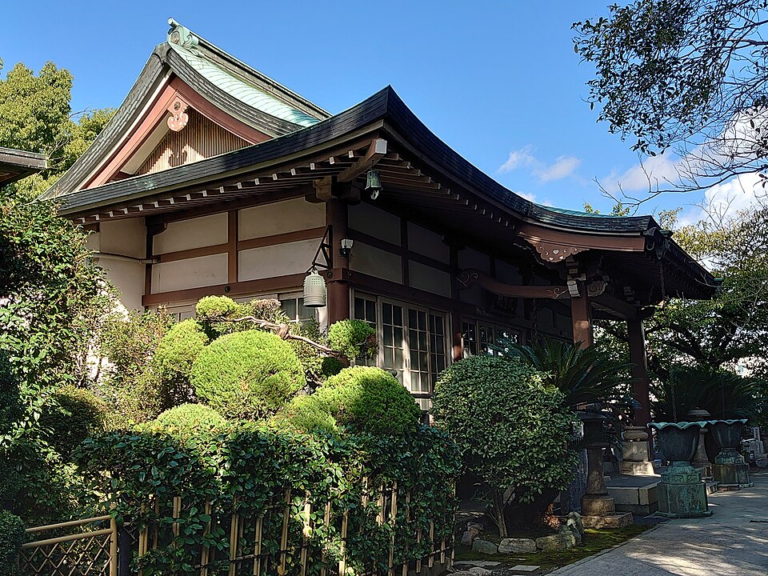
Main Hall
The current main hall was built after the temple’s relocation in 1924 (Taisho 13). This temple building exhibits the distinctive architectural features of the Rinzai school of Zen Buddhism, and houses the principal image, an eleven-faced Kannon statue. The main hall serves as the center for daily religious activities such as Buddhist services and Zen meditation sessions.
Ink-Covered Jizo
Within the grounds of Namba-dera Temple is a Jizo statue known as the “Ink-Covered Jizo.” This Jizo is a unique form of worship, where worshippers pour ink on it when making a wish. It is a folk belief found throughout the Kansai region.
This Jizo is believed to grant wishes for healing from illness, conception, and safe childbirth, and worshippers pour ink on it as they pray. The sight of the ink-covered Jizo exudes a unique atmosphere, a testament to the wishes of many people.
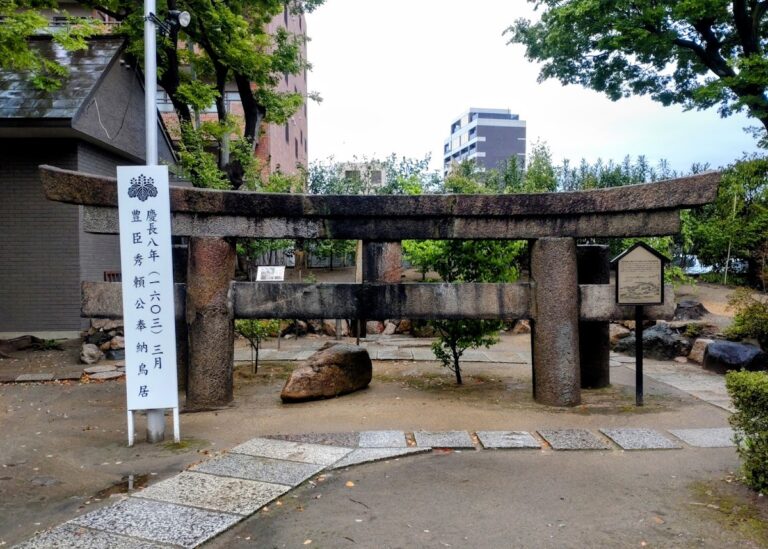
Garden and Temple Grounds
Although Namba-dera Temple is located in a residential area of Ikuno Ward, the temple grounds maintain a tranquil atmosphere. The seasonally changing plantings and the peaceful space provide a healing sanctuary, allowing visitors to forget the hustle and bustle of the city.
Modern Namba-dera Temple
The Musician Priest
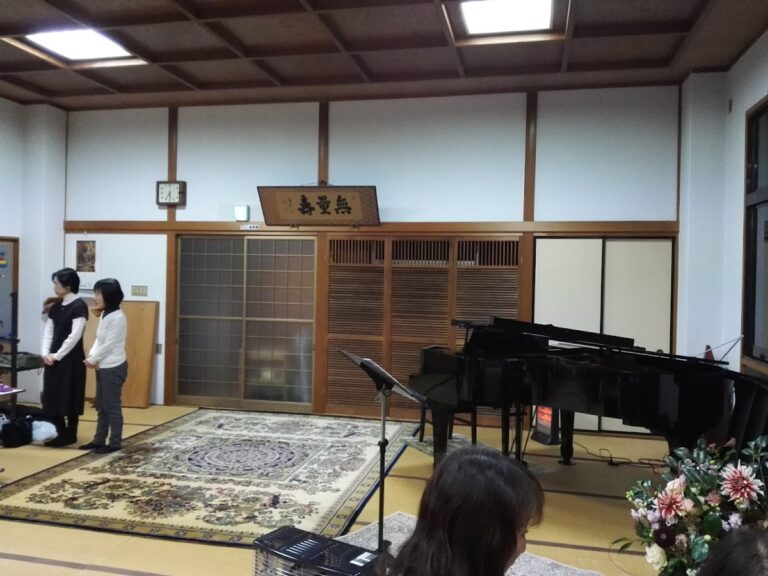
The current head priest of Namba-dera Temple is also a musician who graduated from Kunitachi College of Music. He is developing unique activities that fuse Buddhism and music, seemingly disparate fields, and is attracting attention as an example of modern temple management.
The connection between music and Buddhism is actually related to the origins of Namba-dera Temple’s founding. Considering the circumstances of its founding, which involved inviting musicians from Vietnam for the eye-opening ceremony of Todai-ji Temple, the presence of a musician priest can be seen as a connection that transcends 1300 years.
Connection with the Community
Namba-dera Temple still cherishes its connection with the local people. Through Buddhist services and annual events, it serves as a spiritual support for the local community, and the tradition of being affectionately known as “Kannon of the Fields” continues to this day.
Access
Access by Public Transportation
By Bus
- Get off at the “Tatsumi Kita 1-chome” bus stop (Osaka City Bus), then walk approximately 50 meters west.
Nearest Station
- Approximately 15 minutes on foot from “Kita Tatsumi Station” on the Osaka Metro Sennichimae Line
- Approximately 20 minutes on foot from “Tobu Ichiba-mae Station” on the JR Yamatoji Line
Location
〒544-0014
7-18, Tatsumi Kita 1-chome, Ikuno-ku, Osaka City, Osaka Prefecture
Ikuno-ku is located in the eastern part of Osaka City and is a mixed area of residential and industrial areas. The area around Namba-dera Temple is a quiet residential area, and the temple stands amidst a tranquil atmosphere.
Guidelines for Visiting
Visiting Hours and Viewing Hours
Namba-dera Temple is generally open for daytime visits, but it is recommended to contact the temple in advance. Viewing may not be possible during memorial services or events, so prior confirmation is advisable if you wish to visit for sure.
Etiquette for Visiting Temples
When visiting a temple, please observe the following basic etiquette:
- Be Quiet: Behave quietly within the temple grounds and avoid disturbing other visitors.
- Photography: Refrain from taking photographs in areas where photography is restricted, such as inside the main hall.
- Attire: Avoid revealing clothing and dress appropriately for your visit.
- Pray and Bow: Before the main hall, clasp your hands together, bow, and offer your prayers with sincerity.
Cultural Value of Namba-dera Temple
Position in Osaka’s Buddhist History
Namba-dera Temple has a long history, dating back to its founding in the Nara period, and has played an important role in the formation of Osaka’s Buddhist culture. Its founding by Gyōki Bodhisattva is a valuable example illustrating the relationship between Buddhist policies and national projects at the time.
The eye-opening ceremony of the Great Buddha at Tōdai-ji Temple was a major national project symbolizing the Tenpyō culture. Namba-dera Temple, built in preparation for this event, holds historical significance as a point of contact between international exchange and Buddhist culture.
What the History of Relocation Tells Us
The relocation during the Taisho era was one of the trials many temples faced amidst the wave of modernization. However, Namba-dera Temple, while preserving its principal image and traditions, restarted in its new location and has continued to uphold its Buddhist teachings to this day. This history can be seen as one answer to the challenge that modern temples face: balancing tradition and change.
Nearby Attractions
Besides Namba-dera Temple, there are other historical temples, shrines, and cultural facilities in the Ikuno Ward area. When visiting Namba-dera Temple, you might also want to explore the following nearby spots:
- Mikachiyama Kofun: A Kofun period (ancient burial mound) site remaining in Ikuno Ward
- Ikuno Koreatown: A region known for its multicultural coexistence
- Tatsumi Shrine: A shrine worshipped as the local guardian deity
Summary
Namba-dera Temple is an ancient temple with a history of nearly 1300 years since its founding in 736 AD. Established by Gyoki Bodhisattva at the command of Emperor Shomu, it holds an important position in the history of Buddhism in Osaka as a historically significant temple that participated in the national project of the eye-opening ceremony for the Great Buddha of Todai-ji Temple.
The beautiful mountain name “Gekkozan,” the principal image of the Eleven-Faced Kannon said to have been created by Gyoki, its history as the “Kannon of the Fields,” and the story of its relocation to its current location during the Taisho era all tell the story of this temple’s rich history.
Currently, as a temple of the Myoshinji branch of the Rinzai school, Namba-dera Temple, under the leadership of a head priest who is also a musician, maintains tradition while employing modern temple management practices. Nestled in a quiet residential area of Tatsumi-kita, Ikuno Ward, Namba-dera Temple remains a beloved place for many, offering a peaceful escape from the hustle and bustle of the city.
If you wish to experience Osaka’s history and culture, or simply find solace in a tranquil temple, please visit Namba-dera Temple. Within its grounds, steeped in 1300 years of history, you can feel the enduring spirit of faith.