Complete Guide to Ogushi Inari Shrine (Ogushi-cho, Mito City, Ibaraki Prefecture) | History, Festivals, Goshuin (Shrine Seals), and Access Information
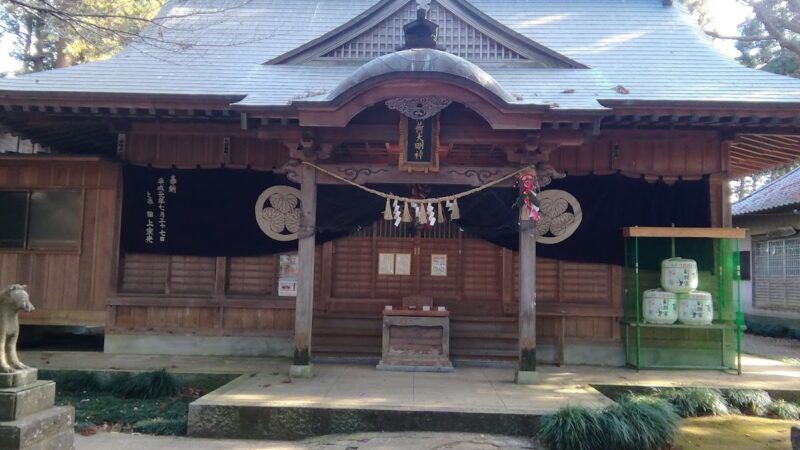
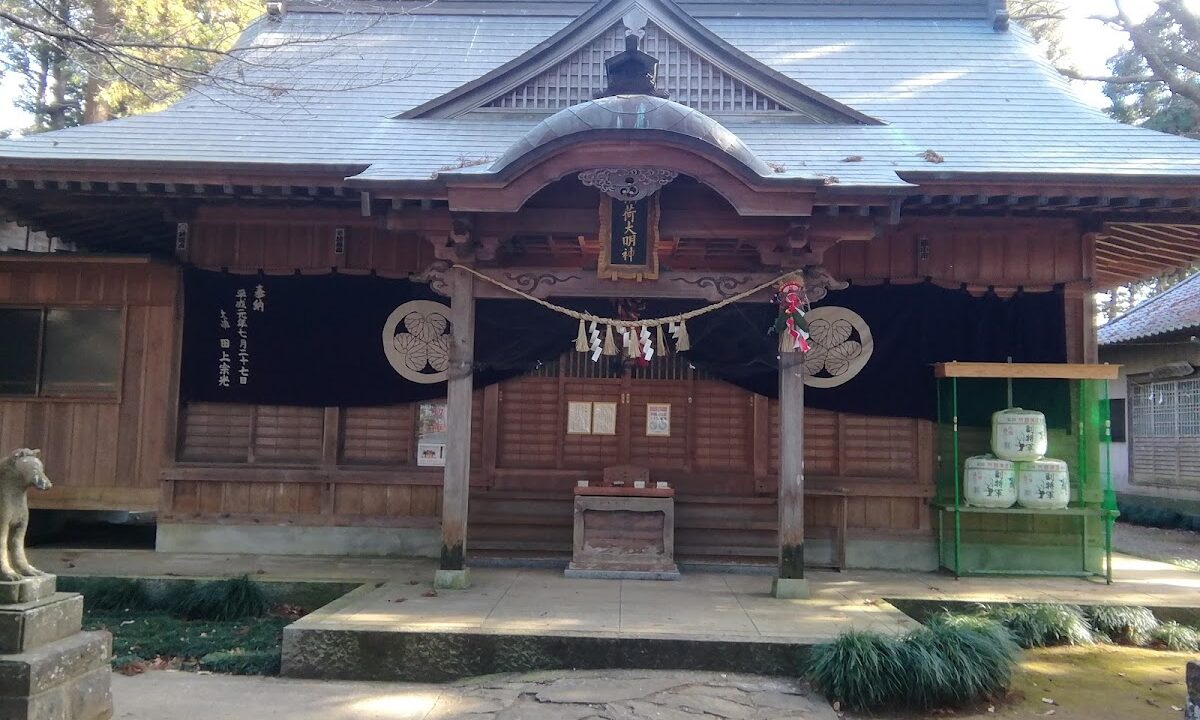
Ogushi Inari Shrine, located in Ogushi-cho, Mito City, Ibaraki Prefecture, is a historic shrine dating back to the Edo period. It is known for its “Ogushi no Sasara,” a nationally designated intangible folk cultural property, and houses valuable cultural artifacts associated with the Tokugawa family. This article provides detailed information useful for visitors, including the history of Ogushi Inari Shrine, festivals, goshuin information, and access methods.
History and Origins of Ogushi Inari Shrine
Ogushi Inari Shrine is a historic Inari shrine located in Ogushi-cho, Mito City. The enshrined deity is Ukanomitama-no-kami, who has been worshipped by local people as a god of abundant harvests and business prosperity.
Deep Connections with the Tokugawa Family
An essential part of the history of Ogushi Inari Shrine is its relationship with the Mito Tokugawa family. In 1707, during the Edo period, Tokugawa Tsunaeda, the third lord of the Mito domain, donated a portable shrine and a sun and moon spear. These donated items are still carefully preserved today and are designated cultural properties of Mito City.
Tokugawa Tsunaeda was the nephew of Tokugawa Mitsukuni, known as Mito Komon, and was known as a lord who was enthusiastic about cultural activities. Tsunaeda’s donation to Ogushi Inari Shrine indicates that the shrine held an important position in the region even at that time.
A Place of Worship Rooted in the Community
In the Kanto area, particularly in Mito City, Ibaraki Prefecture, Ogushi Inari Shrine has long been cherished as a spiritual center for local residents. In Ogushi Town, where agriculture flourished, this shrine has long been a place of prayer for abundant harvests and has also attracted deep devotion from merchants seeking business prosperity.
Nationally Designated Intangible Folk Cultural Property: “Ogushi no Sasara”
The greatest highlight of Ogushi Inari Shrine is “Ogushi no Sasara,” designated as a nationally selected intangible folk cultural property and an intangible folk cultural property of Ibaraki Prefecture.
What is “Ogushi no Sasara”?
“Ogushi no Sasara” is a unique lion dance found only in Ibaraki Prefecture, and it takes the form known as “Bo-sasara” (stick sasara). It’s an unusual performance where the lion’s head is attached to a stick and manipulated, setting it apart from lion dances in other regions.
In the performance, a stage is set up with curtains and other materials on all four sides, and people enter the stage and manipulate the stick in time with the music. The sight of the parent and child lion heads attached to the ends of the sticks dancing as if they were alive is breathtaking.
Cultural Value of “Ogushi no Sasara”
This performing art has been passed down since the Edo period and is a valuable intangible cultural asset that preserves the region’s traditional culture. The “Bo-sasara” style, unique to Ibaraki Prefecture, holds an important place in the history of Japanese folk performing arts.
Its designation as a nationally selected intangible folk cultural property demonstrates its high cultural value. It is carefully preserved by a local preservation society and performed at the annual festival.
Highlights of the Ogushi Inari Shrine Festival
The Ogushi Inari Shrine holds a grand festival every year. This festival is a major event in the region and attracts many worshippers.
Festival Dates
The Ogushi Inari Shrine Festival is held annually in the autumn. Specific dates may vary from year to year, so those planning a visit are advised to check Mito City’s tourist information and the shrine’s information beforehand.
Dedication of “Ogushi no Sasara” at the Festival
The highlight of the festival is the dedication of “Ogushi no Sasara” within the shrine grounds. The sight of the lion’s head, attached to a pole, gracefully dancing to the sound of the festival music, captivates visitors. The skilled techniques of the performers, clad in traditional costumes, evoke centuries of history.
Mikoshi Procession
The festival also includes a mikoshi procession, where the mikoshi donated by Tokugawa Tsunajo parades through the community. The sight of the dignified mikoshi, entirely lacquered and adorned with the Aoi crest, being carried vigorously by the bearers is one of the festival’s highlights.
Mito City Designated Cultural Properties: “Mikoshi and Nichigetsu Hoko”
The mikoshi and Nichigetsu Hoko owned by Ogushi Inari Shrine are designated cultural properties of Mito City.
Portable Shrine Donated by Tokugawa Tsunajo
This portable shrine, donated by Tokugawa Tsunajo in 1707 (Hoei 4), is a magnificent structure entirely covered in lacquer, and the Tokugawa family crest, the Aoi crest, is adorned throughout.
According to ancient oral tradition, pure gold phoenixes were placed on the roof and eaves of the shrine. While the current phoenixes are made of copper, they still feature splendid decorations that evoke the grandeur of the original.
Features of the Nichigetsu Hoko (Sun and Moon Float)
The Nichigetsu Hoko, donated along with the portable shrine, is also a valuable cultural asset, representing the pinnacle of Edo period craftsmanship. It is used alongside the portable shrine during festivals, adding to the splendor of the procession.
These cultural assets are valuable legacies that convey the history of the Mito domain and the high status of Ogushi Inari Shrine.
Goshuin (Shrine Seal) Information
Goshuin (shrine seals) can be obtained at Ogushi Inari Shrine. This is a valuable shrine for those who enjoy visiting shrines and collecting Goshuin (shrine stamps).
Regarding Goshuin Reception
Goshuin are usually available at the shrine office. However, they may not always be available, so if you definitely want a Goshuin, it is recommended to inquire in advance.
During festival periods, special Goshuin may be given out, attracting many visitors.
Visiting Etiquette
When receiving a Goshuin, the correct etiquette is to first pray at the main shrine before going to the shrine office. Remember that the Goshuin is proof of your visit, not a stamp rally.
Basic Information on Ogushi Inari Shrine
Address
Address: Ogushi-cho, Mito City, Ibaraki Prefecture
Located in the northern part of Mito City, it sits in a quiet residential area.
Fees
Visiting the shrine is free. Anyone can freely visit.
Parking
The shrine has a parking lot for visitors. However, congestion is expected during festival periods, so we recommend considering using public transportation. Parking is free, but spaces may be limited, so please aim to arrive early.
Access Methods
Here are directions to Ogushi Inari Shrine.
Access by Public Transportation
Using the JR Joban Line:
- Take an Ibaraki Kotsu bus from Mito Station
- Get off at the “Ogushi” bus stop and walk for approximately 5 minutes.
Mito Station is easily accessible from major stations in the Kanto area, and can be reached from Tokyo in about 1 hour by express train.
Access by Car
Using the Joban Expressway:
- Approximately 15 minutes from Mito IC
- Approximately 10 minutes from Mito Kita Smart IC
If using a car navigation system, please search for “Ogushi Inari Shrine” or the address “Ogushi-cho, Mito City, Ibaraki Prefecture”.
Access Information
During the festival period, surrounding roads may be congested. Traffic restrictions may also be in place, so we recommend planning your trip with ample time. Please note that travel times may change depending on weather and road conditions.
Recommended Nearby Spots
Here are some spots in Mito City that you might want to visit when you come to Ogushi Inari Shrine.
Kairakuen Garden
Kairakuen Garden, one of Japan’s three most famous gardens, is a representative tourist spot in Mito. Known for its plum blossoms, approximately 3,000 plum trees of about 100 varieties bloom in spring. It is about a 20-minute drive from Ogushi Inari Shrine.
Kodokan
Kodokan, known as the domain school of the Mito Domain, is the largest domain school building in Japan. Founded by Tokugawa Nariaki, it has high historical value as a place where patriots of the late Edo period studied, and is designated as a National Special Historic Site.
Mito Art Tower
Known as a hub for contemporary art, the Mito Art Tower is a multi-purpose cultural facility featuring a concert hall, theater, and contemporary art gallery. Its 100-meter-tall symbol tower is a landmark of Mito.
Senba Lake
Senba Lake, a popular recreational spot for citizens, is approximately 3 kilometers in circumference. It’s an ideal spot for observing swans, ducks, and other waterfowl, and for strolling along the lakeshore.
Other Inari Shrines in Mito City
Besides the Ogushi Inari Shrine, several other Inari shrines are located in Mito City.
Shusse Inari Shrine
Located in Kurizaki-cho, Mito City, Ibaraki Prefecture, the Shusse Inari Shrine was founded in 1860 (Man’en 1). As its name suggests, it is believed to bring good fortune and career advancement, attracting worshippers from businessmen and students preparing for exams.
Mikawa Inari Shrine
Located in the Mikawa district of Mito City, Mikawa Inari Shrine is a beloved local shrine. Each Inari shrine has its own unique history and characteristics, making shrine hopping a delightful experience.
Major Inari Shrines in Ibaraki Prefecture
Ibaraki Prefecture also boasts nationally renowned Inari shrines.
Kasama Inari Shrine
Kasama Inari Shrine, located in Kasama City, Ibaraki Prefecture, is a prestigious shrine sometimes counted among Japan’s three greatest Inari shrines. With a history spanning over 1350 years, it attracts over 3.5 million visitors annually.
Founded in 651 AD (Hakuchi 2), its enshrined deity is Ukanomitama-no-kami. Along with Fushimi Inari Taisha in Kyoto and Yutoku Inari Shrine in Saga, it is widely known as one of Japan’s representative Inari shrines.
Kasama Inari Shrine is approximately a 40-minute drive from Ogushi Inari Shrine, making a combined visit highly recommended.
Mito Sightseeing Model Course
We propose a model sightseeing course for Mito, including Ogushi Inari Shrine.
Day Trip Course
Morning:
- Arrive at JR Mito Station
- Visit Kodokan (approx. 1 hour)
- Stroll through Kairakuen Garden (approx. 1.5 hours)
Afternoon:
- Lunch in Mito City
- Visit Ogushi Inari Shrine (approx. 30 minutes to 1 hour)
- Stroll around Senba Lake (approx. 1 hour)
- Purchase souvenirs around Mito Station
This course allows you to efficiently visit Mito’s history, nature, and places of worship.
Accommodation Plan
Mito City has a variety of hotels and accommodations. The area around Mito Station offers everything from business hotels to luxury hotels, making it a convenient base for sightseeing.
Staying overnight allows you to enjoy Mito’s nightlife and extend your trip to Kasama the next day.
Points to Note and Manners When Visiting a Shrine
Etiquette for Visiting a Shrine
Please observe the basic etiquette for visiting a shrine:
- When passing through the torii gate: Bow before entering the shrine grounds.
- Purification at the water basin: Purify your left hand, right hand, and mouth in that order.
- Worship at the main hall: The basic procedure is two bows, two claps, and one bow.
Photography
Photography is generally permitted on the shrine grounds, but may be restricted during festivals and other religious ceremonies. Please be considerate of other visitors.
Attire
There are no strict dress code regulations, but please dress appropriately as this is a sacred place. If participating in a festival, comfortable clothing is recommended.
Summary of the Charms of Ogushi Inari Shrine
Ogushi Inari Shrine is a historical shrine located in Ogushi-cho, Mito City, Ibaraki Prefecture. Ogushi Inari Shrine possesses valuable cultural assets, including the nationally designated intangible folk cultural property “Ogushi no Sasara,” and a portable shrine and sun-and-moon float donated by Tokugawa Tsunayoshi.
During its annual festival, the unique “Bo Sasara” dance of Ibaraki Prefecture is performed, attracting many worshippers. It’s easily accessible from Mito Station, and nearby are many of Mito’s representative tourist spots, such as Kairakuen Garden and Kodokan.
Ogushi Inari Shrine, steeped in history and tradition, is a must-visit spot when sightseeing in Mito. Why not calm your mind in the tranquil grounds and experience the atmosphere of a place of worship that has continued since the Edo period?
When visiting, please observe basic manners and show respect for the local traditional culture. The shrine is especially crowded during festival periods, so if you want to visit at a more leisurely pace, weekdays are recommended.
Enjoy a fulfilling time at Ogushi Inari Shrine, where you can experience the rich history and culture of Ibaraki Prefecture.