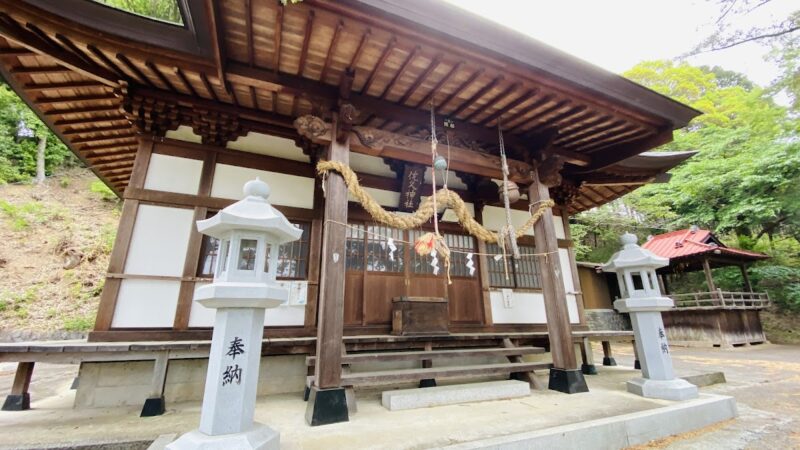
Omiya Shrine (Yamamiya-cho, Kofu City, Yamanashi Prefecture) Complete Guide | History, Deities, Access, and Goshuin Information
Omiya Shrine, located in Yamamiya-cho, Kofu City, Yamanashi Prefecture, is a venerable shrine with a long history dating back to ancient times, cherished by the local community. This article comprehensively introduces all the information you need to know before visiting, including the detailed history of Omiya Shrine, its enshrined deities, highlights of the grounds, visiting information, and access methods.
Basic Information on Omiya Shrine
Omiya Shrine is located at 2891 Yamamiya-cho, Kofu City, Yamanashi Prefecture, and its religious corporation code is registered as “8090005000723”. While there are several Omiya Shrines in Kofu City, the one in Yamamiya-cho has a particularly long history and has played an important role as a center of local faith.
Location and Contact Information
- Address: 2891 Yamamiya-cho, Kofu City, Yamanashi Prefecture 400-0075
- Jurisdiction: Yamanashi Prefectural Shrine Association
- Region: Kofu Area
As a shrine belonging to the Yamanashi Prefectural Shrine Association, it plays a part in the prefectural shrine network and contributes to local religious ceremonies and cultural activities.
History and Origins of Omiya Shrine
Origin of Founding
The history of Omiya Shrine is very old. It is said that it was first enshrined at the foot of Mt. Kami in January of the 8th year of Emperor Suinin’s reign (around 22 BC). This initial enshrinement site is now called “Yamamiya Shrine” and remains as a subsidiary shrine of Omiya Shrine.
The reign of Emperor Suinin was a crucial period in the development of Japan’s shrine system, and many major shrines were founded throughout the country. The founding of Omiya Shrine is thought to be deeply connected to this development of the shrine system.
Relocation to Current Location
On December 9th, 865 (the 7th year of the Jōgan era), during the reign of Emperor Seiwa, the 56th emperor, the shrine was relocated to its current location. Even counting from this relocation, it boasts a history of over 1100 years.
The Jōgan era was a crucial period in Japanese history, during which many shrines underwent reorganizations and relocations. It is presumed that the relocation of Ōmiya Shrine is also related to the reforms in the shrine system during this period.
Connection to the Local Community
The place name Yamamiya-chō itself means “mountain shrine,” or a place where the mountain god is enshrined, indicating that this area has been recognized as a sacred place since ancient times. Ōmiya Shrine, as the local tutelary deity, has attracted faith closely tied to people’s lives, praying for agricultural abundance, family safety, and protection from evil.
Deities and Divine Virtues
Main Deity
The main deity of Ōmiya Shrine is enshrined based on local traditions and the shrine’s history. The name “Omiya” is often given to shrines that enshrine the most important deity in a region, and it has the character of a guardian deity of the area.
Divine Virtues
The divine virtues that can be obtained by visiting Omiya Shrine include the following:
- Abundant Harvest: Development of agriculture and abundant harvests
- Family Safety: Health and peaceful living for the family
- Protection from Misfortune and Good Fortune: Warding off disasters and inviting good fortune
- Protection of the Region: Peace and prosperity for the entire region
- Business Prosperity: Development of businesses and success in business
Highlights of the Shrine Grounds
Main Hall and Worship Hall
The main hall of Omiya Shrine has a solemn appearance befitting a shrine with a long history. The worship hall is where daily worshippers can offer prayers and serves as the center of faith in the region.
Subsidiary Shrines
In addition to the main shrine, several subsidiary shrines are enshrined on the grounds. Of particular note is the fact that the original site of the shrine, “Yamamiya Shrine,” remains as a subsidiary shrine. This can be considered an important historical site that tells the story of the shrine’s history.
Natural Environment of the Shrine Grounds
As the place name Yamamiya-cho suggests, Omiya Shrine is located in a mountainous area, and the shrine grounds retain a rich natural environment. When visiting, you can appreciate the beauty of nature in each of the four seasons.
Annual Events and Festivals
Main Annual Events
Omiya Shrine holds various festivals and events throughout the year:
Spring Events
- Spring Grand Festival
- Toshigoi Festival (Prayer for a Bountiful Harvest)
Summer Events
- Summer Purification Ceremony
- Summer Festival
Autumn Events
- Autumn Grand Festival
- Niiname Festival (Harvest Festival)
Winter Events
- Year-End Purification Ceremony
- New Year’s Day Festival
Characteristics of the Grand Festival
During the Grand Festival, local people gather, and events such as the portable shrine procession and offering ceremonies may take place. These festivals are important opportunities to strengthen the bonds of the local community.
Goshuin (Shrine Seal) Information
Issuance of Goshuin
Omiya Shrine may be able to issue Goshuin (shrine seals). However, since there may not always be a resident Shinto priest, those wishing to receive a Goshuin (temple/shrine stamp) are advised to contact the Yamanashi Prefectural Shrine Association or the managing shrine in advance.
Manners for Receiving a Goshuin (Temple/Shrine Stamp)
- Request a Goshuin after completing your prayers.
- Prepare a Goshuincho (stamp book) (avoid using memo paper or plain paper).
- Prepare a donation (generally around 300-500 yen).
- Remember to express your gratitude to the Shinto priest.
Access Methods
Access by Public Transportation
Using the JR Chuo Main Line
- Take a local bus or taxi from JR Kofu Station.
- Travel time: Approximately 15-20 minutes.
Using a Local Bus
- Take a Yamanashi Kotsu bus from Kofu Station towards Yamamiya-cho.
- Accessible on foot from the nearest bus stop.
Access by Car
Using the Chuo Expressway
- Approximately 10-15 minutes from Kofu-Showa IC.
- Approximately 15-20 minutes from Kofu-Minami IC.
Parking Information
- There may be parking spaces for visitors on the temple grounds or nearby.
- Due to expected congestion during the festival, the use of public transportation is recommended.
Landmarks in the surrounding area
Yamamiya-cho is located in the northern part of Kofu City, surrounded by residential areas. When using car navigation, entering the address “2891 Yamamiya-cho, Kofu City, Yamanashi Prefecture” is convenient.
Differences from other Omiya Shrines in Kofu City
There are several Omiya Shrines in Kofu City:
- Omiya Shrine (Haguro-cho): An Omiya Shrine located in Haguro-cho
- Omiya Shrine (Ikeda): An Omiya Shrine located in the Ikeda area
- Omiya Shrine (Yamamiya-cho): The shrine introduced in this article
Each Omiya Shrine has its own unique history and traditions, serving as a center of faith in its respective region. The Omiya Shrine in Yamamiya-cho is particularly distinguished by its long history, dating back to the time of Emperor Suinin.
Yamanashi Prefectural Shrine Association and the Kofu Area Shrine Network
Role of the Yamanashi Prefectural Shrine Association
The Yamanashi Prefectural Shrine Association is an organization that encompasses shrines throughout Yamanashi Prefecture, providing support for shrine management, training of Shinto priests, and ensuring the continuation of religious rites. Omiya Shrine is also a member of the Yamanashi Prefectural Shrine Association and operates as part of the prefecture’s shrine network.
Shrine Culture in the Kofu Area
Besides Omiya Shrine, Kofu City is home to many other historical shrines:
- Takeda Shrine: A representative shrine of Kofu dedicated to Takeda Shingen
- Kinzakura Shrine: A shrine of Kinpusan faith located deep within Shosenkyo Gorge
- Suwa Shrine: Shrines of Suwa faith located throughout the city
- Hachiman Shrine: A shrine based on Hachiman faith
- Kumano Shrine: A shrine of Kumano faith
Together with these shrines, Omiya Shrine forms the shrine culture of Kofu.
Manners and Etiquette for Visiting a Shrine
Basic Etiquette for Visiting a Shrine
- Bow Before Passing Through the Torii Gate
- As a sign of respect before entering the sacred area.
- Purify Yourself at the Water Basin
- Purify your left hand, right hand, and mouth in that order.
- Purify the handle of the ladle before returning it.
- How to Walk Along the Path
- Walk along the edge of the path, as the center is considered the path of the gods.
- Etiquette at the Main Hall
- Two bows, two claps, one bow (general etiquette)
- If there is a bell, ring it before bowing.
- Etiquette Upon Exit
- Turn around and bow after leaving the torii gate.
Attire for Visiting a Shrine
Unless you are attending a special festival or prayer, everyday clothing is acceptable for visiting a shrine, but please note the following:
- Wear clean clothing.
- Avoid revealing clothing.
- Please remove hats and sunglasses in front of the main shrine building.
Nearby Tourist Attractions
Highlights in Kofu City
When visiting Omiya Shrine, why not also explore other tourist attractions in Kofu City?
Historical and Cultural Facilities
- Takeda Shrine and Tsutsujigasaki Mansion Ruins
- Kofu Castle Ruins (Maizuru Castle Park)
- Yamanashi Prefectural Museum
- Inden Museum
Nature and Scenery
- Shosenkyo Gorge (One of Japan’s most beautiful gorges)
- Kanazakura Shrine (Deep inside Shosenkyo Gorge)
- Arakawa Dam
Gourmet Food and Local Products
- Hoto (Yamanashi’s local cuisine)
- Koshu Wine
- Shingen Mochi
- Torimotsu-ni (Chicken Giblet Stew)
Shrine Tours around Kofu City
For those who enjoy visiting shrines, we also recommend a course that tours shrines in Kofu City and the surrounding areas:
- Kofu City Course: Takeda Shrine → Suwa Shrine → Omiya Shrine (Yamamiya-cho)
- Shosenkyo Course: Kanazakura Shrine → Meotogi Shrine
- Kai City/Koshu City Area: Visit unique shrines in various locations
Prayers and Sorrows at Omiya Shrine
Various Prayers
Omiya Shrine may accept prayers for various milestones and wishes in life:
Life Rituals
- First Shrine Visit (Omiyamairi)
- Shichi-Go-San Ceremony
- Exorcism Prayer
- 60th Birthday Celebration
Family and Life
- Family Safety
- Traffic Safety
- Business Prosperity
- Examination Success Prayer
Other
- Groundbreaking Ceremony
- Ridgepole Raising Ceremony
- Shrine Altar Purification
Points to Note When Receiving Prayers
- It is recommended to make a reservation by phone in advance
- Prepare the offering (prayer fee)
- Arrive with plenty of time to spare
- Please remain silent during prayers and follow the instructions of the Shinto priest.
Shrine Culture in Yamanashi Prefecture and Omiya Shrine
Characteristics of Shrines in Yamanashi Prefecture
Yamanashi Prefecture has approximately 1,275 shrines, which accounts for about 1.58% of the total number of shrines nationwide. Yamanashi Prefecture’s shrine culture has the following characteristics:
Influence of Mountain Worship
- Mountain worship of Mt. Fuji, Mt. Kinpu, Mt. Yatsugatake, etc.
- The importance of the concept of Yamamiya (mountain shrine)
Relationship with the Takeda Clan
- The faith of the Takeda clan, including Takeda Shingen
- The influence of shrine policies during the Sengoku period
Spread of Suwa Worship
- Suwa shrines are located throughout the prefecture
- Cultural connections with Shinano Province
Positioning of Omiya Shrine
There are 152 shrines named “Omiya Shrine” nationwide, and Omiya Shrine (Yamamiya-cho, Kofu City, Yamanashi Prefecture) ranks 57th in the nation in terms of the number of shrines named Omiya. The name “Ōmiya” is often given to the most prestigious shrine in a region, indicating the importance of Ōmiya Shrine to that area.
Seasonal Highlights
Spring (March-May)
- A beautiful season with cherry blossoms and fresh greenery in the shrine grounds.
- The Spring Grand Festival is held.
- A mild climate, ideal for visiting the shrine.
Summer (June-August)
- Enjoy the coolness of the lush green grounds.
- Cleanse yourself of the impurities accumulated over the past six months with the Summer Purification Ceremony.
- Early morning visits are recommended.
Autumn (September-November)
- Autumn leaves adorn the shrine grounds.
- The Autumn Grand Festival is held.
- Express gratitude for the harvest with the Niiname-sai Festival.
Winter (December-February)
- Visit the shrine in a tranquil atmosphere.
- The Year-End Purification Ceremony and New Year’s rituals.
- Bustling with visitors for the first shrine visit of the year.
Preservation and Inheritance of Omiya Shrine
Cultural Value
Omiya Shrine possesses cultural value as a shrine with a long history dating back to the time of Emperor Suinin. Its history is preserved in various forms, including ancient documents, traditions, and buildings.
Relationship with the Local Community
Even today, Omiya Shrine functions as a central presence in the local community:
- Intergenerational exchange through festivals
- A place for local history education
- A base for the transmission of traditional culture
- A spiritual haven for local residents
Future Challenges and Prospects
Many local shrines face the following challenges:
- Decreasing and aging of parishioners
- Maintenance and management of shrine buildings
- Lack of successors for festivals
- Declining interest in shrines
It is important for local residents, the Yamanashi Prefectural Shrine Association, and the government to cooperate in addressing these challenges.
Visitor Voices and Reputation
Voices of Local Residents
For local residents, Omiya Shrine is a familiar presence they have cherished since childhood. Many people make it a point to visit shrines at important life milestones such as a baby’s first shrine visit, Shichi-Go-San (a traditional rite of passage for children), and exorcisms.
Visitors from Outside the Prefecture
For those touring shrines in Yamanashi Prefecture, the historic Omiya Shrine is considered one worth visiting. It seems to be particularly highly regarded by those interested in the history and origins of shrines.
Guidelines for Visiting Omiya Shrine
Significance of Visiting
Visiting a shrine is not merely sightseeing; it has the following significance:
- Gratitude: Expressing gratitude for daily blessings
- Purification of the Mind: Escaping the hustle and bustle of everyday life and calming the mind
- Expression of Wishes: Communicating one’s wishes to the gods
- Cultural Experience: Experiencing traditional Japanese culture
A Respect for Shrines
Shrines are treasures of the region and cultural heritage of Japan. Each visitor can contribute to the preservation and continuation of the shrine by keeping the following points in mind:
- Keep the shrine grounds clean
- Cherish the buildings and nature
- Worship quietly
- Learn about the history and culture of the shrine
- Offer a donation or offering if possible
Summary
Omiya Shrine (Yamamiya-cho, Kofu City, Yamanashi Prefecture) is a venerable shrine with a history of approximately 2000 years since its founding in the 8th year of Emperor Suinin’s reign. More than 1100 years have passed since its relocation to its current location in the 7th year of the Jogan era, and during that time, it has played an important role as the center of faith for the local people.
As the place name Yamamiya-cho suggests, this area has long been recognized as a sacred place, and Omiya Shrine was its central presence. Even today, it is a place of worship for many people at important life milestones such as first shrine visits, Shichi-Go-San (a traditional rite of passage for children), and exorcisms, as well as a place to offer daily gratitude and prayers.
When you visit Kofu City, be sure to also visit the historic Omiya Shrine, along with other famous shrines such as Takeda Shrine and Kanazakura Shrine. You can find peace of mind in its tranquil grounds and feel the spirit of faith cultivated over its long history.
As a shrine belonging to the Yamanashi Prefectural Shrine Association and a member of the Kofu regional shrine network, Omiya Shrine will continue to protect the local culture and traditions. Understanding and cherishing the value of the shrine, each of us, is essential to passing on this precious cultural heritage to future generations.