Omori Shrine (Takasaki City, Gunma Prefecture) Complete Guide | History, Goshuin (Shrine Seal), and Access Information
Omori Shrine, located in Shimomuroda-cho, Takasaki City, Gunma Prefecture, is a historic shrine with a history dating back to the Heian period. Situated in the former Haruna Town area, and easily accessible from the Takasaki City Hall Haruna Branch, it maintains a tranquil atmosphere and is cherished as a guardian deity of the community.
This article provides a detailed explanation of everything you need to know before visiting Omori Shrine, including its history, enshrined deities, highlights within the grounds, goshuin information, and access methods.
Basic Information about Omori Shrine
Official Name: Omori Shrine
Address: 919 Shimomuroda-cho, Takasaki City, Gunma Prefecture 370-3342
Phone Number: 027-374-0589
Nearest Station: Annaka-Haruna Station, JR Joetsu Shinkansen
Parking: Available
Visiting Hours: Open all day (Please check the hours of the shrine office)
Omori Shrine is located on the banks of the Namekawa River, a tributary of the Torikawa River, surrounded by abundant nature. Because it is near the Takasaki City Hall Haruna Branch, a public facility, it is easily accessible not only to locals but also to those visiting for administrative procedures.
History and Origins of Omori Shrine
Founding Legend from the Heian Period
The history of Omori Shrine is ancient, dating back to the Heian period. Records show that in the sixth year of the Kōnin era (815), Gunma no Tayu Mitsuyuki, the third son of Minamoto no Mitsusue, a Junior Fourth Rank, Upper Grade Kebiishi (police officer), and the governor of the seven western districts of Kōzuke Province, was searching for a site to build a temple at the request of Dengyo Daishi (Saichō).
At dusk, Mitsuyuki, guided by the light of the Ōmori fires, arrived at a shrine. He inquired about the shrine’s name and festivals, and the priest, Jingū Naotsune, replied that it was “Ōmori Valley.” As darkness fell, he was guided to Aoki no Shō. This legend suggests that Ōmori Shrine already existed in the early Heian period.
Report on the Origin in the Kamakura Period
In February of the sixth year of the Kenkyū era (1195), a report on the origin of Hikage Shrine (considered another name for Ōmori Shrine) was submitted to Fujikurō Morinaga, the magistrate in charge of shrines and temples within Kōzuke Province. This record indicates that Omori Shrine was recognized as an important shrine in the region even during the Kamakura period.
Reconstruction of the Shrine in the Muromachi Period
It is said that in the first year of Kenmu (1334), Satomi Iga-no-kami Tokinari donated funds and rebuilt the shrine. This period coincided with the turbulent Nanboku-cho period, indicating that powerful local warlords were dedicated to the maintenance and development of the shrine.
Thus, Omori Shrine has a history of being cherished as a center of local faith from the Heian period to the Muromachi period.
Deities and Benefits
While it is recommended to confirm the deities and specific benefits of Omori Shrine on-site, it is believed that the shrine has attracted worshippers seeking health, family safety, and abundant harvests as a guardian deity of the region.
As a shrine closely intertwined with the lives of local residents since ancient times, it has a history of receiving various wishes. When visiting, one can quietly join their hands in prayer and express daily gratitude and wishes.
Highlights of the Shrine Grounds
Vermilion Ryobu Torii Gate
At the entrance to the grounds of Omori Shrine stands a beautiful vermilion Ryobu torii gate. The Ryobu torii is a style of torii gate that incorporates supporting pillars (chigo-bashira, or anchor pillars) that support the main pillars, and is known as a style influenced by the syncretism of Shinto and Buddhism.
Next to the torii gate stands a shrine name marker inscribed with “Omori Shrine,” welcoming visitors.
Irimoya-zukuri Style Worship Hall
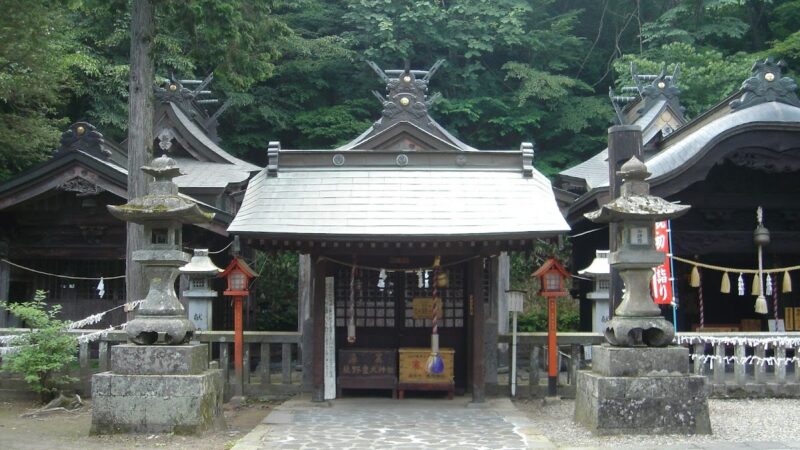
After passing through the torii gate, a magnificent irimoya-zukuri style worship hall comes into view. The irimoya-zukuri style is a traditional Japanese architectural roof style, conveying a sense of high status.
The worship hall is the building where worshippers pay their respects to the gods, following the ritual of two bows, two claps, and one bow.
Nagare-zukuri Style Main Sanctuary
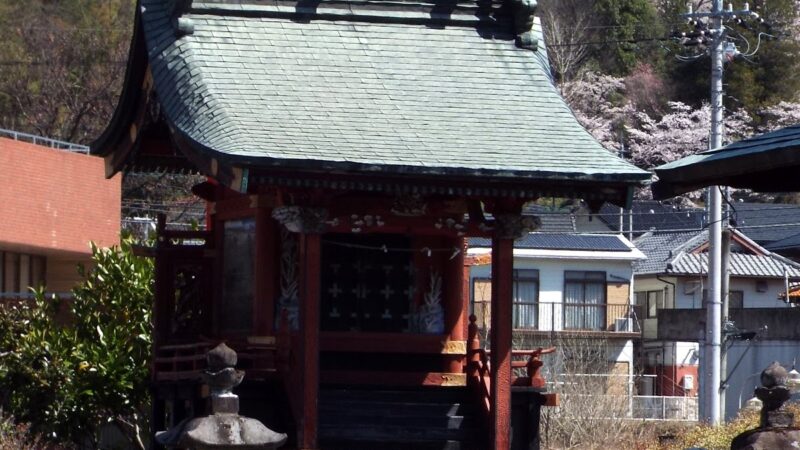
Behind the worship hall is the nagare-zukuri style main sanctuary. Nagare-zukuri is one of the representative architectural styles for Shinto shrine main halls, characterized by its elegant shape with a long, extended roof.
The main hall is the most sacred place where the deity resides, and worship is usually conducted from afar at the worship hall.
The Babbling of the Namerikawa River
The shrine grounds are located on the banks of the Namerikawa River, a tributary of the Torikawa River, allowing visitors to feel the clear flow of water. The quiet environment, with the sound of the river flowing, is ideal for calming one’s mind during worship.
About Goshuin (Shrine Seals) and Goshuincho (Shrine Seal Books)
Regarding the issuance of Goshuin at Omori Shrine, confirmation is required on-site. Generally, smaller shrines may not have a resident priest, so it is recommended that those wishing to receive a Goshuin inquire by phone in advance.
Contact Information: 027-374-0589
There are many shrines in Gunma Prefecture, and the number of visitors enjoying Goshuin pilgrimages is increasing. When visiting shrines around Takasaki City, including Omori Shrine, it’s a good idea to check the availability of each shrine beforehand.
Access Methods
Access by Train
Nearest Station: JR Joetsu Shinkansen, Annaka-Haruna Station
Omori Shrine is approximately 7km from Annaka-Haruna Station, taking over an hour on foot. Taking a taxi from the station is more convenient, taking about 10 minutes.
Alternatively, you can take a bus from JR Takasaki Line, Takasaki Station. From the west exit of Takasaki Station, take the Gunma Bus bound for “Murota/Haruna Lake” and get off at the “Shimo-Murota” bus stop. It’s about a 5-minute walk from there.
Access by Car
Kan-Etsu Expressway: Approximately 20 minutes from Takasaki IC
Joshin-Etsu Expressway: Approximately 15 minutes from Annaka-Haruna IC
When using a car navigation system, searching for “919 Shimomuroda-cho, Takasaki City, Gunma Prefecture” or “Takasaki City Hall Haruna Branch” will make it easier to find.
Parking Information
There is parking space for visitors on the shrine grounds. However, it is not a large parking lot, so caution is advised during busy periods such as New Year’s Day.
Nearby Tourist Attractions
Haruna Shrine
Located approximately 30 minutes by car from Omori Shrine, Haruna Shrine is one of Gunma Prefecture’s representative shrines. With its majestic landscape of towering and unusual rock formations, and its history of over 1400 years, it is a power spot that attracts visitors from all over Japan.
After visiting Omori Shrine, if you have time, it is recommended to extend your trip to Haruna Shrine.
Lake Haruna and Mount Haruna
Lake Haruna, formed by the volcanic activity of Mount Haruna, is a beautiful lake located at an altitude of 1,100m. You can enjoy boating, strolling along the lakeshore, and ice fishing for smelt in winter.
Mount Haruna can be reached near its summit by ropeway and is a popular spot for its spectacular panoramic views of the Kanto Plain.
Around Takasaki City Hall Haruna Branch
The area around Takasaki City Hall Haruna Branch, located very close to Omori Shrine, is the former center of Haruna Town and offers a glimpse into the region’s history and culture. Local shops and restaurants are also present, allowing you to experience the local atmosphere.
Chonenji Temple
Near Omori Shrine is also home to temples, including Chonenji Temple, making it a great place to enjoy a temple and shrine tour. Visiting these historical temples in Gunma Prefecture will deepen your understanding of the region’s religious culture.
Annual Events and Festivals
For details on Omori Shrine’s annual events and festivals, it is recommended to check in person or by phone. Generally, shrines often hold the following annual events:
- New Year’s Day Festival (January 1st): A festival celebrating the New Year
- Spring Grand Festival: A festival praying for a spring harvest
- Summer Purification Ceremony (June 30th): A Shinto ritual to purify oneself of the impurities accumulated over the past six months
- Autumn Grand Festival: A festival giving thanks for the autumn harvest
- Year-End Purification Ceremony (December 31st): A Shinto ritual to purify oneself of the impurities accumulated over the past year
As a local shrine, it is possible that these traditional festivals are still being observed.
Manners and Etiquette for Visiting a Shrine
Basic Visiting Etiquette
- Bow Before Passing Through the Torii Gate: As a sign of respect before entering the sacred area, bow before the torii gate.
- Walk along the edge of the approach to the shrine: The center of the approach is considered the path for the gods, so walk along the edge.
- Purify yourself at the water basin: If there is a water basin, purify your left hand, right hand, and mouth in that order.
- Worship at the main hall: Worship using the two bows, two claps, and one bow method.
- Bow deeply twice
- Clap twice at chest height
- Pray with your wishes in mind
- Finally, bow deeply once.
- Bow at the torii gate on your way out: When leaving the sacred area, turn around and bow once.
Attire for worship
Unless you are receiving a special prayer, everyday clothes are acceptable for worship, but please be mindful of wearing clean and presentable clothing to show respect to the gods.
The charm of Omori Shrine
Quiet worship environment
Omori Shrine is a community-oriented shrine that has not been commercialized for tourism, and its greatest charm is the quiet and peaceful atmosphere in which you can worship. Escape the hustle and bustle and have time to quietly connect with the gods.
The Weight of History
Omori Shrine boasts a long history dating back to the Heian period and has been protected by the local community. By visiting and feeling the weight of this history, you can feel the thread connecting us, who live in the present, to the past.
A Natural Environment
The rich natural environment, where you can hear the gentle murmur of the Namerikawa River, allows you to forget the noise of the city. Visiting while experiencing the changing seasons of nature will refresh your mind and body.
Role as a Guardian Deity of the Community
For many years, Omori Shrine has watched over the health and safety of the community and remains a spiritual anchor for local people. Feeling this connection to the community is one of the shrine’s charms.
Recommended Shrines in Gunma Prefecture
When visiting Omori Shrine, why not also visit other shrines in Gunma Prefecture?
Haruna Shrine (Takasaki City)
Known as one of the most powerful spiritual spots in the Kanto region, the shrine building nestled between giant rocks is truly breathtaking. The approach to the shrine grounds also offers many points of interest, allowing you to experience a mystical atmosphere integrated with nature.
Ichinomiya Nukisaki Shrine (Tomioka City)
A prestigious shrine as the Ichinomiya (first-ranked shrine) of Kōzuke Province, it features a rare “descending approach.” The beautiful vermilion-lacquered shrine building is designated as a National Important Cultural Property.
Ikaho Shrine (Shibukawa City)
Located at the top of the stone steps of Ikaho Onsen, this shrine is revered as a deity of hot springs and fertility. It can be visited in conjunction with a stroll along the stone steps.
Points to Note When Visiting Ōmori Shrine
Shrine Office Hours
If you wish to receive a Goshuin (shrine stamp) or prayer, it is recommended to confirm by phone in advance. There may be times when a resident priest is not present.
Visiting in Winter
Located in the mountainous region of Gunma Prefecture, the shrine may experience snowfall and icy roads during winter. If visiting in winter, please check the weather and road conditions and come with appropriate equipment.
Photography
Photography is generally permitted on the shrine grounds, but please be considerate of other visitors and refrain from taking photos in sacred areas such as the main hall.
Summary
Omori Shrine is a historic shrine located in Shimomuroda-cho, Takasaki City, Gunma Prefecture. It boasts a history dating back to the Heian period and has been cherished by the local community. With its traditional shrine layout—a vermilion Ryobu-style torii gate, a hip-and-gable roofed worship hall, and a flowing-style main hall—it offers a peaceful environment where visitors can hear the gentle murmur of the Namerikawa River.
Despite its easily accessible location in front of the Takasaki City Hall Haruna Branch, its charm lies in its tranquil atmosphere, unspoiled by tourism. Visiting it along with nearby tourist spots such as Haruna Shrine and Lake Haruna will allow you to fully enjoy the history and nature of Gunma Prefecture. When visiting a shrine, it is important to observe basic manners and visit with gratitude and respect for the deities. Why not take some time to calm your mind in the quiet grounds and pray for your daily health and happiness?
Frequently Asked Questions (FAQ)
Q1: Can I get a Goshuin (shrine stamp) at Omori Shrine?
A1: We recommend calling the shrine in advance (027-374-0589) to confirm the availability of Goshuin. Since there may be times when there are no resident priests, it is best to contact them beforehand if you want to be sure to receive a Goshuin.
Q2: How do I get to Omori Shrine?
A2: By car, it is about 20 minutes from Takasaki IC on the Kan-Etsu Expressway, and about 15 minutes from Annaka-Haruna IC on the Joshin-Etsu Expressway. If traveling by train, it’s about a 10-minute taxi ride from JR Annaka-Haruna Station, or from the west exit of JR Takasaki Station, take the Gunma Bus bound for “Murota/Haruna Lake” and get off at the “Shimo-Murota” bus stop, then it’s about a 5-minute walk.
Q3: Is there parking available?
A3: There is parking space for visitors on the shrine grounds. However, it is not a large parking lot, so caution is advised during busy periods such as New Year’s Day.
Q4: What are the deities enshrined at Omori Shrine?
A4: For details about the enshrined deities, it is recommended to check in person or by phone. The shrine has long been revered as a guardian deity of the region, attracting worshippers seeking health and family safety.
Q5: Please tell me about the history of Omori Shrine.
A5: Omori Shrine is a historical shrine with records dating back to the sixth year of the Konin era (815 AD) in the Heian period. It is said that the shrine’s origins were reported in 1195 (Kenkyu 6), and that the shrine building was rebuilt in 1334 (Kenmu 1) by Satomi Iga-no-kami Tokinari.
Q6: When are the annual events and festivals held?
A6: For details on annual events and festivals, please contact the shrine directly. Generally, shrines hold events such as the New Year’s Day festival, the spring and autumn grand festivals, and the Great Purification Ceremony.
Q7: Are there any recommended nearby tourist spots?
A7: Haruna Shrine (about 30 minutes by car), Lake Haruna, and Mount Haruna are recommended. Haruna Shrine, in particular, is popular as one of the top power spots in the Kanto region, and many people visit it along with Omori Shrine.
Q8: Are there any dress code rules for visiting the shrine?
A8: Everyday clothes are fine, but please dress neatly and respectfully to avoid offending the gods. If you are receiving special prayers, more formal attire is recommended.
Q9: Are there any precautions to take when visiting in winter?
A9: As the shrine is located in a mountainous area of Gunma Prefecture, there is a possibility of snow and icy roads in winter. We recommend checking the weather and road conditions and visiting with appropriate equipment such as snow tires and non-slip shoes.
Q10: What are the highlights of Omori Shrine?
A10: The highlights include the beautiful vermilion Ryobu Torii gate, the dignified Irimoya-zukuri style worship hall, and the Nagare-zukuri style main hall, all arranged in a traditional style. The rich natural environment, where you can hear the gentle murmur of the Namerikawa River, is also a major attraction. A quiet and peaceful atmosphere is a key feature of this shrine.