Raiden-gu Shrine (Hirauchi-cho, Higashitsugaru-gun, Aomori Prefecture) Complete Guide | History, Deities, Access, and Goshuin Information
Raiden-gu Shrine, located in Hirauchi-cho, Higashitsugaru-gun, Aomori Prefecture, is a venerable shrine with a history of over 400 years. It is a shrine revered by the local people as a place of protection against lightning, and the legend that “those who worship at Raiden-gu Shrine will not be struck by lightning” is still passed down today. This article provides detailed information you should know before visiting Raiden-gu Shrine, including its history, deities, blessings, access methods, and nearby attractions.
Basic Information about Raiden-gu Shrine
Location: 55 Raiden-gishi, Fukudate, Hiranai-machi, Higashitsugaru-gun, Aomori Prefecture
Religious Organization: Association of Shinto Shrines
Deity: Wakeikazuchi-no-mikoto
Founded: 807 AD (Daido 2) *Various theories exist
Shrine Office: Yes (Information suggests young shrine maidens serve there)
Raiden-gu Shrine is located on the side of the road, slightly off National Route 4, near Asadokoro Beach, famous as a wintering ground for swans. Its easy-to-find location makes it accessible even for first-time visitors.
History and Origins of Raiden Shrine
Founding Legend by Sakanoue no Tamuramaro
Regarding the founding of Raiden Shrine, a legend remains that in 807 AD (Daido 2), Sakanoue no Tamuramaro prayed for the pacification of the Emishi people and invited a divided spirit from Kamo Shrine (Kamo Wakeikazuchi Shrine) in Kyoto. Sakanoue no Tamuramaro was a military commander in the early Heian period and a historical figure who, at the command of the imperial court, participated in the subjugation of the Emishi in the Tohoku region.
According to “Legends of Aomori” (by Moriyama Yasutaro and Kita Shosuke), “Raiden Shrine was founded when Sakanoue no Tamuramaro prayed for the pacification of the Emishi and enshrined the thunder god here,” suggesting it was founded to pray for military success and regional peace.
Sugae Masumi and Raiden Shrine
Sugae Masumi, a travel writer and folklorist of the late Edo period, visited Raiden Shrine during his travels in the Tsugaru region and recorded his visit in “Tsugaru no Oku (I)”.
According to Masumi’s record, he was unable to pay his respects on his first visit because his companions were in a hurry, but he revisited the shrine on March 22, 1795 (Kansei 7) and paid his respects properly. Masumi described the surrounding environment at the time, stating, “When you come to a place called Hamako, Raiden Forest is very close from around where there are two houses called Numadate,” making this a valuable document for understanding the state of Raiden Shrine during the Edo period.
A Lightning Protection Belief with Approximately 400 Years of History
According to the current chief priest, Raiden Shrine has a history of approximately 400 years. Its name originates from the belief in lightning protection, “to avoid disasters such as lightning and save the residents,” and it has been revered as a shrine that protects the local people from lightning damage.
Deity and Benefits
Wakeikazuchi-no-Mikoto
The deity enshrined at Raiden-gu Shrine is Wakeikazuchi-no-Mikoto. Wakeikazuchi-no-Mikoto is a thunder god also known as the principal deity of Kamigamo Shrine (Kamo Wakeikazuchi Shrine) in Kyoto. His name means “young thunder.” As the god who controls thunder, he is believed to offer protection against lightning strikes.
Main Benefits
- Protection from Lightning Strikes and Lightning Damage: This is the most famous benefit. There are legends that say, “Lightning never strikes Hirauchi-cho,” and “Those who worship at Raiden-gu Shrine are not struck by lightning.”
- Protection from Misfortune and Disaster: Protection from natural disasters such as lightning.
- Abundant Harvest: Aspect of the shrine as a guardian deity of agriculture.
- Family Safety: Protecting the safety and peace of local residents.
The benefit of protection from lightning strikes, in particular, is widely believed in the region and remains a reason why many worshippers visit the shrine today.
Highlights of the Shrine Grounds
Shrine Building and Torii Gate
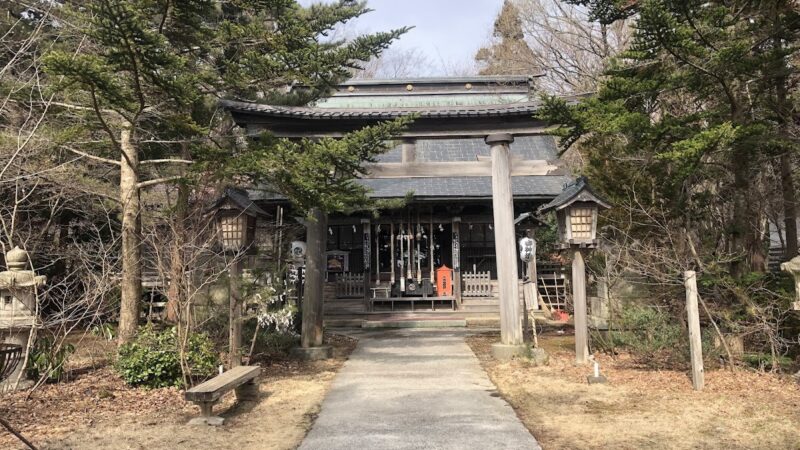
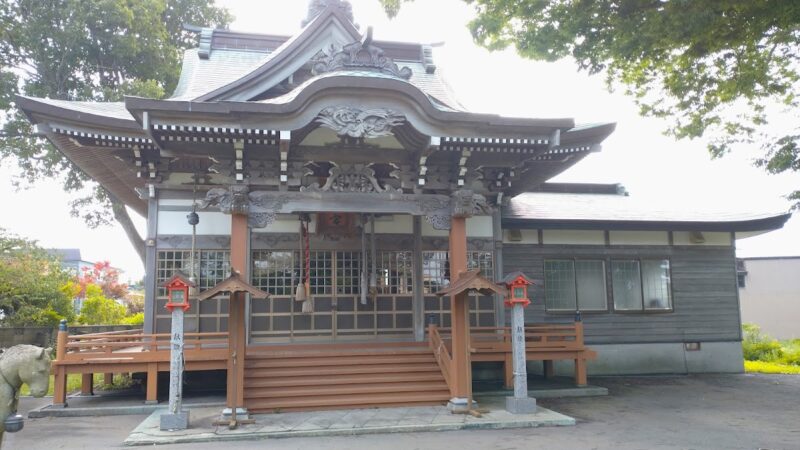
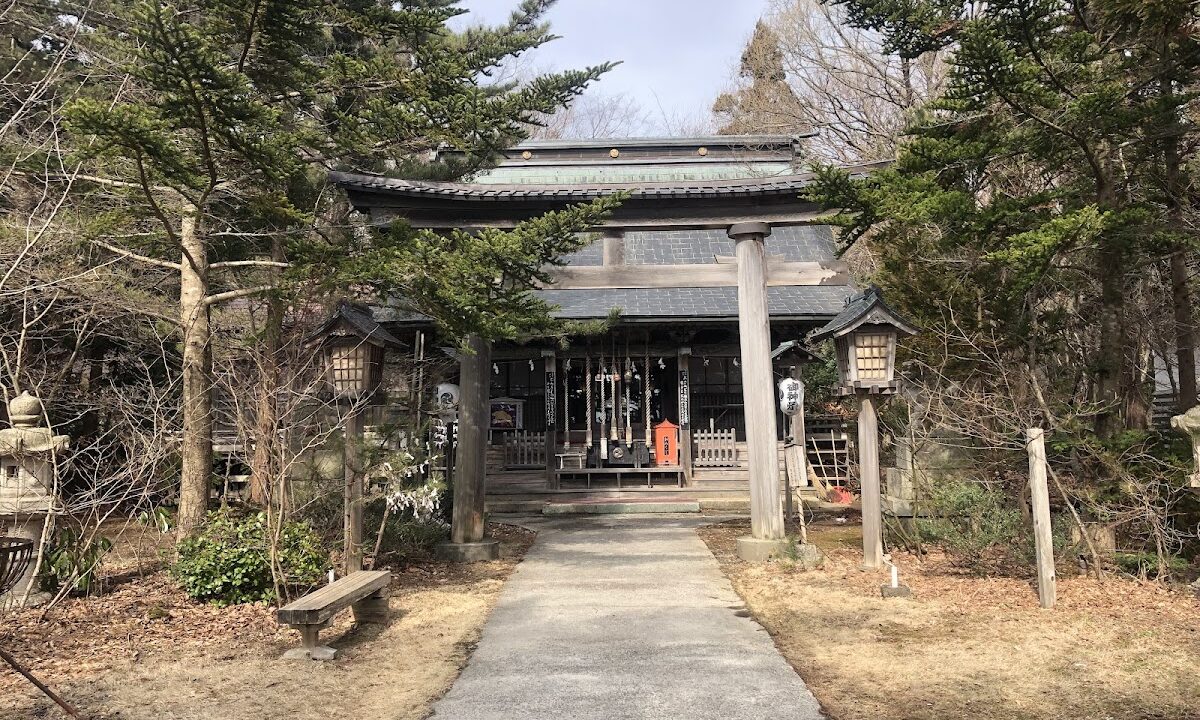
Raiden-gu Shrine is nestled in a quiet forest. As Sugae Masumi described it as “Raiden’s Forest,” it has long existed as a sacred space surrounded by trees. Passing through the torii gate, a solemn atmosphere welcomes visitors.
Shrine Office and Goshuin (Shrine Seal)
Raiden-gu Shrine has a shrine office where visitors are assisted. According to reviews, young shrine maidens sometimes serve there. Those wishing to receive a goshuin (shrine seal) are advised to check the shrine office’s opening hours in advance.
Surrounding Natural Environment
Raiden-gu Shrine is located near Asadokoro Beach, famous as a wintering ground for swans. From autumn to winter, thousands of swans can be seen migrating to the area, allowing visitors to enjoy nature observation in conjunction with their visit.
Access Information
Access by Train and Bus
Nearest Station: Aomori Railway, Kominato Station
Distance from Station: Approximately 20-30 minutes on foot
While it’s possible to access the location on foot from Kominato Station, it’s a bit of a distance, so you might want to consider taking a taxi.
By Bus: Approximately 22 minutes on foot from the Shimokita Kotsu Bus “Kominato Shindo” bus stop.
Access by Car
Located slightly off National Route 4, it’s easily accessible by car. Its location on the side of the road makes it easy to find, even for first-time visitors.
From Aomori City: Approximately 40-50 minutes by car
Parking: Available (Please inquire at the shrine office for details)
Address and Map Search
55 Raiden-gishi, Fukudate, Hiranai-machi, Higashitsugaru-gun, Aomori Prefecture 039-3321
You can find the exact location by searching for “Raiden-gu” or the above address on your car navigation system or smartphone map app. Detailed location information and searches for nearby facilities are also available on map services such as Mapion and Yahoo! Maps.
Manners and Precautions for Visiting a Shrine
Etiquette for Visiting a Shrine
- Bow before the Torii Gate: Before entering the shrine grounds, bow before the torii gate.
- Purify yourself at the water basin: If there is a water basin, purify your hands and mouth.
- Worship at the Main Hall: Worship using the two bows, two claps, and one bow ritual.
- Stroll quietly around the shrine grounds: Be mindful that this is a sacred space and remain quiet.
Attire for Visiting a Shrine
There are no strict dress code regulations, but it is desirable to wear clothing that reflects the sacred nature of the place. Especially when performing a formal worship service or receiving prayers, try to avoid overly casual attire.
Photography
Photography is generally permitted on the shrine grounds, but consideration should be given to avoiding disturbing other worshippers. If there are signs prohibiting photography inside the shrine or in specific areas, please follow those instructions.
Nearby Tourist Attractions
Asadokoro Coast (Swan Migration Area)
Asadokoro Coast, located near Raidengu Shrine, is known as one of Japan’s leading swan migration areas. Every year from late October to March, thousands of swans migrate here, displaying their graceful presence. It’s a must-visit spot in conjunction with a visit to Raidengu Shrine.
Hot Spring Facilities in Hirauchi Town
There are hot spring facilities around Hirauchi Town, allowing you to relax and unwind after your visit to the shrine. Some facilities offer cuisine using local ingredients, making them a great option to combine with sightseeing.
Natsudomari Peninsula
Hiranai Town is located on part of the Natsudomari Peninsula, offering beautiful coastal scenery. It’s a popular driving route, and sightseeing including Raidengu Shrine is possible.
Annual Events and Festivals
Various Shinto rituals are performed at Raidengu Shrine throughout the year. Details of major annual events can be confirmed by contacting the shrine office.
At local festivals, parishioners and residents gather, and traditional Shinto rituals are passed down. The festival is particularly lively during the annual grand festival, attracting many worshippers.
Legends and Folk Beliefs of Raiden-gu Shrine
The Legend of No Lightning Strikes Hiranai-cho
The most famous legend concerning Raiden-gu Shrine is that “lightning never strikes Hiranai-cho.” This is attributed to the divine virtue of Wakeikazuchi-no-Mikoto, enshrined at Raiden-gu Shrine, and has been widely believed by the local people.
While there may be meteorological reasons, this legend forms the core of Raiden-gu Shrine’s faith and is a symbol of the belief in protection from lightning.
Believers are Not Struck by Lightning
There is also a saying that “those who believe in Raiden-gu Shrine are not struck by lightning.” This is based on the belief that the divine virtue of Raiden-gu Shrine protects believers from lightning damage.
This belief has been passed down from the Edo period to the present day, and has been particularly devoutly held by people in occupations involving a lot of outdoor work, such as agriculture and fishing.
The Relationship Between Raiden-gu Shrine and Kamo Shrine
Raiden-gu Shrine is said to have been founded by inviting a divided spirit from Kamo Wakeikazuchi Shrine (Kamigamo Shrine) in Kyoto. Kamo Wakeikazuchi Shrine is one of Kyoto’s oldest shrines and a historically significant shrine registered as a World Heritage Site.
Because both shrines enshrine the same deity, Wakeikazuchi-no-Mikoto, Raiden-gu Shrine can be considered the “Kamo Shrine of Tohoku,” and is an important example demonstrating the spread of Kyoto’s Kamo faith to the Tohoku region.
Visitor Feedback and Reviews
Visitors who have actually visited Raiden-gu Shrine have shared the following comments:
- “Located near a swan migration site, I was able to worship in a rich natural environment.”
- “A young shrine maiden provided courteous service.”
- “Although it’s a little off the main road, it was easy to find and I didn’t get lost.”
- “It’s a quiet and peaceful shrine; I felt my soul cleansed.”
- “I visited seeking protection from lightning, and I was deeply moved by the solemn atmosphere.”
These reviews show that Raiden-gu Shrine is loved by the local community and leaves a positive impression on visitors.
Best Season to Visit Raiden-gu Shrine
Spring (April-June)
The season of fresh greenery, the trees on the shrine grounds are enveloped in beautiful green. The weather is mild, making it a suitable time to visit.
Summer (July-September)
You can worship amidst lush nature. However, it is recommended to take insect repellent measures during the summer months.
Autumn (October-November)
This is the season of autumn leaves, and the trees in the shrine grounds change color, offering a beautiful landscape. It’s also the time when swans begin to migrate, making it an ideal time to visit in conjunction with Asadokoro Beach.
Winter (December-March)
Visiting the shrine amidst a snowy landscape is also charming. Since this is the peak season for swan migration, a visit combined with nature observation is recommended. However, caution is needed regarding snow and icy roads.
Prayers and Goshuin (Shrine Seals) at Raiden-gu Shrine
About Prayers
Various prayers are available at Raiden-gu Shrine. They cater to various prayers, including protection from evil, family safety, and traffic safety. If you wish to receive a prayer, it is recommended to contact the shrine office in advance to confirm reception hours and offering fees.
About Goshuin (Shrine Seals)
You can receive a Goshuin (shrine seal). Visit during the shrine office’s opening hours and bring your Goshuincho (seal book). Goshuin (temple/shrine stamps) are proof of worship and are cherished not only as collectibles but also as records of faith.
History and Culture of Hirauchi Town
Hirauchi Town, where Raiden-gu Shrine is located, is a town rich in nature facing Mutsu Bay. Fishing has flourished there since ancient times, and it is particularly known for its scallop farming. It is also nationally famous as a wintering ground for swans, attracting many tourists every year.
Besides Raiden-gu Shrine, Hirauchi Town is dotted with historical temples, shrines, and historical sites, making it a great place to enjoy historical walks. Planning a sightseeing itinerary that includes a visit to Raiden-gu Shrine while experiencing the local culture and traditions is highly recommended.
Contacting Raiden-gu Shrine
You can find contact information for the Raiden-gu Shrine office through telephone directory services. For detailed information such as visiting hours, prayer reservations, and annual event schedules, please contact them directly.
Especially for group visits or formal worship, advance contact is required. Furthermore, it’s reassuring to check whether the shrine is accessible during bad weather or heavy snowfall in winter.
Summary: Raiden-gu Shrine is a Hidden Sacred Site in Aomori
Raiden-gu Shrine in Hiranai Town, Aomori Prefecture, is a venerable shrine with a history of over 400 years, boasting a founding legend attributed to Sakanoue no Tamuramaro. Enshrining Wakeikazuchi no Mikoto, it has been cherished by locals as a center of lightning protection worship, known for its efficacy in warding off lightning strikes.
The legends that “lightning never strikes Hiranai Town” and “those who believe in the shrine are not struck by lightning” are still passed down today, demonstrating Raiden-gu Shrine’s special significance. It’s a historical shrine visited by Sugae Masumi, and has attracted unwavering devotion from the Edo period to the present day.
Its location near a swan migration area is also one of its attractions, allowing for visits combined with nature observation. While easily accessible from National Route 4, it maintains a quiet and peaceful atmosphere, providing a tranquil environment for worship.
When you visit Aomori Prefecture, be sure to stop by Raiden-gu Shrine and experience its history and divine blessings. As a shrine dedicated to protection from lightning and a guardian deity of the region, Raiden-gu Shrine continues to watch over people and is a sacred place well worth visiting.