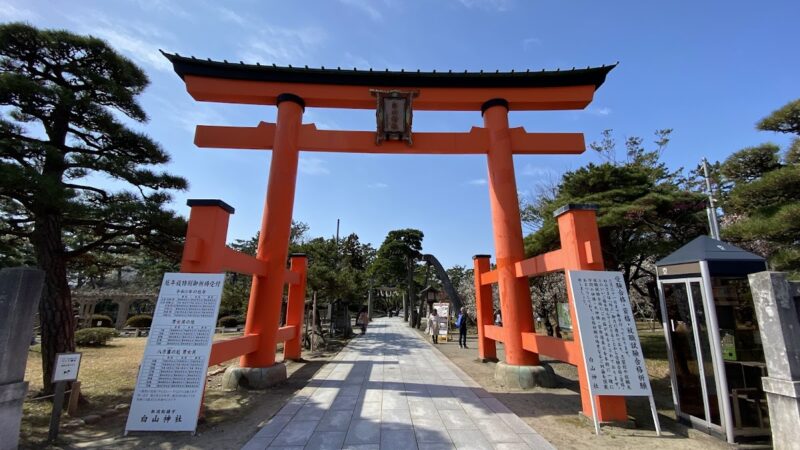
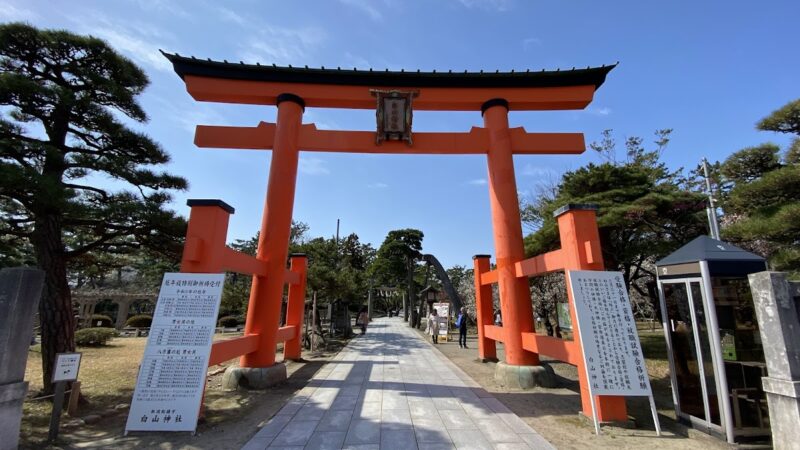
Ryogonji Temple (Nishikan-ku, Niigata City, Niigata Prefecture) Complete Guide | A Thorough Explanation of the History, Access, and Highlights of this Ancient Soto Zen Temple
Ryogonji Temple, located in Nishikan-ku, Niigata City, Niigata Prefecture, is a historic temple belonging to the Soto Zen sect. This guide provides a detailed overview of this temple, which has long been a center of local faith, from its historical background to its role in modern times.
Basic Information about Ryogonji Temple
Location and Contact Information
Ryogonji Temple is located in the Wano district of Nishikan-ku, Niigata City. The exact address and contact information are as follows:
Address: 3496-A, Wano, Nishikan-ku, Niigata City, Niigata Prefecture 953-0125
Phone Number: 0256-82-5715 (Some sources say 0256-82-2666)
Sect: Soto Zen
Principal Image: Shakyamuni Buddha
About the Sect
Ryogonji Temple belongs to the Soto Zen sect. The Soto Zen sect is a branch of Zen Buddhism, founded by Zen Master Dogen, with Eiheiji Temple in Fukui Prefecture and Sojiji Temple in Yokohama City as its head temples. It is characterized by its emphasis on zazen (seated meditation), known as “shikantaza,” and is known as a practical form of Buddhism that views daily life itself as practice.
There are approximately 14,000 Soto Zen temples throughout Japan, and many exist within Niigata Prefecture. Ryogonji Temple is one of them, serving as a center for Zen teachings in the region. ## How to Access Ryogonji Temple
Access by Public Transportation
Ryogonji Temple is located in the heart of Nishikan-ku, Niigata City, and is accessible from a station on the JR Echigo Line.
Nearest Station: JR Echigo Line “Iwamuro Station”
Distance from Station: Approximately 3 minutes on foot (approximately 185m)
Iwamuro Station is the closest station to Ryogonji Temple, and it is conveniently located within walking distance. After leaving the station, head towards the Wano area, and you will quickly arrive at the temple.
Other accessible stations include JR Echigo Line “Kitayoshida Station” and “Maki Station,” but Iwamuro Station is the most convenient.
Access by Car
When accessing by car from central Niigata City or surrounding areas, the following route is convenient.
From central Niigata City: Approximately 30-40 minutes via National Route 116
From the Hokuriku Expressway: Approximately 15 minutes from Maki-Gatahigashi Interchange
Parking: Parking is available on the temple grounds or nearby (please inquire with the temple in advance for details).
Nishikan-ku is located in the southwestern part of Niigata City and is a quiet area with sprawling rural landscapes. It is relatively easy to access by car, allowing for a relaxed visit.
Surrounding Geographical Environment
Nishikan-ku, where Ryogonji Temple is located, was incorporated into Niigata City in 2005 through a municipal merger. It was formed by the merger of the former Maki Town, Iwamuro Village, Nishikawa Town, Katagashi Village, and Nakanokuchi Village.
The Wano area is close to Iwamuro Onsen and is part of the Iwamuro region, known as a hot spring resort town. The surrounding area is a rural landscape with a rich natural environment offering views of mountains such as Mt. Kakuda and Mt. Taho.
History and Origin of Ryogonji Temple
History of Founding
While detailed records regarding the exact founding date of Ryogonji Temple are limited, it is a Soto Zen temple with a long history deeply rooted in the local community. The temple’s name, “Ryogon,” is believed to originate from the *Shurangama Sutra*, one of the Buddhist scriptures.
The *Shurangama Sutra* is a highly regarded scripture in Zen Buddhism, an important text that expounds on the essence of Buddhahood and the nature of spiritual practice. By using this scripture’s name as the temple’s name, it reflects its character as a training ground for deeply studying and practicing Zen teachings.
Connection with the Community
From the Edo period through the Meiji, Taisho, Showa, Heisei, and Reiwa eras, Ryogonji Temple has functioned as a center of faith for the people of the Wano district and surrounding areas. Under the danka system (parishioner system), it plays an important role as a place for funerals, memorial services, and ancestral worship for local residents.
Niigata Prefecture is one of the regions where the Soto Zen sect is thriving, and many Soto Zen temples are closely connected to their local communities. Ryogonji Temple is no exception, having functioned as a spiritual pillar for the local community.
History Since the Modern Era
Having overcome the anti-Buddhist movement of the Meiji era and the difficult times of war, Ryogonji Temple has continued to uphold its Buddhist traditions to this day. During the post-war period of rapid economic growth, the role of the temple changed along with urbanization and changes in lifestyles.
In modern times, in addition to its traditional role as a temple for parishioners, it also serves as a protector of local cultural assets, a spiritual center, and even a tourist attraction.
Highlights and Features of the Temple Grounds
Main Hall
The main hall of Ryogonji Temple is a typical example of a Soto Zen temple. It houses the principal image, Shakyamuni Buddha, and daily services and religious ceremonies are held there.
The main hall of a Soto Zen temple often also functions as a monk’s hall for Zen meditation, and is characterized by its simple, Zen-like spatial design. You can visit with peace of mind in a tranquil atmosphere.
Atmosphere of the Temple Grounds
The grounds of Ryogonji Temple are located in a quiet residential area of Nishikan Ward, offering a peaceful space away from the hustle and bustle of the city. You can feel the changing seasons, with cherry blossoms in spring, lush greenery in summer, autumn leaves in fall, and snowscapes in winter, each displaying a different face.
The temple grounds also include a cemetery, serving as a place for ancestral worship. The well-maintained approach and grounds provide tranquility to visitors.
Cultural Properties and Treasures
Ryogonji Temple is believed to house Buddhist statues, ritual objects, and ancient documents that have been preserved and passed down by successive chief priests. These cultural properties are valuable resources for understanding the history of the region.
For details on specific cultural properties, it may be possible to arrange a visit or tour by contacting the temple in advance.
Annual Events Held at Ryogonji Temple
Major Buddhist Events
Ryogonji Temple, a Soto Zen Buddhist temple, holds various Buddhist events throughout the year.
Shushōe (New Year’s Ceremony): January 1st-3rd
A Buddhist service to welcome the New Year and pray for peace throughout the year.
Nehan-e (Nirvana Ceremony): Around February 15th
A Buddhist service commemorating the passing of Buddha.
Spring Equinox Ceremony: Seven days centered around the spring equinox in March
An important time for ancestor worship, with many parishioners visiting graves.
Hanamatsuri (Buddha’s Birthday Ceremony): April 8th
A ceremony celebrating the birth of Buddha.
Obon Festival (Urabon-e): August 13th-15th
A memorial service for ancestors during the Obon period, where their spirits are welcomed and honored.
Autumn Equinox Festival (Autumn Higan-e): 7 days centered around the autumnal equinox in September
Similar to the spring festival, this is an important time for ancestor worship.
Founder’s Memorial Service/Ryoso Memorial Service (Founder’s Memorial Service): Throughout the year
Memorial services for Dogen Zenji and Keizan Zenji, the founders of the Soto Zen sect.
Zen Meditation and Sutra Copying Sessions
Many Soto Zen temples hold Zen meditation and sutra copying sessions that are open to the public. Ryogonji Temple may also offer such activities; please contact the temple directly if you are interested.
Zen meditation is a fundamental practice of the Soto Zen sect, and careful instruction is generally provided so that even beginners can participate. It will be a valuable time to escape the hustle and bustle of daily life and confront yourself.
About Memorial Services and Buddhist Rites at Ryogonji Temple
Funeral and Memorial Service Information
Ryogonji Temple conducts funerals and various memorial services for its parishioners. Solemn ceremonies are performed according to the customs of the Soto Zen sect.
Funeral: Wake, funeral service, and memorial service
Annual Memorial Services: First seven days, forty-ninth day, first anniversary, third anniversary, seventh anniversary, thirteenth anniversary, seventeenth anniversary, twenty-third anniversary, twenty-seventh anniversary, thirty-third anniversary, fiftieth anniversary, etc.
Other Memorial Services: Monthly anniversary of death, anniversary of death, Segaki memorial service, etc.
The date and preparations for memorial services are decided in consultation with the temple in advance. The amount of the offering is also determined according to local customs and temple regulations.
About Cemeteries and Interment
Ryogonji Temple has an attached cemetery where the graves of its parishioners are located. For new burial plot acquisitions and interment arrangements, please contact the temple directly as availability and conditions apply.
In recent years, inquiries regarding burial plot management and succession have increased. For matters such as closing a grave or perpetual memorial services, consulting with the temple will provide appropriate guidance.
Use by Non-Temple Members
Even non-temple members may be able to request memorial services and rites depending on the circumstances. Furthermore, general events such as Zen meditation sessions are often open to participants regardless of sect.
For details, we recommend contacting Ryogonji Temple directly.
History and Culture of Nishikan-ku, Niigata City
Origin of Nishikan-ku
Nishikan-ku, Niigata City, was established on March 21, 2005 (Heisei 17) through a municipal merger. Five municipalities—the former Maki Town, Iwamuro Village, Nishikawa Town, Katagashi Village, and Nakanokuchi Village—were incorporated into Niigata City, and it was established as Nishikan-ku on April 1, 2007, following Niigata City’s designation as a government-ordinance-designated city.
The name “Nishikan” originates from the fact that this region belonged to “Nishikanbara District.” It was named for its location in the western part of the Kanbara Plain.
Characteristics of the Iwamuro Area
The Iwamuro area, where Ryogonji Temple is located, is a hot spring resort town known for Iwamuro Onsen. With a history of approximately 300 years, Iwamuro Onsen is close to Niigata City and attracts many tourists.
The hot spring town is lined with inns and hotels, and tourists enjoy the hot springs while also exploring the surrounding nature and cultural assets. Ryogonji Temple is also close to Iwamuro Onsen and can be visited in conjunction with a hot spring trip.
Mount Kakuda and Mount Yahiko
Mount Kakuda (elevation 482m) and Mount Yahiko (elevation 634m) are symbolic mountains of Nishikan Ward. Both are popular for mountain climbing and hiking, and from the summits, you can enjoy spectacular views of the Sea of Japan and the Niigata Plain.
Mount Kakuda, in particular, is famous for its large clusters of snowdrop flowers (Primula japonica) in spring, attracting many hikers. When visiting Ryogonji Temple, you can also enjoy hiking these mountains.
Local Industry and Culture
Nishikan-ku is a region where agriculture thrives, especially rice cultivation. Niigata Prefecture is known as one of Japan’s leading rice-producing areas, and high-quality rice is produced in Nishikan-ku.
Fruit cultivation is also practiced, with pears and grapes being local specialties. Agricultural experiences and shopping at direct sales outlets are also enjoyable aspects of visiting this region.
Tourist Spots Around Ryogonji Temple
Iwamuro Onsen
The closest tourist spot to Ryogonji Temple is Iwamuro Onsen. The hot spring town has day-trip bathing facilities, allowing visitors to easily enjoy the hot springs.
The hot spring water is weakly alkaline, gentle on the skin, and known as a “beauty bath.” It is said to be effective for relieving fatigue and promoting health, and is popular among locals. ### Shūgetsu-ji Temple
The Iwamuro area also has other historical temples. Shūgetsu-ji Temple is a Sōtō Zen temple and is known for its connection to Ryōkan, a Zen monk and poet of the late Edo period, and one of Niigata Prefecture’s leading cultural figures.
Hōzan Sake Brewery
The Iwamuro area also has a sake brewery. Hōzan Sake Brewery is known for its “Hōzan” brand, and brewery tours and tastings are available (reservations required). This is a must-see spot for those who want to enjoy Niigata’s local sake.
Iwamuroya
This is a tourist information center and souvenir shop located in the heart of the Iwamuro Onsen hot spring town. You can purchase local specialties and crafts, and also obtain tourist information.
Tahōzan Mountain
Tahōzan Mountain, at an altitude of 634m, has Tahōzan Park at its summit. From the observation deck, you can enjoy panoramic views of the Niigata Plain and the Sea of Japan. Cherry blossoms are beautiful in spring, and autumn leaves can be enjoyed in the fall.
Teachings and Practices of the Soto Zen School
History of the Soto Zen School
The Soto Zen school is a branch of Zen Buddhism that was introduced to Japan from China by Zen Master Dogen (1200-1253) during the Kamakura period. Zen Master Dogen studied under Zen Master Ruijing at Mount Tiantong in China, learning the authentic Buddhist teachings before returning to Japan.
After returning to Japan, he served at Kennin-ji Temple in Kyoto and Koshō-ji Temple in Uji before founding Eihei-ji Temple in Echizen Province (present-day Fukui Prefecture) in 1244. Eihei-ji Temple remains the fundamental training ground of the Soto Zen school, and many monks continue to practice rigorous training there today.
Dōgen’s disciple, Zen Master Keizan (1268-1325), founded Soji-ji Temple in Noto Province (present-day Ishikawa Prefecture) and spread the teachings of the Soto Zen school. Soji-ji Temple later relocated to Tsurumi Ward, Yokohama City, and, along with Eihei-ji Temple, became one of the head temples of the Soto Zen school. ### Shikan Taza (Just Sitting)
The core of Soto Zen practice is “Shikan Taza,” which means simply and wholeheartedly sitting in meditation. It’s not seen as a means to attain enlightenment, but rather as meditation itself being the form of the Buddha, enlightenment.
This teaching is also expressed as “Shusho Itto” (Practice and Enlightenment are One), based on the idea that practice and enlightenment are not separate but one.
Practice in Daily Life
In Soto Zen, not only meditation, but all actions in daily life are considered practice. Eating, cleaning, sleeping, and all other actions are performed carefully and with heartfelt devotion.
This idea is expressed as “Gyoju Zaga” (Walking, Standing, Sitting, and Lying Down), meaning that all basic daily actions—walking, standing, sitting, and lying down—are considered practice.
Soto Zen Buddhism in the Modern Era
In modern times, the Soto Zen sect is one of the largest Buddhist sects in Japan, with approximately 14,000 temples and over 8 million followers nationwide. In addition to traditional temple activities, it actively engages in social welfare activities, international exchange, and environmental protection activities.
Ryogonji Temple, as a Soto Zen temple, also plays a part in these activities and contributes to the local community.
Manners and Etiquette for Visiting a Temple
Basic Manners for Visiting a Temple
When visiting Ryogonji Temple, please observe the following basic manners:
Attire: Modest and modest clothing is preferable.
Upon Entering the Temple Grounds: Bow at the temple gate before entering the grounds.
Walking on the Path: Since the center of the path is considered the path for Buddha, it is polite to walk along the side.
Worship at the Main Hall: Quietly join your hands in prayer and offer your prayers with sincerity.
Photography: Please refrain from taking photographs inside the main hall or of Buddha statues without permission.
Mobile Phones: Please set your phone to silent mode or turn it off.
Etiquette for Offering and Worship
The proper etiquette for worshipping in front of the main hall is as follows:
- Bow slightly before the offering box.
- Gently place your offering (do not throw it in).
- Ring the bell if there is one.
- Join your hands in prayer and pray sincerely.
- Bow once more.
Unlike Shinto shrines, clapping (kashiwade) is not done at Buddhist temples. The proper etiquette is to quietly join your hands in prayer.
About Goshuin (Temple Seals)
Many temples offer Goshuin. It is possible that Ryogonji Temple also offers Goshuin.
When receiving a Goshuin, please note the following points.
- First, complete your prayers before receiving your Goshuin (temple stamp).
- Prepare your Goshuincho (stamp book) (notebooks or blank paper are inappropriate as this is not a stamp rally).
- Prepare the Goshuin fee (usually 300-500 yen).
- Do not insist on receiving a Goshuin if the head priest or temple staff are absent.
How to Contact Ryogonji Temple
Contacting by Phone
The most reliable way to contact Ryogonji Temple is by phone.
Phone Number: 0256-82-5715 (or 0256-82-2666)
Please feel free to contact us with any questions regarding memorial services, event schedules, or visits. However, please avoid calling early in the morning or late at night, and call during reasonable hours (around 9:00 AM to 5:00 PM).
Visiting in Person
If you plan to visit in person, we recommend calling ahead to confirm. The head priest may be absent due to memorial services or meetings, so please make a reservation before visiting, especially if you have a specific matter to discuss.
Checking Information on Soto Zen Navi
Basic information about Ryogonji Temple can also be found on “Soto Zen Navi,” the official temple portal site of the Soto Zen sect. This site allows you to search for Soto Zen temples nationwide and provides accurate information.
Summary
Ryogonji Temple is a Soto Zen temple located in Wano, Nishikan-ku, Niigata City, Niigata Prefecture, and is conveniently located about a 3-minute walk from Iwamuro Station on the JR Echigo Line. It has long been a center of local faith, playing an important role as a place for funerals, memorial services, and ancestral worship.
Based on the Soto Zen teaching of “Shikantaza” (just sitting), it functions as a practical Buddhist training ground where daily life itself is considered practice. Various Buddhist events are held throughout the year, and not only temple parishioners but also the general public may have the opportunity to participate in Zen meditation sessions and other events.
There are many tourist attractions around Ryogonji Temple, including Iwamuro Onsen (hot springs), so visiting in conjunction with a hot spring trip will allow you to refresh both your mind and body. Spending time in the tranquil temple, surrounded by the rich nature and historical culture of Nishikan-ku, will be a valuable experience for modern people.
When visiting, please observe basic manners and approach with reverence. For inquiries regarding memorial services, prayers, and other matters, please contact the temple directly. Ryogonji Temple is an open temple for the community and awaits your visit.
If you have the opportunity to visit Nishikan-ku in Niigata City, please do visit Ryogonji Temple and experience the history and teachings of the Soto Zen sect. The time spent in the serene temple grounds will allow you to forget the hustle and bustle of everyday life and bring you peace of mind.