Ryugo-ji Temple (Obanazawa City, Yamagata Prefecture) Complete Guide | History, Highlights, and Access Information
Ryugo-ji Temple, located in the Enzawa district of Obanazawa City, Yamagata Prefecture, is a historic Soto Zen temple dating back to the Sengoku period. It flourished as the family temple of the Nobezawa clan, vassals of the Mogami family, and still possesses many cultural assets, including the temple gate (a city-designated cultural property) and the Enzawa Kannon, the 22nd temple on the Mogami Thirty-Three Kannon Pilgrimage. This article provides a detailed explanation of Ryugo-ji Temple’s history, highlights, and access methods.
History and Origin of Ryugo-ji Temple
Founding and Connection to the Nobezawa Clan
Ryugo-ji Temple is believed to have been founded during the Tensho era (1573-1592). Nobezawa Notonokami Mitsunobu, the lord of Enzawa Castle at the time, founded the temple, constructing a hall and making it the family temple for his descendants. The Nobezawa clan, as important retainers of the Mogami family, held a fiefdom of 27,000 koku and ruled the Obanazawa region from Nobezawa Castle.
One theory suggests that it was founded around 1449 by Nobezawa Noto-no-kami Mitsunobu, lord of Kiriyama Castle, and there are several theories regarding its founding date. In any case, it is certain that this temple has deep ties to the Nobezawa clan, who ruled this region from the Sengoku period to the early Edo period.
The Abandonment of Nobezawa Castle and Ryugo-ji Temple
In 1622, when the Mogami family was dispossessed of their domain due to an internal dispute, the Nobezawa clan also declined, and Nobezawa Castle was officially abandoned in 1667. At this time, Ryugo-ji Temple relocated the main gate from the third bailey of Nobezawa Castle, which now serves as its temple gate. This gate is a valuable cultural asset that conveys the characteristics of castle architecture and is designated as a tangible cultural property of Obanazawa City.
The Enzawa village has a history of flourishing as a castle town in the Middle Ages, and Ryugo-ji Temple served as its central religious facility, attracting the faith of the local people.
Highlights of Ryugo-ji Temple
Ryugo-ji Temple Gate (City-Designated Tangible Cultural Property)
The greatest highlight of Ryugo-ji Temple is its gate, designated as a tangible cultural property by Obanazawa City. It is said that this gate was relocated from the main gate (or possibly the fire gate) of the third bailey when Enzawa Castle was abandoned in 1667 (Kanbun 7).
The gate is believed to have been constructed during the Tensho era (1573-1591), and retains many characteristics of castle architecture from the Sengoku period. Its robust construction and dignified appearance make it a valuable relic that conveys the former grandeur of Enzawa Castle. Passing through the gate, you will feel the weight of history.
Enzawa Kannon (22nd temple of the Mogami Thirty-Three Kannon Pilgrimage)
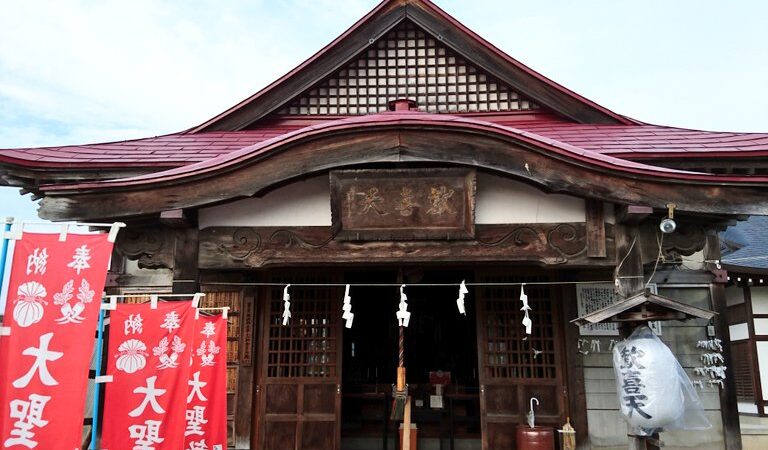
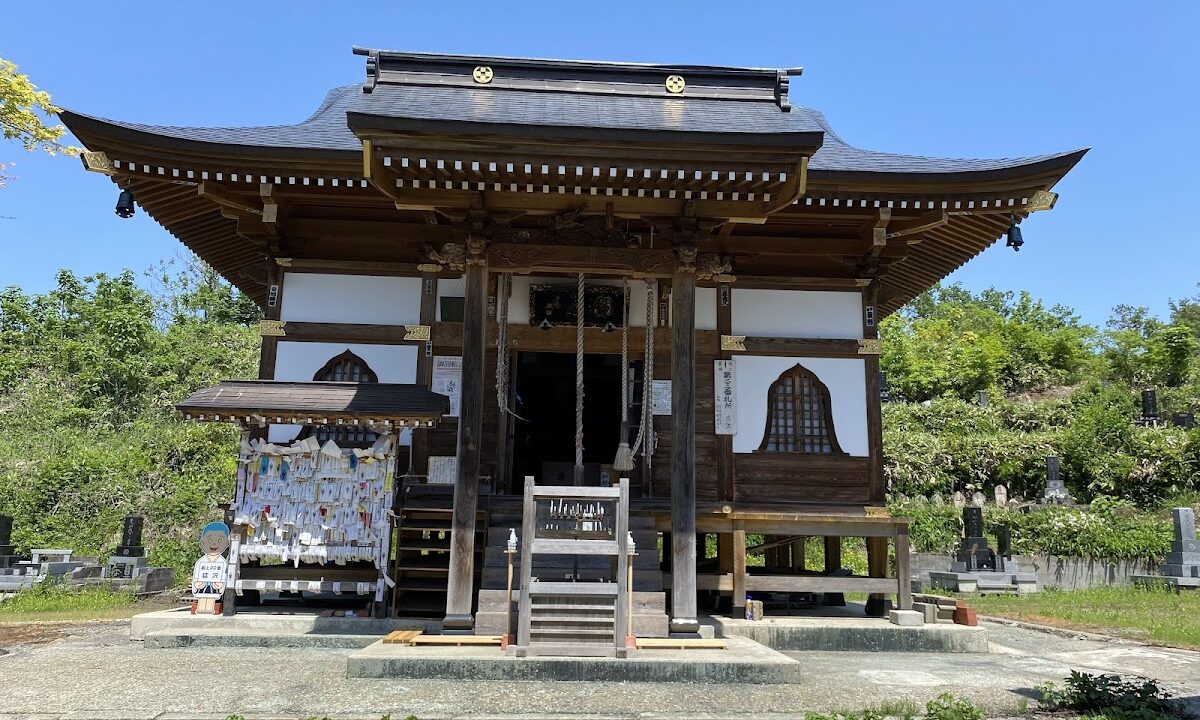
Within the grounds of Ryugo-ji Temple is the Kannon Hall of Enzawa Kannon, the 22nd temple of the Mogami Thirty-Three Kannon Pilgrimage. The principal image is the Holy Kannon Bodhisattva, believed to grant all wishes.
An interesting legend surrounds the construction of the Kannon Hall. During the Kanbun era (1661-1673), a man named Tsuchiya Matasaburo, a devout follower of Kannon, embarked on a pilgrimage to various sacred sites throughout Japan. While praying at Kawarahara-ji Temple in Omi Province (present-day Shiga Prefecture), he received a dream that night instructing him to move the temple’s Kannon to Shounzan (Ryugo-ji Temple) in Dewa Province. Matasaburo followed this divine message and built the Kannon Hall within the grounds of Ryugo-ji Temple.
Even today, many pilgrims visit, quietly offering their prayers.
Graves of Nobezawa Notonokami and Totomi-no-kami
Ryūgo-ji Temple houses the graves of its founder, Nobezawa Notonokami Mitsunobu, and his son, Nobezawa Totomi-no-kami Mitsumasa. The Nobezawa clan was known for their bravery, and Notonokami Mitsunobu, in particular, is remembered in local history for his role in the restoration of Ryūgo-ji Temple.
The graves are located within the grounds of Ryūgo-ji Temple, offering a glimpse into the lives of the warriors who ruled the Obanazawa region from the Sengoku period to the early Edo period. A must-see spot for history enthusiasts.
Basic Information
Temple Information
- Official Name: Shounzan Ryugoji Temple
- Sect: Soto Zen Buddhism
- Founded: Tensho era (1573-1592) or Hotoku 1 (1449)
- Founder: Nobezawa Notonokami Mitsunobu
- Pilgrimage Site: 22nd of the Mogami Thirty-Three Kannon Pilgrimage (Enzawa Kannon)
- Principal Image: Holy Kannon Bodhisattva
- Cultural Property: Ryugoji Temple Gate (Obanazawa City Designated Tangible Cultural Property)
Location and Contact Information
- Address: 925-1 Enzawa, Obanazawa City, Yamagata Prefecture (Kannon Hall is at 1849 Enzawa)
- Phone Number: 0237-28-2331
- Opening Hours: Open at all times (Free entry to the temple grounds)
Access Information
By Public Transportation
- From JR Ou Main Line “Oishida Station”
- Approximately 10 minutes by bus from Oishida Station, get off at Obanazawa Bus Terminal (Obanazawa Waiting Area)
- Approximately 20 minutes by bus bound for Tsuruko from Obanazawa Bus Terminal, get off at “Ryūgoji-mae” or “Enzawaji-mae” bus stop.
- Bus Route
- Use the Obanazawa-Tsuruko bus line
- As the number of buses is limited, we recommend checking the timetable in advance.
By Car
- Approximately 15 minutes from Tohoku Chuo Expressway “Obanazawa IC”
- Take National Route 347 to the Enzawa area
- Parking: There is parking space for visitors on the temple grounds.
Nearby Attractions
Ginzan Onsen (Approximately 20 minutes by car)
Ginzan Onsen, a representative tourist spot in Obanazawa City, is a beautiful hot spring town with a townscape full of Taisho-era romance. Located about 20 minutes by car from Ryugo-ji Temple, this area is recommended for a sightseeing trip combining historical walks and hot springs. It’s a popular spot attracting many tourists from both Japan and abroad.
Tokura Lake (approx. 10 minutes by car)
Located in the heart of Obanazawa City, Tokura Lake is known as the birthplace of “Hanagasa Ondo,” a representative Japanese folk song. The lakeside is a relaxing place where you can enjoy nature in all four seasons, with cherry blossoms in spring, fresh greenery in summer, and autumn leaves creating beautiful scenery.
Enzawa Castle Ruins
The ruins of Enzawa Castle, which served as the basis for Ryugo-ji Temple’s main gate, are within walking distance of the temple. Although only a portion of the remains remain today, you can still feel the atmosphere of a medieval castle. Visiting it together with Ryugo-ji Temple will allow you to gain a deeper understanding of the history of the Nobezawa clan.
Other Mogami Thirty-Three Kannon Pilgrimage Sites
Enzawa Kannon at Ryugo-ji Temple is the 22nd pilgrimage site, but other pilgrimage sites are scattered around Obanazawa City. Visiting multiple temples as part of a pilgrimage is a great way to experience the history and culture of the Obanazawa region.
Obanazawa City Tourist Information
About Obanazawa City
Obanazawa City in Yamagata Prefecture is a snowy town, counted as one of Japan’s three major heavy snowfall areas. With snowfall exceeding 2 meters in winter, a unique snow culture has flourished.
The city’s main tourist attraction is undoubtedly Ginzan Onsen, but it is also a region with diverse attractions, including historical temples and shrines like Ryugo-ji Temple, natural spots such as Tokura Lake, and delicious agricultural products. Obanazawa watermelons, in particular, are nationally famous and popular as a summer delicacy.
Charms of the Murayama Region
The Murayama region, where Ryugo-ji Temple is located, is situated in the central part of Yamagata Prefecture and includes Yamagata City, Tendo City, Higashine City, and others. It is a region where rich nature and historical culture harmonize, attracting many tourists as a central hub for Yamagata Prefecture tourism with its tourist spots, hot springs, and gourmet food and drinks. ## Points to Note and Manners When Visiting
Manners When Visiting
Ryūgo-ji Temple is a temple that still functions as a place of worship. Please observe the following manners when visiting:
- Behave quietly within the temple grounds and avoid disturbing other visitors.
- Photography is permitted, but please refrain from taking photos that include the interior of the main hall or other visitors.
- Please take all your trash with you.
- Do not touch cultural properties such as the temple gate or Kannon Hall.
- Please offer your donation respectfully.
Best Time to Visit
Ryūgo-ji Temple is open for visits year-round, but each season offers a different charm.
- Spring (April-June): Beautiful fresh greenery and pleasant weather.
- Summer (July-August): The lush temple grounds offer a cool and refreshing atmosphere.
- Autumn (September-November): Beautiful autumn foliage makes this the most suitable season for visiting.
- Winter (December-March): Due to the heavy snowfall in this region, there is significant snow accumulation. While the snowy scenery is magical, caution is required when accessing the temple.
If visiting in winter, please take sufficient precautions against the cold and snowy roads.
The History and Culture of Ryugo-ji Temple and Obanazawa
The Nobezawa Clan and the Mogami Family
The Nobezawa clan, as important retainers of the Mogami family, ruled the Obanazawa region from the Sengoku period to the early Edo period. During the time of Mogami Yoshiaki, they held a territory of 27,000 koku and governed the region from Nobezawa Castle.
The Mogami family was dispossessed of their domain in 1622 due to a family dispute, and the Nobezawa clan also fell into decline. However, Ryugo-ji Temple continued to exist as a center of local faith, and to this day, it continues to pray for the souls of the Nobezawa clan.
Soto Zen Buddhism and the Local Community
The Soto Zen sect, to which Ryugo-ji Temple belongs, is a branch of Zen Buddhism introduced to Japan by Zen Master Dogen during the Kamakura period. It is characterized by its emphasis on seated meditation (“shikantaza”) and has many branch temples throughout Japan.
In addition to Ryugo-ji Temple, there are several other Soto Zen temples in Obanazawa City, including Ensho-ji, Chosen-ji, Toko-ji, and Hokyo-in, fostering a deeply rooted faith within the local community.
Mogami Thirty-Three Kannon Pilgrimage
What is the Mogami Thirty-Three Kannon Pilgrimage?
The Mogami Thirty-Three Kannon Pilgrimage is a pilgrimage route that visits 33 Kannon temples scattered throughout the Mogami region of Yamagata Prefecture. It is a path of faith that has continued since the Edo period, and many pilgrims still visit it today.
Ryūgo-ji Temple’s Enzawa Kannon is the 22nd temple on this pilgrimage route, playing an important role in it. Each temple has its own stamp, and visiting all of them signifies the fulfillment of the pilgrimage.
How to Enjoy the Pilgrimage
The Mogami Thirty-Three Kannon Pilgrimage is not only a journey of faith, but also a journey where you can experience the history, culture, and nature of the region. Each temple has its own unique history and legends, and there is also the pleasure of appreciating the architecture and Buddhist statues of each temple.
It is not necessary to visit all the temples at once; it is common to take your time and visit them in several stages. Starting from Ryūgo-ji Temple and visiting the surrounding temples is also recommended.
Experience & Event Information
Annual Events
Ryūgo-ji Temple holds various Buddhist events throughout the year. Especially during the spring and autumn equinoxes and the Obon period, memorial services are held, attracting many parishioners and local residents.
Zen Meditation Experience
Ryūgo-ji Temple, a Sōtō Zen temple, sometimes offers Zen meditation experiences. Please contact the temple directly for details. Zen meditation in the tranquil temple grounds will be a valuable experience that allows you to forget the hustle and bustle of everyday life.
Contact Information
Inquiries about Ryugo-ji Temple
- Shounzan Ryugo-ji Temple
- Phone Number: 0237-28-2331
- Please contact this number for information regarding visiting hours, events, Zen meditation experiences, etc.
Inquiries about Tourist Information
- Obanazawa City Commerce and Tourism Division
- Phone Number: 0237-22-1111
- For information about Obanazawa City’s tourist attractions, access, and surrounding spots, please contact this number.
Yamagata Prefecture Tourist Information
You can find tourist information for Yamagata Prefecture on “Yamagata e no Tabi” (Yamagata Prefecture Tourist Information Portal Site). It includes tourist spots in the Murayama region, including Ryugo-ji Temple, model courses, and featured articles.
Summary
Shounzan Ryugo-ji Temple is a valuable cultural asset in Obanazawa City, boasting a history dating back to the Sengoku period, a temple gate that is a remnant of Enzawa Castle, and Enzawa Kannon, the 22nd temple on the Mogami Thirty-Three Kannon Pilgrimage.
Visiting it in conjunction with other Obanazawa City tourist spots such as Ginzan Onsen and Tokura Lake will allow you to gain a deeper understanding of the region’s history and culture. The quiet grounds, surrounded by abundant nature, offer a precious and calming experience as you reflect on history while paying your respects.
When visiting Obanazawa City, be sure to also visit Ryugo-ji Temple. It’s a hidden gem in the Murayama region of Yamagata Prefecture, where you can experience the history of the Nobezawa clan, the remnants of Enzawa Castle, and the compassion of Kannon.