Complete Guide to Saifuku-ji Temples: History and Visiting Information for the Three Major Temples in Kagoshima, Togane, and Toi
There are several temples named Saifuku-ji throughout Japan. Among them, the most well-known are Eboshiyama Saifuku-ji in Kagoshima City, Kagoshima Prefecture; Ankokuyama Saifuku-ji in Togane City, Chiba Prefecture; and Saifuku-ji in Izu City, Shizuoka Prefecture. This article provides a detailed explanation of the history, characteristics, and visiting information for these three Saifuku-ji temples.
What is Saifuku-ji?: An Overview of Temples with the Same Name Scattered Across Japan
The name “Saifuku-ji” originates from a Buddhist term meaning “the highest blessing and virtue.” Temples named Saifuku-ji exist throughout Japan, each with its own unique history and characteristics. Currently, the most noteworthy is Saifuku-ji in Kagoshima City, but the Saifuku-ji temples in Togane City, Chiba Prefecture, and Izu City, Shizuoka Prefecture, also play important roles as centers of local faith.
These temples differ in their sect, principal image, and founding dates, and each operates as an independent temple. This article aims to provide detailed information about each Saifuku-ji temple, serving as a helpful resource for those considering visiting or sightseeing in the area.
Eboshiyama Saifuku-ji Temple, Kagoshima City: The Head Temple of Satsuma Shugendo
History and Background
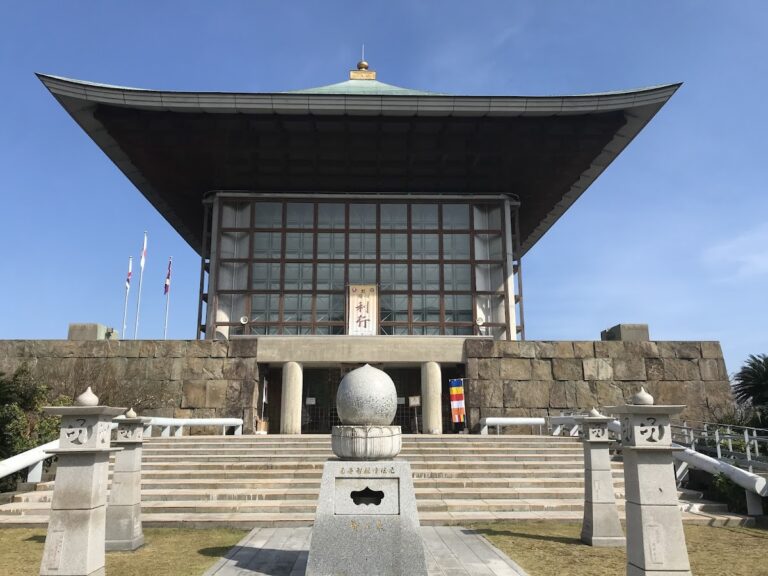
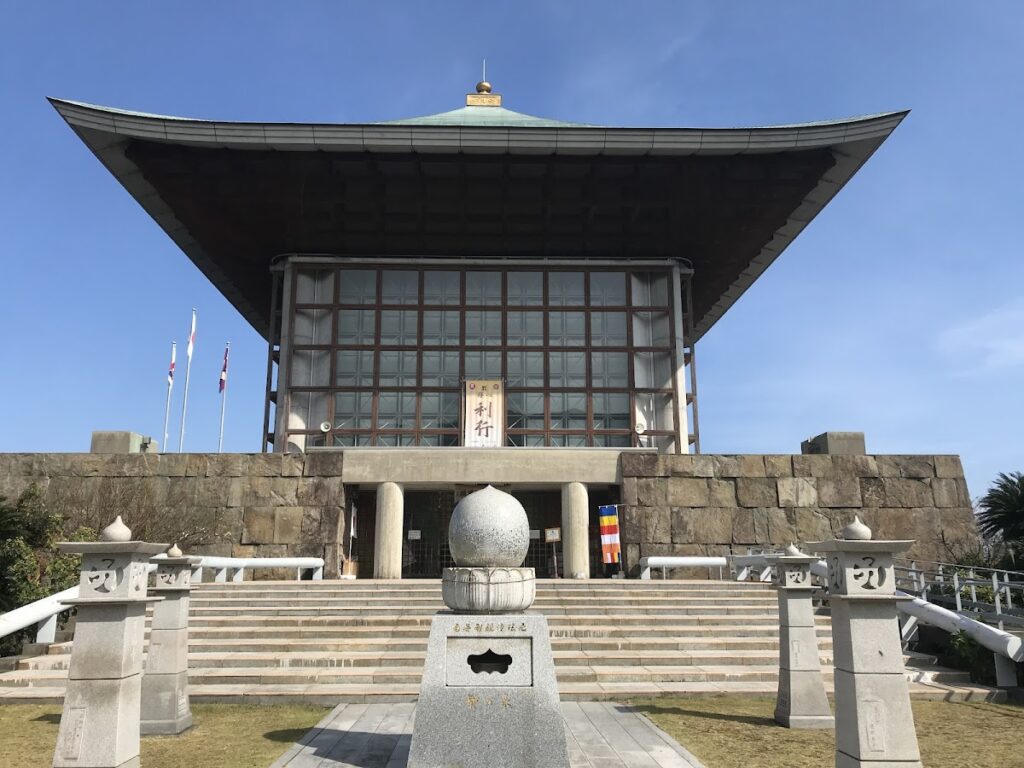
Located in Hirakawa-cho, Kagoshima City, Kagoshima Prefecture, Eboshiyama Saifuku-ji Temple is a temple that traces its lineage back to Satsuma Shugendo, boasting a history of over 500 years. While official temple records state its origins date back to the Muromachi period, the current Saifuku-ji Temple was established as a religious corporation in 1988 and effectively rebuilt in 1989 (Heisei 1) by Ikeguchi Eikan (now Ikeguchi Gosen).
Due to its Shugendo lineage, it originally lacked temple buildings such as halls and temple complexes, focusing instead on mountain asceticism. Currently, it has established itself as the head temple of Shingon Esoteric Buddhism, founded by Kobo Daishi Kukai.
Current Chief Priest and Religious Activities
Currently, the 19th generation of Satsuma Shugendo, Priest Gozen Ikeguchi, serves as the second chief priest of Saifuku-ji Temple. Priest Gozen Ikeguchi holds the qualification of Koyasan Dento Daiajari (a high-ranking Buddhist priest) and concurrently serves as the chief priest of Chishogon-in Temple on Koyasan and Saidai-ji Temple in Osumi.
At Saifuku-ji Temple, a Goma (fire ritual) prayer is held daily at 10:30 AM. No reservation is required, and anyone can participate. Various prayers are offered, including exorcism, recovery from illness, business prosperity, traffic safety, matchmaking, fertility, safe childbirth, 100-day memorial service, and pet memorial services.
World’s Largest Wooden Benzaiten Statue
The most distinctive feature of Saifuku-ji Temple is its wooden statue of Benzaiten, said to be the world’s largest. This gigantic Buddha statue is a symbol of the temple and one of the reasons why many visitors come. Benzaiten is worshipped as one of the Seven Lucky Gods, the goddess of art, learning, and wealth.
Friendly Relations with North Korea and the Acquisition of the General Association of Korean Residents in Japan (Chongryon) Headquarters Building
Saifuku-ji Temple was known in the past for its friendly relations with North Korea, and the activities of its then-chief priest, Keikan Ikeguchi, attracted considerable attention. In 2013, a religious corporation, represented by Saifuku-ji Temple, won the auction for approximately 4.5 billion yen for the Central Headquarters Building of the General Association of Korean Residents in Japan (Chongryon), which became a major topic of discussion.
This incident sparked political and diplomatic debate, and although it was ultimately resold to another company, it brought Saifuku-ji Temple nationwide recognition.
Location and Access
Location: Hirakawa-cho, Kagoshima City, Kagoshima Prefecture
Access:
- Approximately 30 minutes by car from JR Kagoshima-Chuo Station
- If using Kagoshima City Bus, take the bus bound for Hirakawa Zoological Park
- Approximately 20 minutes by car from Kagoshima IC on the Kyushu Expressway
- Parking available
Nearby Information
Hirakawa Zoological Park is located near Saifuku-ji Temple, making it a convenient place to visit in conjunction with sightseeing with family. Furthermore, it is situated in a nature-rich environment slightly away from the city center of Kagoshima, allowing for a peaceful and tranquil visit.
Temple Facilities and Aizen
Within the temple grounds is a shop called “Aizen,” which sells amulets and bracelets bearing the prayers of Abbot Keikan Ikeguchi, as well as hand-carved Buddhist statues and ornaments. You can purchase souvenirs in a traditional Japanese atmosphere.
Ankokuzan Saifuku-ji Temple, Togane City, Chiba Prefecture: An Ancient Tendai Sect Temple
History and Founding
Ankokuzan Saifuku-ji Temple, located in Togane City, Chiba Prefecture, is an ancient temple with a history of over 1200 years, said to have been founded in 807 AD by Dengyo Daishi Saicho. This temple, situated facing south over Togane Hachitsuru Lake, was established as a Tendai sect temple by renovating a single building together with the Sanno Shrine (Hiyoshi Shrine) on the summit of Tokigamine Mountain behind it.
Currently an independent temple, it also has a history of belonging to the Kenpon Hokke sect. Its mountain name is Ankokuzan, and its principal image is one pagoda, two deities, and four masters. It is affectionately known locally as “Togane Kaiun Daikokuten” and “Saifuku-ji Temple on the Shore of Hachitsuru Lake.”
Relationship with Hachitsuru Lake
Saifuku-ji Temple is located on the shore of Togane Hachitsuru Lake, forming a beautiful temple landscape integrated with the lake’s scenery. Hachitsuru Lake is an artificial lake created when Tokugawa Ieyasu built the Togane Palace, and Saifuku-ji Temple is an important part of its historical landscape.
In spring, the cherry blossoms along the lake shore and the temple scenery harmonize beautifully, making it a popular tourist spot.
Location and Access
Location: 1423 Togane, Togane City, Chiba Prefecture
Access:
- Approximately 10 minutes on foot from Togane Station on the JR Togane Line
- Approximately 5 minutes by car from the Togane Interchange on the Chiba-Togane Expressway
- Parking available near Hachitsuru Lake
Cultural Properties and Highlights
Saifuku-ji Temple in Togane City is an important temple that conveys the history and culture of the region, possessing various cultural properties and historical materials. Visiting it in conjunction with a stroll around Hachitsuru Lake will allow you to gain a deeper understanding of Togane’s history.
Saifuku-ji Temple, Izu City, Shizuoka Prefecture: A Famous Spot for Weeping Cherry Blossoms
Temple Features
Saifuku-ji Temple, located in Toi, Izu City, Shizuoka Prefecture, is known as a temple that preserves the history and culture of the region. Within the temple grounds is a museum displaying valuable historical materials, including artifacts excavated from the Toi ruins and the genealogy of the Tominaga clan, lords of Toi Castle.
Izu Saifuku-ji Weeping Cherry Blossoms
The most distinctive feature of Saifuku-ji Temple in Izu City is its famous cherry tree, the “Izu Saifuku-ji Weeping Cherry Blossom,” which was recently registered as a new species. This cherry tree has double blossoms, and its flowers, about the size of a ping-pong ball, bloom from early to mid-April.
During the blooming season, the temple grounds are adorned with beautiful pink blossoms, attracting many visitors every year. Its registration as a new species has also drawn attention from cherry blossom enthusiasts, making it an important spot for spring sightseeing in Izu.
Museum Exhibits
The museum on the temple grounds features the following exhibits:
- Artifacts excavated from archaeological sites in the Toi region
- Genealogies and documents related to the Tominaga clan, lords of Toi Castle
- Ancient documents and folklore materials that convey the history of the region
- Materials related to the history of the temple
Through these materials, you can learn about the history and culture of the west coast of the Izu Peninsula.
Location and Access
Location: Toi, Izu City, Shizuoka Prefecture
Access:
- Approximately 50 minutes by Tokai Bus bound for Toi Onsen from Shuzenji Station on the Izuhakone Railway
- Approximately 1 hour 30 minutes via National Route 136 from Tomei Numazu IC
- Within walking distance of the Toi Onsen hot spring resort area
Combining with Sightseeing
Saifuku-ji Temple in Izu City is close to the Toi Onsen hot spring resort area and can be visited in conjunction with hot spring sightseeing. Especially during the cherry blossom season, it is bustling with tourists enjoying both the hot springs and cherry blossoms. The Suruga Bay coastline is also nearby, allowing visitors to enjoy the sea view as well.
Comparison and Characteristics of Each Saifuku-ji Temple
Differences in Sect and Principal Image
- Saifuku-ji Temple, Kagoshima City: Shingon Esoteric Buddhism, Principal Image: Fudo Myoo
- Saifuku-ji Temple, Togane City: Independent (Originally Tendai Sect/Kenpon Hokke Sect), Principal Image: One Pagoda, Two Deities, Four Masters
- Saifuku-ji Temple, Izu City: Detailed sect information is limited
Each Saifuku-ji Temple belongs to a different sect, and its principal image also differs. Therefore, the customs of worship and the atmosphere vary from temple to temple.
Length of History and Origin
The oldest is Saifuku-ji Temple in Togane City, said to have been founded in 807. Saifuku-ji Temple in Kagoshima City is said to have a history of over 500 years in Shugendo (mountain asceticism), but its current form as a temple was established in 1989. Saifuku-ji Temple in Izu City is also a temple deeply connected to the history of the region.
Tourist Value and Highlights
- Saifuku-ji Temple, Kagoshima City: World’s largest wooden carving of Benzaiten, daily Goma prayer ceremony
- Saifuku-ji Temple, Togane City: Scenic views of Lake Hachitsuru, historical buildings
- Saifuku-ji Temple, Izu City: Izu Saifuku-ji Temple’s weeping cherry tree, museum exhibits
Each temple has its own unique charm, allowing you to choose according to your purpose of visit.
Etiquette and Manners for Visiting Saifuku-ji Temple
Basic Visiting Manners
When visiting Saifuku-ji Temple, please observe the following basic manners:
- Dress Code: Avoid revealing clothing and aim for clean, understated attire.
- Photography: Refrain from taking photos in areas where photography is prohibited, and take photos quietly even in permitted areas.
- Quietness: Avoid loud conversations on the temple grounds and pray quietly.
- Smoking and Eating: Refrain from smoking or eating outside of designated areas.
Participation in the Goma Prayer Ceremony (Saifuku-ji Temple, Kagoshima City)
At Saifuku-ji Temple in Kagoshima City, a Goma prayer ceremony is held daily from 10:30 AM. No reservation is required, and anyone can participate. For first-time participants, please note the following:
- Arrive 10 minutes before the start time.
- Think about your prayers in advance.
- Prepare your offering (amount is optional).
- Please sit quietly during the Goma prayer.
Points for Visiting by Season
Spring (March-May):
- Cherry blossoms at Saifuku-ji Temple in Izu City are in full bloom (early to mid-April).
- Cherry blossoms around Hachitsuru Lake near Saifuku-ji Temple in Togane City are also beautiful at this time.
- Warm weather suitable for visiting.
Summer (June-August):
- Kagoshima City is extremely hot, so early morning or evening visits are recommended.
- Don’t forget to stay hydrated.
Autumn (September-November):
- The temple grounds are beautiful with autumn foliage.
- Pleasant weather, ideal for visiting.
Winter (December-February):
- May be crowded during the New Year’s visit period.
- Take thorough precautions against the cold.
Tourist attractions around Saifuku-ji Temple
Around Saifuku-ji Temple, Kagoshima City
- Hirakawa Zoological Park: A large zoo located a few minutes’ drive from Saifuku-ji Temple.
- Kagoshima City Center: Tenmonkan, Shiroyama Observatory, Sengan-en Garden, etc.
- Sakurajima: Kagoshima’s symbol, accessible by ferry.
- Ibusuki Onsen: A hot spring resort famous for its sand baths.
Around Saifuku-ji Temple, Togane City
- Hachitsuru Lake: A lakeside promenade, beautiful with cherry blossoms in spring.
- Togane Palace Ruins: A historical site associated with Tokugawa Ieyasu.
- Kujukuri Beach: A coastline located about 20 minutes’ drive away.
- Naruto-Togane Carnivorous Plant Community: A national natural monument.
Around Saifuku-ji Temple, Izu City
- Toi Onsen: Accommodation and day trips to the hot spring town.
- Toi Gold Mine: A tourist facility where you can learn about the history of gold mining.
- Lover’s Cape: A scenic spot overlooking Suruga Bay.
- Shuzenji Onsen: A representative hot spring resort on the Izu Peninsula.
Frequently Asked Questions about Saifuku-ji Temple
Visiting Hours and Admission Fees
Visiting hours and admission fees vary for each Saifuku-ji temple:
- Saifuku-ji Temple, Kagoshima City: Generally open during the day, Goma prayers are held daily from 10:30 AM, admission is free (separate offering required for prayers).
- Saifuku-ji Temple, Togane City: Open during the day, direct inquiry recommended for details.
- Saifuku-ji Temple, Izu City: Museum opening hours must be confirmed, may be crowded during cherry blossom season.
About Goshuin (Temple Seals)
Many temples offer Goshuin. Saifuku-ji Temple may also offer Goshuin, but it is recommended to check in advance. Bring your Goshuincho (stamp book) and make your request respectfully.
Group Visits
If you wish to visit as a group, it is recommended that you contact the temple in advance to make a reservation. Especially if you wish to participate in the Goma prayer ceremony or visit the museum, prior arrangements are necessary.
The Modern Role of Saifuku-ji Temples
As a Center for Local Communities
Saifuku-ji temples throughout Japan serve not only as religious facilities but also as centers for local communities. They function as places to preserve local history, pass on culture, and serve as spiritual havens for local residents.
Value as a Tourism Resource
Saifuku-ji Temple in Izu City, in particular, possesses the Izu Saifuku-ji Weeping Cherry Tree, a valuable tourist resource contributing to the promotion of local tourism. Saifuku-ji Temple in Togane City also has value as a tourist spot integrated with the scenery of Hachitsuru Lake. Saifuku-ji Temple in Kagoshima City attracts many visitors from within and outside the prefecture due to its unique history and the world’s largest wooden carving of Benzaiten.
Protection and Preservation of Cultural Properties
Each Saifuku-ji temple plays a role in protecting its own cultural properties and historical materials and passing them on to future generations. In particular, the museum at Saifuku-ji in Izu City is a valuable place to learn about the region’s history.
Summary: The Significance of Visiting Saifuku-ji Temples
Saifuku-ji temples, located throughout Japan, each possess their own unique history and characteristics. Eboshiyama Saifuku-ji in Kagoshima City preserves the traditions of Satsuma Shugendo (mountain asceticism) and attracts many visitors with its world’s largest wooden carving of Benzaiten and daily Goma (fire ritual) prayers. Ankokuzan Saifuku-ji in Togane City, Chiba Prefecture, is an ancient temple with over 1200 years of history, continuing to uphold local faith amidst the beautiful scenery of Hachitsuru Lake. Saifuku-ji in Izu City, Shizuoka Prefecture, plays an important role in both tourism and cultural preservation with its new variety of cherry tree, the Izu Saifuku-ji Shidarezakura, and its valuable historical materials.
Visiting these Saifuku-ji temples offers a valuable opportunity to experience Japan’s diverse Buddhist culture and regional history, going beyond mere sightseeing or pilgrimage. Understanding the unique charm of each temple and observing proper etiquette during your visit will lead to a deeper experience.
These temples, sharing the same name “Saifuku-ji,” yet possessing entirely different histories and characteristics, symbolize the richness and diversity of Japanese temple culture. We hope this article will be helpful to those planning a visit to Saifuku-ji temples and contribute to a fulfilling pilgrimage experience.