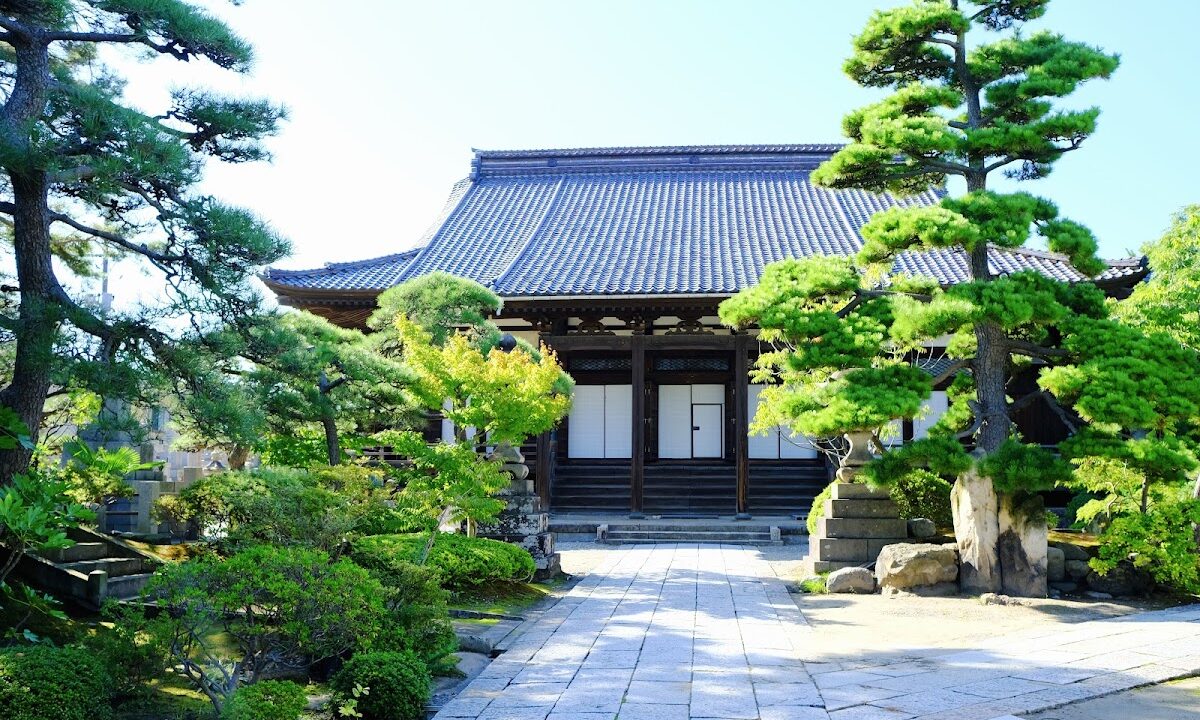
Senshoji Temple (Niigata City, Niigata Prefecture) Complete Guide | Basic Information and Access to a Historic Shinshu Otani-ha Temple
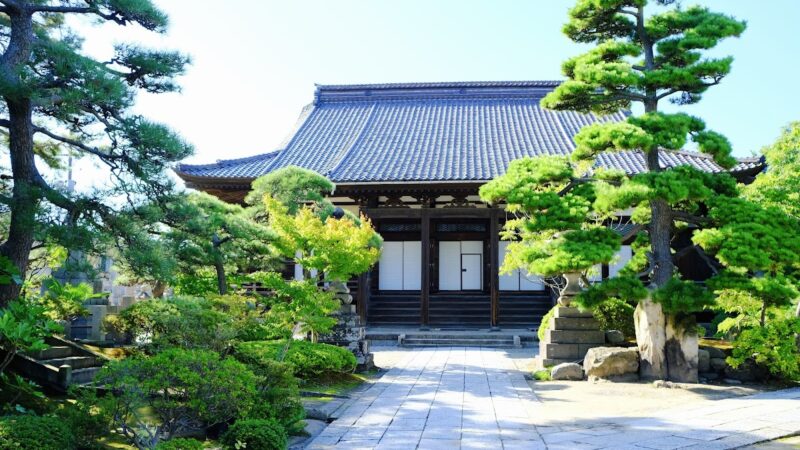
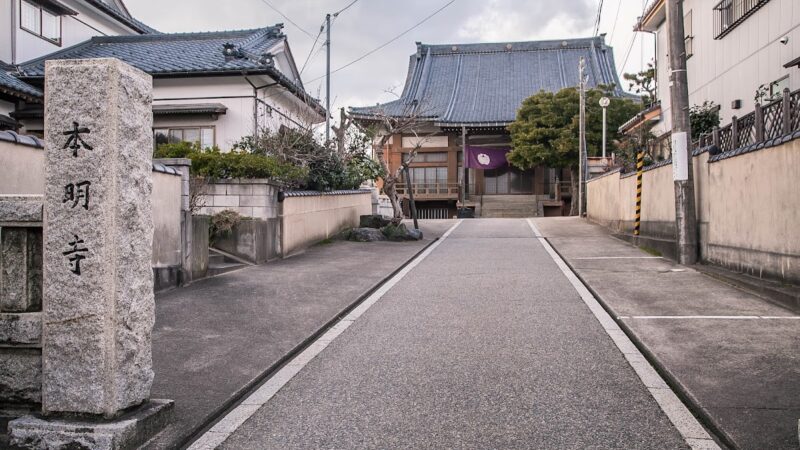
Senshoji Temple, located in Chuo-ku, Niigata City, Niigata Prefecture, is a historic temple belonging to the Shinshu Otani-ha sect. Situated on Nishibori-dori, easily accessible from Niigata Station, it has long been a cherished center of local faith. This article provides detailed information useful for those considering a visit, from basic information and history to access methods and information on surrounding temples.
Basic Information about Senshoji Temple
Senshoji Temple is a Shinshu Otani-ha temple located on Nishibori-dori, in the heart of Chuo-ku, Niigata City. Let’s start by looking at the basic information.
Temple Name and Sect
Official Name: Kōtakusan Senshōji
Sect: Shinshū Ōtani-ha (Jōdo Shinshū Higashi Honganji-ha)
Principal Image: Amida Buddha
The Shinshū Ōtani-ha is a branch of Jōdo Shinshū Buddhism, founded by Shinran Shōnin, with Higashi Honganji Temple in Kyoto as its head temple. It is one of Japan’s leading Buddhist sects, boasting approximately 8,900 temples nationwide, and Senshōji Temple is one of them, supporting local faith.
Location and Access
Address: 1632, Nishibori-dori 10-bancho, Chuo-ku, Niigata City, Niigata Prefecture 951-8061 (Some sources list 1631)
Phone Number: 025-222-6222
Corporate Number: 4110005001268
Nishibori-dori in Chuo-ku, Niigata City, is located in an urban area relatively close to Niigata Station. If using public transportation, it is accessible by bus or taxi from Niigata Station. If coming by car, we recommend checking nearby parking information in advance.
Detailed Access Information
Nearest Station: JR Niigata Station (Shin’etsu Main Line, Hakushin Line, Echigo Line)
Distance from Station: Approximately 2-3 km
Access Method:
- By Bus from Niigata Station Bandai Exit: Take a Niigata Kotsu bus and get off at “Nishibori-dori Jubancho” bus stop, then a 3-minute walk.
- By Taxi: Approximately 10 minutes from Niigata Station.
- On Foot: Approximately 25-30 minutes from Niigata Station.
Niigata City’s Chuo Ward is the political, economic, and cultural center of Niigata Prefecture, an area where government offices and commercial facilities are concentrated. The area around Nishibori-dori, where Senshoji Temple is located, has developed as an old urban area, with historical buildings and temples scattered throughout.
About the Shinshu Otani School
By gaining a deeper understanding of the Shinshu Otani School to which Senshoji Temple belongs, you can learn about the characteristics of this temple and the nature of its faith.
Doctrines and Characteristics of the Shinshu Otani School
The Shinshu Otani School is a Buddhist sect that follows the tradition of Jodo Shinshu, founded by the Kamakura period monk Shinran Shonin (1173-1263). Shinran Shonin, a disciple of Honen Shonin, learned the teachings of Nembutsu and established his own unique doctrine centered on the concept of “reliance on the power of others.”
Key Points of the Doctrine:
- Reliance on Other Power: The idea that salvation is achieved not through one’s own power (self-power), but through the power of Amida Buddha’s original vow (other power).
- Salvation for the Wicked: The teaching that since even good people can attain rebirth in the Pure Land, wicked people are all the more likely to be subjects of Amida Buddha’s original vow.
- Chanting the Name of Amida Buddha: Chanting “Namu Amida Butsu” is an expression of devotion to Amida Buddha.
- Neither Monk Nor Layman: Allowing monks to marry and relativizing the distinction between lay and ordained monks.
History of the Shinshu Otani School
After the death of Shinran Shonin, his teachings were passed down through his daughter, Kakushinni, and eventually developed into the Honganji sect. During the Sengoku period, it spread throughout the country through the missionary activities of Rennyo Shonin, and in the Edo period, it split into East and West. It became the Otani school, with Higashi Honganji as its head temple, and the Honganji school, with Nishi Honganji as its head temple. The Hokuriku region, including Niigata Prefecture, has long been known as a region where Shinshu Buddhism is deeply rooted. Due to the active missionary work of Rennyo Shonin in Hokuriku, many Shinshu temples were established in the area. Izumishoji Temple is also thought to have played a role in supporting the local faith within this historical context.
The Position of Shinshu Otani-ha Temples in Niigata Prefecture
Niigata Prefecture has one of the highest numbers of temples in Japan. In particular, there are many Shinshu-affiliated temples, and Shinshu Otani-ha temples are scattered throughout the prefecture.
Temple Situation in Niigata Prefecture
There are said to be over 2,800 temples in Niigata Prefecture, of which Shinshu-affiliated temples (including Otani-ha and Honganji-ha) account for a large proportion. This can be attributed to the religious policies of the Edo period and the historical missionary activities of Shinshu Buddhism in the Hokuriku region.
The temple name “Izumishoji” is relatively rare nationwide; according to data, there is only one such temple in the entire country. This indicates that Izumishoji Temple has a unique history and tradition.
Temple Environment in Chuo Ward, Niigata City
In addition to Senshoji Temple, many other temples exist in Chuo Ward, Niigata City. Several temples of the Shinshu Otani sect, such as Dengyoji Temple and Shinjoin Temple, support the local faith.
Main Temples in Chuo Ward, Niigata City:
- Multiple Shinshu Otani sect temples are located here.
- Temples of the Nichiren sect, Soto sect, and others are scattered throughout the area.
- As an old urban area, there are many historical temples and shrines.
The area around Nishibori-dori is located in the heart of Niigata City, a mixed commercial and residential area. In such an urban area, Senshoji Temple plays an important role as a spiritual center for local residents and as a place for ancestral worship.
Memorial Services and Events at Senshoji Temple
Shinshu Otani sect temples hold various memorial services and events throughout the year. It is believed that Senshoji Temple also conducts memorial services based on the traditions of the sect.
Main Annual Events of the Shinshu Otani School
Shushō-e (New Year’s Ceremony): January 1st-3rd
A Buddhist service to welcome the New Year and pray for peace throughout the year.
Nehan-e (Nirvana Ceremony): Around February 15th
A Buddhist service commemorating the passing of Shakyamuni Buddha.
Spring Equinox Ceremony: One week centered around the spring equinox in March
A period for honoring ancestors and reflecting on one’s own way of life.
Gōtan-e (Birthday Ceremony) / Hanamatsuri (Flower Festival): Around April 8th
A Buddhist service celebrating the birth of Shakyamuni Buddha.
Shūso Gōtan-e (Founder’s Birthday Ceremony): Around May 21st
A Buddhist service celebrating the birth of Shinran Shōnin, a particularly important event in Shinshu temples.
Obon Festival (Urabon-e): July or August
A ceremony to welcome and honor the spirits of ancestors. In Niigata, it is often held in August.
Autumn Equinox Ceremony (Shugi Higan-e): One week centered around the autumnal equinox in September
Similar to the spring ceremony, this is a time for honoring ancestors.
Memorial Service (Ho-on-ko): Late November to early December
Held to coincide with the anniversary of Shinran Shonin’s death (28th of November in the old lunar calendar), this is the most important Buddhist service in the Jodo Shinshu sect.
New Year’s Eve Ceremony (Joya-e): December 31st
A ceremony to conclude the year and prepare for the New Year.
Individual Memorial Services
In addition to the annual events, Senshoji Temple also holds individual memorial services.
Funeral and Memorial Service: A ceremony to send off the deceased.
Buddhist Memorial Services: First seven days, forty-ninth day, first anniversary, third anniversary, seventh anniversary, etc.
Perpetual Memorial Service: A service where the temple provides perpetual memorial services in cases where there are no successors.
Consultation Regarding Burial and Cemeteries: We also accept consultations regarding the use of cemeteries and columbariums.
For more detailed information on these memorial services and ceremonies, we recommend contacting Senshoji Temple directly (telephone number: 025-222-6222).
Points to Note and Manners When Visiting Senshoji Temple
When visiting a temple, it is important to observe proper etiquette and manners as a religious facility.
Basic Manners for Worship
Attire: For memorial services, formal attire or clothing in subdued colors is preferable. For regular visits, clean and presentable clothing is acceptable.
Visiting Hours: Please visit during the temple’s opening hours. It is generally advisable to avoid visiting early in the morning or late at night. It is recommended to call ahead to confirm.
Photography: Photography on the temple grounds may require permission. Photography should be especially avoided inside the main hall or during religious services.
Quietness: Temples are places of quiet contemplation. Avoid loud conversations and noise.
Shinshu Otani School Worship Etiquette
The Shinshu Otani School has slightly different worship etiquette compared to other sects.
How to Join Hands: Join both hands in front of your chest, tilting your fingertips slightly forward.
Nembutsu: Chant “Namu Amida Butsu.”
Incense Offering: Do not press the incense powder to your forehead; simply drop it into the incense burner. One or two times is common.
Prostration: Bow deeply. Do not clap your hands (clapping is a Shinto ritual).
Offerings and Donations
When requesting a memorial service or special memorial service, an offering (obuse) is required. There are no strict rules regarding the amount; it varies depending on local customs and the nature of the service. It is recommended to check with the temple in advance if you have any questions.
Common offerings include fruit, sweets, and flowers. While Shinshu Buddhism does not believe that the deceased needs food, offerings before the Buddha express feelings of remembrance.
Nearby Temples, Shrines, and Tourist Spots
When visiting Senshoji Temple, why not also explore other temples, shrines, and tourist spots in Chuo Ward, Niigata City?
Major Temples in Chuo Ward, Niigata City
Dengyo-ji Temple: Also a Shinshu Otani sect temple, located in Chuo Ward, Niigata City.
Shinjo-in Temple: One of the temples located in Chuo Ward, Niigata City.
These temples each have their own unique history and characteristics, making them valuable resources for understanding Niigata’s Buddhist culture.
These temples also possess their own unique histories and characteristics, making them valuable resources for understanding Niigata’s Buddhist culture. ### Tourist Attractions in Niigata City’s Chuo Ward
Niigata City History Museum (Minatopia): A museum where you can learn about Niigata’s history and culture. Located along the Shinano River, you can also visit historical buildings such as the former Niigata Customs House.
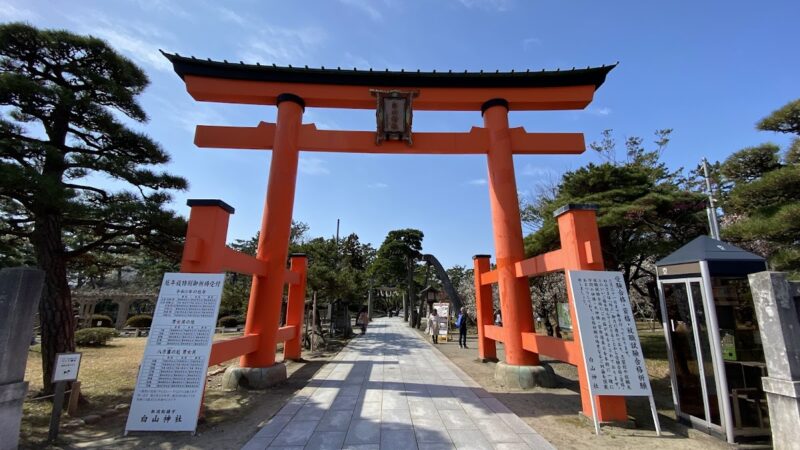
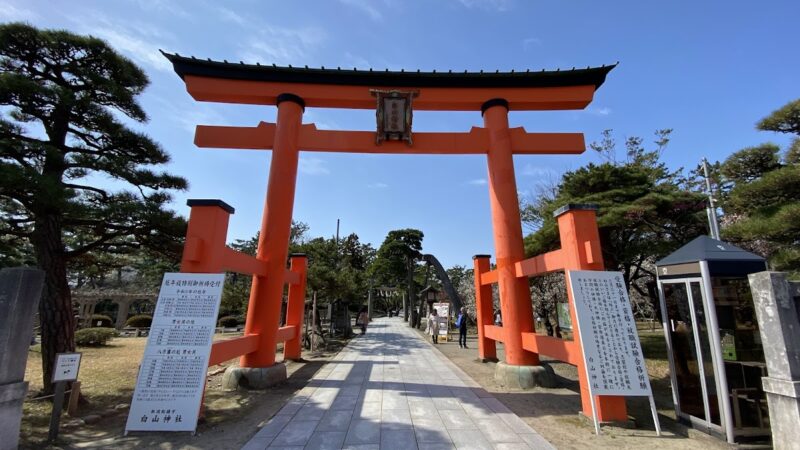
Hakusan Shrine: A shrine known as the guardian shrine of Niigata City. You can enjoy the beautiful grounds and nature throughout the seasons.
Bandai Bridge: A nationally important cultural property spanning the Shinano River. A symbol of Niigata.
Furumachi: An area that flourished as Niigata’s traditional geisha district. Even today, restaurants and long-established shops line the streets.
Niigata Furusato Village: A facility where Niigata’s local products and tourist information are gathered. Perfect for souvenir shopping.
Niigata Gourmet
When visiting Niigata City, be sure to enjoy the local cuisine.
Hegi Soba: Niigata’s famous soba noodles. Characterized by its unique texture due to the use of seaweed as a binder.
Niigata Rice: Niigata rice, including Koshihikari, is famous throughout Japan.
Sake: Niigata is one of Japan’s leading sake-producing regions, home to numerous breweries.
Sasa Dango: A representative Japanese confection from Niigata. It consists of mugwort rice cakes filled with sweet bean paste and wrapped in bamboo leaves.
Tare Katsu Don: A local Niigata dish. A katsu-don (pork cutlet rice bowl) topped with a sweet and savory sauce.
Information on Cemeteries and Perpetual Memorial Services
In recent years, due to the declining birthrate, aging population, and increasing nuclear families, more people are facing concerns regarding the inheritance and management of graves. Izumi-ji Temple may also offer services such as perpetual memorial services to meet these modern needs.
What is Perpetual Memorial Service?
Perpetual memorial service is a system where a temple provides perpetual memorial services and management for those who have no successors to their graves or who do not wish to burden their descendants.
Benefits of Perpetual Memorial Services:
- Peace of mind even without successors
- Reduced burden of cemetery management
- Often relatively inexpensive
- May not be restricted by religious sect or denomination
Types of Perpetual Memorial Services:
- Communal grave: Buried together with others
- Individual grave: Individual memorial services are held for a certain period, after which the remains are interred communally
- Columbarium: Ashes are interred in an indoor facility
- Tree burial: A tree is used as a grave marker instead of a tombstone
Cemetery and Memorial Service Services at Senshoji Temple
For specific details regarding cemetery use, perpetual memorial service services, and costs at Senshoji Temple, please contact the temple directly.
Points to Check:
- Availability and Type of Perpetual Memorial Service
- Costs (Initial Fee, Annual Management Fee, etc.)
- Method and Frequency of Memorial Service
- Contract Details and Conditions
- Restrictions on Sect or Denomination
- Whether Visits are Possible
Since cemeteries and perpetual memorial services involve long-term contracts, it is important to compare multiple temples and cemeteries to make a satisfactory choice.
Buddhist Culture and History of Niigata Prefecture
Niigata Prefecture, where Senshoji Temple is located, is a region with rich nature and a unique culture facing the Sea of Japan. It has also played an important role in the spread and development of Buddhism.
History of Buddhism in Niigata Prefecture
The introduction of Buddhism to Niigata Prefecture is thought to have occurred between the Nara and Heian periods. The establishment of Echigo Kokubunji Temple (8th century) led to the official spread of Buddhism.
In the Middle Ages, it is believed that Shinran Shonin conducted missionary activities in this area when he was exiled to Echigo. It is said that Shinran Shonin stayed in Echigo Province (present-day Joetsu City) for about five years and began writing the *Kyogyoshinsho* (Teaching, Practice, Faith, and Enlightenment) there.
Due to this historical background, Shin Buddhism took deep root in Niigata Prefecture. Especially during the Edo period, numerous Shin Buddhist temples were built, mainly in rural areas, becoming the spiritual pillars of local communities.
Characteristics of Niigata Temple Architecture
Temple architecture in Niigata Prefecture exhibits characteristics unique to heavy snowfall regions.
Structures unique to snowy regions:
- Steep roofs: Designed to allow snow to slide off easily
- Sturdy beams and pillars: Structures that can withstand the weight of snow accumulation
- Snow fences: Equipment to protect buildings from snow in winter
Furthermore, because Niigata had abundant timber resources, many excellent wooden buildings remain. The skills of temple carpenters were also high, and many temples feature elaborate carvings and decorations.
Utilizing Temple Databases and Information
In modern times, numerous databases and portal sites exist that allow you to search for temple information nationwide on the internet. Information about Senshoji Temple can also be found on several websites.
Main Temple Information Websites
Hotokami: A website providing information on shrines and temples. It features numerous user-submitted posts and photos.
Ii Ohaka: A website providing information on cemeteries and burial grounds. Basic temple information is also included.
Nationwide Municipal Temples: A database allowing you to search for temples throughout Japan.
iTownPage: A local information website based on telephone directory information.
These sites allow you to check basic information such as location, phone number, and sect. However, the frequency of information updates and accuracy vary from site to site, so it is highly recommended to always confirm important information directly with the temple.
Precautions When Using Information
Data Accuracy: There may be slight discrepancies in address notation (e.g., 1631 and 1632). This may be due to differences in land number notation or errors during data entry.
Checking for the Latest Information: Please be aware that service dates, visiting hours, and parking availability may change. It is best to confirm by phone before visiting.
Respect for Privacy: Temples are not only religious facilities but also residences for the head priest and his family. Please respect their privacy when visiting or taking photographs.
Role as a Shinshu Otani-ha Temple
Izumishoji Temple is not merely a tourist attraction; it is a religious facility that plays an important role in the local community.
Center of the Community
Temples have long been central to local communities. They are places where relatives gather for funerals and memorial services, and where local residents interact through annual events.
Even in modern times, temples play the following roles:
Spiritual Pillar: A source of comfort during life’s milestones and difficult times.
Educational Place: Providing opportunities to learn about life and ethics through Buddhist teachings.
Cultural Preservation: Preserving traditional rituals and ceremonies and passing them on to future generations.
Social Contribution: Cooperating with local welfare activities and disaster relief.
Challenges for Temples in Modern Society
On the other hand, modern temples also face various challenges.
Decreasing Number of Parishioners: Many temples are experiencing a decline in the number of parishioners due to the declining birthrate, aging population, and migration to urban areas.
Successor Problem: Aging priests and a shortage of successors.
Building Maintenance: Repairing historical buildings requires significant expense.
Responding to Modern Needs: Responding to diversifying memorial needs such as perpetual memorial services, columbariums, and tree burials.
Many temples are devising various strategies to address these challenges. Efforts are being made to create a more open temple, such as disseminating information through websites and social media, holding Buddhist lectures for younger generations, and participating in local events.
Summary: For those considering visiting Senshoji Temple
Senshoji Temple is a Shinshu Otani sect temple located on Nishibori-dori in Chuo-ku, Niigata City. Its convenient location, easily accessible from Niigata Station, has made it a beloved center of local faith for many years.
Checklist Before Your Visit
When visiting Senshoji Temple, please check the following points to ensure a smooth visit:
- Clarify your purpose of visit: For example, worship, request a memorial service, or inquire about cemetery plots.
- Contact in advance: Especially for memorial services or consultations, please make a reservation by phone (025-222-6222).
- Confirm access method: Public transport or car, and whether parking is available.
- Appropriate attire: Formal attire for memorial services, clean clothing for regular worship.
- Confirm manners: Learn the proper etiquette for worshipping in the Shinshu Otani sect beforehand.
Combine with Niigata Sightseeing
Planning a visit to Senshoji Temple as part of your Niigata City sightseeing is also recommended. Niigata City’s Chuo Ward has many tourist attractions such as Hakusan Shrine, Bandai Bridge, and Furumachi, allowing you to experience Niigata’s history and culture.
Furthermore, Niigata is a treasure trove of delicious food. Enjoying local cuisine such as Hegisoba noodles, Tarekatsudon (pork cutlet rice bowl with sauce), and Sasadango (bamboo leaf-wrapped rice dumplings) while visiting temples and shrines is one of the great pleasures of traveling.
How to Interact with Temples
Temples are not just places for people who follow a specific religion. People seeking peace of mind, those interested in history and culture, and those who want to appreciate architectural beauty can all visit for various reasons.
By visiting Senshoji Temple, you can experience Niigata’s Buddhist culture and have time to reflect on your own heart. Spending time in a quiet temple, away from the hustle and bustle of everyday life, may bring new insights to your mind.
Senshoji Temple, located in Chuo-ku, Niigata City, Niigata Prefecture, is a temple that upholds the teachings of the Shinshu Otani sect and continues to contribute to the local community. Whether your purpose is worship, memorial services, or consultations regarding cemeteries, why not pay a visit?
For detailed information and the latest updates, please contact Senshoji Temple directly (Tel: 025-222-6222, Address: 1632 Nishibori-dori 10-bancho, Chuo-ku, Niigata City, Niigata Prefecture).