Shinano Shrine (Hokkaido) Complete Guide | History, Deities, Access, and Goshuin Information
Located in Atsubetsu Ward, Sapporo City, Hokkaido, Shinano Shrine is a historic shrine founded in the Meiji era by pioneers who settled there from Shinano Province (present-day Nagano Prefecture). Despite its convenient location just a 4-5 minute walk from JR Atsubetsu Station, the shrine grounds, surrounded by quiet trees, offer a peaceful oasis away from the hustle and bustle of the city. This article provides detailed information useful for visitors, including the history of Shinano Shrine, its enshrined deities, access methods, goshuin information, and annual events.
History and Origins of Shinano Shrine
A Spiritual Sanctuary for Pioneers
The history of Shinano Shrine dates back to 1881 (Meiji 14). Thirty settlers, led by Yuzo Kawanishi, settled in the central, western, and lower reaches of Atsubetsu, beginning a harsh life of cultivating the undeveloped land. Far from their homeland, in the northern lands, the settlers needed spiritual support.
In 1882 (Meiji 15), the settlers received a divided spirit from Suwa Grand Shrine in Shinano Province, their homeland, and built a small shrine to enshrine it. This was the beginning of Shinano Shrine. Initially built as a small shrine near the Atsubetsu River, this small shrine became a spiritual pillar for the settlers, a reminder of their homeland and a source of strength to overcome the hardships of settlement.
Construction of a Full-Scale Shrine
In 1897 (Meiji 30), thanks to the efforts of caretakers including Yuzo Kawanishi, a magnificent shrine was built at its current location. Approximately 15 years had passed since the settlement began, and with the development of the region, the momentum for building a more impressive shrine grew. This construction forms the foundation of the current Shinano Shrine.
In 1900 (Meiji 33), it was ranked as a village shrine, establishing its position as a central shrine in the region. The shrine’s former rank was that of a village shrine, and it played an important role as the center of faith for the local residents.
History of Mergers
The history of Shinano Shrine includes mergers with other shrines. In 1944, the Gozu Tenno Shrine, which was located in Atsubetsu Chuo, was merged with Shinano Shrine. This merger also resulted in Susanoo-no-Mikoto being enshrined as a deity, bringing the current three enshrined deities to a total.
The wartime mergers were carried out as part of the shrine consolidation policy, but as a result, Shinano Shrine developed into a shrine that attracted even more faith from the local community.
Enshrined Deities and Benefits
Three Enshrined Deities
Shinano Shrine enshrines the following three deities:
Takeminakata-tomi-no-Mikoto
Takeminakata-tomi-no-Mikoto, the principal deity, is also known as the enshrined deity of Suwa Grand Shrine. Worshipped as a god of pioneering, agriculture, and commerce, this deity is particularly believed to bring blessings for agricultural development, business prosperity, and industrial development. For the pioneers who settled from Shinano Province, this deity was a guardian god who granted them the strength to forge their own path through the undeveloped land.
Yasakatome-no-Mikoto
Yasakatome-no-Mikoto, the consort of Takeminakata-no-Mikoto, is known for blessings of marital harmony, matchmaking, fertility, and safe childbirth. She attracted the faith of settlers who prayed for the happiness of their families and the prosperity of their descendants in the pioneering lands.
Kamitsukenu-no-Kimi-Michi-no-Mikoto and Susanoo-no-Mikoto
Following the merger with Gozu Tenno Shrine in 1944, Susanoo-no-Mikoto is also enshrined as a deity. Susanoo-no-Mikoto is widely worshipped as a god of protection against misfortune, disease, and disaster, and is believed to protect the safety and prosperity of the region.
Expected Benefits
At Shinano Shrine, you can expect the following benefits:
- Pioneering and Business Development: Success in new ventures, business development
- Agriculture and Business Prosperity: Prayers for a bountiful harvest, business prosperity
- Marital Harmony and Matchmaking: Success in finding a good partner, marital harmony
- Childbearing and Safe Childbirth: Prayers for fertility, prayers for safe childbirth
- Protection from Misfortune and Disaster: Exorcism, recovery from illness
Highlights of the Shrine Grounds
Atmosphere of the Shrine and Grounds
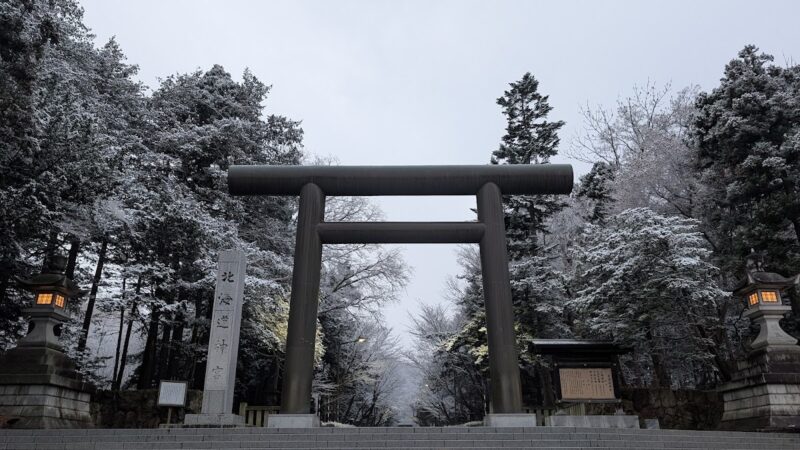
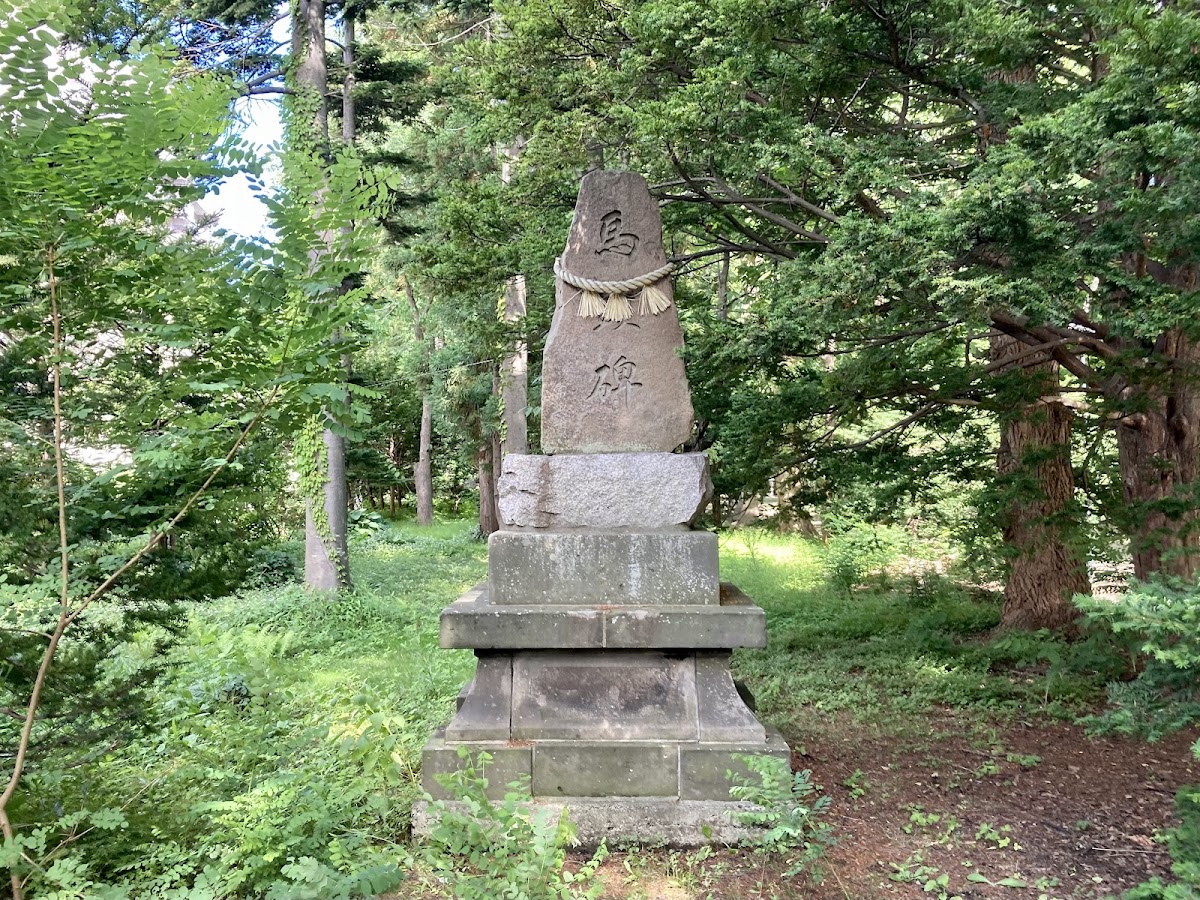
The grounds of Shinano Shrine are adjacent to Sapporo Municipal Shinano Elementary School and Shinano Park, and are located in a quiet residential area. Surrounded by trees, the grounds maintain a tranquil atmosphere despite being in an urban area, providing visitors with a peaceful time. Passing through the torii gate, the approach to the shrine leads to the main hall. The shrine grounds are of a moderate size and are a popular place of relaxation for local residents.
The Lively Atmosphere of the Annual Festival
The annual festival of Shinano Shrine is the most important religious ceremony of the year. During the festival, stalls line the approach from the entrance to the shrine grounds, and it is bustling with many children and local residents.
At the end of the festival, a dance performance takes place. Two dances, “Toyosaka no Mai” and “Urayasu no Mai,” performed by shrine maidens, and one dance, “Fukujin Asobi,” performed by an old man, are offered, and the religious ceremony is conducted in a solemn atmosphere. This traditional dance is one of the highlights of the Shinano Shrine annual festival.
Integration with Shinano Park
The adjacent Shinano Park is a popular place of relaxation for local residents. Combining a visit to the shrine with a stroll through the park makes for a more fulfilling experience. Especially from spring to autumn, the lush green environment welcomes visitors.
Access and Parking Information
Location
Address: 3-3, Atsubetsu-Chuo 4-jo 3-chome, Atsubetsu-ku, Sapporo City, Hokkaido
Postal Code: 〒004-0054
Access by Train
Shinano Shrine is easily accessible by public transportation.
From JR Hakodate Main Line “Atsubetsu Station”
- Approximately 4-5 minutes on foot (nearest station)
- After exiting the station, head south and you will see the shrine among the trees.
From JR “Shin-Sapporo Station” / Subway Tozai Line “Shin-Sapporo Station”
- Approximately 15-20 minutes on foot
- Route from the area around Shin-Sapporo Station towards Atsubetsu
Access by Car and Parking
If you are visiting by car, Shinano Shrine has parking spaces for visitors. However, congestion is expected during events such as the annual festival, so we recommend using public transportation.
Since the shrine is located in a residential area, please be considerate of the surrounding residents when visiting by car and pray quietly.
Goshuin (Shrine Seal) Information
About the Issuance of Goshuin
Shinano Shrine offers goshuin. Goshuin are popular among many visitors as proof of visiting the shrine and as a record of one’s connection with the deity.
If you wish to receive a goshuin, please speak to a staff member at the shrine office. However, since the shrine priest may not always be present, it is recommended to call ahead to confirm if you wish to receive a goshuin.
About Goshuincho (Shrine Seal Books)
If you do not have a goshuincho, it is recommended to check in advance whether Shinano Shrine provides them. Bringing a goshuincho received at another shrine is also acceptable.
When receiving a goshuin, it is considered good manners to visit the shrine office after completing your prayers. Since the goshuin is proof of your visit, please always pray first.
Annual Events and Festivals
Grand Festival
The Grand Festival of Shinano Shrine is the most important festival of the year. During the festival, a portable shrine procession, stalls, and dance performances take place, enveloping the entire community in a festive atmosphere.
The Toyosaka and Urayasu dances performed by shrine maidens, and the Fukujin Asobi dance performed by an old man, are traditional Shinto rituals witnessed by many worshippers.
Other Annual Events
Shinano Shrine holds various annual events in addition to its annual festival:
- Hatsumode: Bustling with worshippers welcoming the New Year
- Setsubun Festival: A Shinto ritual to ward off evil and invite good fortune
- Shichi-Go-San: A worship service celebrating the growth of children
- Natsukoshi no Oharae: A Shinto ritual to purify oneself of the impurities accumulated over the past six months
- Toshikoshi no Oharae: A Shinto ritual to purify oneself of the impurities accumulated over the past year
For dates and details of these events, please refer to the Hokkaido Shrine Association website or contact Shinano Shrine directly.
Shinano Shrine and the History of Hokkaido Development
Footprints of Pioneers from Shinshu
Shinano Shrine is not merely a religious facility, but also an important cultural heritage site that conveys the history of Hokkaido’s development. The settlement of 30 families, led by Yuzo Kawanishi, in Atsubetsu in 1881 (Meiji 14) is one of the important events in the history of Hokkaido’s development.
Settlers from Shinshu (Nagano Prefecture) cultivated farmland in a harsh natural environment, laying the foundation for the present-day Atsubetsu area. Shinano Shrine, as a testament to the hardships and achievements of these pioneers, forms the core of the region’s historical identity.
As the Center of the Local Community
Since its founding, Shinano Shrine has functioned as a central presence in the local community. In the early stages of settlement, the shrine also served as a meeting place, a place for settlers to exchange information and provide mutual assistance.
Even today, Shinano Shrine plays an important role as a spiritual pillar for local residents and as a place for intergenerational exchange. Through its annual festival and other events, community bonds are deepened.
Manners and Etiquette for Visiting a Shrine
Basic Etiquette for Visiting a Shrine
When visiting Shinano Shrine, please observe the following basic etiquette:
- Bow before the Torii Gate: Before entering the shrine grounds, bow before the torii gate.
- Purify yourself at the Water Basin: If there is a water basin, purify your hands and mouth.
- Walking along the Path: The center of the path is considered the path of the gods, so walk along the sides.
- Etiquette at the Main Hall: The basic etiquette is two bows, two claps, and one bow.
- Bow deeply twice.
- Clap your hands twice at chest height.
- Finally, bow deeply once.
Attire
For everyday visits, no special attire is required. However, please wear clean clothing that is respectful to the gods. For formal visits or prayers, a suit or formal attire is preferable.
Regarding Photography
Photography is generally permitted on the shrine grounds, but please refrain from taking photos inside the main hall or during religious ceremonies. It is also important to be considerate of other visitors.
Nearby Attractions
Shinano Elementary School
Sapporo Municipal Shinano Elementary School, adjacent to Shinano Shrine, is a central educational institution in the region. The proximity of the shrine and school demonstrates the close connection between local history and education.
Shin-Sapporo Area
The Shin-Sapporo area, within walking distance of Shinano Shrine, boasts numerous large commercial facilities and restaurants. You can enjoy shopping and dining before or after your visit.
Nature Around Atsubetsu
The Atsubetsu area offers many spots to enjoy nature. You can enjoy Hokkaido’s nature, which changes with the seasons, in conjunction with your shrine visit.
The Contemporary Significance of Shinano Shrine
Inheriting the Pioneer Spirit
Shinano Shrine is an important institution that conveys the spirit of the pioneers of the Meiji era. The efforts and courage of our predecessors who pioneered uncharted territories offer many valuable lessons for us living today.
The courage to try new things, the strength to face difficulties, and the love for community—these pioneering spirits are values that should be passed down through generations.
Harmony between City and Nature
Located in the urban area of Sapporo, yet surrounded by groves of trees, Shinano Shrine embodies the harmony between city and nature. It is a precious space for those seeking a moment of tranquility and spiritual peace amidst their busy daily lives.
A Place to Deepen Community Bonds
In modern society, the weakening of local communities is a problem, but Shinano Shrine continues to provide a place for interaction among local residents through its annual festival and other events. The role of the shrine as a place where intergenerational exchanges are born will continue to grow in importance.
Summary
Shinano Shrine is a historical and traditional shrine founded in the Meiji era by pioneers who settled in the area from Shinano Province. Shinano Shrine enshrines three deities: Takeminakata-no-Mikoto, Yasakatome-no-Mikoto, and Susanoo-no-Mikoto. It is believed to offer various blessings, including those related to pioneering and business development, marital harmony, fertility, and protection from evil.
Despite its convenient location just a 4-5 minute walk from JR Atsubetsu Station, the quiet grounds, surrounded by trees, offer a peaceful oasis away from the hustle and bustle of the city. During the annual festival, traditional dances are performed, enveloping the entire area in a festive atmosphere.
The shrine also offers Goshuin (stamped seals), making it a valuable place to visit while experiencing the history of Hokkaido’s pioneering. When visiting Atsubetsu Ward in Sapporo City, be sure to stop by Shinano Shrine and connect with the spirit of the pioneers.
As a member of the Hokkaido Shrine Association, Shinano Shrine will continue to be cherished by many as a spiritual center for local residents and a cultural heritage site that conveys the history of Hokkaido to the present day.