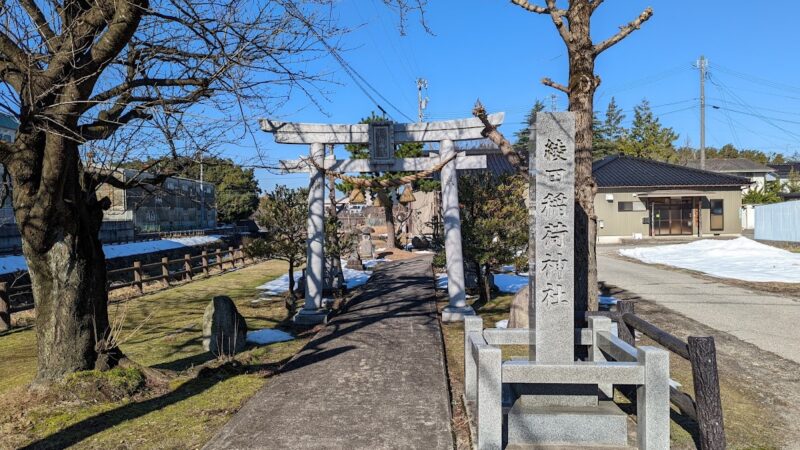
Complete Guide to Shinmei Shrine (Futada-cho, Toyama City, Toyama Prefecture) | History, Deities, Access, and Goshuin Information
Shinmei Shrine, located in Futada-cho, Toyama City, Toyama Prefecture, is a shrine that has long been cherished by the local community. This article provides detailed information useful for visitors, including the history of Shinmei Shrine, its enshrined deities, highlights of the grounds, access methods, and information on Goshuin (shrine stamps).
Basic Information on Shinmei Shrine (Futada-cho)
Shinmei Shrine is a shrine located in Futada-cho, Toyama City, and has long been revered as the local guardian deity.
Location and Contact Information
- Location: Futatsudai-machi, Toyama City, Toyama Prefecture
- Postal Code: 939-8211 (Futatsudai-machi area)
- Access: Located northeast of central Toyama City, on the eastern side of the Kureha Hills.
Shrine Overview
The name “Shinmei-sha” is commonly found in shrines that enshrine Amaterasu Omikami as their principal deity. Numerous Shinmei-sha shrines exist throughout Japan, each cherished as a guardian deity of its region. The Shinmei-sha in Futatsudai-machi, Toyama City, is one such shrine that carries on this tradition.
Deity and Divine Virtues
Principal Deity
The principal deity of Shinmei-sha shrines is generally Amaterasu Omikami. Amaterasu Omikami is the supreme deity in Japanese mythology and is revered as the ancestral deity of the Imperial Family.
Divine Virtues of Amaterasu Omikami
Amaterasu Omikami is known as the sun goddess and is believed to possess the following divine virtues:
- National Peace and Prosperity of the Imperial Family: As the guardian deity of Japan
- Abundant Harvests: Prayers for agricultural development and bountiful harvests
- Good Fortune and Prosperity: Bringing good fortune and happiness
- Protection from Evil: Protection from disasters
- Family Safety: Health and safety of the family
Enshrined Deities
In some Shinmei shrines, other deities are enshrined alongside Amaterasu Omikami. Depending on the local history and beliefs, deities such as Toyouke Omikami may be enshrined together.
History and Origins of Shinmei Shrines
Origins of Shinmei Shrines
Regarding the founding date of Shinmei shrines, as with many Shinmei shrines in other regions, clear records are often lacking. However, it is a shrine that has walked hand in hand with the history of Futadai Town.
Historical Background of Futada Town
Futada Town is located in the northeastern part of Toyama City and has developed as an agricultural area since ancient times. The people of this region have revered the Shinmei Shrine as their tutelary deity, praying for abundant harvests and peace in the community.
Spread of Shinmei Faith
Shinmei faith spread throughout Japan through the enshrinement of Amaterasu Omikami, the deity of Ise Grand Shrine. From the medieval period onward, with the rise of Ise faith, Shinmei shrines were built in various locations. Numerous Shinmei shrines exist within Toyama Prefecture, and the Shinmei Shrine in Futada Town has been one of them, serving as a center of local faith.
Changes Since the Modern Era
Japanese shrines have undergone various changes, including the Meiji-era policy of shrine consolidation and the enactment of the Religious Corporations Law after World War II. The Shinmei Shrine in Futada Town has also continued to protect the faith of the local people amidst these historical changes.
Highlights of the Shrine Grounds
Shrine Building
The shrine buildings of Shinmei Shrines often employ the Shinmei-zukuri architectural style, but various forms exist depending on the region. The Shinmei Shrine in Futadai-cho also features architecture suited to the local climate and environment.
Torii Gate
A torii gate stands at the entrance to the shrine, marking the entrance to the sacred area. It is customary to bow before passing through the torii gate.
Water Basin
There is a water basin for purifying the body and mind before worship. Please purify yourself using the correct water basin procedure before worshipping.
Proper Hand-Washing Etiquette
- Take the ladle with your right hand and wash your left hand.
- Switch the ladle to your left hand and wash your right hand.
- Switch the ladle back to your right hand, receive water in your left hand, and rinse your mouth.
- Wash your left hand again.
- Hold the ladle upright, wash the handle, and return it to its original place.
Subsidiary Shrines
Some shrines have subsidiary shrines (sessha/massha) dedicated to deities other than the main deity. These deities are also cherished as objects of local worship.
Sacred Trees and Nature
Shrines with long histories may have sacred trees hundreds of years old. These trees are revered by worshippers as having watched over the history of the shrine.
Worship Methods and Manners
Basic Worship Etiquette
Here’s how to properly worship at a shrine.
Two Bows, Two Claps, One Bow
- Two Bows: Bow deeply twice before the shrine.
- Two Claps: Clap your hands twice at chest height (slightly lowering your right hand).
- One Bow: Bow deeply one last time.
Attire for Worship
While casual attire is acceptable, please observe the following:
- Wear clean clothing.
- Avoid overly revealing clothing.
- Remove hats and sunglasses before worship.
- Formal attire is preferable for formal worship.
Photography Etiquette
- Photography inside the main shrine is generally prohibited.
- Take photos on the shrine grounds with moderation.
- Be considerate of other worshippers.
- Do not take photos in areas where photography is prohibited.
Annual Events and Festivals
Shinmei Shrine holds various festivals throughout the year. Here are some examples of typical annual events at Shinto shrines.
Main Annual Events
January
- New Year’s Day Festival: A festival celebrating the New Year
- First Shrine Visit of the Year: The first visit to a shrine in the new year
February
- Setsubun Festival: A ritual to ward off evil spirits, including bean-throwing
- Kigen Festival: A festival coinciding with National Foundation Day
April
- Spring Festival: A festival celebrating the arrival of spring
July
- Summer Purification Ceremony: A Shinto ritual to purify oneself of the impurities accumulated over the past six months
September
- Autumn Festival: A festival to give thanks for the harvest
November
- Shichi-Go-San Festival: A festival celebrating the growth of children
- Niiname-sai Festival: A harvest festival
December
- Year-End Grand Purification Ceremony: A Shinto ritual to purify oneself of the impurities accumulated over the year
Regarding the Annual Festival
The annual festival, the most important event at a shrine, varies in date depending on the region. It is recommended to check the date of the annual festival at Shinmei Shrine in Futadai-cho in advance.
Goshuin (Shrine Seal) Information
Regarding Goshuin
Goshuin are seals given as proof of visiting a shrine. Collecting goshuin has become a popular hobby in recent years.
How to Receive a Goshuin (Shrine/Temple Seal)
- Complete your visit first: A Goshuin is proof of your visit, so always visit the shrine first.
- Request at the shrine office: Open your Goshuin book and show the page where you would like the seal written.
- Pay the offering: Generally around 300-500 yen.
- Wait quietly: Wait quietly while the seal is being written.
- Express your gratitude: When receiving the seal, say “Thank you.”
Goshuin Etiquette
- Understand that this is not a stamp rally.
- Do not force a request if a priest or shrine maiden is absent.
- Treat pre-printed Goshuin with the same care.
- Collecting for resale purposes is strictly prohibited.
Goshuin of Futashiro-cho Shinmei Shrine
It is recommended to check in advance whether Futashiro-cho Shinmei Shrine offers Goshuin. Smaller shrines may not offer them all the time.
Access Methods
Location
Futada-machi, Toyama City, Toyama Prefecture
Access by Car
From Central Toyama City
- Approximately 15-20 minutes by car from Toyama Station
- Approximately 20 minutes from Toyama IC on the Hokuriku Expressway
Parking
Parking availability varies depending on the size of the shrine. Avoid street parking as it will inconvenience neighbors; consider using nearby coin-operated parking lots.
Access by Public Transportation
By Bus
Use bus routes towards Futada-machi, such as the Toyama Chihō Railway bus. It is accessible on foot from the nearest bus stop.
Nearest Station
- Take a bus or taxi from JR Toyama Station
Landmarks in the Surrounding Area
Futada-machi is a residential and rural area in the northeastern part of Toyama City. Local residents are often happy to provide directions.
Attractions around Futatsudai-machi
Tourist Spots in Toyama City
Here are some of the main tourist spots in Toyama City that you might want to visit before or after visiting Shinmei Shrine.
Toyama Castle Ruins Park
A historical park located in the heart of Toyama City. It houses a local history museum where you can learn about the history of Toyama Castle.
Fugan Canal Kansui Park
A city park where you can enjoy beautiful waterside scenery. It’s also known as the “world’s most beautiful Starbucks store.”
Kurehayama Park
An observation spot offering panoramic views of Toyama City. It’s also famous as a cherry blossom viewing spot.
Toyama’s Gourmet Food
- Toyama Black Ramen: Characterized by its rich soy sauce flavor
- White Shrimp: A delicacy known as the jewel of Toyama Bay
- Firefly Squid: A taste of spring
- Masu Sushi: A representative local dish of Toyama
Other Shinmei Shrines in Toyama Prefecture
Many Shinmei Shrines are located in Toyama Prefecture, not just in Futatsudai-cho.
Major Shinmei Shrines
- Shinmei Shrine (Other areas of Toyama City)
- Shinmei Shrine (Takaoka City)
- Shinmei Shrine (Imizu City)
- Other Shinmei Shrines in various locations
Each Shinmei Shrine conveys the history and beliefs of its region to the present day.
The Significance of Visiting Shinmei Shrines
As the Guardian Deity of the Region
Shinmei Shrine has been the guardian deity of Futatsudai-cho, closely intertwined with the lives of the local people. Various prayers are offered, including for regional safety, abundant harvests, and family safety.
Preserving Japanese Culture
Visiting a shrine is an opportunity to experience and preserve traditional Japanese culture. Learning proper etiquette and manners and passing them on to future generations is important.
Peace of Mind
The tranquil atmosphere of a shrine provides a place to escape the hustle and bustle of everyday life and find peace of mind. Visiting a shrine can refresh your spirit.
Precautions During Shrine Visits
Basic Manners
- Treat the shrine grounds with care as they are a sacred place.
- Do not make loud noises.
- Always take your trash with you.
- Pets are generally prohibited (except for guide dogs, etc.).
- Eat and drink only in designated areas.
Safety Precautions
- Be careful as stone steps and paths can be slippery.
- Take precautions against heatstroke in summer.
- Take precautions against cold and snow in winter.
- Act cautiously, as accidents on the shrine grounds are often the responsibility of the individual.
COVID-19 Prevention Measures
Please implement the following measures depending on the situation.
- Wear a mask
- Disinfect your hands
- Maintain social distancing
- Avoid visiting during crowded times
Shrine Visit Q&A
What is the best time to visit a shrine?
Generally, shrines are open for worship from sunrise to sunset. Visiting in the refreshing morning hours is recommended.
What is the average offering fee?
The offering fee for prayers is generally 5,000 yen or more. A Goshuin (shrine stamp) costs around 300 to 500 yen.
Can I visit a shrine on a rainy day?
You can still visit a shrine on a rainy day. In fact, it’s said that the shrine grounds, washed clean by rain, have an even more sacred atmosphere.
What should I pray for?
Basically, it’s good to express your gratitude and pray for the health of your family and the peace of your community. Personal wishes should also be prayed for with humility.
Summary
Shinmei-sha Shrine in Futada-machi, Toyama City, Toyama Prefecture, is a shrine that has long been cherished by the local people. It enshrines Amaterasu Omikami as its principal deity and continues to watch over the safety and prosperity of the region.
When visiting, please observe the correct etiquette and manners, and offer your prayers with sincerity. A shrine is not merely a tourist spot; it is a sacred place where the faith and history of the region breathe life into.
When you visit Toyama, please be sure to visit Shinmei-sha Shrine in Futada-machi and experience the region’s history and culture. You can find peace of mind in the tranquil grounds and experience traditional Japanese faith culture.
We hope that through your visit, you can escape the hustle and bustle of everyday life and find inner peace.