
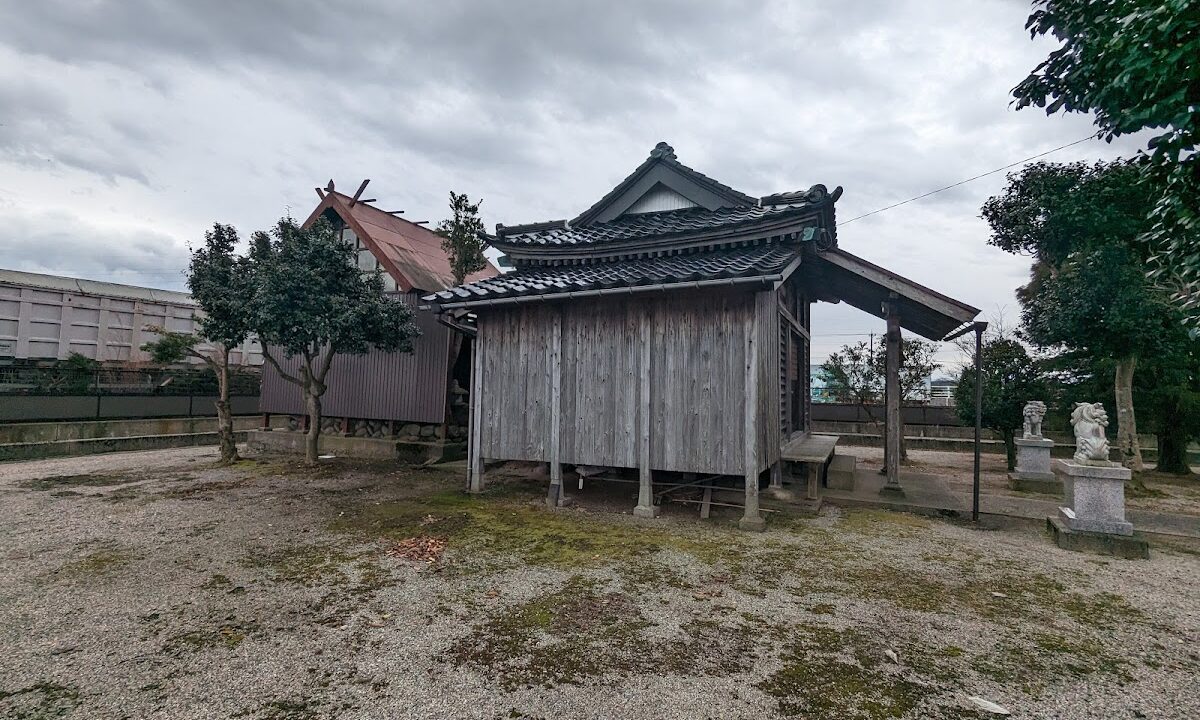
Complete Guide to Shinmei Shrine (Higashi-Ota, Toyama City, Toyama Prefecture)
Shinmei Shrine, located in Higashi-Ota, Toyama City, Toyama Prefecture, is a historic shrine that has long been cherished by the local community. This article provides detailed information you should know before visiting, including the shrine’s history, enshrined deities, highlights within the grounds, visiting information, and access methods.
Basic Information on Shinmei Shrine (Higashi-Ota)
Shinmei Shrine is located in the Higashi-Ota district of Toyama City and has long been revered as the local guardian deity. It is characterized by its tranquil environment, nestled amidst the gentle rural landscape of the Toyama Plain, allowing visitors to experience the changing seasons while worshipping.
Location and Contact Information
- Location: Higashi-Ota, Toyama City, Toyama Prefecture
- Shrine Rank: Village Shrine
- Annual Festival Day: Held according to local tradition
Deities and Divine Virtues of Shinmei Shrine
Main Deity
The main deity of Shinmei Shrine is Amaterasu Omikami. Amaterasu Omikami is the supreme deity in Japanese mythology and is revered as the ancestral deity of the Imperial Family.
Divine Virtues (Benefits)
The Shinmei Shrine, dedicated to Amaterasu Omikami, is believed to offer the following divine virtues:
- National Peace and Safety/Family Safety: Protecting families and the nation with the power of the sun goddess
- Good Fortune and Prosperity: Bringing all kinds of good fortune
- Protection from Evil: Driving away disasters
- Abundant Harvest: Praying for a bountiful harvest as the guardian deity of agriculture
- Business Prosperity: Watching over the development of one’s livelihood
History and Origins of Shinmei Shrine
Circumstances of Founding
According to old local records, Shinmei Shrine has been worshipped since ancient times as the tutelary deity of the Higashi-Ota district. The name “Shinmei” is widely used for shrines dedicated to Amaterasu Omikami, and there are shrines with the same name throughout Japan.
Connection with the Community
The Higashi-Ota district has developed as an agricultural area in the Toyama Plain, and Shinmei Shrine has functioned as a center of faith for people engaged in agriculture. Historically, rituals deeply intertwined with agricultural ceremonies, such as prayers for a bountiful harvest in spring and thanksgiving for the harvest in autumn, have been performed there.
Changes Since the Modern Era
Due to the reform of the shrine system during the Meiji era, Shinmei Shrine was designated a village shrine. Even amidst the social changes of the post-war period, the local residents’ parishioner organization has protected the shrine and preserved its traditions. Even today, it is cherished as a spiritual pillar of the local community.
Highlights of the Shrine Grounds
Shrine Building
The shrine building of Shinmei Shrine is based on the traditional Shinmei-zukuri style. Although not large in scale, the carefully maintained shrine building reflects the deep faith of the local people.
Atmosphere of the Shrine Grounds
The shrine grounds are enveloped in a tranquil atmosphere, allowing for peaceful worship away from the hustle and bustle of urban areas. Surrounded by trees, the natural environment, which displays different expressions with each season, is one of its charms.
Stone Monuments and Memorials
Within the shrine grounds, there are sometimes stone monuments and memorials that tell the story of the region. These are valuable resources for understanding the history of the shrine and the changes in the area.
Etiquette and Manners for Worship
Basic Worship Method
When visiting Shinmei Shrine, please observe the following basic etiquette:
- Bow before passing through the torii gate: This is a sign of respect when entering the sacred area.
- Avoid walking in the center of the approach: The center is considered the path of the gods.
- Purify yourself at the water basin: Purify your left hand, right hand, and mouth in that order.
- Etiquette in front of the main hall: Two bows, two claps, and one bow are the basics.
Attire for Worship
There are no specific dress code requirements, but clean clothing that reflects the sacred nature of the place is desirable.
Regarding Photography
Photography is generally permitted within the shrine grounds, but it is considered good manners to refrain from taking photos inside the shrine buildings or during festivals. If you are unsure, please check with locals or those involved.
Regarding Goshuin (Shrine Seals)
Issuance of Goshuin
Regarding the issuance of Goshuin at Shinmei Shrine (Higashi-Ota), it is recommended to check in advance, as there may not be a permanent shrine office. Smaller shrines may have the chief priest handling Goshuin as well, or may only offer it on specific dates and times.
If You Wish to Obtain a Goshuin
Those wishing to obtain a Goshuin should consider the following methods:
- Inquire with the Toyama City Shrine Association or nearby shrines
- Contact the local parishioners’ representative
- Visit on special days such as the annual festival
Annual Events and Festivals
Grand Festival
Shinmei Shrine holds its annual Grand Festival. Local people gather, and there may be a portable shrine procession and dedication ceremonies. Specific dates vary depending on local customs, but they are often held in the autumn.
Other Festivals
- New Year’s Day Festival: Prayers for peace in the new year
- Spring Festival: Prayers for a bountiful harvest
- Summer Purification Ceremony: Purification of impurities accumulated over the past six months
- Niiname-sai Festival: A festival expressing gratitude for the harvest
Access
Access by Car
Access to Shinmei Shrine is convenient by car.
Route from Major Roads:
- Approximately 15-20 minutes from central Toyama City via National Route 359, etc.
- Approximately 20 minutes by car from Toyama IC on the Hokuriku Expressway
Parking: There may be parking spaces for visitors on the shrine grounds or nearby. Temporary parking may be provided during festivals.
Access by Public Transportation
If using public transportation:
- Nearest Station: Take a local bus or taxi from a JR Takayama Line station.
- Local Bus: Check the Toyama Chihō Railway bus routes and walk from the nearest bus stop.
Since the Higashi-Ota area is located in the suburbs, the number of public transportation services may be limited. We recommend checking the timetable in advance.
Landmarks in the Area
As the Higashi-Ota area is located in a rural area, asking locals for directions will help you arrive smoothly. If using a car navigation system, search for “Toyama City Higashi-Ota Shinmei Shrine”.
Nearby Tourist Attractions
Shrines and Temples in Toyama City
After visiting Shinmei Shrine, you can also visit other shrines and temples in Toyama City:
- Toyama Prefectural Gokoku Shrine: A large shrine located in the heart of Toyama City
- Hie Shrine: An ancient shrine known as the guardian shrine of Toyama
- Toyama Castle Ruins Park: A park where you can feel history and culture
Nature and Scenic Spots
- View of the Tateyama Mountain Range: If the weather is good, you can see the magnificent Tateyama Mountain Range from the Toyama Plain
- Jinzu River: A natural landscape of Toyama’s representative first-class river
Gourmet Food and Local Products
Around Toyama City, you can enjoy local gourmet food such as fresh seafood from Toyama Bay, masu sushi, and Toyama Black Ramen.
Guidelines for Visiting Shinmei Shrine
Character as a Local Shrine
Shinmei Shrine (Higashi-Ota) is not a large, touristy shrine, but a local guardian shrine deeply rooted in the community. When visiting, it is important to respect that it is a place of worship for the local people and to worship quietly.
Connection with the Local Community
The maintenance and management of the shrine is made possible by the service of local residents. Please understand that it is protected by the dedicated activities of the parishioners, such as cleaning the grounds and preparing for festivals.
Best Season for Visiting
Shinmei Shrine is open year-round, but the best times to visit are:
- Spring (April-May): Beautiful fresh greenery and a refreshing atmosphere for worship.
- Autumn (October-November): The season of autumn leaves, and the annual festival is sometimes held.
- New Year’s Day: Welcome the new year with local residents as part of the first shrine visit of the year.
About Shinmei Shrines in Toyama
Spread of Shinmei Faith
There are several Shinmei Shrines in Toyama Prefecture. This indicates the widespread belief in Amaterasu Omikami. Each Shinmei Shrine has its own unique history and characteristics.
Characteristics of Higashi-Ota Shinmei Shrine
Higashi-Ota Shinmei Shrine, located in the rural area of the Toyama Plain, has strong ties to agriculture. Prayers for a bountiful harvest and harvest thanksgiving ceremonies have been emphasized.
Precautions When Visiting the Shrine
Manners on the Shrine Grounds
- Refrain from loud conversations and noise.
- Always take your trash with you.
- Do not enter restricted areas.
- Be mindful of the sacred nature of the place.
Visiting During Festivals
When visiting during festivals such as the annual grand festival, please understand that it is a local event and participate with moderation as a visitor. Please follow the instructions of local residents regarding parking, the order of worship, etc.
Precautions Based on Weather and Season
- Winter: Toyama is a region with heavy snowfall. Caution is needed regarding snow accumulation when visiting in winter.
- Summer: Don’t forget insect repellent and heatstroke prevention measures.
- Rainy Days: The shrine grounds may become slippery, so please watch your step.
Finding Peace of Mind at Shinmei Shrine
A Pilgrimage Experience in Silence
Shinmei Shrine in Higashi-Ota is located in a quiet environment away from the hustle and bustle of urban areas. Visiting the shrine in this tranquil setting offers a precious time to escape the hustle and bustle of daily life and find peace of mind.
Harmony with Nature
The natural environment surrounding the shrine grounds allows you to feel the changing seasons. The budding of spring, the greenery of summer, the harvest of autumn, and the stillness of winter. Visiting in each season allows you to experience the harmony between nature and Shinto.
Experiencing Local History
Visiting a shrine is also about experiencing the history and culture of the region. You can feel how the Higashi-Ota area has developed and what kind of faith the people have held.
Frequently Asked Questions
Preparations for First-Time Visitors
If you are visiting Shinmei Shrine for the first time, it is reassuring to check the basic etiquette of shrine visits beforehand. No special preparations are necessary, but it is a good idea to have some small change for offerings.
Wheelchair Access
We recommend checking the accessibility of the shrine grounds in advance. Small local shrines may have steps.
Bringing Pets
Generally, bringing pets into shrine grounds requires consideration, such as keeping them on a leash. If unsure, please check with local residents.
Summary
Shinmei Shrine, located in Higashi-Ota, Toyama City, Toyama Prefecture, is a historical shrine deeply rooted in the community. It enshrines Amaterasu Omikami and has long been a place of worship for the local people. Its charm lies in its peaceful environment amidst a tranquil rural landscape, allowing for a peaceful visit.
When visiting Toyama, why not visit local shrines like this one, in addition to tourist attractions? There, you can feel the history of the region and the faith of its people.
When visiting, please respect that this is a place of worship for the local people and observe proper etiquette. We hope that your quiet time at Shinmei Shrine will bring peace to your heart.


