Shinmei Shrine (Nakajojima-cho, Tokushima City, Tokushima Prefecture) | A Historic Shrine Protecting the Northeast Direction of Tokushima Castle
Located in Nakajojima-cho 1-chome, Tokushima City, Shinmei Shrine is a historic shrine that has played an important role in protecting the northeast direction (the “demon’s gate”) of Tokushima Castle. With Amaterasu Omikami as its principal deity and deep ties to the Hachisuka family, this shrine remains a center of faith for local residents and continues to welcome many worshippers.
Overview of Shinmei Shrine
Shinmei Shrine is located at 1-31 Nakajojima-cho, Tokushima City, Tokushima Prefecture, and enshrines Amaterasu Omikami as its principal deity. It is one of the Shinmei Shrines, with Ise Grand Shrine’s Inner Shrine as its head shrine. Of the approximately 5,000 to 18,000 Shinmei Shrines nationwide, 16 are confirmed to be located in Tokushima Prefecture.
Basic Information
Location: 1-31 Nakatsunejima-cho, Tokushima City, Tokushima Prefecture
Deity Enshrined: Amaterasu Omikami
Divine Blessings:
- Academic Success
- Traffic Safety
- Marriage
- Safe Childbirth
- Family Safety
- Business Prosperity
Main Festivals:
- New Year’s Day Festival (January 1st)
- Daikagura (April 1st)
- Summer Festival (July 20th)
- Autumn Festival (October 11th)
History and Origins
The history of Shinmei Shrine is closely related to the establishment of the Tokushima Domain. The relocation of this shrine has an important historical background: the construction of Tokushima Castle.
Construction of Tokushima Castle and the Relocation of Shinmei Shrine
In 1585 (Tensho 13), Hachisuka Iemasa received Awa Province and began construction of Tokushima Castle on Izan (present-day Tokushima Castle Mountain). During the construction of Tokushima Castle, the Shinmei Shrine, which was located at the eastern foot of the castle mountain (some sources say the northern foot), was relocated to its current location in Tsunejima to protect against evil spirits from the northeast (the “demon’s gate”).
Role of Protecting the Northeast
Since ancient times, the northeast (the “demon’s gate”) has been feared as a direction from which evil spirits easily enter. By relocating the Shinmei Shrine to its current location, northeast of Tokushima Castle, it was given the role of protecting the castle and the castle town. This placement demonstrates important religious and feng shui considerations in Hachisuka Iemasa’s castle town design.
Connection with the Hachisuka Family
The Shinmei Shrine developed under the patronage of the Hachisuka family. The shrine was a significant religious site for the domain, with visits and donations made by the feudal lord. Throughout the Edo period, Shinmei Shrine continued to function as one of the spiritual pillars of Tokushima’s castle town.
Relationship with Nakanocho
The street running east-west north of Shinmei Shrine (along the current northern edge of Tokushima University) was called “Nakanocho.” This place name remains an important element in conveying the region’s history and reflects the town’s structure centered around Shinmei Shrine.
Geography and Location
Shinmei Shrine is located northeast of the center of Tokushima City, situated on Tsunejima, a sandbar between the Shinmachi River and the Sukenami River.
Surrounding Environment
The area surrounding Shinmei Shrine is an educational district adjacent to the Tokushima University Tsunejima Campus. It retains traces of its former castle town character while also possessing modern urban amenities. Located in a scenic environment along the Shinmachi River, it offers a chance to experience the beauty of nature throughout the seasons.
Characteristics of the Tsuneshima Area
Tsuneshima is a historic town that has developed since the Edo period, located on the delta of the Yoshino River. Shinmei Shrine is the central shrine of this area, serving as a focal point for the local community.
Shrine Grounds
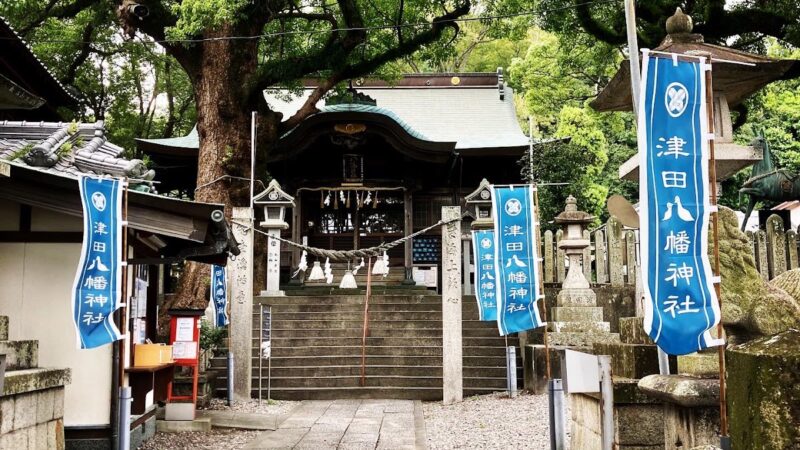
Despite being in an urban area, the grounds of Shinmei Shrine maintain a tranquil atmosphere. As you proceed along the approach, you’ll find stone steps leading to the main hall, and the grounds are lined with ancient trees.
Shrine Architecture
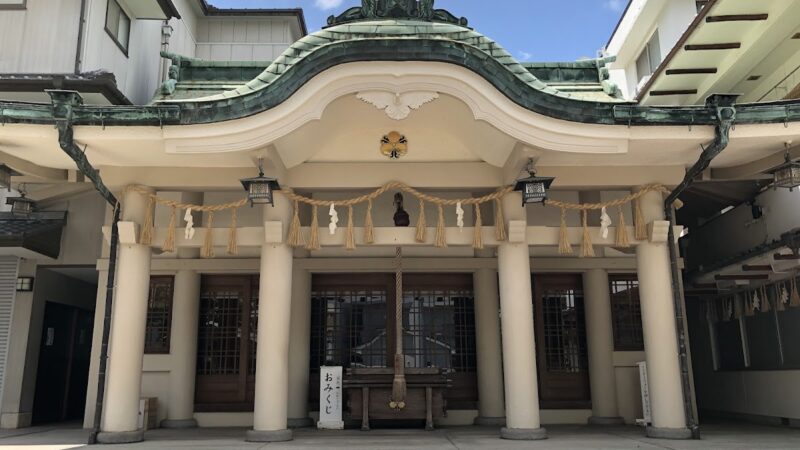
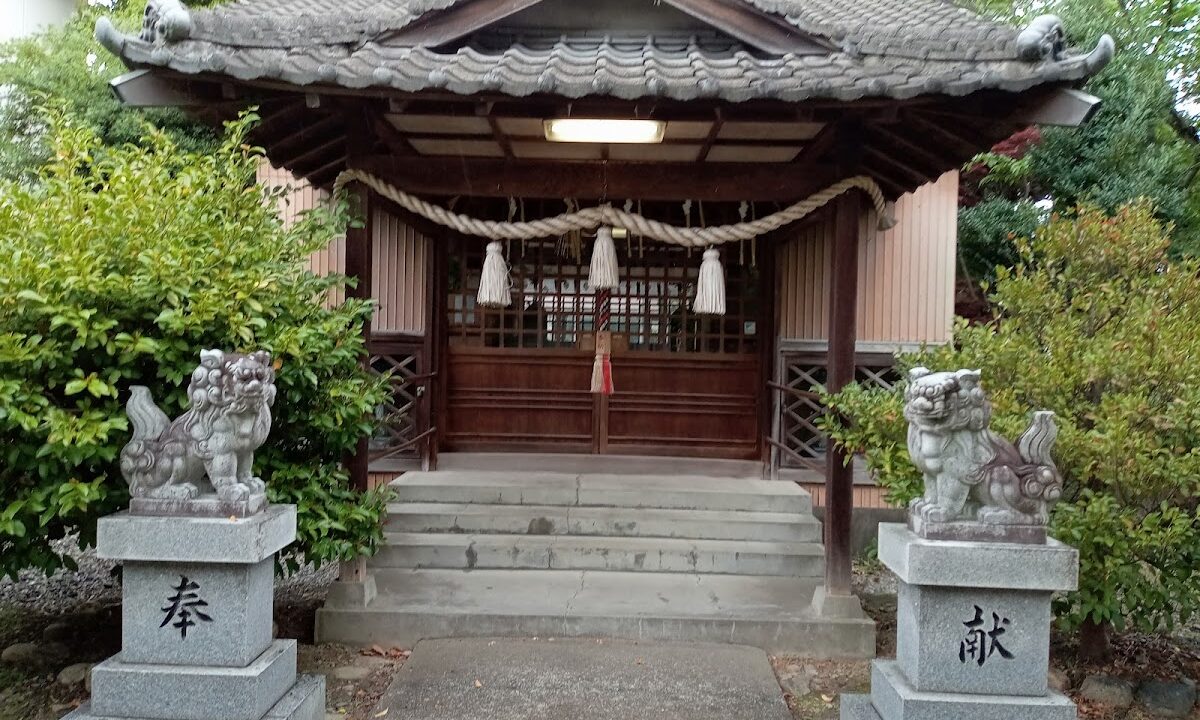
The main hall features the Shinmei-zukuri architectural style, inheriting the style of Ise Grand Shrine, exhibiting a simple yet dignified appearance. The worship hall has an open design to welcome visitors, creating an atmosphere where local people can easily visit.
Shrine Facilities
The shrine grounds are equipped with facilities such as a purification fountain and a shrine office, ensuring the convenience of visitors. Furthermore, the grounds are meticulously cleaned and maintained, reflecting the affection and respect that local residents have for the shrine.
Annual Events and Festivals
Shinmei Shrine holds various festivals throughout the year. These events are important opportunities to preserve local traditions and deepen community bonds.
New Year’s Day Festival (January 1st)
This is the most important festival to welcome the new year. Many worshippers visit for their first shrine visit of the year, praying for safety and prosperity throughout the year. During the New Year’s Day Festival, a solemn New Year’s ritual is performed, and worshippers are given amulets and protective arrows.
Grand Kagura Performance (April 1st)
This is an important festival celebrating the arrival of spring, where Kagura (sacred dance and music) are performed. This event is considered particularly prestigious among Shinmei Shrine’s annual events, and many local people participate. Traditional Kagura performances are presented, expressing gratitude to the gods and praying for a bountiful harvest.
Summer Festival (July 20th)
This is a summer festival, praying for good health and protection from illness during the hot season. A gathering of local residents, this event is a beloved summer tradition.
Autumn Festival (October 11th)
This is a grand autumn festival expressing gratitude for the harvest. As an important festival to give thanks for a bountiful harvest and to pray for a good harvest next year, it is celebrated grandly throughout the community.
Divine Virtues and Faith
Amaterasu Omikami, the enshrined deity of Shinmei Shrine, is the supreme deity in Japanese mythology and is revered as the sun goddess. Her divine virtues are wide-ranging.
Academic Achievement
Due to its location adjacent to Tokushima University, many students and those preparing for entrance exams visit the shrine to pray for academic success. People visit hoping for academic improvement through the divine virtues of Amaterasu Omikami’s wisdom and light.
Traffic Safety
Prayers for traffic safety, an important aspect of modern society, are also offered. It attracts the faith of local residents who pray for safe daily commutes to work and school.
Marriage and Safe Childbirth
Many prayers are offered for important life milestones such as marriage and childbirth. Due to the belief in the maternal aspect of Amaterasu Omikami, worshippers visit seeking blessings for safe childbirth and fertility.
Access and Transportation
There are several ways to access Shinmei Shrine, including public transportation and private cars.
Access by Public Transportation
Bus: Take a Tokushima City Bus or Tokushima Bus and get off at the “Tsunejima” bus stop, then walk for about 5 minutes. Multiple routes operate from Tokushima Station, making access relatively convenient.
JR: It takes about 25 minutes to walk from JR Tokushima Station. The route along the Shinmachi River offers scenic views, allowing for a pleasant stroll during your visit.
Access by Private Car
It takes about 10 minutes by car from the center of Tokushima City. While there is limited parking space around Shinmei Shrine, congestion is expected during major festivals, so using public transportation is recommended. ### Roads
Access is possible via National Route 11 and prefectural roads. Using Tokushima University as a landmark will make it easier to find.
Nearby Attractions
Around Shinmei Shrine, there are numerous places where you can experience Tokushima’s history and culture.
Tokushima University Tsunejima Campus
Located very close to Shinmei Shrine, the Tokushima University campus is known for its lush green environment. The academic atmosphere and the historic shrine create a unique landscape.
Shinmachi River and Sukenami River
The Shinmachi River and Sukenami River, flowing around Shinmei Shrine, are representative rivers of Tokushima City’s waterfront landscape. The riverside promenade is a place of relaxation for citizens, where you can enjoy the scenery of each season.
Tokushima Castle Ruins
The site of Tokushima Castle, where Shinmei Shrine played a role in protecting against evil influences, is now developed as Tokushima Central Park. It is within walking distance of Shinmei Shrine, and you can trace the history of the Hachisuka family.
Engagement with the Local Community
Shinmei Shrine is more than just a religious facility; it functions as a central hub for the local community.
Participation in Local Events
Shinmei Shrine’s festivals are considered important local events, with neighborhood associations and community groups actively involved. Intergenerational exchanges are fostered through the preparation and operation of these festivals.
Cultural Transmission
Traditional events centered around the shrine provide important opportunities to pass on local culture to future generations. Children participating in the festivals learn about local history and traditions.
Disaster Prevention and Crime Prevention Hub
The shrine grounds also serve as a disaster prevention hub for the community. Furthermore, as a place where people are constantly present, it contributes to local crime prevention.
Characteristics and Charm of Shinmei Shrine
Shinmei Shrine possesses unique characteristics and charms not found in other shrines.
Historical Space in an Urban Area
Despite its location near the center of Tokushima City, it maintains a historical space that dates back to the Edo period. A precious place where you can feel the continuity of history in a modern urban environment.
Harmony with the Academic City
Located adjacent to Tokushima University, it creates a unique atmosphere where scholarship and faith harmonize. It also serves as a spiritual anchor for students.
Tradition of Protecting the Northeast
The history of its relocation, with the clear role of protecting the northeast (demon’s gate) of Tokushima Castle, clearly defines the significance of the shrine. This tradition continues today, strengthening its character as a shrine protecting the region.
Etiquette and Manners for Worship
When visiting Shinmei Shrine, it is important to observe basic shrine worship etiquette.
Worship Procedure
- Bow before passing through the torii gate: Before entering the sacred area, bow as a sign of respect.
- Purify at the water basin: Purify your left hand, then your right hand, and finally rinse your mouth.
- How to walk along the approach to the shrine: The center of the approach is considered the path of the gods, so please walk along the sides.
- Worship at the main hall: Please worship using the two bows, two claps, and one bow ritual.
Mindset when visiting a shrine
Shrines are sacred places. Please worship quietly and be considerate of other worshippers. Photography is only permitted in designated areas, and please treat the plants and facilities on the shrine grounds with care.
The future and prospects of Shinmei Shrine
Shinmei Shrine has a long history, yet it continues to explore its role in modern society.
Inheritance of tradition
With the declining birthrate and aging population, securing people to carry on festivals and passing on traditional events are challenges. However, thanks to the enthusiasm of local residents and parishioners, these traditions are steadily being passed on to the next generation.
A New Form of Worship
The number of young visitors, including students from Tokushima University, is increasing, and the shrine is also fulfilling a role in meeting modern needs such as academic success and job-hunting prayers.
Collaboration with the Community
In today’s world, where the weakening of local communities is a concern, Shinmei Shrine is becoming increasingly important as a place to deepen community ties. Intergenerational exchange through festivals and events contributes to the formation of a sustainable local community.
Summary
Shinmei Shrine, located in Nakatsunejima-cho, Tokushima City, is a historical shrine that was relocated with the clear role of protecting Tokushima Castle from evil influences. It was positioned as a spiritual pillar of the castle town at the important historical turning point of the construction of Tokushima Castle by Hachisuka Iemasa.
Enshrining Amaterasu Omikami as its main deity, it attracts the faith of local residents through its diverse divine blessings, including academic success, traffic safety, marriage, and safe childbirth. The festivals held throughout the year, such as the New Year’s Day Festival, the Grand Kagura Performance, the Summer Festival, and the Autumn Festival, are important opportunities to pass on local traditions and deepen community bonds.
Located adjacent to Tokushima University, the shrine creates a unique atmosphere where academics and faith harmonize, attracting many students and young worshippers. Despite being in an urban area, Shinmei Shrine maintains its historical space and continues to play its role as a spiritual center for the region in the modern age.
When visiting Tokushima City, be sure to visit this historic Shinmei Shrine. In the tranquil atmosphere of the shrine, which has protected the northeast direction of Tokushima Castle, you can feel the history and traditions of Tokushima.