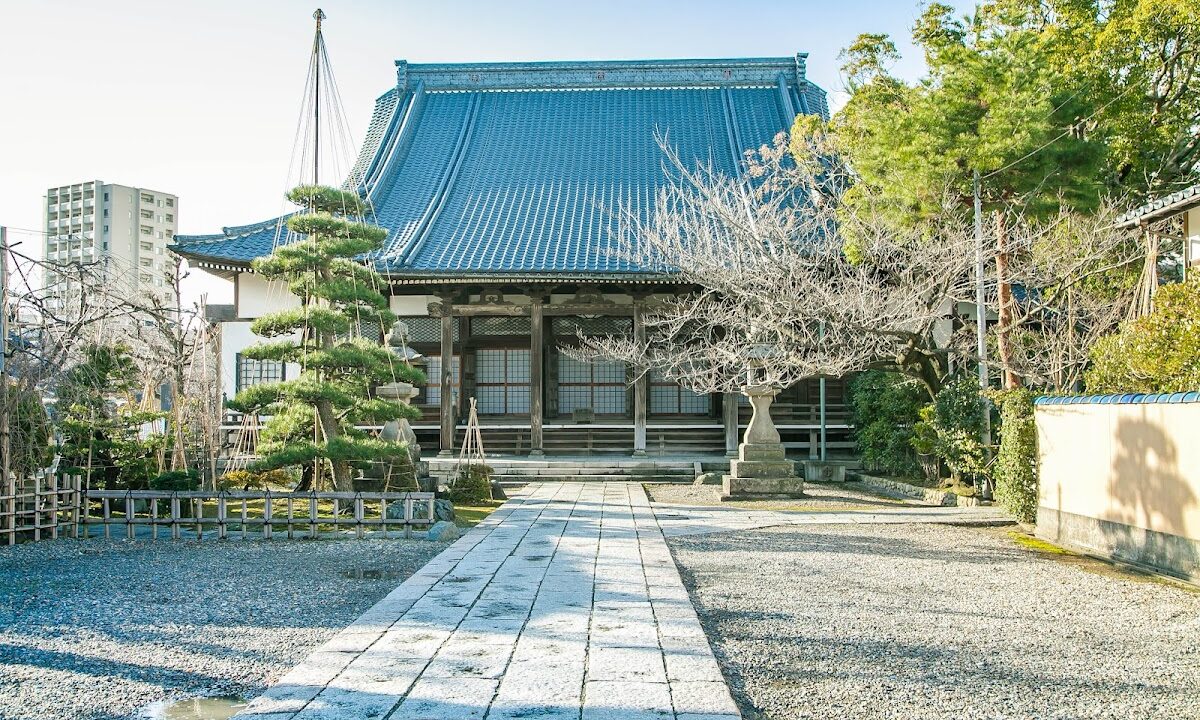
Shinshu-ji Temple (Chuo-ku, Niigata City, Niigata Prefecture) Complete Guide | The Charm of a 1000-Year-Old Shinshu Otani-ha Temple
Shinshu-ji Temple, located on Nishibori-dori in Chuo-ku, Niigata City, is a Shinshu Otani-ha temple with a long history spanning 1000 years. Despite being in the heart of Niigata, its tranquil atmosphere makes it beloved by many worshippers and local residents. This article provides detailed information you should know before visiting, including the history of Shinshu-ji Temple, access methods, facility information, and information on memorial services and funerals.
Basic Information about Shinshu-ji Temple
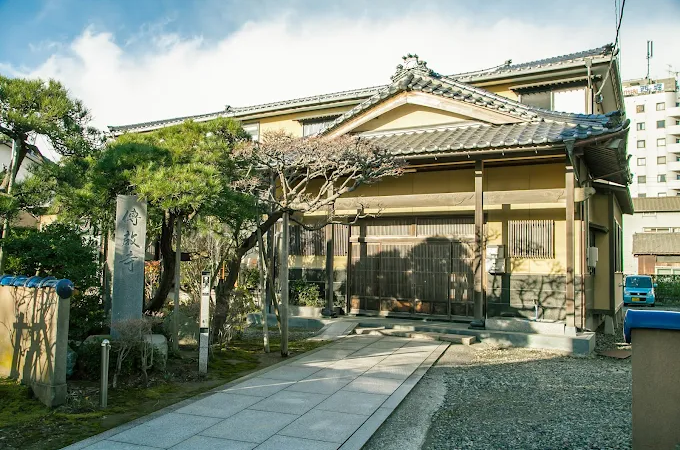
Shinshu-ji Temple is a Shinshu Otani-ha temple located at 1600 Nishibori-dori 9-bancho, Chuo-ku, Niigata City, Niigata Prefecture. Its official name is “Nagasaki-san Shinshu-ji,” and it maintains a calm atmosphere despite its central location in Niigata City.
Location and Contact Information
- Address: 1600, Nishibori-dori 9-bancho, Chuo-ku, Niigata City, Niigata Prefecture 951-8061
- Phone Number: 025-228-1728
- FAX Number: 025-228-1752
- Sect: Shinshu Otani-ha
- Mountain Name: Nagasaki-san
- Corporate Number: 1110005001122
- Chief Priest: Nagasaki Toshihide
Shinshu-ji Temple is located on Nishibori-dori, an old urban area of Niigata City, surrounded by historical buildings and shopping streets. Its location allows one to experience Niigata’s history and culture, and it plays a central role in the local community.
How to Access Shinshu-ji Temple
Shinshu-ji Temple is located in the heart of Chuo-ku, Niigata City, and is accessible by public transport and private car.
Access by Train
The nearest station is Hakusan Station (Niigata Prefecture), approximately a 29-minute walk from the station exit. From Hakusan Station, you can reach Shinshoji Temple by walking through the center of Niigata City, enjoying the scenery along the way.
Access by Bus
If using the bus from Niigata Station, take a local bus bound for Nishibori-dori within Niigata City, get off at the nearest bus stop, and arrive at the temple in a few minutes on foot. Since there are multiple bus routes that pass through the center of Niigata City, it is recommended to check the timetable in advance.
Access by Private Car
Nishibori-dori in Chuo Ward, Niigata City, is close to a major road in Niigata City, making it convenient to access by car. It is approximately a 10-minute drive from Niigata Station. It is recommended to inquire with the temple in advance regarding parking. Especially during memorial services and events, congestion is expected, so it is best to visit with plenty of time to spare.
History and Origins of Shinshu-ji Temple
Shinshu-ji Temple is a temple with a long history spanning 1000 years, deeply rooted in the Niigata region as a place of faith. This temple, whose mountain name is Nagasaki-yama, belongs to the Shinshu Otani sect and carries on the teachings of Shinran Shonin.
What is the Shinshu Otani sect?
The Shinshu Otani sect is one of the sects of Jodo Shinshu Buddhism, with Higashi Hongan-ji Temple in Kyoto as its head temple. It inherits the teachings of Jodo Shinshu, founded by Shinran Shonin, and preaches that by chanting “Namu Amida Butsu,” everyone can be equally saved by the power of Amida Buddha’s original vow.
Characteristics of the Shinshu Otani sect include the fact that monks are permitted to marry, and that there are unique customs in funerals and memorial services. Shinshu-ji Temple also conducts memorial services and funerals according to these traditional customs.
The Role of Shinshu-ji Temple in Niigata
Niigata Prefecture has long been a region where Shinshu Buddhism is deeply rooted, and Shinshu-ji Temple has played a vital role as a center of local faith. Especially from the Edo period to the Meiji era, Niigata flourished as a port city, a place where many people came and went. Shinshu-ji Temple witnessed these changes of the times, becoming a spiritual haven for the local people.
Throughout its long 1000-year history, Shinshu-ji Temple has weathered numerous storms. Having experienced war and natural disasters, its history, passed down to the present day with the support of the local people, is valuable as a cultural heritage of Niigata.
Facilities and Grounds of Shinshu-ji Temple
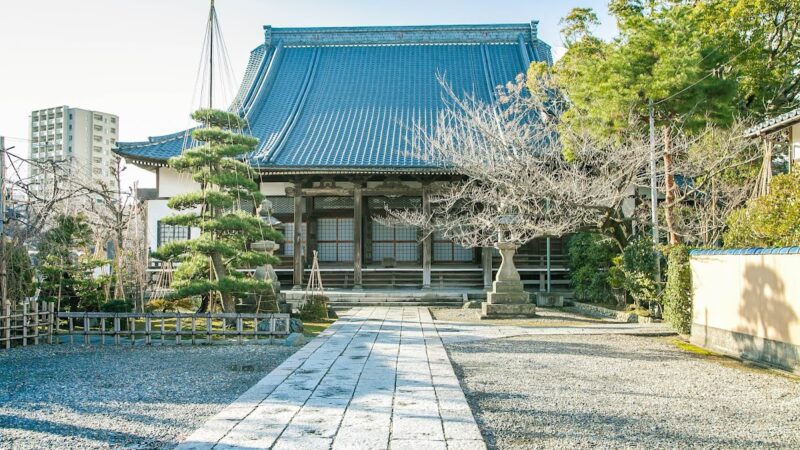
Despite being located in an urban area, the grounds of Shinshu-ji Temple maintain a quiet and peaceful atmosphere. The main hall and other facilities follow the traditional style of temple architecture while also accommodating the needs of modern visitors.
Main Hall
The main hall of Shinshu-ji Temple is a building in the traditional style of the Shinshu Otani sect. The main hall houses a statue of Amida Buddha, where daily services and Buddhist ceremonies are held. The main hall is a sacred space where worshippers can quietly offer their prayers and calm their minds, allowing them to connect with the teachings of Buddhism.
Guest Hall and Memorial Service Facilities
Shinshu-ji Temple has facilities for conducting funerals and memorial services. In the guest hall, relatives and attendees gather during memorial services to remember the deceased and perform Buddhist rituals. Modern facilities are also provided, creating an environment that is easily accessible for the elderly and those with disabilities.
Cemetery and Columbarium
Shinshu-ji Temple also has a cemetery, which serves as the ancestral burial ground for its parishioners. As a temple cemetery in an urban area, it effectively utilizes limited space while maintaining a clean and well-maintained environment.
Services and Events Held at Shinshu-ji Temple
Shinshu-ji Temple holds various services and Buddhist events throughout the year. Many of these events are open not only to temple parishioners but also to people from the local community.
Regular Memorial Services
In Shinshu Otani sect temples, regular memorial services are held on monthly memorial days, during the equinoxes, and during Obon. Shinshu-ji temples also hold memorial services in conjunction with these traditional Buddhist events, attracting many worshippers.
- Spring and Autumn Equinoxes: These memorial services are held during the week centered around the spring and autumn equinoxes, and are an important opportunity for ancestor worship.
- Obon: The Obon festival, held from August 13th to 16th, is an important event for welcoming and honoring the spirits of ancestors.
- Ho-on-ko: This is the most important memorial service in the Shinshu Otani sect, commemorating the virtues of Shinran Shonin.
Funerals and Memorial Services
Shinshu-ji temples conduct funerals and memorial services for their parishioners. A respectful ceremony is conducted according to the customs of the Shinshu Otani sect, ensuring a funeral that honors the deceased and offers comfort to the bereaved family.
We also accept consultations regarding funeral arrangements in advance, providing detailed explanations about the format, scale, and costs of the service. In modern times, various funeral formats are available, including family funerals and one-day funerals, and Shinshu-ji temples can conduct funerals according to the wishes of the bereaved family.
Types of Memorial Services
In Buddhism, it is customary to hold memorial services on specific days counting from the date of death. Shinshu-ji temples also conduct the following types of memorial services:
- First Seven Days: A memorial service held on the seventh day after the death of the deceased.
- Forty-Ninth Day: An important memorial service held on the forty-ninth day after the death of the deceased.
- First Anniversary: A memorial service held one full year after the death of the deceased.
- Third Anniversary: A memorial service held two full years after the death of the deceased.
- Seventh, Thirteenth, Seventeenth, Twenty-Third, Twenty-Seventh, and Thirty-Third Anniversary: Subsequent annual memorial services.
These memorial services are important opportunities to remember the deceased and to learn about Buddhist teachings.
The Danka System and Joining a Shinshu Temple
Shinshu temples have a danka system, and by becoming a danka, you can receive services such as funerals, memorial services, and cemetery use.
Benefits of Becoming a Danka
The main benefits of becoming a danka are as follows:
- Funeral and Memorial Service Execution: By becoming a parishioner, you can have funerals and memorial services conducted at the Shinshu temple. Because you have a regular relationship with the head priest, you can consult with him with peace of mind when the time comes.
- Cemetery Use: You can use the Shinshu temple’s cemetery and maintain your family’s ancestral graves.
- Opportunities to Experience Buddhist Teachings: By participating in regular memorial services and Buddhist lectures, you can experience Buddhist teachings and find peace of mind.
- Participation in the Local Community: Through the temple, you can connect with local people and participate as a member of the community.
Procedures for Becoming a Parishioner
If you wish to become a parishioner of the Shinshu temple, the process begins with contacting the temple for consultation. After an interview with the head priest, you will receive an explanation of the roles and responsibilities of a parishioner, as well as the temple’s history and policies. Generally, there are fees involved in becoming a parishioner, such as an entrance fee and annual maintenance fees.
For details, please contact Shinshoji Temple directly (Tel: 025-228-1728).
Attractions around Shinshoji Temple
The area around Nishibori-dori in Chuo Ward, Niigata City, where Shinshoji Temple is located, is an area where you can feel Niigata’s history and culture. When visiting Shinshoji Temple, we recommend visiting the surrounding tourist spots as well.
Historic Streetscape of Nishibori-dori
Nishibori-dori is an area where Niigata’s old townscape remains, and was once surrounded by a moat. Even today, historical buildings and long-established shops are scattered throughout, allowing you to feel Niigata’s history.
Nearby Temples and Shrines
Besides Shinshoji Temple, there are many other temples and shrines in Chuo Ward, Niigata City. For example, on the same Nishibori-dori is Sogenji Temple of the Soto Zen sect, known for its Minozuka (straw raincoat mound) associated with the haiku poet Matsuo Basho. You can also enjoy visiting temples and shrines.
Tourist Attractions in Niigata City Center
Near Shinshu-ji Temple, around Niigata Station and in the Furumachi area, there are numerous restaurants where you can enjoy Niigata’s food culture and shops selling Niigata’s traditional crafts. You can enjoy Niigata’s famous sake and seafood dishes.
Etiquette and Manners for Visiting Shinshu-ji Temple
When visiting Shinshu-ji Temple, it is important to observe basic temple visiting manners.
Basic Manners for Visiting Temple
- Attire: When visiting, aim for clean and subdued attire. If attending a memorial service or funeral, mourning attire or formal wear is standard.
- Greeting: Before entering the main hall, bow once and calm your mind before entering.
- Praying: Inside the main hall, quietly put your hands together in prayer and offer your prayers with sincerity. In Shinshu Buddhism, the nenbutsu (“Namu Amida Butsu”) is chanted.
- Photography: Refrain from taking photographs inside the main hall or during memorial services. If you wish to take photographs, you must obtain permission in advance.
- Quietness: Please remain quiet within the temple grounds and main hall, and be considerate of other worshippers.
Characteristic Customs of the Shinshu Otani School
The Shinshu Otani School has unique customs that differ from other Buddhist sects.
- Incense Offering: In the Shinshu Otani School, the basic number of incense offerings is two. Do not hold the incense to your forehead; place it directly into the incense burner.
- Nembutsu (Buddhist chanting): The basic practice is to chant “Namu Amida Butsu.”
- How to Hold Prayer Beads: Prayer beads are worn on both hands.
These customs will be explained by the head priest or temple staff during the service, so even first-time attendees can participate with confidence.
How to Contact Shinshu-ji Temple
Inquiries to Shinshu-ji Temple are accepted by phone or fax.
- Telephone: 025-228-1728 (We recommend checking the reception hours in advance)
- FAX: 025-228-1752
You can feel free to consult us about anything, including funeral and memorial service arrangements, joining a temple, and inquiries about cemeteries. Even first-time visitors will receive courteous service, so please don’t hesitate to contact us if you have any questions.
History of Shinshu Buddhism in Niigata
Niigata Prefecture has long been known as a region where Shinshu Buddhism is prevalent. This is related to the fact that Niigata flourished as a port town facing the Sea of Japan, and was a key trading hub where many people came and went.
Spread of Shinshu Buddhism
The teachings of Shinran Shonin were spread throughout Japan by his disciples, but Shinshu Buddhism took root particularly early on in the Sea of Japan coast, from the Hokuriku region to Niigata. The reason why Shinshu Buddhism was widely accepted among common people such as farmers and merchants is that its teachings emphasized “salvation for the wicked,” a principle of equality that states that anyone can be saved by the power of Amida Buddha’s original vow.
Shinshu Temples in Niigata
Numerous temples of the Shinshu Otani sect and the Shinshu Honganji sect (Nishi Honganji) exist in Niigata Prefecture, each serving as a center of faith in its respective region. Shinshu-ji Temple is one such temple, playing an important role in Chuo Ward, Niigata City.
Summary: Shinshu-ji Temple is a temple steeped in Niigata’s history and faith
Located on Nishibori-dori in Chuo Ward, Niigata City, Niigata Prefecture, Shinshu-ji Temple is a Shinshu Otani sect temple with a 1000-year history. Its mountain name is Nagasaki-yama, and it has been cherished as a center of faith for the local people.
At Shinshu-ji Temple, Buddhist ceremonies, including funerals and memorial services, are conducted according to traditional customs, and the temple values its connection with the local community through the danka (parishioner) system. Located in the heart of Niigata City, Shinshu-ji Temple offers a convenient yet tranquil atmosphere for worshippers, which is one of its many attractions.
Those wishing to visit or inquire about Shinshu-ji Temple are welcome to contact us by phone at 025-228-1728. It will be a valuable opportunity to experience Niigata’s history and culture, as well as the teachings of Buddhism.
Shinshu-ji Temple, a place of faith that has continued from the past to the present and into the future, will continue to watch over many people in Niigata.