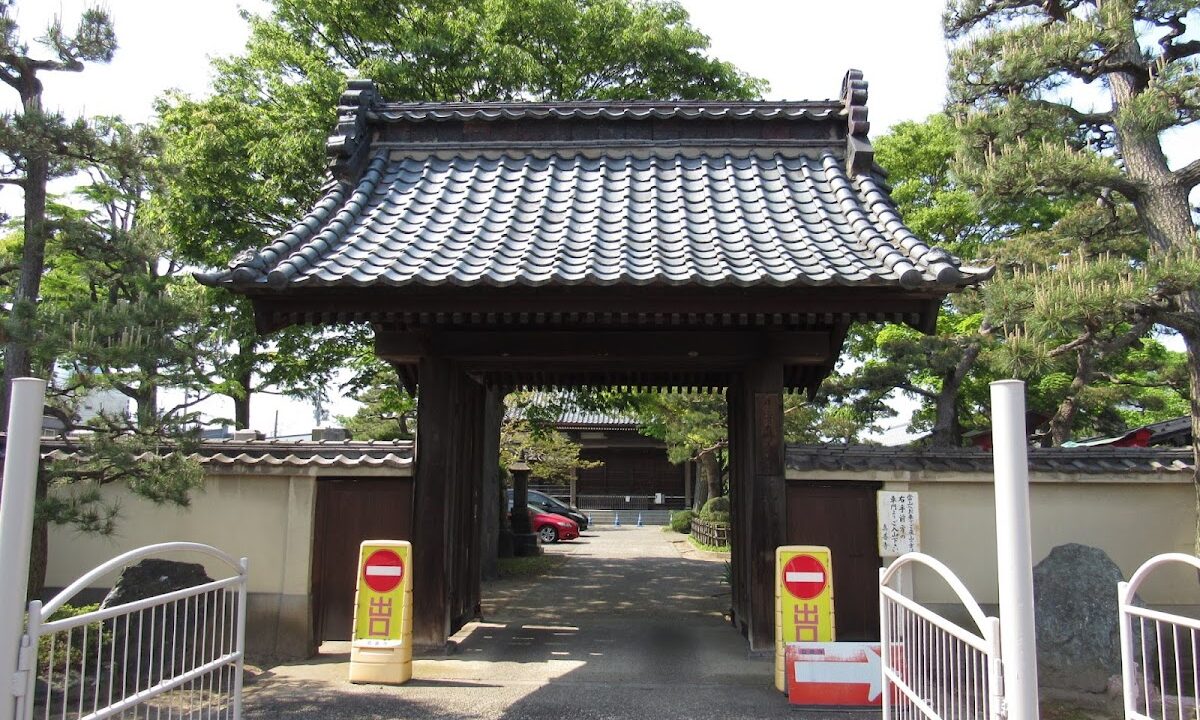
Shinzenji Temple (Chuo-ku, Niigata City, Niigata Prefecture) Complete Guide: History, Access, and Highlights Explained in Detail
Located in Chuo-ku, Niigata City, Shinzenji Temple is a historic temple that preserves the history and culture of the region. This article comprehensively introduces useful information for visitors, from the historical background of Shinzenji Temple to its highlights, access methods, and annual events.
Basic Information about Shinzenji Temple
Shinzenji Temple is a Buddhist temple located in Chuo-ku, Niigata City, Niigata Prefecture, and has long been cherished as a place of faith for local residents.
Location and Contact Information
- Location: Chuo-ku, Niigata City, Niigata Prefecture
- Sect: (※On-site confirmation of the specific sect is recommended)
- Mountain Name/Temple Name: (※Please contact the temple for details)
Chuo-ku, Niigata City, is located in the heart of Niigata City and is a historical area spreading out at the mouth of the Shinano River. Shinzenji Temple serves as a spiritual pillar for the local community in this area.
History and Origins of Shinzenji Temple
Background of Founding
The founding period and founder of Shinzenji Temple can be learned through local historical documents and temple records. Niigata has flourished as a port town since ancient times and was known as a port of call for Kitamae ships. Within this historical context, it is believed that Shinzenji Temple has also developed alongside the region.
Position in Niigata’s Temple Culture
Numerous temples are scattered throughout Niigata City, each with its own unique history and characteristics. Shinzenji Temple is one of them, contributing to the preservation of the region’s Buddhist culture.
As the times changed from the Edo period to the Meiji, Taisho, and Showa eras, the cityscape of Niigata also changed dramatically, but Shinzenji Temple is a witness to this history, having watched over these transformations.
Successive Chief Priests and the Temple’s Development
The development of a temple depends on the efforts of successive chief priests. At Shinzenji Temple, successive chief priests have deepened their ties with parishioners and local residents, striving for the maintenance and development of the temple.
Guide to Shinzenji Temple Grounds
Main Hall
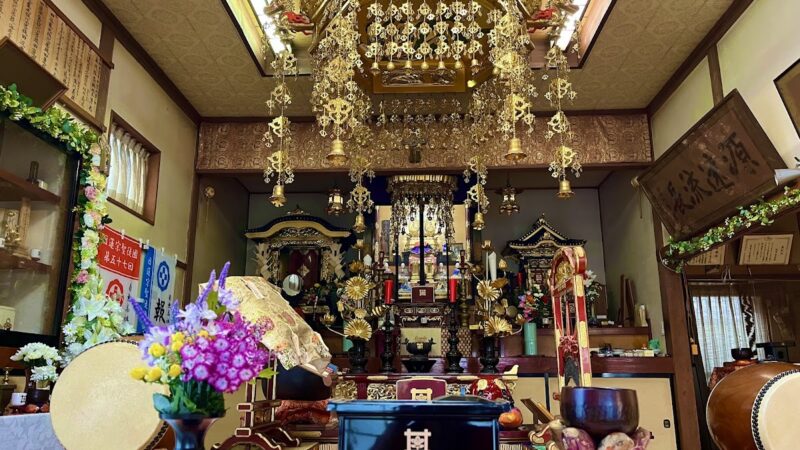
The main hall of Shinzenji Temple is the central building of the temple, a sacred place where daily services and religious ceremonies are held. The architectural style of the main hall and the solemn atmosphere inside provide visitors with a time of tranquility.
The principal image of worship is enshrined within the main hall, where worshippers can quietly offer their prayers and seek inner peace.
Temple Gate and Grounds Atmosphere
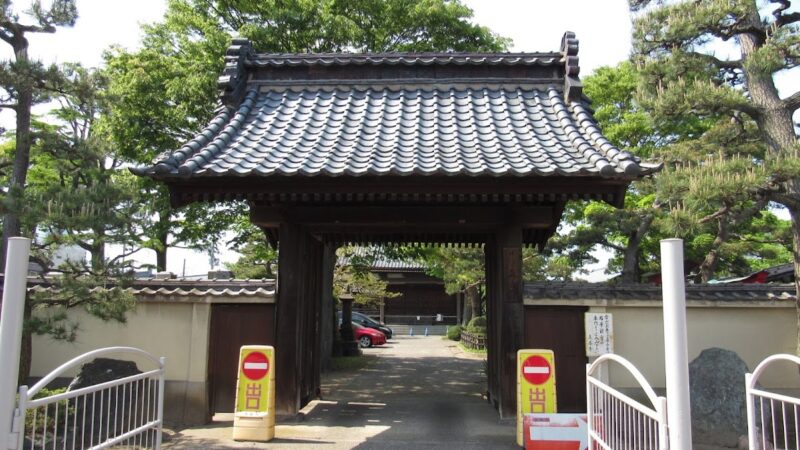
The temple gate, which serves as the entrance to the temple, is a symbolic presence separating the secular world from the sacred realm. Passing through the temple gate of Shinzenji Temple, one enters a quiet space far removed from the hustle and bustle of the city.
The temple grounds feature plantings that show different expressions with each season, allowing visitors to enjoy the beauty of nature throughout the year: cherry blossoms in spring, lush greenery in summer, autumn leaves in fall, and snowscapes in winter.
Cemetery and Perpetual Memorial Service
Shinzenji Temple also has a cemetery where the ancestors of parishioners and local residents rest. In recent years, the demand for perpetual memorial services has increased, and many temples are developing perpetual memorial graves and columbariums.
Those interested in perpetual memorial services can obtain detailed information by contacting the temple directly.
How to access Shinzenji Temple
Access by public transportation
Nagoya City’s Chuo Ward is located in the heart of Niigata City, and therefore has excellent public transportation options.
Access from JR Niigata Station:
- JR Niigata Station is the gateway to Niigata City, providing easy access to various parts of the city.
- You can easily reach the area around Shinzenji Temple by using local buses or taxis.
- It may be within walking distance, so please check the specific location and plan your route accordingly.
Local Buses:
- Niigata Kotsu’s local buses cover the entire city, and the temple is accessible on foot from the nearest bus stop.
- Bus stop names and timetables can be found on the Niigata Kotsu official website.
Access by Car
Access from Expressways:
- From the Hokuriku Expressway, take the Niigata-Nishi IC or Niigata-Chuo IC towards the city center.
- Access is also possible from the Ban-etsu Expressway, Niigata-Chuo IC.
- Entering the temple name or address into your car navigation system will provide accurate route guidance.
Parking:
- We recommend checking in advance whether the temple has parking spaces.
- Congestion is expected during memorial services and events, so please consider using public transportation.
Nearby Landmarks and Attractions
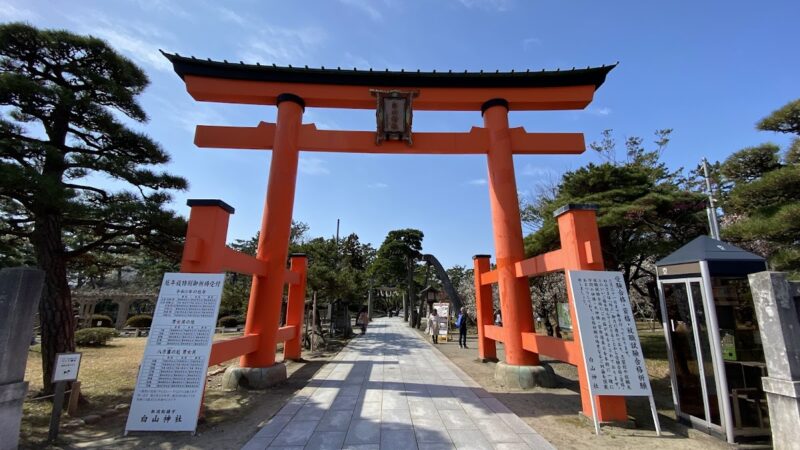
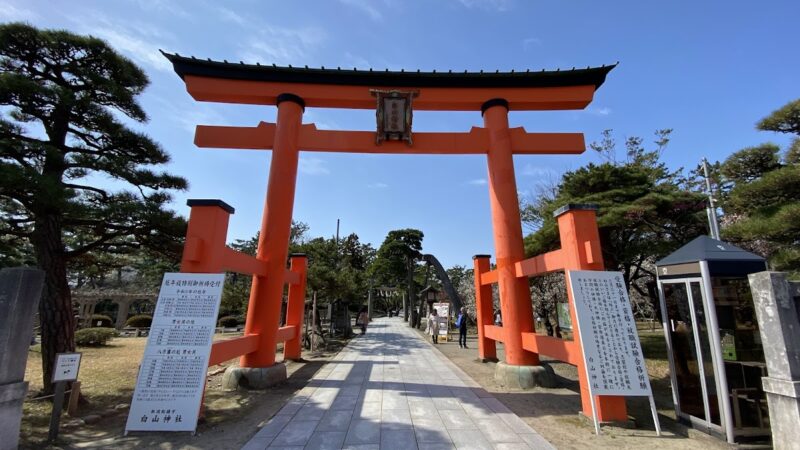
Niigata City’s Chuo Ward boasts numerous historical buildings and tourist attractions, including Hakusan Shrine, Niigata City History Museum (Minatopia), and Bandai Bridge. Using these as landmarks will make finding your way to Shinzenji Temple easier.
Annual Events at Shinzenji Temple
Main Ceremonies and Events
Buddhist temples hold various ceremonies and events throughout the year. Shinzenji Temple may also hold the following events:
Spring Events:
- Spring Equinox Memorial Service (March): An important time for ancestor worship
- Flower Festival (Buddha’s Birthday) (April 8th): A celebration of the birth of Buddha
Summer Events:
- Obon Memorial Service (August): One of the most important events for welcoming and honoring the spirits of ancestors
- Segaki Memorial Service: A memorial service for all spirits, including those without relatives
Autumn Events:
- Autumn Equinox Memorial Service (September): Ancestor worship is performed in the same way as in spring
Winter Events:
- New Year’s Eve Bell Ringing (December 31st): A traditional event to mark the end of the year
- Shushō-e (January): A memorial service to welcome the new year
Activities for Temple Members and Laypeople
Many temples regularly hold activities for temple members and laypeople, such as study groups, sutra copying sessions, and Zen meditation sessions. These activities offer a valuable opportunity to engage with Buddhist teachings and find inner peace.
For specific details about activities at Shinzenji Temple, we recommend contacting the temple directly.
Attractions and Tourist Spots Around Shinzenji Temple
Historical Spots in Niigata City’s Chuo Ward
When visiting Shinzenji Temple, exploring the surrounding historical and cultural spots will allow you to gain a deeper understanding of Niigata’s charm.
Hakusan Shrine: Known as the guardian shrine of Niigata, Hakusan Shrine is located in the same Chuo Ward as Shinzenji Temple. Its vast grounds and beautiful shrine buildings serve as a spiritual haven for the citizens of Niigata.
Bandai Bridge: The Bandai Bridge, spanning the Shinano River, is a symbolic landmark of Niigata. Designated as a National Important Cultural Property, its beautiful arch structure is a must-see.
Niigata City History Museum (Minatopia): This museum allows you to learn about Niigata’s history and culture, and the history of the development of this port city.
Niigata Gourmet Food and Culture
Niigata is famous as a rice-producing region and boasts a rich food culture, including sake, seafood, and hegi soba noodles. After visiting Shinzenji Temple, we recommend enjoying Niigata’s flavors at local restaurants.
Manners and Etiquette for Visiting Shinzenji Temple
Basic Manners for Visiting Temples
When visiting a temple, it is important to observe the following basic manners:
- Attire: Aim for clean and modest clothing.
- Bow at the Temple Gate: Bow before entering the temple gate.
- Silence: Be quiet within the temple grounds and be considerate of other visitors.
- Photography: Photography is prohibited in some areas, such as inside the main hall, so please check beforehand.
Etiquette for Worship
The basic flow of worship at a Buddhist temple is as follows:
- Purify yourself at the water basin: If there is a water basin, purify your hands and mouth.
- Pray in front of the main hall: Quietly put your hands together in front of the main hall.
- Offering a donation: If there is an offering box, quietly place your donation.
- Bow and pray: Bow deeply and pray with all your heart.
- Bow upon leaving: After finishing your prayers, bow again before leaving.
Offerings and Donations
When requesting a memorial service or prayer, it is customary to offer a donation. It is advisable to check with the temple in advance regarding the amount and customs.
Frequently Asked Questions about Shinzenji Temple
Visiting Hours and Admission Fees
While entry to the grounds is generally free during the day at many temples, prior confirmation may be required to view the main hall or participate in special events. Admission fees also vary by temple, so it is recommended to check before visiting.
How to Request a Memorial Service
If you wish to request a memorial service or prayer, first contact the temple by phone to discuss your desired date, time, and content. You will coordinate the schedule with the head priest and receive an explanation of the necessary preparations.
How to Become a Temple Member
The temple membership system is a traditional system of mutual support between temples and parishioners. If you wish to become a temple member, you will need to consult directly with the temple to receive an explanation of the conditions and obligations.
About Perpetual Memorial Services and Interment
In recent years, due to the declining birthrate, aging population, and the rise of nuclear families, the need for perpetual memorial services has increased. Please contact Shinzenji Temple directly to inquire whether they accept perpetual memorial services, as well as the costs and conditions.
Temple Culture in Niigata City’s Chuo Ward and Shinzenji Temple
Historical Background of Niigata Temples
Niigata prospered as a port town from the Edo period, and many people came and went as it was a port of call for Kitamae ships. Due to this historical background, temples of various sects were established in Niigata, fostering a rich Buddhist culture. Shinzenji Temple has a history of playing a vital role in Niigata’s temple culture and being deeply connected to the local community.
Connections with the Local Community
Even today, temples are not merely religious institutions, but play a central role in local communities. Through festivals and events, residents gather, creating a place for intergenerational exchange.
Shinzenji Temple also values its ties with local residents and contributes to the community through various activities.
Recommended Season for Visiting Shinzenji Temple
Spring (March-May)
Spring is the season of fresh greenery, a beautiful time when the plants in the temple grounds begin to sprout. It is also the time when the spring equinox memorial service is held, attracting many visitors.
Summer (June-August)
Summer sees many visitors, especially during the Obon period, for ancestral worship. Niigata summers are relatively pleasant, and the lush green temple grounds offer a refreshing coolness.
Autumn (September-November)
Autumn is the season of autumn leaves, and the trees on the temple grounds are beautifully colored. Autumn equinox memorial services are also held, making it an ideal season for quietly remembering ancestors.
Winter (December-February)
Niigata winters bring heavy snowfall, and the snow-covered temple grounds create a magical landscape. Year-end and New Year’s events, such as the ringing of the temple bell and New Year’s memorial services, are solemnly performed.
Seeking Peace of Mind at Shinzenji Temple
The Role of Temples in Modern Society
Modern society is an information-overloaded and stressful environment. In this context, temples are being re-recognized as precious spaces where one can find peace of mind.
By visiting Shinzenji Temple, you can escape the hustle and bustle of everyday life and have quiet time to reflect on yourself.
Opportunities for Zen Meditation
Many temples hold Zen meditation and meditation sessions that are open to the public. Through these practices, you can calm your mind and connect with the teachings of Buddhism.
Please contact Shinzenji Temple directly to inquire about the availability of such activities.
Learning from Buddhist Teachings
Buddhism is a religion with a history of over 2500 years, containing profound teachings that are still relevant today, such as liberation from suffering, compassion, and the law of dependent origination.
By participating in Dharma talks and study groups at the temple, you can learn these teachings and apply them to your daily life.
Summary: The Significance of Visiting Shinzenji Temple
Shinzenji Temple is a community-based temple located in Chuo Ward, Niigata City. Its history and traditions are still alive and well as an integral part of Niigata’s culture.
Visiting Shinzenji Temple, not only for worship or religious services, but also to seek peace of mind or to experience Niigata’s history and culture, will surely be a meaningful experience.
When visiting Niigata, please be sure to visit Shinzenji Temple and spend some time calming your mind in its tranquil grounds. By experiencing the temple’s history, architecture, and Buddhist teachings, you are sure to gain new discoveries and insights.
When visiting, please check the temple’s opening hours and event schedule in advance, and be sure to observe proper etiquette during your visit. We hope that Shinzenji Temple will be a place of peace of mind and new learning for everyone.