Shirahata Shrine (Makioka-cho, Yamanashi City, Yamanashi Prefecture) Complete Guide | Basic Information, Access, and Nearby Shrines
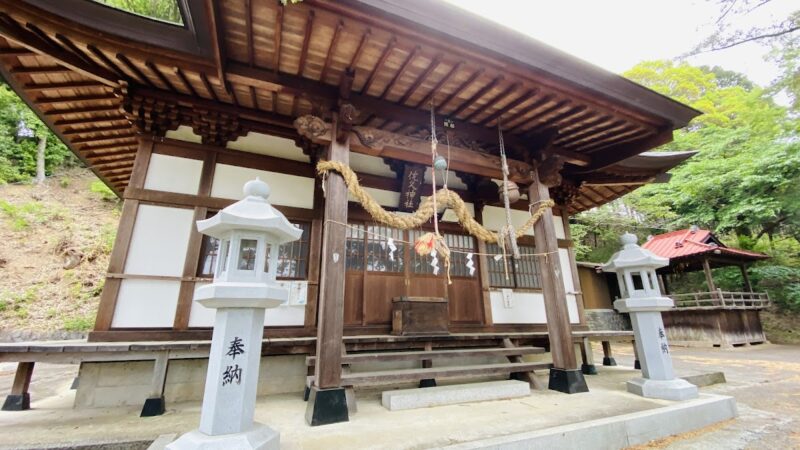
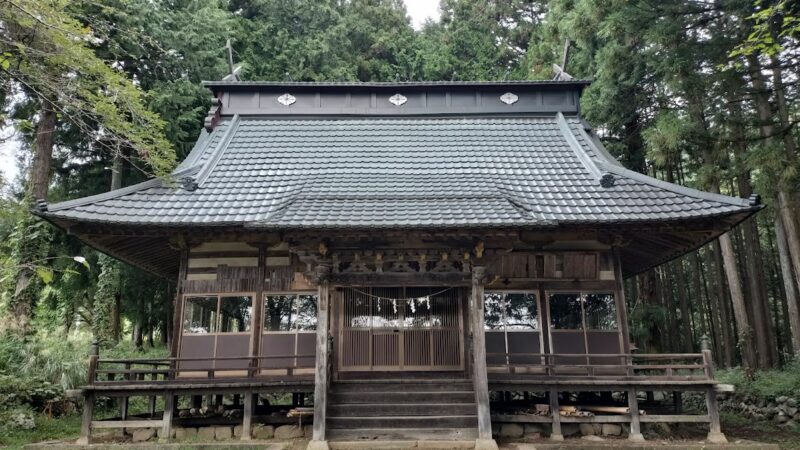
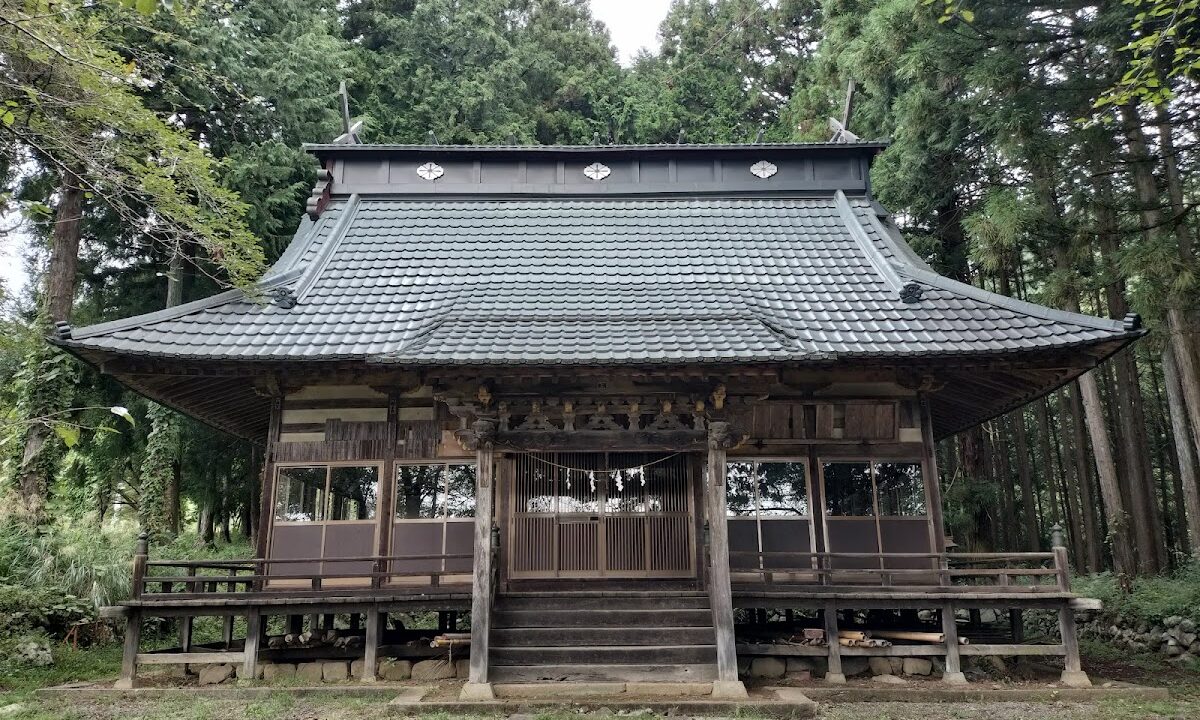
Shirahata Shrine, located in Somaguchi, Makioka-cho, Yamanashi City, Yamanashi Prefecture, is a shrine that preserves the local faith. This article provides detailed information useful for those considering visiting Shirahata Shrine, from basic information to the surrounding environment and access methods.
Basic Information on Shirahata Shrine
Shirahata Shrine is a historical shrine located in Somaguchi, Makioka-cho, Yamanashi City, Yamanashi Prefecture, and has been cherished by the local people.
Location and Contact Information
Location: 1658 Somaguchi, Makioka-cho, Yamanashi City, Yamanashi Prefecture
Postal Code: 404-0002
Corporate Number: 2090005003616
Date of Corporate Number Assignment: October 5, 2015 (Monday)
Under the Corporate Number system, an official corporate number was assigned on October 5, 2015, allowing for verification of the religious corporation’s registration information. This corporate number can also be searched on the National Tax Agency’s Corporate Number Publication Site, which is useful for verifying accurate information about the shrine.
About Makioka-cho, Yamanashi City
Makioka-cho, Yamanashi City, is located in the northern part of Yamanashi Prefecture and is a region blessed with abundant nature. It is known as a high-altitude area where fruit cultivation is thriving. The Somaguchi district, where Shirahata Shrine is located, is a quiet mountain village where forestry and agriculture have been practiced since ancient times.
The place name “Somaguchi” means the entrance where lumberjacks (somabito) entered their mountain work, reflecting the historical industry of this region.
About the name “Shirahata Shrine”
There are 50 shrines named “Shirahata Shrine” throughout Japan, ranking 130th nationwide in terms of the number of shrines with the same name. The name “Shirahata” often originates from the white flag of the Minamoto clan, and the shrine is deeply connected to Hachiman worship.
Shirahata Shrines Nationwide
Shirahata Shrines are distributed throughout Japan, particularly in the Kanto region. They are revered as guardian deities in various regions, including Kanagawa, Chiba, Akita, and Ishikawa prefectures. Each Shirahata Shrine has its own unique history and origins, deeply intertwined with local culture.
In Yamanashi Prefecture, Shirahata Shrines have long served as a center of local faith, watching over the lives of the people.
Shrines in Yamanashi City, Yamanashi Prefecture
Yamanashi City has 69 shrines, and Shirahata Shrine is one of them, playing a vital role in local faith. Yamanashi Prefecture as a whole has 1,275 shrines, and it has unique characteristics in terms of the number of shrines per capita and per area.
Major Shrines in Yamanashi City
Besides Shirahata Shrine, many other shrines are scattered throughout Yamanashi City. Various types of shrines, such as Inari shrines, Hiyoshi Sanno shrines, Hakusan shrines, Hachioji shrines, and Hachiman shrines, are worshipped in different areas, each representing a different form of faith.
These shrines have developed in close connection with local industries such as agriculture, forestry, and sericulture. Shrines in mountainous areas, in particular, strongly reflect the worship of mountain gods and water gods.
How to Access Shirahata Shrine
Shirahata Shrine is located in the mountainous area of Makioka-cho, Yamanashi City, making it easily accessible by car.
Access by Car
If using the Chuo Expressway:
- Approximately 30 minutes from Katsunuma Interchange via National Route 140 (Gansaka Road)
- Approximately 40 minutes from Ichinomiya-Misaka Interchange via Prefectural Road
If using the JR Chuo Main Line:
- Approximately 30 minutes by taxi or rental car from Yamanashi-shi Station or Higashi-Yamanashi Station
Makioka-cho is located in a mountainous area, so public transportation is limited. It is recommended to check transportation options in advance before visiting.
Landmarks in the Surrounding Area
The Somaguchi area is located in a secluded part of Makioka-cho. Access is via Prefectural Road from National Route 140. When using a car navigation system, entering the address “1658 Somaguchi, Makioka-cho, Yamanashi City, Yamanashi Prefecture” will display the accurate location.
Surrounding Environment and Map Information of Shirahata Shrine
The area around Shirahata Shrine is a mountainous region surrounded by abundant nature, where you can enjoy beautiful scenery throughout the seasons.
Surrounding Natural Environment
Makioka Town is located at a high altitude, resulting in a relatively cool climate even in summer. The surrounding area boasts extensive forests and a rich natural environment with clear streams. The fresh greenery in spring and the vibrant autumn foliage create a beautiful setting for worshippers to experience nature.
Viewing Shirahata Shrine from Aerial Photographs
Nowadays, online map services (such as Google Maps and Yahoo! Maps) allow you to view aerial photographs of Shirahata Shrine and the surrounding topography. These services are extremely helpful for first-time visitors, as they allow you to understand the shrine’s exact location, surrounding road conditions, and terrain features beforehand.
Aerial photographs clearly show that Shirahata Shrine is situated in a valley village surrounded by mountains. You can also see the surrounding land use and access roads.
List of Nearby Shrines
Other shrines within Yamanashi City are scattered around Shirahata Shrine. Visiting these shrines in conjunction with your main shrine will allow you to gain a deeper understanding of the local religious culture.
Major Shrines in Yamanashi City
Hiyoshi Sanno Shrine: A shrine that preserves the Sanno faith, located in Yamanashi City.
Hakusan Shrine: A shrine based on the Hakusan faith, revered as the god of mountains.
Hachioji Shrine: Known as a shrine dedicated to Gozu Tenno.
Hachidai Ryuo Shrine: A shrine of water deity worship, revered as the guardian deity of agricultural water.
Hachiman Shrine/Hachiman Daijinja Shrine: A shrine of Hachiman faith, possessing characteristics of a god of war.
Inari Shrine: Widely worshipped as the god of business prosperity and abundant harvests.
Fukunomiya Shrine: A shrine beloved by the community as a shrine dedicated to the god of fortune.
Tateishi Shrine: A shrine that may have originated from megalith worship.
These shrines, each with different forms of worship, are deeply intertwined with the lives of the people of Yamanashi City.
Shrine Culture and History of Yamanashi Prefecture
Yamanashi Prefecture, surrounded by sacred mountains such as Mt. Fuji and the Southern Alps, has a long history of mountain worship.
Characteristics of Shrines in Yamanashi Prefecture
Shrines in Yamanashi Prefecture strongly reflect the worship of mountain gods and water gods. During the rule of the Takeda clan, many shrines were built to pray for military success. Since the modern era, when fruit cultivation became popular, prayers for bountiful harvests have also been added.
There are 1,275 shrines in the prefecture, exceeding the national average in terms of the number of shrines per capita. This indicates that a culture of worshipping local guardian deities is deeply rooted in each small settlement.
History and Beliefs of Makioka Town
Makioka Town existed as an independent town until its merger with Yamanashi City in 2005. Forestry and agriculture were its main industries, and in recent years it has become nationally known as a producer of Kyoho grapes.
Local shrines have functioned alongside the development of these industries, serving as places for praying for bountiful harvests and safety. Shirahata Shrine, too, has continuously watched over the lives of the local people.
Points to Note and Manners When Visiting
When visiting Shirahata Shrine, please note the following points:
Basic Shrine Visit Manners
- Bow before passing through the torii gate: This is a courtesy when entering the sacred area.
- Walk along the edge of the path: The center is considered the path of the gods.
- Purify yourself at the water basin: If there is a water basin, purify your hands and mouth.
- Two bows, two claps, one bow: This is the general etiquette for visiting a shrine.
- Worship quietly: Be mindful that this is a sacred place.
Precautions When Visiting Shrines in Mountainous Areas
- Appropriate Attire: As it is a mountainous area, comfortable shoes and clothing are recommended.
- Seasonal Preparations: Insect repellent is necessary in summer, and warm clothing is necessary in winter.
- Cell Phone Signal: Signal reception may be poor in mountainous areas.
- Prior Information Gathering: Check road conditions and weather in advance.
Cultural Value of Shirahata Shrine
Shirahata Shrine is not merely a religious facility, but an important presence that conveys the history and culture of the region.
Center of the Local Community
Shrines have long functioned as the center of local communities. Through festivals and cleaning activities, they serve as places to deepen the bonds among local residents. In mountainous areas experiencing depopulation, the existence of shrines plays an important role in maintaining regional identity.
Preservation of the Natural Environment
The shrine grounds have been preserved as a “guardian forest,” preserving the natural environment. In today’s rapidly developing world, shrine forests play a role in maintaining valuable ecosystems. The area surrounding Shirahata Shrine is also likely to retain rich natural beauty, making it valuable from an environmental conservation perspective.
Utilizing Shrine Information in the Digital Age
In modern times, it’s easy to search for shrine information using smartphones and computers.
Online Shrine Information Search
By utilizing corporate number publication sites, various shrine databases, and map services, you can obtain detailed information before visiting. Using Shirahata Shrine’s corporate number “2090005003616,” you can also verify accurate registration information.
QR Codes and Smartphone Use
Some shrines have installed QR codes on their grounds, allowing visitors to view information about their history and enshrined deities using their smartphones. Such initiatives are an effective way to pass on shrine culture to younger generations.
When visiting, utilizing your smartphone’s camera and GPS functions will allow for a more fulfilling pilgrimage experience.
Yamanashi City Tourism and Shirahata Shrine
When visiting Shirahata Shrine, combining your visit with other Yamanashi City tourist spots will make for a more enriching trip.
Attractions of Makioka Town
Kyoho Grape Village: Makioka Town is known as a major producer of Kyoho grapes, and in autumn, you can enjoy grape picking at tourist farms.
Nishizawa Valley: A scenic spot featuring the Nanatsugama Godan Falls, selected as one of Japan’s 100 most beautiful waterfalls.
Otome Plateau: A plateau at an altitude of approximately 1,700m where you can enjoy seasonal flowers.
Other Attractions in Yamanashi City
Fuefukigawa Fruit Park: A park offering panoramic views of the fruit orchard area, with an attached hot spring facility.
Nezu Memorial Hall: A facility where you can learn about the history and culture of the region.
Manriki Park: A public park known for its cherry blossoms.
Combining these tourist spots will make your visit to Shirahata Shrine even more memorable.
Summary: The Charm and Significance of Visiting Shirahata Shrine
Located in Somaguchi, Makioka-cho, Yamanashi City, Yamanashi Prefecture, Shirahata Shrine is a valuable cultural heritage site that conveys the history and faith of the region to the present day. Officially registered under corporate number 2090005003616, it is one of 50 Shirahata Shrines nationwide, each with its own unique history.
Nestled in a quiet mountainous environment and protected by the local people, Shirahata Shrine teaches us the importance of coexisting with nature and the bonds of community, things that modern people often forget. Through a visit, you can experience traditional Japanese culture and the history of the region.
When visiting Yamanashi City, be sure to visit Shirahata Shrine and take some time to calm your mind in this tranquil mountain village shrine. Visiting a shrine surrounded by abundant nature will be a valuable opportunity to escape the hustle and bustle of everyday life and refresh your mind.