Shijiki Shrine (Hirado City, Nagasaki Prefecture) Complete Guide | The History of the Shikinaisha and the Complete Structure of the Four Shrines
What is Shijiki Shrine?
Shijiki Shrine is a historically significant shrine located in Shikisa-cho, Hirado City, Nagasaki Prefecture. With Mount Shijiki (elevation 347.2 meters), which rises near the southern tip of Hirado Island, as its central sacred site, it has been revered since ancient times as the guardian deity of maritime traffic.
It is a Shikinaisha listed in the Engishiki Jinmyocho, compiled during the Heian period, and is one of only four Shikinaisha in Hizen Province, making it an extremely prestigious shrine. Its founding date is said to be around the 5th century, but the exact date is unknown.
The Unique Structure of Shijiki Shrine’s Four Shrines
The most distinctive feature of Shijiki Shrine is its unique structure, consisting of four shrine buildings despite being a single shrine.
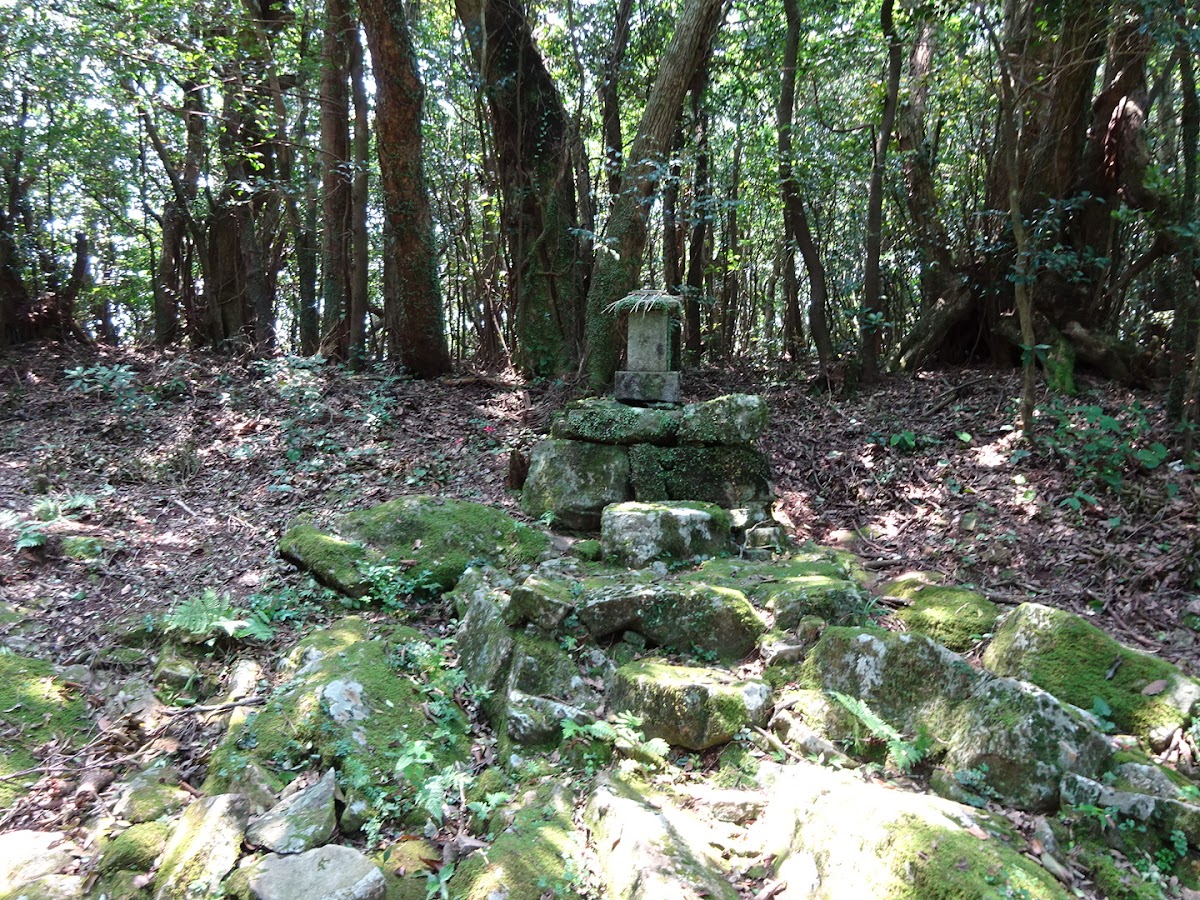
Upper Shrine (Jōgū)
This shrine was located on the summit of Mt. Shishiki (347.2 meters above sea level). The mountain’s sharply pointed shape, composed of ancient andesite, made it a prominent landmark visible from afar. From the Upper Shrine, a magnificent panoramic view unfolds, encompassing Ukujima, Ojikajima, and the Gotō Islands. It has historically overseen a crucial point for maritime traffic.
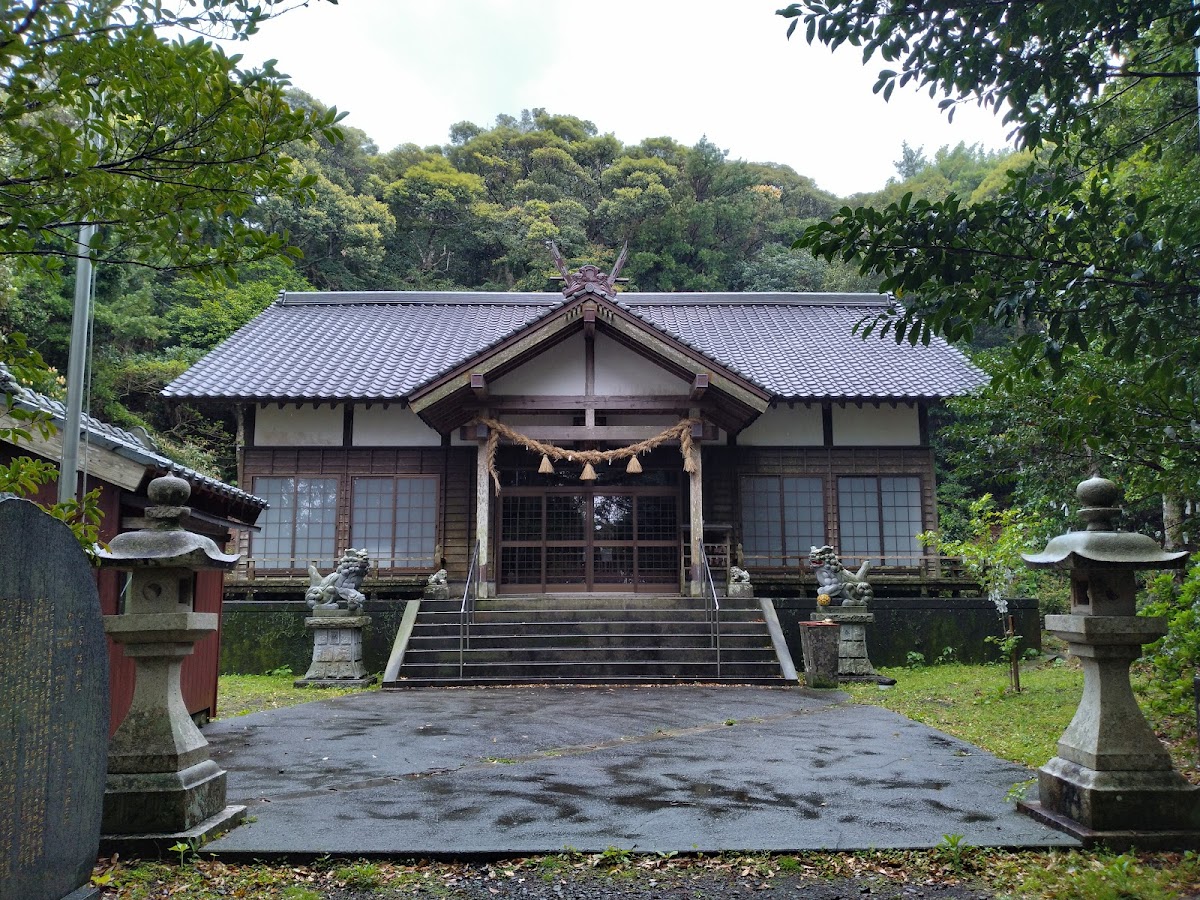
Middle Shrine (Chūgū)
This shrine is located on the mountainside of Mt. Shishiki and is still accessible to worshippers today. Built on the site of the former head temple, Enmanji, it is relatively easier to access than the other two shrines. The Middle Shrine retains strong traces of the era when mountain worship and Buddhism were syncretized.
Ground Shrine (Lower Shrine/Hentsunomiya)
This shrine is located at the foot of Mt. Shishiki, in a fishing village called Miyanoura. Also known as Gegu or Hetsumiya, it has served as the most familiar place of worship for local residents. For those who made their living from fishing, it was an important place to pray for safety at sea.
Okinomiya (Okitsumiya)
This shrine is located on Okinoshima Island, floating in the sea off Miyanoura. A small island with a circumference of several hundred meters, it is densely covered with ancient pine trees, and the weathered shrine building faintly hints at its former glory. Its appearance, floating dreamlike on the mirror-like surface of the sea, is filled with a mystical atmosphere. A legend remains that after the death of Prince Tokiwake, his spirit was enshrined here.
Bettoji Temple, Enmanji
During the era of syncretism of Shinto and Buddhism, Enmanji Temple was established as a separate temple from the four shrines. Although it was abolished due to the Meiji-era separation of Shinto and Buddhism, its former site corresponds to the current location of the Chugu Shrine.
Deities and History
Main Deity: Tokiwake-no-Mikoto
The main deity of Shishiki Shrine is Tokiwake-no-Mikoto (also known as Tokiwake-no-Mikoto). Tokiwake-no-Mikoto is said to be a son of Yamato Takeru-no-Mikoto and was sent by the imperial court to protect maritime traffic.
In ancient times, the seas around Hirado were a crucial point on trade routes to the Korean Peninsula and mainland China. Tokiwake-no-Mikoto played a role in protecting this important sea area and was revered as a figure to whom prayers for safe voyages and national peace were offered.
Other Deities
Some documents mention Emperor Chuai as a deity. This suggests that he may have been enshrined alongside Tokiwake-no-Mikoto as an emperor involved in maritime traffic and diplomacy.
History of Founding
The exact founding date of Shishiki Shrine is unknown, but one theory places it around the 5th century. This period corresponds to the middle of the Kofun period, a time when the Yamato court was strengthening its influence over northern Kyushu.
The fact that it is listed as “Shishiki Shrine, Matsuura District, Hizen Province” in the Engishiki Jinmyocho (a list of shrines compiled in 927 AD) confirms that it was established as an important shrine at least before the 10th century.
Status as a Shikinaisha (a shrine listed in the Engishiki)
The Engishiki Jinmyocho and the Four Shrines of Hizen Province
The Engishiki Jinmyocho is an ancient official document listing major shrines throughout Japan. Shrines listed in this list are called “Shikinaisha,” and were considered high-ranking shrines that received special treatment from the imperial court.
In Hizen Province (present-day Saga and Nagasaki prefectures), there are only four Shikinaisha. Shishiki Shrine is one of these precious shrines, illustrating the importance of this region in ancient times.
Status as a Former Prefectural Shrine
Under the modern shrine ranking system, Shishiki Shrine was ranked as a prefectural shrine. This indicates that it was recognized as a particularly historically significant shrine within the prefecture.
Role as a Key Point in Ancient Maritime Transportation
Trade with the Korean Peninsula
In ancient times, the area around Hirado was an important transit point for trade with the Korean Peninsula. Shishiki Shrine functioned as a shrine protecting the safety of this maritime route.
The vast sea area visible from the summit of Mount Shishiki served as an important landmark for navigators and was also a sacred place where people prayed for the safety of their ships. The unique configuration of four shrines is thought to have been arranged so that prayers for safe voyages could be offered from all locations, from the mountaintop to the sea.
Connection with Japanese Envoys to Tang China and Silla
From the 7th to the 9th centuries, Japan sent envoys to China (Tang Dynasty) and the Korean Peninsula (Silla). These delegations often departed from northern Kyushu and are believed to have passed through the waters around Hirado. Shishiki Shrine may have also functioned as a place to pray for the success of these national maritime missions.
Relationship with the Matsuura Clan in the Medieval Period
The Matsuura Clan and Shishiki Shrine
In the medieval period, the Matsuura region, including Hirado, became the sphere of influence of a samurai group called the Matsuura Clan. The Matsuura Clan was also known as a naval force and controlled maritime traffic.
Shishiki Shrine was deeply revered by the Matsuura clan as the guardian deity of the sea. It is said that the Matsuura clan diligently maintained the shrine and prayed for safe voyages and victory in battle.
The Era of the Hirado Matsuura Clan
From the Sengoku period to the Edo period, Hirado developed as a castle town of the Hirado Matsuura clan. The lords of the Hirado domain also valued Shishiki Shrine and are said to have made regular visits and offerings.
Nature and Scenery of Shishikiyama Mountain
Characteristics of the Mountain’s Shape
Shishikiyama Mountain is 347.2 meters high and is made of ancient andesite. Its distinctive, sharply pointed summit makes it a landmark in southern Hirado Island.
Stunning Views
The views from the summit are magnificent, offering panoramic views of Hirado city to the north, Ukujima and Ojikajima islands to the west, and the Goto Islands to the south. On clear days, the vast expanse of the East China Sea stretches out below, allowing one to understand why ancient people considered this place sacred.
Natural Environment
The area around Shishikiyama Mountain is blessed with abundant nature, allowing visitors to enjoy the vegetation throughout the seasons. In particular, the ancient pine trees on Okinoshima Island, some estimated to be several hundred years old, create a sacred atmosphere.
Current Shishiki Shrine
Shrines Available for Worship
Currently, of the four shrines, the Chugu (Middle Shrine) is the most easily accessible for worship. While the local shrine is maintained by residents, access to the upper shrine ruins and the offshore shrine is not easy.
Cultural Property Designation as the Site of the Shiki Shrine (Shikinaisha)
The ruins of Shiki Shrine are recorded in the cultural property records of Nagasaki Prefecture and Hirado City as the “Shiki Shrine Ruins (Shikinaisha).” It is a valuable cultural heritage site recognized for its historical value from ancient to medieval times.
Connection with the Community
The shrine is still carefully preserved by local residents. In particular, it continues to receive fervent devotion from those involved in the fishing industry as a guardian deity of maritime safety.
Access and Visiting Information for Shiki Shrine
Location
Yakioto, Shikisa-cho, Hirado City, Nagasaki Prefecture (Location of the Middle Shrine)
Located near the southern tip of Hirado Island, it is approximately 40 minutes by car from the center of Hirado City.
Precautions When Visiting
Shiki Shrine is located in a mountainous area, and access to the upper shrine ruins and the offshore shrine is particularly difficult. While visiting the main shrine (Chūgū) is common, it requires walking along a mountain path, so appropriate clothing and preparation are necessary.
The Okinomiya shrine is located on an island in the sea, and landing is usually difficult. Worship is primarily done from a distance.
Best Time to Visit
Spring to autumn is the best season for visiting. During winter, the sea is often rough, and the mountain paths can be slippery, so caution is advised.
Cultural Value of Shishiki Shrine
Importance in Ancient History Research
Shishiki Shrine provides important materials for studying the relationship between maritime traffic and faith in ancient times. Its status as a Shikinaisha (a shrine listed in the Engishiki), its unique four-shrine structure, and the character of its enshrined deity, Jūkiwake-ō, offer clues to understanding ancient Japan’s foreign relations and the formation of State Shinto.
Fusion of Mountain and Maritime Worship
Shishiki Shrine exhibits a unique form of worship that fuses mountain worship (worship of the summit of Mt. Shishiki) and maritime worship (protection of maritime traffic). The four-shrine complex, with its vertical spatial arrangement from mountaintops to islands in the sea, is a symbolic example of the diversity of nature worship in Japan.
Core of Regional Identity
For the southern Hirado region, Shishiki Shrine is the core of its historical and cultural identity. The tradition of faith, which has continued since ancient times, is an important element supporting the unity of the local community.
Rituals and Festivals
Shishiki Shrine has long been a center for local rituals and festivals. While detailed records are limited, it is believed that festivals praying for maritime safety and rituals praying for bountiful catches were traditionally performed.
Even today, local residents continue to maintain the shrine and perform simple festivals throughout the year. Fishermen, in particular, maintain the custom of visiting the shrine before setting out to sea to pray for safe voyages.
Significance of Visiting Shishiki Shrine
Visiting Shishiki Shrine has meaning beyond mere sightseeing. With a history spanning over 1500 years, this shrine speaks volumes about ancient Japan’s character as a maritime nation, its interactions with the continent, and the relationship between nature and humanity.
The vast ocean view from the summit of Mt. Shishiki is almost identical to the view seen by ancient navigators. Standing amidst this landscape, we can transcend time and connect with the thoughts and feelings of those of antiquity.
Nearby Attractions
Hirado City Center
The city center of Hirado boasts numerous historical sites, including Hirado Castle and the Hirado Xavier Memorial Church. Visiting these in conjunction with Shishiki Shrine allows you to experience Hirado’s multifaceted history.
Hirado’s Nature
Hirado Island is blessed with beautiful nature, offering stunning coastal scenery and mountain views. The area around Mt. Shishiki is also ideal for trekking and nature observation.
Summary
Shishiki Shrine is a valuable cultural heritage site that Hirado City, Nagasaki Prefecture, is proud of. The Shishiki Shrine, with its status as a Shikinaisha (a shrine listed in the Engishiki Jinmyocho), its unique four-shrine structure (Kamimiya, Chumiya, Chinomiya, and Okinomiya), and its role as a guardian deity of ancient maritime traffic, is a noteworthy presence in the history of Japanese Shinto shrines.
With Prince Tokiwake as its principal deity and Mount Shishiki as the center of its sacred precincts, this shrine has continuously attracted the faith of people from ancient times to the present day. Its history speaks to the fact that Hirado was an important hub for maritime traffic since ancient times.
Currently, some parts of the Shishiki Shrine are difficult to access, but its historical and cultural value remains undiminished. When visiting Hirado, please take the time to reflect on this historic shrine and, if possible, visit it. The ancient tradition of faith and the magnificent natural scenery are sure to deeply move visitors.
References
Research on Shishiki Shrine is supported by the following literature:
- Yoshida, Shuro, “Shikinaisha Shrines: Myojin Shrine and Shishiki Shrine, Hizen Historical Series 8,” Geibundo, May 8, 1986
- “Engishiki Jinmyocho” (compiled during the Heian period)
- Hirado City Board of Education, “Cultural Properties of Hirado City”
- Nagasaki Prefecture Cultural Properties Database
These documents are important resources for understanding the history and cultural value of Shishiki Shrine.
Sources
This article was created with reference to the following sources:
- Records of Shikinaisha shrines based on the Engishiki Jinmyocho
- Cultural property-related materials from Hirado City and Nagasaki Prefecture
- Expert research by Yoshida, Shuro
- Geographical information based on field surveys
- Local traditions and historical records
Shishiki Shrine has undergone many changes throughout its long history, but it remains an important presence as the guardian deity of maritime traffic and as a spiritual pillar of the region.