Complete Guide to Soja (Okayama Prefecture): A Thorough Explanation from the Charms of Soja City to Soja Shrine in Minami Ward, Okayama City
In Okayama Prefecture, the name “Soja” is an important keyword referring to multiple regions and facilities. This article comprehensively introduces information about “Soja,” from the charms of Soja City in Okayama Prefecture to Soja Shrine located in Minami Ward, Okayama City, as well as postal codes and transportation access. It caters to a wide range of needs, from those considering relocation, planning a trip, or those interested in the region’s history and culture.
Basic Information and Access to Soja City
Geographical Location of Soja City
Soja City is located in the southwestern part of Okayama Prefecture, bordering Okayama City (the prefectural capital) and Kurashiki City, and has a population of approximately 70,000. It is blessed with the lush nature of the Kibi Plateau and the clear waters of the Takahashi River, and is influenced by the mild climate of the Seto Inland Sea. The city center has a concentration of commercial facilities, while the suburbs are characterized by rural landscapes, making it a city that is “just the right balance of urban and rural.”
Postal Code and Address Information
Soja City’s postal codes are primarily in the 719-1100 range. The city hall is located at “1-1-1 Chuo, Soja City, Okayama Prefecture 719-1192,” and the main telephone number is 0866-92-8200. When using a postal code search, you can check detailed district-specific numbers on the Japan Post Co., Ltd. official website. The following postal codes are assigned to major districts within Soja City:
- Chuo District: 719-1131
- Soja District: 719-1132
- Mizoguchi District: 719-1121
- Ekimae District: 719-1126
Transportation Access
Railway Access
The JR Kibi Line (Momotaro Line) runs through the city, with Soja Station and Higashi-Soja Station as major stations. It is approximately 30 minutes from Okayama Station and approximately 20 minutes from Kurashiki Station. Furthermore, the JR Hakubi Line is also accessible, making travel outside the prefecture easy.
Access by Car
The Okayama-Soja Interchange of the Okayama Expressway is located within the city, providing excellent access to the expressway network. It’s approximately 30 minutes from central Okayama City via National Route 180, and approximately 20 minutes from Kurashiki City via prefectural roads.
Access by Bus
The Soja City Community Bus “Sesshu-kun” operates within the city, providing transportation to major facilities and tourist spots. Route buses to Okayama City and Kurashiki City also operate.
History and Culture of Soja City
Center of Ancient Kibi
Soja City is known as the birthplace of ancient Kibi culture. The Kibi Kingdom boasted power second only to the Yamato regime in ancient Japan, and its center was around present-day Soja City. Numerous historical sites remain within the city that tell the story of the prosperity of ancient Kibi, making it a region where one can feel the romance of history.
The Origin of Bitchu-no-Sōja Shrine
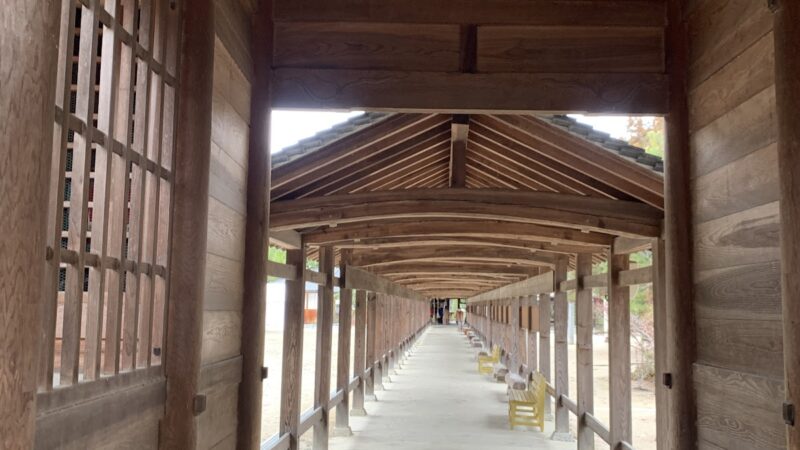
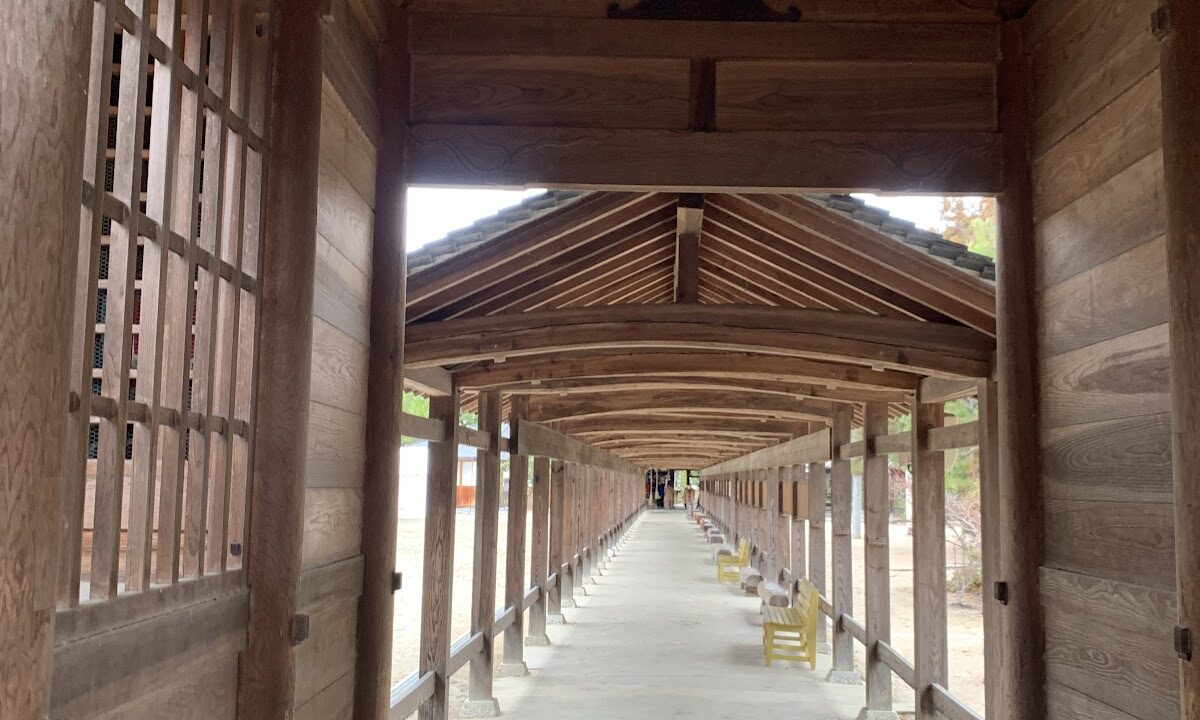
The name of Sōja City originates from “Bitchu-no-Sōja Shrine.” A “Sōja” refers to a shrine built near the provincial capital during the late Heian period to alleviate the inconvenience of the provincial governor having to visit shrines throughout the province. Bitchu-no-Sōja Shrine enshrines the deities of 324 shrines and still stands in the Sōja district of the city. Its front garden features a Mishima-style garden, preserving a beautiful ancient landscape. It boasts a convenient location, a 5-minute walk from Higashi-Sōja Station and a 10-minute drive from the Okayama-Sōja Interchange.
Important Historical Heritage
Kinojō Castle
An ancient mountain castle built on a mountaintop approximately 400 meters above sea level, it is one of Japan’s 100 Famous Castles. Believed to have been built in the late 7th century, it functioned as a defensive facility against invasions from the continent. The view from the restored west gate is spectacular, making it a representative tourist spot of Sōja City.
Sakuyama Kofun
This is a keyhole-shaped burial mound approximately 286 meters long, making it the 10th largest in Japan. It is believed to have been constructed in the mid-5th century and is thought to be the tomb of a powerful figure in ancient Kibi.
Bitchu Kokubunji Temple
This temple was built during the Nara period by order of Emperor Shomu. The current five-story pagoda was rebuilt during the Edo period. It is a beloved symbol of the Kibi region, and boasts beautiful scenery with rapeseed blossoms in spring and cosmos flowers in autumn.
Tourist Spots in Soja City
Spots to Enjoy Nature
Gokei Gorge
This gorge stretches along the Makitani River, a tributary of the Takahashi River, and is a scenic spot with a series of strangely shaped rocks and boulders. Known as a famous spot for autumn foliage, it attracts many tourists in the fall. A walking path is maintained, allowing visitors to enjoy nature walks.
Waterside School
This waterside park is located on the Takahashi River embankment, where visitors can enjoy playing in the river and observing nature. A popular spot for families, bustling with children in the summer.
Iyama Hōfuku-ji Temple
Known as the temple where the renowned painter Sesshū trained, it is famous for the legend of the “Tearful Mouse,” where Sesshū is said to have painted a mouse with his tears. The beautiful autumn foliage in the garden is also a highlight.
Cultural Facilities and Events
Sōja City Machikado Local History Museum
This facility introduces the history and culture of Sōja City, exhibiting ancient Kibi artifacts and folk materials. Admission is free, and you can learn about the local history.
Santopia Okayama Sōja
A comprehensive leisure facility with hot springs, a swimming pool, and accommodation. Suitable for families and groups, it’s a place where you can enjoy yourself all day long.
Festivals and Events in Soja City
- Soja Citizens’ Festival “Sesshu Festa”: The city’s largest event, held every autumn.
- Bitchu Kokubunji Five-Storied Pagoda Festival: A traditional event held in spring and autumn.
- Oni Festival: A local festival themed around Onijo Castle.
About Soja Shrine in Minami Ward, Okayama City
What is Soja in Minami Ward, Okayama City?
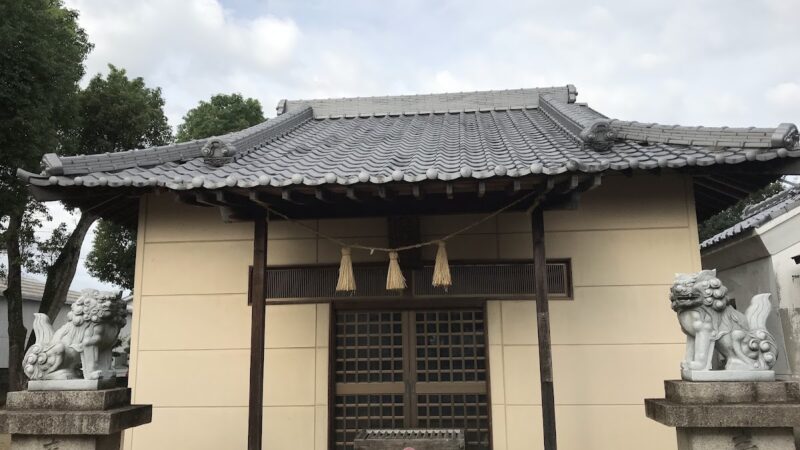
There is also a place name “Soja” in Minami Ward, Okayama City, and the Bizen-no-Kuni Soja-gu (Okayama Shrine) is located in this area. It is a different shrine from the Bitchu-no-Kuni Soja-gu in Soja City, and was founded in the Heian period as the principal shrine of Bizen Province. The Soja area in Minami Ward, Okayama City, is located south of the city center and is an area with a mix of residential and commercial facilities.
Characteristics of Bizen-no-Kuni Soja-gu
Bizen-no-Kuni Soja-gu is a shrine that enshrines the deities of 128 shrines within Bizen Province. Currently known as Okayama Shrine, it is revered as the local guardian deity. Every autumn, the annual festival is held, attracting many worshippers.
Access and Surrounding Area Information
The Soja district in Minami Ward, Okayama City, is accessible from JR Okayama Station in approximately 20 minutes by bus or 15 minutes by car. The surrounding area has well-developed commercial and educational facilities, making it a highly convenient place to live.
Support for Relocation and Settlement in Soja City
Comprehensive Relocation Support System
Soja City is committed to supporting relocation and settlement under the slogan “Let’s Live in Soja!” The city’s official relocation support website provides comprehensive information necessary for relocation, including housing information, job information, and childcare support.
Main Support Systems
- Subsidies for Promoting Relocation and Settlement: Support for housing acquisition for those moving from outside the city.
- Vacant House Bank System: Provision of information on vacant houses within the city and support for their utilization.
- Childcare Support: Reduction of childcare fees, medical expense subsidies, etc.
- Entrepreneurship Support: Subsidies and consultation services for starting new businesses.
Attractive Living Environment
Educational Environment
The city has 14 elementary schools, 7 junior high schools, and 3 high schools (Okayama Prefectural Soja Minami High School, Okayama Prefectural Soja High School, and Kibi Kogen Gakuen High School), providing a well-developed educational environment. Okayama Prefectural Soja Minami High School has specialized courses in arts and crafts and regularly holds practical workshops for junior high school students.
Medical Care and Welfare
The city has several general hospitals and clinics, ensuring a well-established medical system. Furthermore, there are numerous facilities for elderly welfare and disability support, promoting community development aimed at creating a “society where everyone can live together.”
Commercial Facilities
The city center boasts a concentration of commercial facilities, including large supermarkets, home improvement stores, and drugstores, ensuring convenient daily shopping. Its excellent access to Okayama City and Kurashiki City also makes it ideal for weekend shopping.
Work and Industry
Soja City has a thriving manufacturing industry, with numerous factories located within the city. In particular, the automotive and electronic components manufacturing industries are concentrated, providing abundant employment opportunities. Agriculture is also flourishing, with the production of peaches, grapes, and tomatoes.
Startup Support
The city provides support for those aiming to start a business, including a startup consultation service, seminars, and subsidies. Particular emphasis is placed on supporting female and young entrepreneurs.
Soja City’s Local Products and Gourmet Food
Agricultural Products
Soja Peaches
Soja City is one of Okayama Prefecture’s leading peach-producing areas, cultivating high-quality varieties such as “Shimizu Hakuto” and “Hakuhou.” These peaches are characterized by their high sugar content and refined sweetness. Soja Grapes
A variety of grapes are cultivated, including Muscat of Alexandria, Pione, and Shine Muscat. You can enjoy purchasing them at direct sales outlets or experiencing harvesting at tourist farms.
Soja Tomatoes
Grown using the groundwater of the Takahashi River, Soja tomatoes have a good balance of sweetness and acidity and are highly regarded both within and outside the prefecture.
Local Cuisine
Soja Curry
This curry was developed as a local specialty of Soja City, using locally grown vegetables and fruits. Various variations are offered at restaurants in the city.
Kibi Dango
Kibi Dango, associated with the Momotaro legend, is a specialty of the Kibi region, including Soja City. It can be purchased at Japanese confectionery shops in the city.
Soja City Annual Event Calendar
Spring Events
- Late March to Early April: Kibiji Lotus Festival (around Bitchu Kokubunji Temple)
- April: Cherry Blossom Festival (Kijozan, Gokei, etc.)
- May: Children’s Festival
Summer Events
- July: Soja Citizens’ Festival “Sesshu Festa”
- August: Takahashi River Basin Fireworks Display
- August: Bon Odori Festival
Autumn Events
- October: Bitchu Kokubunji Five-Storied Pagoda Festival
- October: Soja Kibiji Marathon
- November: Gokei Autumn Leaves Festival
Winter Events
- December: Illumination Lighting Ceremony
- January: First Shrine Visit of the Year (Bitchu Kokubunji Soja Shrine, etc.)
- February: Setsubun Festival
Soja City Municipal Administration and Service Information
Basic Information about the City Hall
Soja City Hall is open weekdays from 8:30 AM to 5:15 PM (excluding Saturdays, Sundays, national holidays, and the New Year’s holiday period from December 29th to January 3rd). Various procedures and consultations are handled at the counter, and some procedures require prior reservations.
Main Counter Services
- Procedures related to resident registration and family register
- Tax filing and payment
- Procedures related to National Health Insurance and National Pension
- Application for childcare support
- Application for long-term care insurance
- Issuance of various certificates
Inquiries by Phone and Email
Inquiries to the city hall are accepted via the main telephone number (0866-92-8200) or email. Direct telephone numbers for each department can be found on the city’s official website. For emergencies or after-hours contact, the on-duty staff will respond.
Online Services
Soja City is promoting the online processing of administrative procedures, and some applications and notifications can be submitted via the internet. Electronic applications using My Number Cards are also supported.
Tourist Areas Around Soja City
Kurashiki City (Neighboring City)
Kurashiki City, located about 20 minutes by car from Soja City, is a tourist city known for its Bikan Historical Quarter. It boasts numerous attractions, including white-walled streets and the Ohara Museum of Art.
Okayama City (Neighboring City)
Okayama City, the prefectural capital, is about 30 minutes away by car. It is home to historical sites such as Okayama Castle and Korakuen Garden, as well as numerous commercial and cultural facilities.
Takahashi City (Neighboring City)
Located northwest of Soja City, Takahashi City is home to Bitchu Matsuyama Castle, known as the “Castle in the Sky.” It is a popular tourist spot as a mountain castle with an existing keep.
Soja City’s Future Vision
Sustainable Community Development
Soja City aims to be a “city where everyone can live with peace of mind,” and is implementing policies in various areas including welfare, education, industry, and the environment. The city places particular emphasis on employing people with disabilities and supporting the elderly, and its efforts toward realizing a “society where everyone can live together” are highly regarded.
Tourism Promotion and Regional Revitalization
The city is promoting tourism that leverages the historical heritage of ancient Kibi, and is working to attract tourists from both within Japan and overseas. Furthermore, it is developing experiential tourism utilizing local resources and strengthening its inbound tourism services.
Promotion of Digitalization
The city is promoting urban development utilizing digital technology, including the digitalization of administrative services, the use of ICT in education, and the introduction of smart agriculture. Efforts are being made to balance improved convenience for citizens with increased operational efficiency.
Summary: The Multifaceted Charms of Soja
Soja in Okayama Prefecture has two aspects: an independent municipality called Soja City, and the Soja district of Minami Ward in Okayama City. Soja City, in particular, has high historical value as the center of ancient Kibi culture, and many important historical sites remain, such as Kinojo Castle and Bitchu Kokubunji Temple.
Modern Soja City is highly regarded as a “livable city,” boasting a rich history and natural environment, excellent access to Okayama City and Kurashiki City, and comprehensive infrastructure. With robust relocation support programs, it’s attracting attention as a place to start a new life.
In terms of tourism, it offers diverse attractions, including the ancient burial mounds of Kibiji, the five-story pagoda of Bitchu Kokubunji Temple, and the natural beauty of Gokei Gorge. Residents can also enjoy agricultural products such as peaches and grapes, as well as local cuisine.
The Soja City Hall and other administrative offices strive to improve resident services, handling various procedures and consultations. Telephone, email, and online inquiries are available, providing highly convenient services.
The name “Soja” itself carries the historical meaning of comprehensively enshrining shrines, a spirit that continues to be passed down in modern Soja City. A city where diverse people coexist and history and the future harmonize—that is the charm of Soja, Okayama Prefecture.
By engaging with Soja City in various ways, such as visiting, moving there, or doing business, you can experience the richness of this region. For more detailed information, we recommend checking the official Soja City website or the relocation support site “Sumou! Soja”.