About Suga Shrine
Suga Shrine is the guardian shrine of Yotsuya, located in Suga-cho, Shinjuku-ku, Tokyo. It was founded in 1634 (Kanei 11) in Akasaka Hitotsugidai (near present-day Kioicho) during the early Edo period, and later moved to its current location. It enshrines Susanoo-no-Mikoto and Ukanomitama-no-Kami, deities from Japanese mythology, as its main deities.
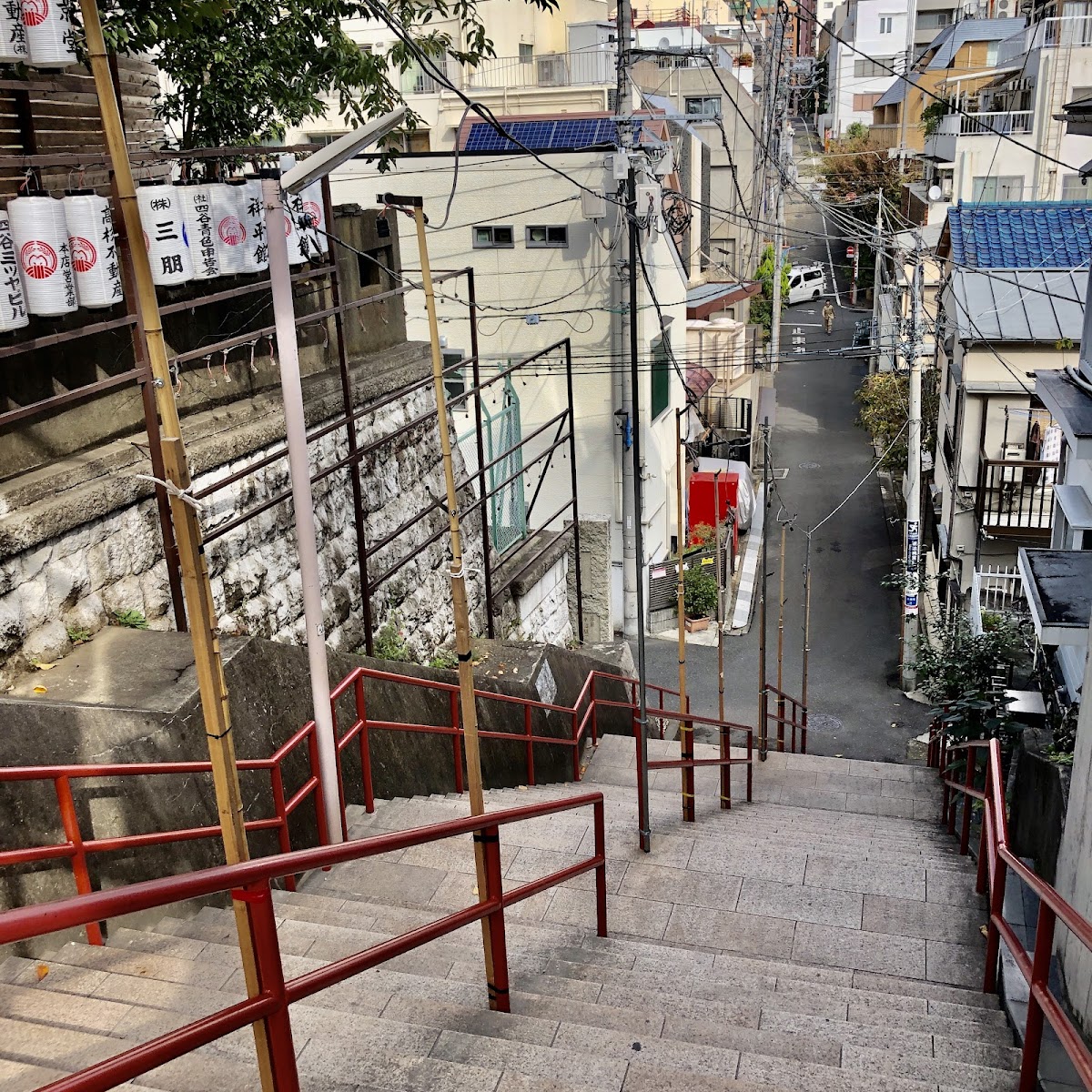
It is also known as a pilgrimage site, attracting many fans from both Japan and abroad, due to the staircase featured in the climactic scene of the 2016 anime film “Your Name.”
Points to Note When Visiting
The “Your Name.” Holy Site: Otoko-zaka (Men’s Slope)
The Otoko-zaka (men’s slope) next to the shrine is the location of the scene in the film “Your Name.” where the main characters pass each other. The view overlooking Shinjuku from the top of the stairs is exactly like a scene from the movie. Photography is especially popular at sunset, but please be considerate of the neighbors as it is a residential area. The stairs are steep, so please watch your step when taking photos.
Proper Worship at the Main Shrine
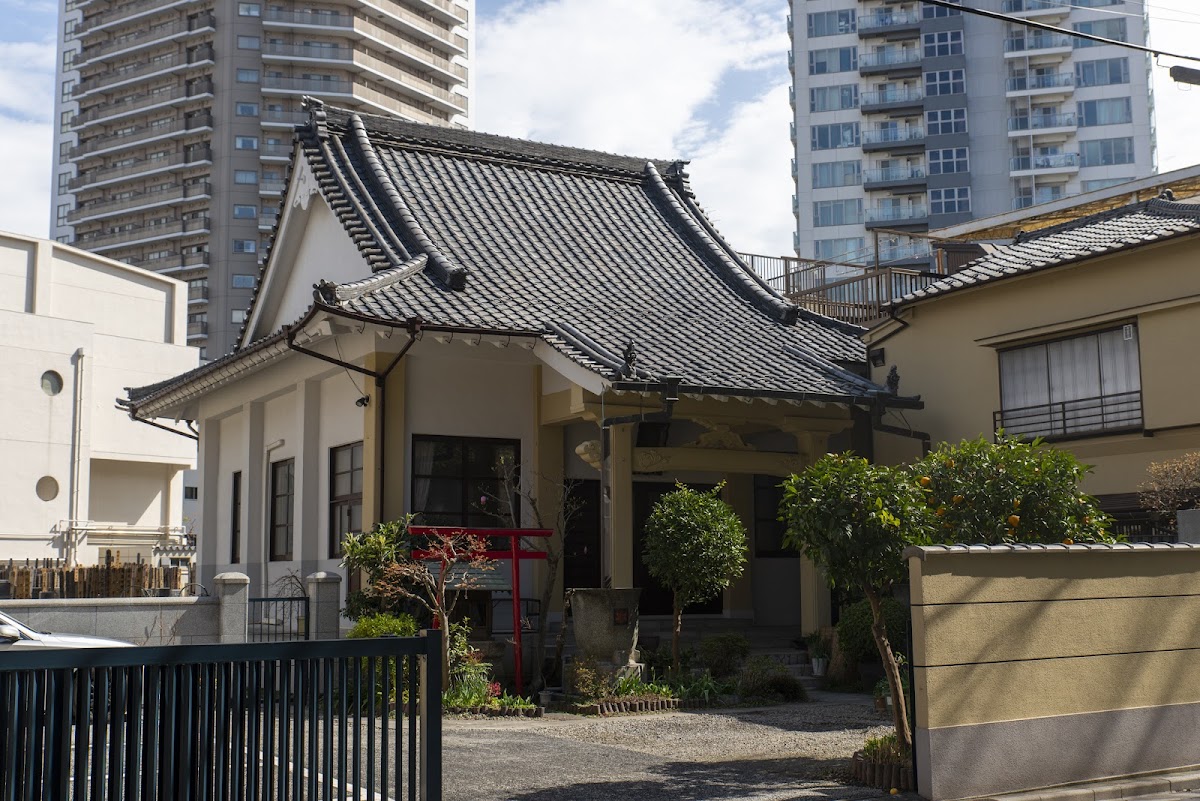
The main shrine is a charming building that retains the architectural style of the Edo period. Worship should be done using the “two bows, two claps, one bow” method. Place your offering, ring the bell, bow deeply twice, clap your hands twice, and finally bow once. You can pray in a peaceful atmosphere.
Shrines and Highlights
The shrine grounds also house cultural artifacts such as an Inari shrine and paintings of the Thirty-Six Immortal Poets. Especially during the annual festival (early June), a portable shrine procession takes place, enveloping the streets of Yotsuya in festive spirit.
Benefits
Protection from Evil and Disaster
The main deity, Susanoo-no-Mikoto, is a god of protection from evil, known for the myth of slaying Yamata-no-Orochi. Many people, especially those in their unlucky years or facing life-changing events, visit this shrine, and prayers for warding off bad luck are also accepted.
Matchmaking and Fulfillment of Good Relationships
Based on the myth of Susanoo-no-Mikoto’s union with his wife, Kushinada-hime-no-Mikoto, the shrine is also known for its blessings in matchmaking. Thanks to its appearance as a filming location, it attracts a constant stream of couples and visitors praying for good relationships.
Business Prosperity and Abundant Harvest
Ukanomitama-no-Kami, as an Inari deity, presides over business prosperity and abundant harvests. It enjoys strong faith from local shop owners and businesspeople, and many visitors come to pray for business success.
Amulets and Goshuin (Shrine Seals)
The shrine office offers various amulets and goshuin (shrine seals). Ema (votive tablets) related to the film “Your Name.” are also popular, with movie fans offering them with their wishes. The goshuin are handwritten, characterized by their meticulous ink calligraphy.
Access
Access by Train
- Approximately 10 minutes on foot from JR Chuo/Sobu Line “Yotsuya Station”
- Approximately 5 minutes on foot from Tokyo Metro Marunouchi Line “Yotsuya-Sanchome Station” (nearest station)
- Approximately 5 minutes on foot from Tokyo Metro Namboku Line “Yotsuya-Sanchome Station”
Exit from Exit 2 of Yotsuya-Sanchome Station, head towards Shinjuku, and turn left at the Sugacho intersection. You will see the shrine.
Access by Car
Approximately 10 minutes from the “Gaien Exit” of the Metropolitan Expressway Route 4 Shinjuku Line. However, there is no dedicated parking lot, so you will need to use nearby coin parking. Street parking is strictly prohibited as it is a residential area.
Visiting Information
- Address: 5 Suga-cho, Shinjuku-ku, Tokyo
- Visiting Hours: Grounds are freely accessible (Shrine office is open from 9:00 to 17:00)
- Admission Fee: Free
- Official Website: Search for Suga Shrine
Nearby Attractions
The area around Yotsuya 3-chome is a charming neighborhood dotted with historical temples, shrines, and sloping streets. After visiting Suga Shrine, we recommend strolling to Oiwa Inari Tamiya Shrine or Shinjuku Gyoen National Garden (15-minute walk). Yotsuya Arakicho also has a restaurant district that retains the atmosphere of the Showa era.