A Complete Guide to Suwa Shrine (Nishinagae, Toyama City, Toyama Prefecture)
Suwa Shrine, located in Nishinagae, Toyama City, is a beloved local shrine. This article provides detailed information you should know before visiting, including the history of Suwa Shrine, its enshrined deities, blessings, the appearance of the shrine grounds, annual events, and access methods.
Basic Information about Suwa Shrine
Suwa Shrine is a shrine located in Nishinagae, Toyama City, Toyama Prefecture. It is a Suwa faith shrine that was established by inviting a deity from Suwa Grand Shrine in Nagano Prefecture. It has long been revered as the local guardian deity by the people of the Nishinagae area.
Location: Nishinagae, Toyama City, Toyama Prefecture
Main Deity: Takeminakata-no-kami
Shrine Rank: Village Shrine
Annual Festival Day: Local festivals are held throughout the year.
History and Origins of Suwa Shrine
Spread of Suwa Faith
Suwa Shrine is a shrine based on the Suwa faith, with Suwa Grand Shrine in Shinano Province (present-day Nagano Prefecture) as its head shrine. The Suwa faith spread throughout Japan from the medieval to the early modern period, and many Suwa shrines were established in Toyama Prefecture.
The Nishinagae Suwa Shrine is also believed to have been founded in the region as part of this spread of the Suwa faith. While records of the specific founding date are limited, it is presumed to have already existed as a center of local faith during the Edo period.
Connection with the Community
The Suwa Shrine has served as the tutelary deity of the Nishinagae district, acting as a spiritual pillar for the local community. In times when agriculture flourished, the shrine played an important role as a place to pray for a bountiful harvest and for the safety and prosperity of the region.
Even today, the local community’s parishioners maintain the shrine and continue the traditional festivals.
Deities and Benefits
Main Deity: Takeminakata-no-kami
The main deity of Suwa Shrine is Takeminakata-no-kami. Takeminakata-no-kami is a deity appearing in the Kojiki and Nihon Shoki, and is known as a son of Okuninushi-no-kami.
Takeminakata-no-kami is worshipped as a powerful deity, and is particularly believed to possess the following divine virtues:
- Long-lasting military fortune: As a god of martial prowess, success in competitions and athletic contests.
- Abundant harvest: As a god of agriculture, prayers for a bountiful harvest are offered.
- Good fortune and prosperity: Happiness and prosperity in all aspects of life.
- Protection from evil: Warding off disasters and protecting the safety of the home.
- Fulfillment of all wishes: Fulfillment of various wishes.
Characteristics of Suwa Faith
Suwa faith has unique characteristics. It combines the characteristics of a hunting god, agricultural god, and war god, and was widely worshipped by the samurai class from ancient to medieval times. Suwa shrines in Toyama Prefecture are also revered locally as shrines possessing these multifaceted divine virtues.
Shrine Grounds and Highlights
Shrine Buildings
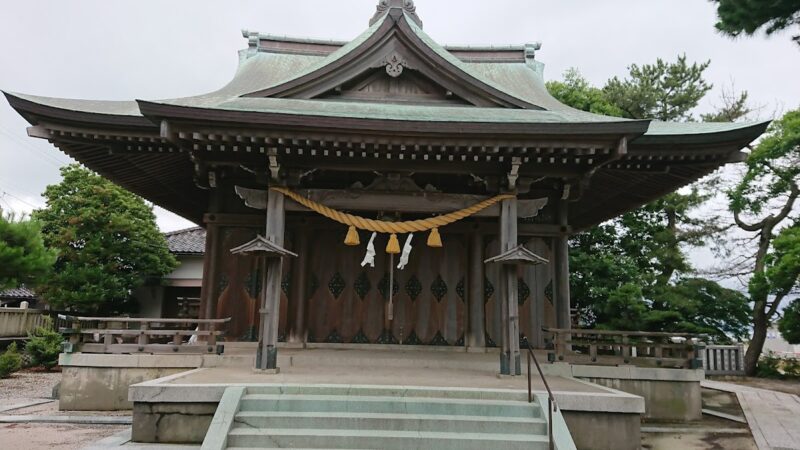
The shrine buildings of Suwa shrines exhibit characteristics of traditional shrine architecture in Toyama Prefecture. In terms of size, it is a friendly, approachable size befitting a local guardian shrine, and it is carefully maintained.
At the main hall, local residents can be seen visiting daily and quietly offering their prayers.
Atmosphere of the Shrine Grounds
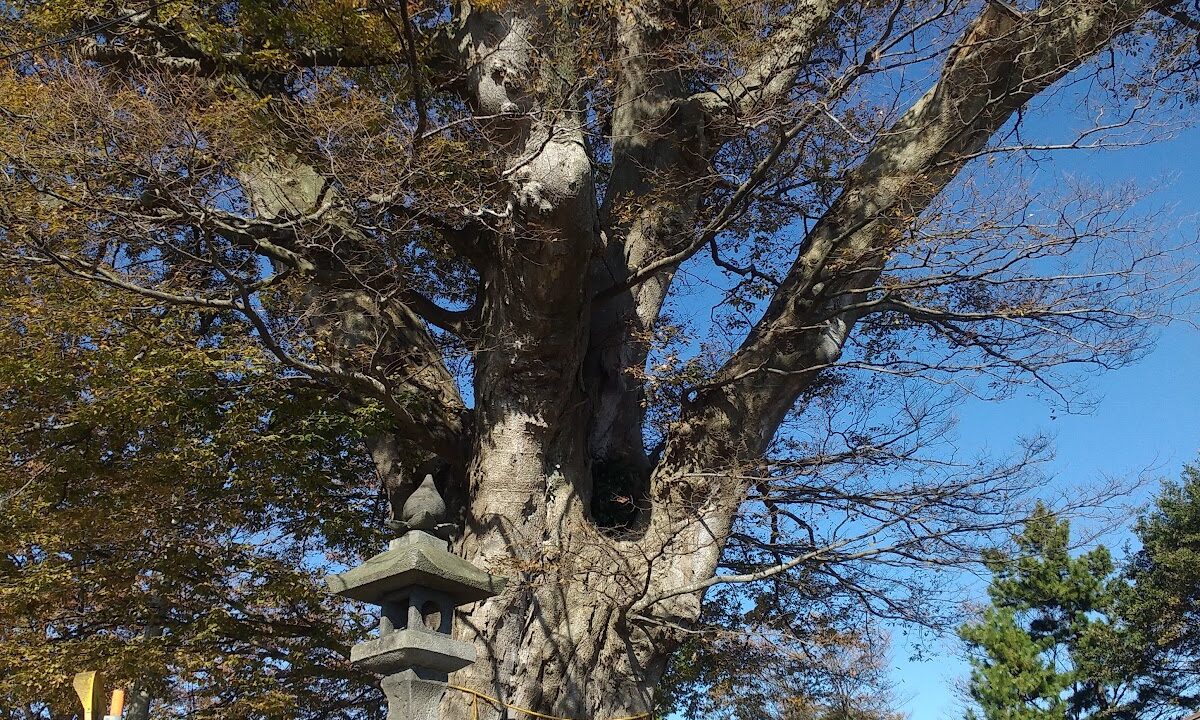
Despite its location surrounded by the residential area of Nishinagae, the shrine grounds maintain a tranquil atmosphere. Surrounded by trees, the grounds offer a space where one can feel the changing seasons.
Especially in the seasons of fresh greenery in spring and autumn leaves, the trees on the grounds display beautiful colors, delighting the eyes of visitors.
Water Basin
A water basin is provided for purifying oneself before worship. When worshipping, it is customary to first purify one’s hands and mouth at the water basin before proceeding to the main hall.
Annual Events and Festivals
Grand Festival
Throughout the year, traditional local festivals are held at Suwa Shrine. The annual festival is an important event in which all residents participate, and may include a procession of portable shrines and offering ceremonies.
New Year’s Visit
At the start of the new year, residents visit the shrine for their first shrine visit of the year, praying for safety and well-being for their families throughout the year. As the local guardian deity, the shrine is bustling with many worshippers.
Other Events
- Spring Festival: Celebrating the arrival of spring and praying for a bountiful harvest
- Autumn Festival: Giving thanks for the harvest and praying for a good harvest next year
- Monthly Festival: Regular monthly festivals
Specific dates are announced through local bulletin boards and the parishioner organization.
Etiquette and Manners for Visiting a Shrine
Basic Etiquette for Visiting a Shrine
When visiting Suwa Shrine, please observe the following basic etiquette:
- Bow before the Torii Gate: Bow before the torii gate before entering the shrine grounds.
- Purify yourself at the water basin: Purify your left hand, then your right hand, then your mouth at the water basin.
- Walking along the approach: The center of the approach is considered the path of the gods, so walk along the sides.
- Etiquette at the main hall: The basic procedure is two bows, two claps, one bow (two bows, two claps, one bow).
- When leaving: After leaving the torii gate, turn around and bow.
Mindset when visiting a shrine
Visiting a shrine is an act of expressing gratitude and respect to the gods. Visit with a calm heart, express your gratitude for everyday blessings, and if you have a wish, state it specifically in your heart.
Access Methods
Location
Address: Nishinagae, Toyama City, Toyama Prefecture
Access by Public Transportation
When using public transportation within Toyama City:
- From Toyama Station: Take a local bus and walk from the nearest bus stop.
- We recommend checking the Toyama Chihō Railway website for specific bus routes and timetables.
Access by Car
- Hokuriku Expressway: From Toyama IC, head towards the city center and proceed to the Nishinagae area.
- Parking: There may be parking spaces for visitors on the temple grounds or nearby, but it may be crowded during festivals.
Notes on Access
Since Nishinagae is located in a residential area, please be considerate of the local residents when visiting. Especially if you are visiting by car, please avoid street parking and park in the designated area.
Nearby Attractions
Charms of the Western Toyama City Area
The area around Nishinagae in Toyama City, where Suwa Shrine is located, is situated in the western part of Toyama City and is an area where residential areas and rural landscapes harmoniously coexist.
Nearby Shrines and Temples
There are many other shrines and temples in Toyama City, making it enjoyable to visit them. If you have time, “Goshuin pilgrimage” (visiting multiple shrines to collect Goshuin stamps) is also popular.
Toyama Tourist Attractions
If you want to enjoy sightseeing in Toyama in conjunction with visiting Suwa Shrine:
- Toyama Castle: A historical building in the heart of Toyama City
- Fugan Canal Kansui Park: A beautiful waterside park
- Toyama Glass Art Museum: A fusion of modern architecture and glass art
- Tateyama Mountain Range: A magnificent view of Toyama’s representative mountains
The Charm of Suwa Shrine and the Significance of Visiting It
A Faith Rooted in the Community
The greatest charm of Suwa Shrine is that it is a place of faith rooted in the community. Unlike large-scale tourist shrines, it maintains a quiet and peaceful atmosphere as an object of daily faith for local residents.
By visiting such a local guardian deity, you can experience the origins of traditional Japanese faith culture.
A Place of Peace of Mind
In today’s increasingly urbanized world, shrines are precious spaces where one can find peace of mind. Spending time in the tranquil grounds of Suwa Shrine will provide an opportunity to escape the hustle and bustle of everyday life and reflect on yourself.
Connection with the Local Community
Suwa Shrine is also a central hub for the local community. Through festivals and other events, connections among local residents are fostered, and traditional culture is passed down to future generations.
Attire and Items to Bring When Visiting
Regarding Attire
For a typical visit, no special attire is required. However, to show respect to the deities, please observe the following points:
- Dress neatly and cleanly.
- Avoid revealing clothing.
- Remove your hat when praying (men).
- Formal attire, such as a suit, is preferable for formal visits.
Items to Bring
- Offering: Prepare auspicious coins such as 5-yen or 50-yen coins.
- Camera: Photography is generally permitted on the shrine grounds, but please be considerate of the sacred space.
- Goshuincho (stamp book): Bring one if you collect Goshuin (shrine stamps).
- Handkerchief: Use after purifying your hands at the water basin.
The Future and Preservation Activities of Suwa Shrine
Community Maintenance
Suwa Shrine is maintained by the local parishioners’ organization. In today’s society, where the birthrate is declining and the population is aging, passing on such local shrines to future generations is an important issue.
What Visitors Can Do
Visitors to Suwa Shrine can also contribute to its preservation:
- Respectful Worship: Treat the shrine grounds with care and take your trash with you.
- Offerings: Offerings are used for the maintenance and upkeep of the shrine.
- Sharing Information: Share the shrine’s charm with family and friends.
- Participating in Festivals: If possible, observe and participate in local festivals.
Toyama’s Shrine Culture and Suwa Shrine
Characteristics of Shrines in Toyama Prefecture
Toyama Prefecture has approximately 2,000 shrines, each reflecting the history and culture of the region. Diverse forms of worship can be seen, including mountain worship such as Tateyama worship, worship of sea gods, and worship of agricultural gods.
While Suwa Shrine belongs to the nationwide Suwa faith system, it has its own unique history reflecting the characteristics of the Nishinagae region.
The Spread of Suwa Faith
There are said to be approximately 5,000 Suwa shrines throughout Japan, and several Suwa shrines exist within Toyama Prefecture. Each Suwa shrine has developed uniquely in accordance with the characteristics of its region, and the Nishinagae Suwa Shrine is one such example.
The Charms of Suwa Shrines in Each Season
Spring (March-May)
In spring, Suwa shrines are beautiful with fresh greenery, and you can see the trees in the shrine grounds budding. This is also the time when spring festivals are held, and the region comes alive again.
Summer (June-August)
The lush green grounds provide shade from the summer sun. Summer festivals and local events are sometimes held here.
Autumn (September-November)
Autumn is the season for autumn festivals, giving thanks for the harvest. The trees in the shrine grounds change color, and you can visit in a calm atmosphere.
Winter (December-February)
The shrine grounds, covered in snow, exude a solemn atmosphere. During the New Year’s pilgrimage season, many worshippers visit the shrine to celebrate the start of the year.
Summary: A Recommendation to Visit Suwa Shrine
Suwa Shrine in Nishinagae, Toyama City, is a shrine with a long history as a place of worship deeply rooted in the community. It enshrines Takeminakata-no-kami and is believed to offer various blessings, including military success, abundant harvests, and protection from evil.
Unlike large-scale tourist shrines, it offers a quiet and peaceful atmosphere where you can experience traditional Japanese religious culture. When visiting Toyama City, be sure to visit Suwa Shrine and feel the history and culture of the region.
Through worship, you will find peace of mind and have an opportunity to reflect on the preservation of the region’s traditional culture. Suwa Shrine is an important spiritual pillar of the community, connecting the past, present, and future.