Suwa Shrine (Suwagawara, Toyama City, Toyama Prefecture) Complete Guide | History and Access Information for Kame-no-Miya
Located in Suwagawara, in the heart of Toyama City, Suwa Shrine is a beloved local shrine known as “Kame-no-Miya” or “Kame-no-Jinja-san.” This historic shrine, said to have been founded during the reign of Emperor Koko (58th Emperor), has a unique form of worship where turtles are believed to inhabit the pond on its grounds. This article comprehensively introduces the latest information on Suwa Shrine, including its detailed history, enshrined deities, highlights of the grounds, and access methods.
Basic Information on Suwa Shrine
Suwa Shrine is located at 1-10-21 Suwagawara, Toyama City. It boasts a convenient location, just a 1-minute walk (approximately 49m) from Suwagawara Station on the Toyama Chihō Railway City Line, and also accessible in about 3 minutes on foot from Marunouchi Station. It is located approximately 1km southwest of Toyama Station, just west of Toyama Castle and near the Jinzu River.
Location and Access
Address: 1-10-21 Suwagawara, Toyama City, Toyama Prefecture
Nearest Stations:
- 1 minute walk (approx. 49m) from Suwagawara Station on the Toyama Chihō Railway City Line
- 3 minute walk (approx. 233m) from Marunouchi Station on the Toyama Chihō Railway City Line
- 3 minute walk (approx. 174m) from Annoya Station on the Toyama Chihō Railway City Line
The shrine grounds face south, overlooking the road, and are located north of Suwagawara Station on the city tram line. It boasts excellent access from central Toyama City, making it easily accessible for worshippers.
History of Suwa Shrine
Founding and History
Suwa Shrine is said to have been founded during the reign of Emperor Kōkō (887-897). Founded in the late Heian period, it is known as one of the oldest shrines in Toyama City. With a history spanning over 1100 years since its founding, it has functioned as a center of local faith.
Origin of the Place Name Suwagawara
The place name Suwagawara originates from the fact that it is the location of the Suwa Shrine. Records from 1605, when Maeda Toshinaga entered Toyama Castle, mention “from Itachigawa to Suwagawara, Isobe, Kimachi, and Gofuku,” indicating that the name Suwagawara was in use at that time.
Locally, it is sometimes pronounced “Susanokara,” which is considered a remnant of an old dialect. It was recognized as an important area from the formation period of the Toyama castle town.
Faith as the Turtle Shrine
The Suwa Shrine came to be called “Turtle Shrine” or “Turtle Shrine-san” because many turtles lived in the pond on its grounds. Before the war, there was a natural pond where numerous turtles resided. Turtles have long been revered as symbols of longevity and have been cherished as special beings at Suwa Shrine.
Even today, there is a pond on the shrine grounds where turtles live, and several can be seen. A “Turtle Monument” stands in a corner of the grounds, continuing the tradition of commemorating and expressing gratitude to the turtles. This unique form of worship is one of the distinctive features of Suwa Shrine.
Deities and Divine Virtues
Main Deities
The deities enshrined at Suwa Shrine are the following two:
Takeminakata-no-Mikoto
This is the main deity of the Suwa faith, which has Suwa Grand Shrine in Nagano Prefecture as its head shrine. Also written as Takeminakata-no-Kami, he is known as a child deity of Okuninushi-no-Mikoto. As a god of martial prowess, he is believed to bestow blessings of long-lasting military fortune, success in competitions, and good fortune. He is also worshipped as a god who controls water and wind.
Tamahime Inari-shin
This deity is associated with Inari worship and is believed to bestow blessings of abundant harvests, business prosperity, and family safety. The enshrinement of Inari-shin at Suwa Shrine reflects the close connection between the local industry and daily life.
Divine Blessings
The following divine blessings are worshipped at Suwa Shrine:
- Long-lasting military fortune and good fortune in competitions: The divine blessings of Takeminakata-no-Mikoto
- Good fortune and prosperity: Good fortune at important life milestones
- Abundant harvests and business prosperity: The divine blessings of Tamahime Inari-shin
- Family safety: Health and safety of family members
- Prayer for longevity: Prayers for longevity based on the belief in turtles
Highlights of the Shrine Grounds
Shrine Building
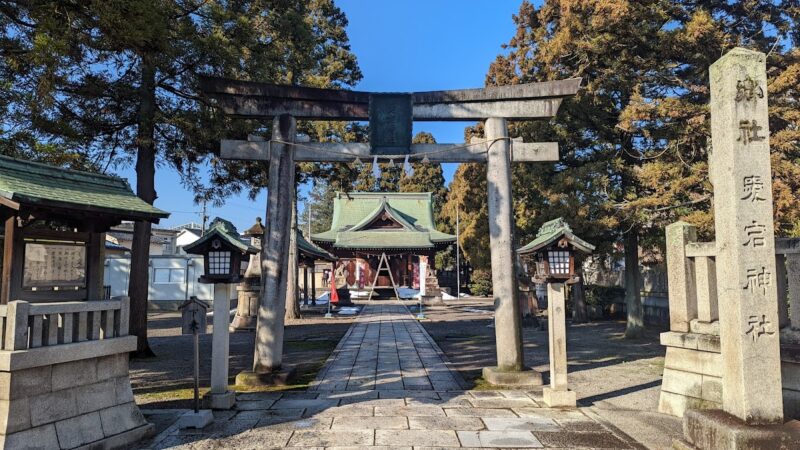
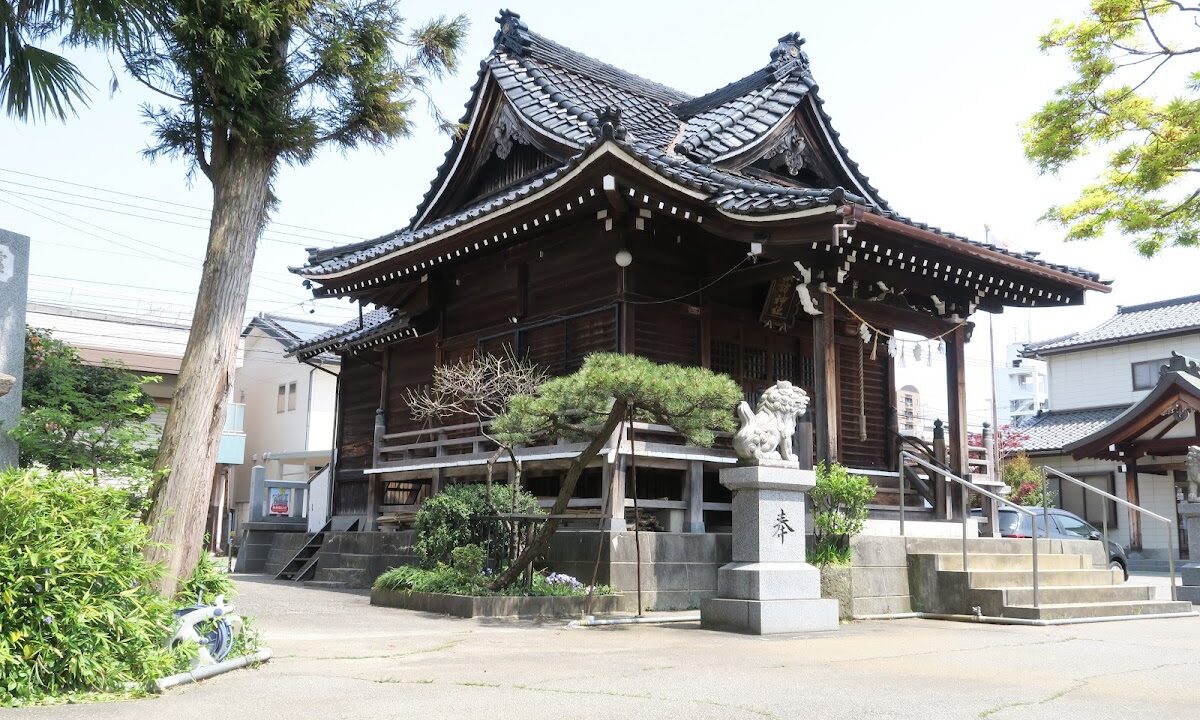
The grounds of Suwa Shrine face south, opening onto the road, making it easily accessible for worshippers. The shrine building maintains the traditional style of Shinto shrine architecture while inheriting the local faith.
Turtle Pond and Turtle Monument
The most distinctive feature of the shrine grounds is the pond inhabited by turtles. Many turtles have lived there naturally since ancient times, and several can still be seen today. A “Turtle Monument” stands around the pond, expressing gratitude and remembrance for the turtles.
It is said that many turtles lived there before the war, and they were a familiar presence to the local residents. Seeing a turtle is believed to bring good fortune and is one of the pleasures of worshippers.
Atmosphere of the Shrine Grounds
Despite being located in a residential area in the center of Toyama City, the shrine grounds maintain a quiet and peaceful atmosphere. Because it is close to a streetcar station, many local residents visit regularly, fulfilling its role as a shrine deeply rooted in the community.
Annual Events and Festivals
As the local guardian deity, Suwa Shrine holds various festivals and events throughout the year. The shrine maintains a faith closely intertwined with the lives of local residents and is used as a venue for life-changing rituals such as New Year’s visits, Shichi-Go-San (a traditional rite of passage for children), and exorcisms.
Main Annual Events
- New Year’s Day Festival: A festival to welcome the new year
- Spring Grand Festival: A festival of gratitude for spring and prayers for a bountiful harvest
- Autumn Grand Festival: A harvest festival for autumn
- Monthly Festival: A regular monthly festival
For specific festival dates, it is recommended to check the latest information before visiting.
About Goshuin (Shrine Seals)
Regarding the issuance of Goshuin at Suwa Shrine, prior confirmation is necessary. As it is a small shrine, there may not always be a resident priest. Those wishing to receive a Goshuin are advised to check with shrine officials in Toyama City or local information before visiting.
In recent years, collecting Goshuin has become popular, but it is important to remember that Goshuin are a record and proof of your visit, and that the most important thing is to offer a sincere prayer first.
Nearby Attractions
Toyama Castle Park
Toyama Castle Park, located within walking distance of Suwa Shrine, is a symbolic landmark of Toyama City. It features the Toyama Castle keep (Toyama City Local History Museum) and a Japanese garden, offering a glimpse into Toyama’s history. It’s an ideal spot to visit in conjunction with a visit to Suwa Shrine.
Toyama City Center
Suwagawara is located in the heart of Toyama City, surrounded by numerous commercial facilities and restaurants. After visiting the shrine, you can enjoy Toyama’s local cuisine or go shopping.
Jinzu River
The Jinzu River flows west of Suwa Shrine. A major river that nourishes the Toyama Plain, it has a deep connection to Toyama’s history and culture. Enjoy a stroll along the river.
Manners and Etiquette for Visiting a Shrine
Basic Etiquette for Visiting a Shrine
- Bow before the Torii Gate: Before entering the shrine grounds, bow before the torii gate.
- Purify yourself at the water basin: If there is a water basin, purify your hands and mouth.
- Walking along the approach: The center of the approach is considered the path of the gods, so walk along the sides.
- Worship at the main hall: The basic procedure is two bows, two claps, and one bow.
- Bow deeply twice.
- Clap your hands twice.
- Pray with sincerity.
- Bow deeply once.
- Bow when leaving: When leaving the shrine grounds, turn around and bow before the torii gate.
Points to Note When Visiting a Shrine
- The shrine grounds are a sacred place. Let’s pray quietly.
- Take photographs only within permitted areas.
- Observe the turtles in the turtle pond quietly so as not to startle them.
- Always take your trash with you.
- Please be considerate of noise, as this is also a living space for local residents.
The Charm and Characteristics of Suwa Shrine
A Healing Spot in the City
Despite being located in the urban environment of central Toyama City, Suwa Shrine offers a quiet and peaceful space. Its appeal lies in the balance between the convenience of being accessible by streetcar and the tranquil atmosphere of the shrine grounds.
Encountering Turtles
As its nickname “Turtle Shrine” suggests, seeing turtles in the pond on the shrine grounds is a unique experience at Suwa Shrine. Turtles have long been cherished as symbols of longevity, and there is a legend that seeing a turtle brings good fortune.
The Weight of History
With a history of over 1100 years since its founding in the late Heian period, Suwa Shrine is a valuable cultural heritage that tells the story of Toyama’s history. The name Suwagawara, which appears in records from Keicho 10 (1605), preserves the history of Toyama.
A Faith Rooted in the Community
Unlike a large-scale tourist shrine, the Suwa Shrine, cherished by residents as the local guardian deity, preserves a traditional Japanese form of worship. The sight of local residents regularly visiting the shrine gives a sense of living faith.
Other Suwa Shrines in Toyama City
There are several shrines named Suwa Shrine in Toyama City. Care should be taken to avoid confusion.
Suwa Shrine (Yao-machi Suwa-cho)
The Suwa Shrine located at 2432 Suwa-cho, Yao-machi, Toyama City, is a 20-minute walk from Etchu-Yao Station. It is a different shrine from the Suwagawara Suwa Shrine.
Suwa Shrine (Shikata Nishi-Iwase)
The Suwa Shrine located in Shikata Nishi-Iwase, Toyama City, is a separate shrine from the Suwa Shrine in Suwagawara. Each functions as the guardian deity of a different region.
Best Time and Season for Visiting
Charms of Each Season
Spring (March-May)
The trees in the shrine grounds bud, and the fresh greenery is beautiful. The Spring Grand Festival is also held.
Summer (June-August)
This is the time when turtles are most active, and it’s a good time to see them swimming in the pond.
Autumn (September-November)
The autumn leaves are beautiful, and the Autumn Grand Festival is also held. The weather is pleasant, making it ideal for visiting.
Winter (December-February)
The shrine is bustling with many visitors during the New Year’s visit period. The snow-covered shrine grounds also have a unique charm.
Recommended Time to Visit
While the shrine grounds are generally open all day, visiting during daylight hours is recommended. Morning visits, in particular, offer a refreshing atmosphere. If you wish to observe turtles, the best time is from morning to early afternoon on a sunny day.
History of Suwa Shrine and Toyama
Relationship with Toyama Castle Town
Suwagawara, where Suwa Shrine is located, is situated immediately west of Toyama Castle and has been deeply involved in the formation of Toyama Castle Town. The mention of Suwagawara in records of Maeda Toshinaga’s entry into Toyama in 1605 indicates that it was already recognized as an important area in the early Edo period.
Connection with the Jinzu River
Suwagawara is located near the Jinzu River and was once a region prone to river flooding and water damage. The worship of Takeminakata-no-Mikoto, the god who controls water, is thought to be related to these geographical conditions.
Changes Since the Modern Era
After the Meiji Restoration, Toyama developed into a modern city, and the area around Suwagawara also became urbanized. Before the war, the shrine grounds were a rich natural environment with many turtles inhabiting the pond. However, even amidst the wave of urbanization, the faith was preserved, and it continues to function as the local guardian shrine.
Summary
The Suwa Shrine, located in Suwagawara, Toyama City, is an ancient shrine with a history of over 1100 years since its founding in the late Heian period. It is affectionately known locally as “Kame no Miya” (Turtle Shrine) or “Kame no Jinja-san” (Turtle Shrine), and has a unique form of worship where turtles inhabit the pond on its grounds.
The enshrined deities are Takeminakata-no-Mikoto and Tamahime Inari-no-Kami, and the shrine is believed to bestow blessings such as military success, good fortune, business prosperity, and longevity. It is conveniently located just a one-minute walk from Suwagawara Station on the Toyama Chihō Railway City Line, and easily accessible from the center of Toyama City.
Located in an urban area, Suwa Shrine maintains a quiet and peaceful atmosphere, and its deeply rooted local faith continues to this day. It’s a precious shrine where you can feel the history of Toyama while also enjoying encounters with turtles. When you visit Toyama, we highly recommend paying a visit.
We recommend checking the latest information and details before your visit. We hope you will feel the divine blessings of Suwa Shrine through a heartfelt visit.