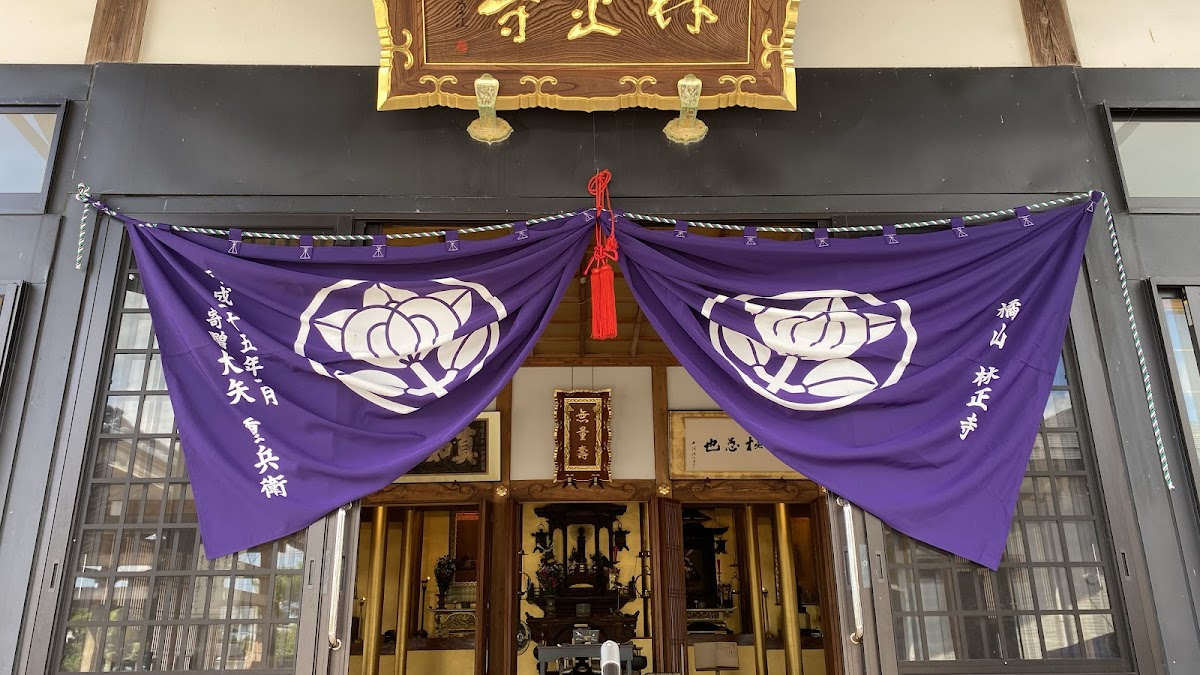
Tachibanayama Rinshoji Temple (Niigata Prefecture) | A Historic Temple of the Shinshu Otani School and the Innovative Initiatives of Chief Priest Hayato Tachibana
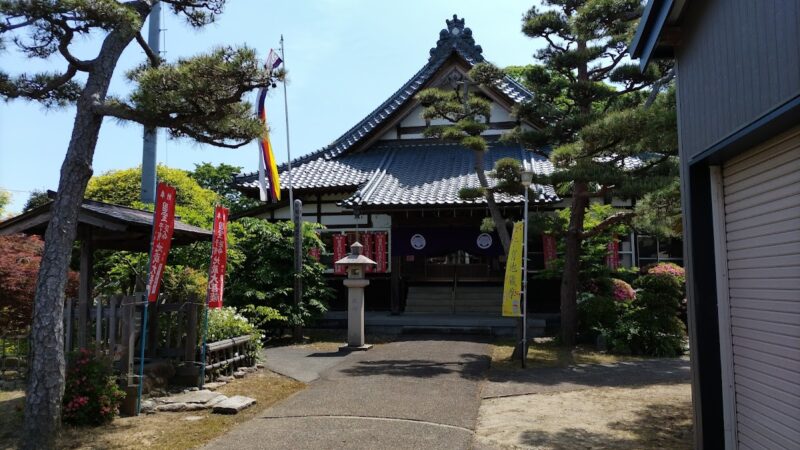
Rinshoji Temple, a Shinshu Otani school temple located in Negishi, Minami-ku, Niigata City, Niigata Prefecture, is a venerable temple with a history of over 500 years since its founding in 1520. However, this historic temple is now attracting attention in the Buddhist world because, while preserving its traditions, it is also developing innovative activities that are open to modern society. Under the motto of “a temple contributing to society,” advocated by the 20th chief priest, Hayato Tachibana, the temple is undertaking initiatives that go beyond the traditional framework of a temple, such as operating a temple café and offering tree burials.
Basic Information and Access to Rinshoji Temple
Location and Transportation Access
Rinshoji Temple is located at 45 Negishi, Minami-ku, Niigata City, Niigata Prefecture. It is located south of the center of Niigata City, in a quiet environment surrounded by abundant nature.
Access by Public Transportation:
- The nearest stations are JR Shin’etsu Main Line’s “Yashiroda Station” or “Kotsu Station”.
- Also accessible from JR Echigo Line’s “Echigo-Sone Station”.
- Take the bus bound for Shirone/Gatahigashi Bus Depot from Niigata Station, get off at “Negishi Bus Stop”, and walk for approximately 3 minutes.
Access by Car:
- Approximately 15 minutes south from Kurozaki Interchange via National Route 8.
- Approximately 8 minutes south from Ohno Ohashi Bridge.
- Parking is available, ensuring peace of mind for visitors and those attending memorial services.
Basic Temple Data
- Sect: Shinshu Otani School (Jodo Shinshu)
- Mountain Name: Tachibana-yama
- Founding: 1520
- Current Chief Priest: Tachibana Hayato (20th Chief Priest)
- Phone Number: 025-362-5974
- Affiliation: Shinshu Otani School Niigata Diocese
The Background and Path to Buddhism of Abbot Hayato Tachibana
From Civil Servant to Buddhism Guided by Circumstances
Abbot Hayato Tachibana’s background is distinctive and different from that of many other temple abbots. How did Mr. Tachibana, who originally worked in society as a civil servant, enter the Buddhist path and become the abbot of Rinsho-ji Temple? Behind this lies his connection with his family and community, and his deep desire to explore Buddhism.
Since inheriting the position of the 20th abbot in 2014, Mr. Tachibana has utilized his previous social experience to fundamentally re-examine the role of temples in modern society. His understanding of the local community and his ability to grasp people’s needs, cultivated during his time as a civil servant, formed the foundation of his later innovative temple management.
A Start from Zero: “Anything Goes”
Upon assuming the position of abbot, Mr. Tachibana began to envision the future of the temple with a free-thinking approach, without being bound by the traditional framework of temple management, believing “anything goes.” This attitude was not merely innovation for the sake of innovation, but stemmed from the fundamental question: “For whom should the temple exist?”
In an era where the traditional temple management model, heavily reliant on the danka (parishioner) system, is reaching its limits, Chief Priest Tachibana sought a way for temples to be open to the entire community. As a result, he aimed for a temple that could be a gathering place for people, regardless of whether they were parishioners or not, and transcending sectarian boundaries.
Hayashishoji Temple’s Innovative Initiatives
A Temple Where You’re Invited for Coffee | Hosting a Temple Cafe
One of Hayashishoji Temple’s most distinctive initiatives is the “Temple Cafe.” Chief Priest Tachibana hosts a cafe at the temple “to make temples and Buddhism feel more accessible.”
Characteristics of the Temple Cafe:
- Creating an opportunity to visit the temple casually
- Providing a place to discuss Buddhism and life
- Functioning as a hub for community interaction
- An open space regardless of sect or faith
The idea of “coming to the temple because you’re invited for coffee” significantly changes the traditional image of temples. By creating an environment where people can visit the temple on a daily basis, not just for special occasions like memorial services and funerals, Buddhist teachings become more familiar. ### Spreading Buddhism More Freely | Unconventional Temple Practices
Chief Priest Tachibana is developing various innovative initiatives driven by his desire to “spread Buddhism more freely.”
Funeral Video Creation:
In addition to traditional, formal funerals, he offers a video creation service that allows families to reflect on the deceased’s life. He proposes a new way to remember the deceased, offering support to the bereaved.
Information Dissemination Using Social Media:
On Instagram, he prioritizes “daily chanting and daily posts,” posting about the temple’s “present” and inspiring “words” 365 days a year. By actively utilizing modern communication tools, he is delivering Buddhist teachings to younger generations.
Learning Opportunities such as the Priest’s Academy:
The chief priest himself values continuous learning and participates in abbot academies and other similar programs. He utilizes the knowledge gained in the operation of Rinsho-ji Temple, aiming for a temple that is constantly evolving.
Funeral Services at Hayashi-ji Temple | Tree Burial and Perpetual Memorial Services
Tree Burial Available to Non-Temple Members and Those of No Sect Restriction
In modern society, the forms of cemeteries and memorial services are diversifying. Hayashi-ji Temple offers tree burial as a way to meet the needs of the times.
Features of Hayashi-ji Temple’s Tree Burial:
- Available to Non-Temple Members
- Accepts All Sects
- A memorial service based on the concept of returning to nature
- Peace of mind for those without successors
- An environmentally conscious and sustainable form of memorial service
Tree burial differs from traditional burial using tombstones; it involves burying remains under a tree. It aligns with the values of modern people who prioritize harmony with nature, and it has gained attention in recent years because it reduces the burden of maintaining cemeteries.
Provision of Perpetual Memorial Graves
In today’s society, where the birthrate is declining and the population is aging, the problem of not having successors for graves is becoming serious. Hayashi-ji Temple also provides perpetual memorial graves, establishing a system where the temple will continue to provide memorial services responsibly for future generations.
Benefits of Perpetual Memorial Graves:
- No need for successors, ensuring peace of mind for the future
- Reduced financial burden such as management fees
- Guarantee of perpetual memorial services by the temple
- Abundant options, from individual plots to communal burials
These forms of memorial services embody the motto of “a temple contributing to society.” By not being bound by the danka (parishioner) system and responding broadly to the needs of society, we demonstrate what a truly necessary temple should be.
Shinshu Otani School and the Teachings of Jodo Shinshu
About the Shinshu Otani School
The Shinshu Otani School, to which Rinsho-ji Temple belongs, is a branch of Jodo Shinshu Buddhism, a Buddhist sect founded by Shinran Shonin. Its head temple is Higashi Hongan-ji (Shinshu Honbyo) in Kyoto.
Characteristics of the Shinshu Otani School:
- A teaching of salvation through the power of others, believing in the original vow of Amida Buddha
- Salvation through chanting the Nembutsu
- A history of spreading among the general public as a lay Buddhist sect
- An open sect that allows monks to marry
The Teachings of Jodo Shinshu and Modern Society
The teachings of Jodo Shinshu are an extremely egalitarian and open philosophy, stating that salvation can be attained by believing in the original vow of Amida Buddha and chanting the Nembutsu, even without special training or abilities. This teaching is deeply connected to the ideal of Chief Priest Tachibana, who aims for a “temple that anyone can visit.”
In modern society, people face various stresses and anxieties. The Jodo Shinshu teaching of “salvation as you are” provides great emotional support for modern people who demand perfection. At Rinsho-ji Temple, we have created an environment where these teachings can be encountered on a daily basis, without being bound by rigid rituals or formalities.
The History of Rinsho-ji Temple and its Connection to the Community
From its Founding in 1520 to the Present
Rinsho-ji Temple was founded in 1520 (Eisho 17) and has continued to uphold its religious traditions in Negishi, Minami-ku, Niigata City, Niigata Prefecture for over 500 years. Witnessing the changing times from the Sengoku period to the Edo period, the Meiji Restoration, the Showa era’s wars, and the Heisei and Reiwa eras, it has existed as a spiritual anchor for the people of the region.
Up to the time of the 20th head priest, Yuto Tachibana, the traditions preserved and passed down by successive head priests, along with the innovations of each era, have shaped Rinsho-ji Temple into what it is today.
Contribution to the Local Community
Rinsho-ji Temple, which proclaims itself a “temple of social contribution,” plays a role not only as a religious facility but also as a central hub for the local community.
Community Involvement:
- Providing a place for community interaction through the temple café
- Passing on local culture through various events
- Providing attentive service and emotional support during memorial services and funerals
- Promoting the charm of the region through information dissemination via social media
- Engaging in community-based activities as an open temple
Chief Priest Tachibana values listening to the needs of the community and responding flexibly, in order for the temple to remain a truly essential place for the community.
Memorial Services and Events Held at Hayashishoji Temple
Daily Services and Buddhist Rites
At Hayashishoji Temple, daily chanting of sutras is highly valued. Chief Priest Tachibana practices “daily chanting” and shares the daily life of the temple widely through social media.
Main Memorial Services:
- Annual memorial services (first anniversary, third anniversary, seventh anniversary, etc.)
- Monthly memorial services
- Memorial services during Obon and Higan
- Consultation and implementation of various Buddhist services
During memorial services, we conduct each service carefully, with empathy for the feelings of the bereaved family, to ensure it is a precious time to remember the deceased. We also provide clear explanations of customs and procedures, even for first-time attendees, creating an environment where everyone can participate with peace of mind.
Annual Events and Calendar
At Hayashishoji Temple, while cherishing the traditional annual events of the Jodo Shinshu sect, we also hold modern events. The event schedule is published as the “Hayashishoji Calendar” on our official website and social media, and many events are open to everyone.
Main Annual Events:
- Shusho-e (January)
- Spring Equinox Service (March)
- Hana Matsuri (April)
- Obon Festival (August)
- Autumn Equinox Service (September)
- Hoonko (November)
- Other events include a temple café and special events.
Many of these events are open not only to temple parishioners but also to local residents and anyone interested in Buddhism, reflecting the temple’s open and welcoming stance.
Future Prospects for Hayashisho-ji Temple
For Whom Should the Temple Exist?
The fundamental question that Chief Priest Tachibana constantly asks is, “For whom should the temple exist?” While preserving tradition is important, even more important is that the temple continues to be a truly necessary presence in modern society.
The Future that Hayashi-Shoji Temple Aims For:
- An open temple that transcends the boundaries between temple parishioners and non-parishioners
- A place of spiritual solace for all, regardless of sect
- A friendly space that can be visited regularly
- A base for conveying Buddhist teachings in a modern form
- A presence that continues to contribute to the local community
Initiatives to Liberate Temples in the Modern Age
Chief Priest Tachibana describes these innovative initiatives as “liberating temples in the modern age.” This does not mean abandoning tradition, but rather preserving the essence of tradition while updating its expression to suit modern times.
Specific Initiatives:
- Information dissemination utilizing digital tools (Instagram, official website)
- Providing funerals and memorial services that are not bound by traditional forms
- Creating mechanisms that make it easy to visit, such as a cafe
- Memorial service forms that meet modern needs, such as tree burial
- Evolution through continuous learning and improvement
These initiatives are attracting much attention as one answer to the challenges faced by temples nationwide.
Access and Visiting Information for Rinsho-ji Temple
About Visiting and Sightseeing
Rinsho-ji Temple is a temple that can be easily visited even by those who are not parishioners. The dates of the temple cafe and various events can be found on the official website and social media.
Notes for Visitors:
- Contacting in advance will ensure a smoother visit.
- There are no specific dress code requirements, but clean attire is preferred.
- Please observe proper etiquette when taking photographs.
- Please be quiet and respectful on the temple grounds.
Various Consultations and Inquiries
Rinshoji Temple handles the following consultations and inquiries:
- Consultations regarding tree burials and perpetual memorial graves
- Consultations regarding funerals and memorial services
- Consultations regarding graves and memorial services
- Consultations regarding Buddhism and life in general
- Other general inquiries regarding the temple
Contact Information:
- Phone Number: 025-362-5974
- Address: 45 Negishi, Minami-ku, Niigata City, Niigata Prefecture 950-1234
- Official Website: http://www.niigata-reienn.com/
- Instagram: @rinsyoji
We value creating a welcoming atmosphere where even first-time visitors can easily consult with us. Everyone is welcome, regardless of sect or beliefs.
Summary
Linshōji Temple, a Shinshu Ōtani sect temple located in Minami-ku, Niigata City, Niigata Prefecture, boasts a history of over 500 years since its founding in 1520. Under its 20th head priest, Hayato Tachibana, it is a noteworthy temple undertaking innovative initiatives.
With the motto of being a “temple of social contribution,” it engages in activities that go beyond the traditional temple framework, such as operating a temple café, offering tree burials and perpetual memorial graves, and utilizing social media for information dissemination. These initiatives stem from the fundamental question, “For whom should a temple exist?”, and aim to be a temple open to all, regardless of whether one is a parishioner or not, or their sect.
Priest Tachibana’s desire to “spread Buddhism more freely” is realized in various forms, such as creating videos for funerals and operating a temple café that people can easily visit. Drawing on his experience of transitioning from a civil servant to the Buddhist path, he constantly considers and practices the role of temples in modern society.
Rooted in the Negishi area of Minami-ku, Niigata City, Linshōji Temple offers one possible answer to the challenges facing temples nationwide. This initiative offers many insights into the future of Buddhism and temples. For those who want to experience Buddhism on a daily basis, not just for matters concerning graves and memorial services, and who seek peace of mind, Rinsho-ji Temple is a place worth visiting.