Complete Guide to Toma Shrine (Toma-cho, Kamikawa-gun, Hokkaido)
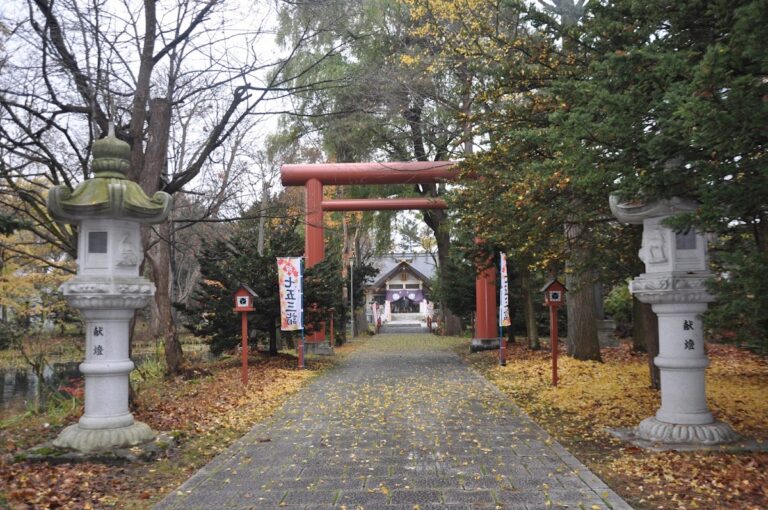
Toma Shrine, located in Toma-cho, Kamikawa-gun, Hokkaido, is a historic shrine that has been revered by local people since the pioneering era. This article provides detailed information you should know before visiting, including the history of Toma Shrine, its enshrined deities, blessings, annual events, and access methods.
Basic Information about Toma Shrine
Toma Shrine is located in Toma-cho, Kamikawa-gun, Hokkaido, and has long been revered by the townspeople as the local guardian deity. Toma-cho, located southeast of Asahikawa City, is known as an agricultural town where rice cultivation thrives, and Toma Shrine is a central presence in the region where people pray for a bountiful harvest.
Location and Contact Information
- Location: Toma-cho, Kamikawa-gun, Hokkaido
- Jurisdiction: Asahikawa Branch of the Hokkaido Shrine Association
- Shrine Rank: Village Shrine (Former Shrine Rank)
History and Origins of Toma Shrine
Circumstances of Founding
The founding of Toma Shrine dates back to the Hokkaido pioneering era. From the late Meiji period to the Taisho period, many settlers from Honshu moved to Toma and proceeded with development in a harsh natural environment. The settlers built the shrine as a spiritual anchor, praying for abundant harvests, success in development, and safety for their families.
The name Toma-cho is said to originate from Toma-dera Temple in Nara Prefecture, and it is believed that many of the settlers were from Nara Prefecture. Given this historical background, Toma Shrine has played an important role as a spiritual pillar for the pioneers.
History of Development
Toma Shrine began as a small shrine, but as the region developed, the shrine buildings were improved, leading to its current form. During the Showa era, the main hall was renovated and the grounds were improved, with the shrine facilities being enhanced through donations from local residents.
During the post-war agricultural development period, it attracted particularly fervent devotion as the guardian deity of rice cultivation, and worshippers continued to visit every year to pray for a bountiful harvest. Even today, it continues its activities rooted in the community as an important cultural asset that conveys the history and culture of Toma Town.
Deities and Divine Virtues
Main Deities
The main deities of Toma Shrine are primarily those enshrined in the pioneering shrines of Hokkaido. Many shrines in Hokkaido enshrine the following deities:
- Ōkunitama-no-kami: God of land development and industrial growth
- Ōnamuchi-no-kami: God of nation-building and agriculture
- Sukunahikona-no-kami: God of medicine and hot springs
These deities are known as the “Three Gods of Development” and were enshrined in many shrines during the Hokkaido pioneering era.
Divine Virtues (Benefits)
The main divine blessings you can expect at Taima Shrine are as follows:
- Abundant Harvest: As the guardian deity of Taima, an agricultural town, prayers for a bountiful harvest are offered.
- Good Fortune and Prosperity: Success in new businesses and challenges.
- Family Safety: Health and peaceful living for the family.
- Business Prosperity: Development and prosperity of businesses.
- Protection from Evil: Warding off disasters and protecting peaceful days.
The shrine is particularly revered by those involved in agriculture, and many worshippers visit before spring planting and during the autumn harvest season.
Highlights of the Shrine Grounds
Main Hall and Worship Hall
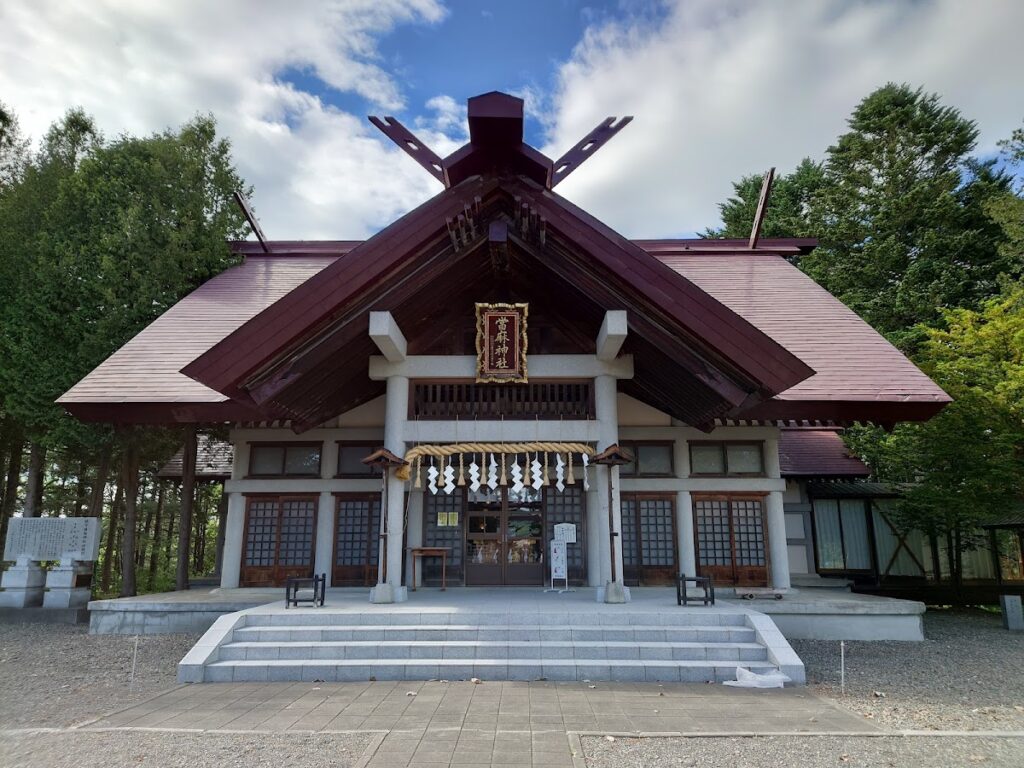
The main hall of Taima Shrine features architectural characteristics typical of Hokkaido shrines. Due to its location in a heavy snowfall area, it boasts a sturdy structure capable of withstanding the weight of snow and a steeply pitched roof. The worship hall, where worshippers offer their prayers, is kept clean.
Shrine Office
The shrine office handles the issuance of Goshuin (shrine stamps) and the acceptance of various prayer requests. It is recommended to contact the shrine in advance before visiting.
Nature on the Shrine Grounds
The shrine grounds are planted with trees that reflect the nature of Hokkaido, allowing visitors to enjoy the changing seasons. Cherry blossoms in spring, lush greenery in summer, autumn leaves in fall, and snowscapes in winter – each season offers a different kind of beauty.
Annual Events and Festivals
Main Annual Events
Taima Shrine holds various Shinto rituals throughout the year.
New Year’s Day Festival (January 1st)
This festival welcomes the new year and prays for peace and prosperity throughout the year. Many visitors come for their first shrine visit of the year, praying for happiness in the new year.
Spring Grand Festival
This important festival, held at the start of spring farming, prays for a bountiful harvest. Many local farmers attend the ceremony, praying for a bountiful harvest.
Autumn Grand Festival
This thanksgiving festival, held in autumn after the harvest, expresses gratitude for the year’s bounty. As the largest festival in Toma Town, it sometimes includes a portable shrine procession and offerings.
Shichi-Go-San Festival
In November, the Shichi-Go-San festival is held to celebrate the growth of children. Families from the community visit to pray for the healthy development of their children.
Special Prayers
Toma Shrine also accepts prayers from individuals and companies:
- Prayer for family safety
- Prayer for business prosperity
- Prayer for protection from evil
- Prayer for traffic safety
- Prayer for success in exams
- Prayer for safe childbirth
If you wish to request a prayer, it is recommended to contact the shrine office in advance.
Access Information
Access by Car
Toma Shrine is easily accessible by car.
- From Asahikawa city center: Approximately 30 minutes via National Route 39
- From Asahikawa Airport: Approximately 25 minutes by car
- From Sapporo: Approximately 2 hours and 30 minutes via the Hokkaido Expressway
Parking is available on the shrine grounds or nearby, but congestion is expected during events such as the annual festival, so it is recommended to allow ample time for your visit.
Access by Public Transportation
- JR Sekihoku Line: Get off at Toma Station, approximately 10-15 minutes on foot
- Local Bus: Buses from Asahikawa city towards Toma are available.
During winter, heavy snowfall may make walking difficult, so please come with appropriate equipment.
Best Time to Visit
Toma Shrine is open for visits throughout the year, but each season has its own unique characteristics:
- Spring (April-June): The season when the nature of the shrine grounds awakens with the melting snow. The Spring Grand Festival is held during this time. – Summer (July-August): A lush and pleasant time of year. The climate is refreshingly mild, typical of Hokkaido.
- Autumn (September-November): Beautiful autumn foliage and the annual autumn festival. A true taste of harvest season.
- Winter (December-March): While the snowy landscape is beautiful, heavy snowfall necessitates warm clothing.
Charms of Toma Town and Surrounding Sightseeing
About Toma Town
Toma Town is located in the Kamikawa region of Hokkaido and has a population of approximately 6,000. It is nationally known as a production area for “Densuke watermelons,” characterized by their jet-black rinds, which are harvested in the summer. It is also famous as a producer of high-quality rice, and “Toma Rice” is highly regarded both within and outside Hokkaido.
Nearby Tourist Attractions
Nearby attractions to visit in conjunction with a visit to Toma Shrine:
Toma Limestone Cave
This limestone cave, designated as a Hokkaido Natural Monument, is a valuable natural heritage site believed to have formed approximately 150 million years ago. The interior maintains a temperature of about 8 degrees Celsius year-round, making it cool in summer and warm in winter.
Toma Town Pioneer Memorial Museum
This facility allows visitors to learn about the history of Toma Town’s pioneering. Exhibits include daily life tools and farming implements from the time of settlement, allowing visitors to understand the hardships and efforts of the pioneers.
Kuruminaki Walking Trail
This nature-rich walking trail allows visitors to enjoy a stroll while experiencing forest bathing. It is also suitable for bird watching and plant observation.
Michi-no-Eki Toma (Roadside Station Toma)
This facility sells Toma Town’s local products. Densuke watermelons, Toma rice, local agricultural products, and processed goods are sold here. The restaurant also serves dishes made with local ingredients.
Manners and Etiquette for Visiting Shrines
Basic Etiquette for Visiting Shrines
There are basic manners to observe when visiting a shrine. Please follow these steps when visiting:
- Passing Through the Torii Gate: Bow before passing through the torii gate. Since the center of the path is considered the path of the gods, walk along the sides.
- Purifying at the Water Basin: If there is a water basin, purify yourself in the following order:
- Take the ladle with your right hand and wash your left hand.
- Switch the ladle to your left hand and wash your right hand.
- Switch the ladle back to your right hand, receive water in your left hand, and rinse your mouth.
- Wash your left hand again.
- Hold the ladle upright and rinse the handle.
- Worship at the Main Hall:
- Place your offering in the offering box.
- Ring the bell if there is one.
- Perform the two bows, two claps, and one bow (two deep bows, two claps, one deep bow).
- Departure: After exiting the torii gate, turn around and bow once.
Attire for Worship
If receiving a special prayer, it is preferable to wear attire that is not too casual. However, for regular worship, everyday clothes are fine. However, avoid revealing or overly flashy clothing.
If visiting during the winter, please take sufficient precautions against the cold. Winters in Hokkaido are extremely cold, and there is often snowfall, so we recommend wearing non-slip shoes.
About Goshuin (Shrine Seals)
Issuance of Goshuin
It is possible to receive a Goshuin at Taima Shrine. Goshuin are popular as proof of worship and as a tangible memento of your connection with the shrine.
Points to note when receiving a Goshuin:
- Always worship before receiving a Goshuin.
- Prepare a Goshuincho (a stamp book) (notebooks or paper are inappropriate as this is not a stamp rally).
- Check the shrine office’s opening hours.
- Prepare a donation (approximately 300-500 yen).
- Request politely.
For smaller shrines, the shrine office may not always be open, so we recommend contacting them in advance to confirm.
The Connection Between Taima Shrine and the Local Community
The Center of the Local Community
Taima Shrine is not merely a religious facility; it plays a central role in the local community. Events such as the annual festival provide valuable opportunities for townspeople to gather together, fostering intergenerational exchange.
The Preservation of Traditional Culture
Through the shrine’s festivals, traditional Shinto rituals and customs are passed down to the next generation. Children participating in the festivals have the opportunity to learn about local history and culture, fostering a love for their hometown.
Deep Connections to Agriculture
Agriculture is the core industry of Taima Town, and Taima Shrine holds special significance as the guardian deity of agriculture. The spring harvest prayer and the autumn harvest thanksgiving are important events marking the end of the year for farmers.
In recent years, there have been challenges such as the aging of agricultural workers and a shortage of successors, but prayers at the shrine provide an opportunity to renew awareness of the importance of agriculture and food safety.
Hokkaido’s Shrine Culture and Taima Shrine
Characteristics of Hokkaido Shrines
Hokkaido’s shrines have characteristics that differ from the ancient shrines of Honshu. Many were founded during the pioneering period after the Meiji era, so their history is relatively recent, but they hold significant meaning as the culmination of the faith and efforts of the pioneers.
Hokkaido’s shrine architecture exhibits ingenuity unique to heavy snowfall regions. Features include steeply pitched roofs, sturdy pillars and beams, and structures designed to withstand the weight of snow—architectural styles adapted to the harsh natural environment.
Role as a Pioneer Shrine
Taima Shrine, as one of the pioneer shrines, has served as a spiritual pillar for the settlers. In the midst of the harsh lives in an unfamiliar land, the shrine provided a place of peace and hope.
Prayers for the success of pioneering, for bountiful harvests, and for the safety of families—these earnest wishes of the people have shaped the history of Taima Shrine.
The Significance of Taima Shrine in Modern Times
As a Place of Spiritual Support
In modern society, shrines serve as a place of spiritual support. They are precious places where one can escape the hustle and bustle of daily life and have time to quietly reflect on oneself.
Stepping into the grounds of Taima Shrine, one is enveloped in a tranquil atmosphere, unlike the hustle and bustle of the city. Through worship, one can calm their mind and return to daily life with a renewed spirit.
A Symbol of Regional Identity
Taima Shrine is also a symbol of identity for the residents of Taima Town. As an embodiment of the town’s history and a place of faith passed down through generations, it is deeply rooted in the hearts of the townspeople.
Potential as a Tourism Resource
In recent years, shrine pilgrimages and collecting Goshuin (shrine stamps) have become popular, and attention is being drawn to local shrines. Taima Shrine also has the potential to play a role in promoting the town’s charm as one of Taima Town’s tourism resources.
Combining Toma Shrine with other tourist attractions such as the Toma Limestone Cave and Densuke watermelons will likely encourage more people to visit Toma Town.
Summary
Toma Shrine is a historic shrine located in Toma Town, Kamikawa District, Hokkaido. It has been revered by local people since the pioneering era and is known for its blessings of abundant harvests, family safety, and good fortune.
Through annual events such as the Spring and Autumn Grand Festivals, it plays a central role in the local community and holds special significance as the guardian deity of Toma, an agricultural town.
It is easily accessible, about 30 minutes by car from Asahikawa City, and can be visited in conjunction with nearby tourist spots such as the Toma Limestone Cave and the Toma Roadside Station. Please visit Toma Shrine, where you can experience Hokkaido’s nature, history, and culture.
When visiting, please observe basic manners and pray with sincerity to forge a good connection with the deities. We hope that Taima Shrine will become a special place of peace and tranquility for everyone.