Takachiho Shrine Complete Guide | A Thorough Explanation of History, Benefits, Highlights, and How to Visit
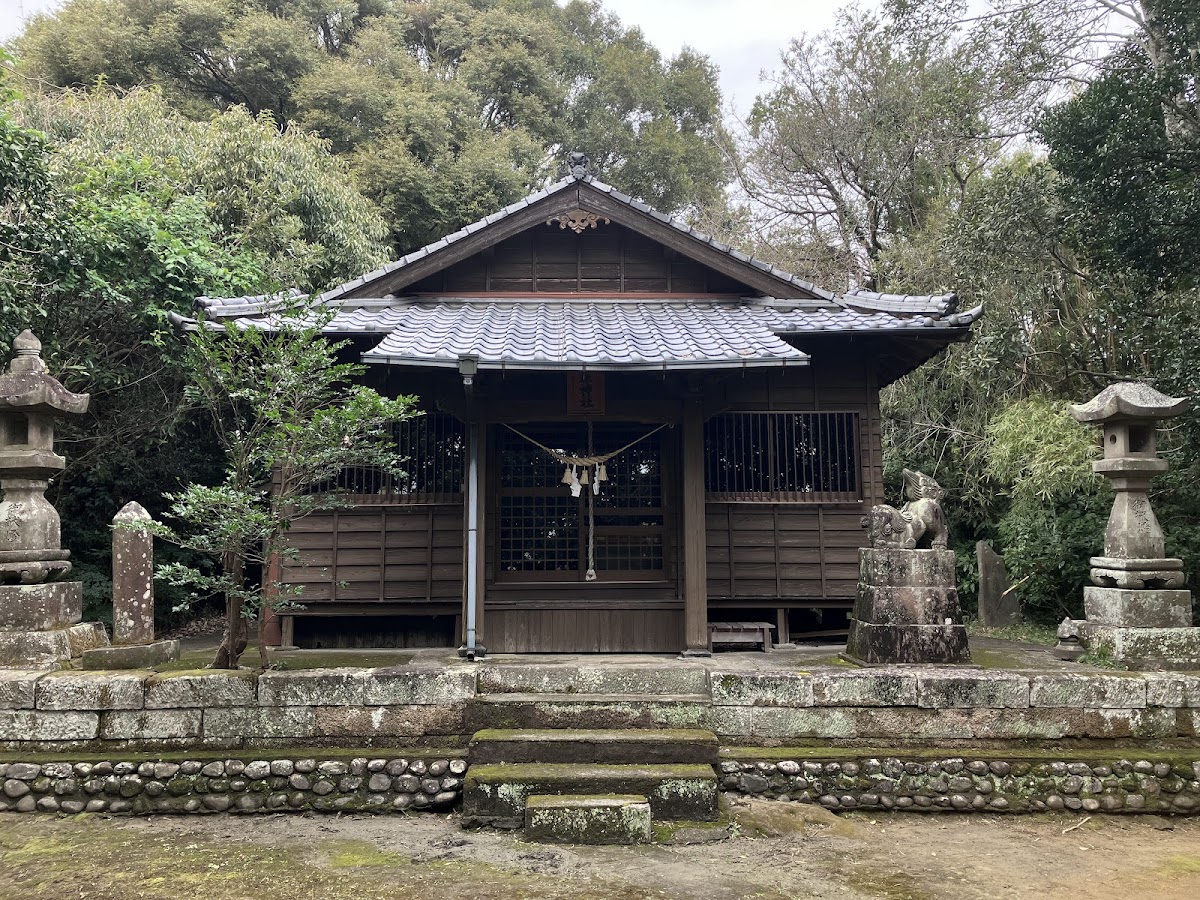
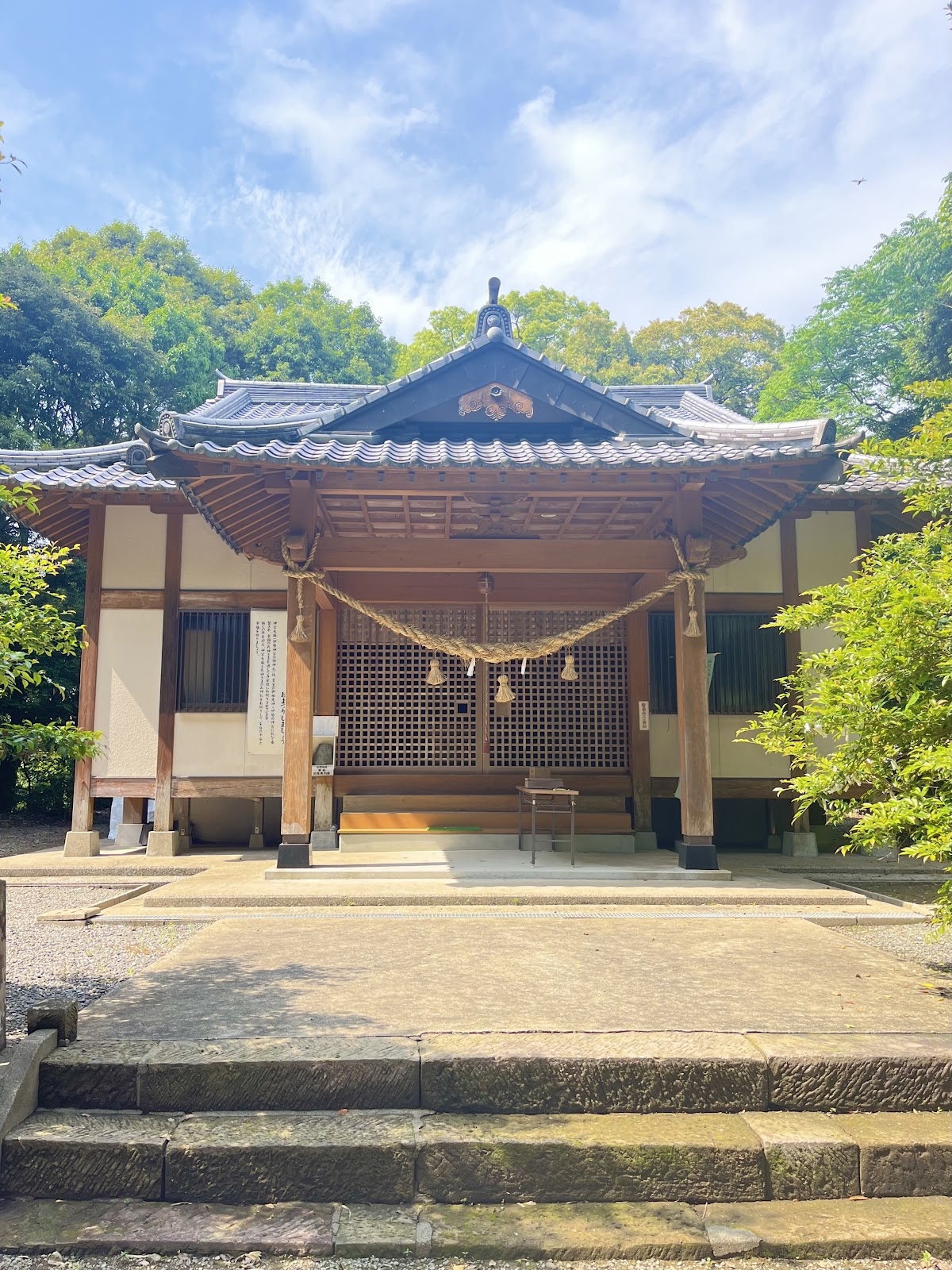
Takachiho Shrine, located in Takachiho Town, Nishiusuki District, Miyazaki Prefecture, is a venerable shrine boasting a history of approximately 1900 years. As the head shrine of the 88 shrines of Takachiho-go, it has long been a center of local faith. Known for its blessings of matchmaking and protection against evil, it also houses valuable cultural assets, including the main hall and a pair of iron guardian lion-dogs, both designated as important national cultural properties. This article comprehensively introduces everything you need to know before visiting Takachiho Shrine, from its history and highlights to how to visit and access information.
History and Origins of Takachiho Shrine
History of its Founding
The founding of Takachiho Shrine is said to date back approximately 1900 years to the reign of Emperor Suinin, the 11th emperor. Takachiho Shrine is considered a strong candidate for the “Takachiho Kōjin (Takachiho-no-Kami)” shrine mentioned in the “Six National Histories,” and was a prestigious shrine recognized by the imperial court since ancient times.
Takachiho is known as the setting for Japanese mythology, a land of myths where the legend of the descent of the heavenly grandchild remains. Takachiho Shrine is deeply connected to this mythology and has played an important role as a center of faith and the birthplace of mythology for over 2000 years.
The Grand Shrine of the 88 Shrines of Takachiho
Takachiho Shrine is positioned as the grand shrine of the 88 shrines of Takachiho, a group of shrines that once numbered 554. A grand shrine is a shrine that enshrines the deities of multiple shrines in a specific region and represents them all. Takachiho Shrine enshrines the deities of all these shrines and has functioned as the spiritual pillar of the entire region.
Even today, it plays an extremely important role in the sacred life of the 88 shrines scattered throughout the Takachiho region.
Development Since the Modern Era
Although it remained a village shrine under the modern shrine ranking system of the Meiji era, its historical and cultural value is highly regarded. As of 2024 (Reiwa 6), it is designated as a special shrine by the Association of Shinto Shrines and is recognized as an important shrine nationwide.
Deities and Benefits
Main Deity
Takachiho Shrine has two halls, the First Hall and the Second Hall, each enshrining a different deity.
First Shrine: Takachiho Sumegami
Takachiho Sumegami is a collective term for the following deities appearing in the myth of the descent of the heavenly grandchild:
- Ninigi-no-Mikoto
- Konohanasakuya-hime-no-Mikoto
- Hikohodemi-no-Mikoto
- Toyotama-hime-no-Mikoto
- Ugayafukiaezu-no-Mikoto
- Tamayori-hime-no-Mikoto
These deities form the lineage from the descent of the heavenly grandchild to the parents of Emperor Jimmu, and are the core deities of the Japanese founding myth.
Second Shrine: Jissha Daimyojin
Jissha Daimyojin is a collective term for the main deities enshrined in the Takachiho region.
Divine Blessings
Takachiho Shrine is known for its diverse blessings, but it attracts particularly fervent devotion in the following areas:
- Matchmaking: Nationally famous as a power spot for matchmaking, including the “Married Couple Cedar”
- Agriculture: Abundant harvests and prosperity in agriculture
- Exorcism and Purification: Power to ward off and purify disasters
- Long-lasting Military Fortune: Aspect as a god of war
- Traffic Safety: Protection of safe travels
The blessings for matchmaking are especially famous, attracting many worshippers praying for success in love and marital harmony.
Highlights of the Shrine Grounds
Nationally Designated Important Cultural Property
Main Hall
The main hall of Takachiho Shrine is designated as a Nationally Important Cultural Property. Its architectural style is both elegant and powerful, conveying a sense of dignity gained through a long history. The structure and decoration of the main hall exhibit characteristics of shrine architecture from the medieval to early modern periods, making it a valuable asset from an architectural history perspective. #### A Pair of Iron Komainu (Guardian Lion-Dogs)
Among the temple’s collection, the pair of iron komainu are particularly important. Designated as a National Important Cultural Property, they are extremely rare as iron komainu, possessing high artistic and historical value. As a masterpiece showcasing the pinnacle of medieval metalworking techniques, they have attracted the attention of many researchers.
Meoto-sugi (Married Couple Cedar)
The most popular spot on the temple grounds is the “Meoto-sugi” (Married Couple Cedar). The mystical sight of two cedar trees joined at the base is considered a symbol of the bond between husband and wife or lovers.
How to Worship:
It is said that holding hands with your partner or loved one and circling the Meoto-sugi three times will bring happiness. Even if you visit alone, circling it three times while wishing for a good match is said to bring good fortune in finding love.
The vitality of these giant cedars, hundreds of years old, is breathtaking, and they are also a popular photo spot.
Chichibu Cedar
Within the shrine grounds stands a gigantic Chichibu cedar, said to be 800 years old. Legend says it was planted by Hatakeyama Shigetada as a representative of Minamoto no Yoritomo. This sacred tree, with its majestic presence, deeply impresses visitors. It can be considered a living witness to the long history of Takachiho Shrine.
Shizumeishi (Palace Stone)
Takachiho Shrine has an intriguing legend surrounding the “Shizumeishi” (Palace Stone). In ancient times, when Kashima Shrine in the Kanto region was constructing its shrine buildings, Takachiho Shrine presented the Shizumeishi, which still exists today as the “Keystone” within the sacred precincts of Kashima Shrine.
This stone is believed to possess the power to calm human anxieties and the turmoil of the world, and has been an object of prayer since ancient times. It’s a historically romantic episode connecting two distant shrines, Takachiho Shrine and Kashima Shrine.
Takachiho Kagura (Night Kagura)
Preservation of Traditional Performing Arts
One of the major attractions of Takachiho Shrine is the “Takachiho Kagura,” held every night. Takachiho Kagura is designated as a National Important Intangible Folk Cultural Property and is a traditional performing art with a history of approximately 800 years.
Originally, Takachiho Kagura was performed as a “night kagura” from mid-November to early February of the following year, where the local deity was invited to private homes or community centers in each village, and 33 kagura dances were performed throughout the night.
Performance at Takachiho Shrine
At Takachiho Shrine, for the benefit of tourists and worshippers, four representative dances from the 33 kagura dances (the Dance of Tajikarao, the Dance of Uzume, the Dance of Totori, and the Dance of the Sacred Object) are performed every night from 8 PM to 9 PM in the Kagura Hall.
Viewing Information:
- Performance Time: Every evening from 8:00 PM to 9:00 PM (Open year-round)
- Location: Takachiho Shrine Kagura Hall
- Admission Fee: Adults 1,000 yen, Elementary and Junior High School Students 500 yen
Takachiho Kagura, which expresses the world of mythology through dance, deeply moves visitors. The performances, based on the Amano-Iwato myth, are both humorous and filled with a sacred atmosphere, offering a valuable experience that allows you to truly appreciate the beauty of traditional Japanese culture.
How to Visit and Etiquette
Basic Worship Etiquette
When visiting Takachiho Shrine, please observe the following etiquette:
- Bow before passing through the torii gate: This is a courtesy before entering the sacred area.
- Purify yourself at the water basin: Purify your left hand, right hand, and mouth in that order, and finally your left hand.
- Walk along the edge of the path: The center is considered the path of the gods.
- Worship at the main hall: Two bows, two claps, and one bow is the basic method.
- Be quiet on the shrine grounds: Be mindful that this is a sacred place.
Recommended Worship Route
- Pass through the torii gate and proceed along the path.
- Purify yourself at the water basin.
- Worship at the main hall.
- Walk around the Meoto Sugi (Married Couple Cedar) three times.
- View the Chichibu Sugi (Chichibu Cedar).
- Visit other points of interest on the shrine grounds.
- Receive amulets and Goshuin (temple/shrine stamps) at the reception area.
The estimated time required is 30 minutes to 1 hour if you do not watch the Kagura performance.
Amulets and Goshuin
Popular Amulets
Takachiho Shrine offers a variety of amulets:
- Matchmaking Amulet: For those wishing for success in love or a good relationship
- Marriage Harmony Amulet: An amulet related to the “Married Couple Cedar”
- Exorcism Amulet: For protection against misfortune and evil
- Traffic Safety Amulet: For safe travel
- Academic Success Amulet: For those wishing for academic improvement
The matchmaking amulet is particularly popular, and many visitors seek it out.
Goshuin (Temple/Shrine Stamps)
At Takachiho Shrine, you can receive a Goshuin as proof of your visit. You can bring your own Goshuincho (stamp book) or purchase one on-site. Takachiho Shrine also offers its own original Goshuincho, which are highly regarded for their beautiful designs.
Shrine Reception Hours:
Normally 8:30 AM – 5:00 PM (may vary depending on the season)
Access Information
Location
1037, Mitai, Takachiho-cho, Nishiusuki-gun, Miyazaki Prefecture 882-1101
Phone Number: 0982-72-2413
Access by Car
From Kumamoto:
- Approximately 2 hours 30 minutes from Kumamoto IC via National Route 325
- Approximately 1 hour from Nobeoka IC via National Route 218
Parking:
Free parking available adjacent to the shrine (approximately 100 spaces)
It can get crowded during tourist season and on weekends, so early arrival is recommended.
Access by Public Transportation
Bus:
- Approximately 15 minutes on foot from Takachiho Bus Center
- Use Miyazaki Kotsu Bus or Takachiho Town Bus
Nearest Station:
The nearest JR station is Nobeoka Station (approximately 1 hour 30 minutes away).
From Nobeoka Station, it is convenient to use a bus or rental car.
Nearby Tourist Attractions
When visiting Takachiho Shrine, it is recommended to also visit nearby tourist attractions:
- Takachiho Gorge: Approximately 10 minutes by car from the shrine. A scenic spot with beautiful cliffs and Manai Falls.
- Amanoiwato Shrine: The setting of the Amanoiwato myth. Approximately 15 minutes by car from the shrine.
- Kunimigaoka: A famous spot for sea of clouds. Early morning visits are recommended.
- Amanoyasugawara: A mystical cave where gods are said to have gathered.
Best time to visit
Seasonal attractions
Spring (March-May):
Beautiful fresh greenery and pleasant weather. The temple grounds are vibrant during cherry blossom season.
Summer (June-August):
The temple grounds, enveloped in deep green, have a cool atmosphere. However, be prepared with rain gear during the rainy season.
Autumn (September-November):
Beautiful autumn leaves, making it the most suitable season for visiting. The full-fledged night kagura season begins from mid-November.
Winter (December-February):
A tranquil atmosphere in the crisp air. The peak season for night kagura, where you can experience traditional events.
Special festivals
- Annual Grand Festival: December 3rd. Most Important Annual Event
- Night Kagura Season: Mid-November to early February. Authentic night kagura performances are offered in each village.
Points to Note When Visiting
Attire
Please dress appropriately for visiting a shrine. Avoid overly revealing clothing, and clean, presentable attire is desirable. Since there are stone steps and gravel paths within the shrine grounds, comfortable walking shoes are recommended.
Photography
Photography is generally permitted within the shrine grounds, but there may be restrictions, such as inside the main hall or during kagura performances. Please follow the signs and be considerate of other visitors.
Estimated Time Required
- Visiting the shrine only: 30 minutes to 1 hour
- Including kagura performance: 2 hours to 2.5 hours
- Including sightseeing in the surrounding area: Half a day to a full day
Cultural Value of Takachiho Shrine
Takachiho Shrine is not merely a tourist spot, but an important cultural heritage site that conveys the spiritual culture of Japan to the present day. For over 2000 years, it has functioned as a center of faith, playing a central role in the transmission of myths and the preservation of folk performing arts.
As a shrine with multifaceted value, it should be carefully protected and passed down to future generations, including the preservation and transmission of intangible cultural properties such as Takachiho Kagura, the protection of the main hall and iron guardian lion statues (both designated as important national cultural properties), and its function as a spiritual pillar for the local community.
Summary
Takachiho Shrine, the head shrine of the 88 shrines of Takachiho-go with a history of approximately 1900 years, attracts worshippers seeking various blessings, including matchmaking and protection from evil. It boasts numerous attractions, including the main hall and iron guardian lion statues (both designated as important national cultural properties), sacred trees hundreds of years old, and the Takachiho Kagura performed nightly.
Experiencing the ancient faith and traditional culture in Takachiho, the setting of Japanese mythology, brings deep emotion and spiritual fulfillment to visitors. When you visit Miyazaki Prefecture, be sure to stop by Takachiho Shrine and experience its sacred atmosphere and rich cultural heritage.
Walking hand-in-hand with your loved one around the twin cedar trees, watching the enchanting Takachiho Kagura dance, and strolling through the grounds steeped in timeless history—your time at Takachiho Shrine will surely become an unforgettable memory.